Categories
Alberta Politics

Showdown in Fort McMurray-Lac La Biche. Can Jason Kenney block Brian Jean from becoming the UCP candidate?

The much awaited United Conservative Party nomination vote in Fort McMurray-Lac La Biche is being held on Dec. 11 and 12. The contest between former MLA and former Wildrose Party leader Brian Jean and economist Joshua Gogo has attracted a lot of political attention.

Nursing a grudge from the 2017 leadership race and tapping into the current UCP leader’s unpopularity, Jean has openly predicted that Rachel Notley’s NDP would win the next election if Premier Jason Kenney doesn’t resign (a recent poll commissioned by CBC showed only 3 in 10 Albertans respect Kenney).

In response, Kenney and his staff have openly criticized Jean for a lack of sticktoitiveness after failing resigning mid-term as Member of Parliament and MLA for the area, causing two by-elections including the one that elected the former MLA for Fort McMurray-Lac La Biche, Laila Goodridge.

Kenney’s supporters jumped at the opportunity to slam Jean’s description of Gogo as a “Nigerian economist living in Fort McMurray.” Despite a plummeting approval ratings from the public, Kenney has benefited from not having a challenger inside the party that his opponents could rally around. Jean wants to be that challenger.

This by-election will mark the first time the UCP government has had to face voters since it was elected in 2019, and also the first time since then that the question of Kenney’s leadership will be on a provincial ballot.

Under most circumstances, winning this by-election would be a slam dunk for the UCP, but Jean’s candidacy definitely complicates matters for Kenney’s party.

Here is a look at two scenarios that could play out as ballots are cast and counted in this weekend’s UCP nomination contest:

  1. Brian Jean loses the nomination. Losing the nomination would be a big blow to Jean, who has never lost an election in Fort McMurray before. And it would be a win for Kenney. Jean would definitely be a diminished political force within the UCP after losing, and might decide to remain on the sidelines or retreat to private life. But he could decide to run as an Independent candidate. He has significant name recognition and enough personal funds and financial supporters in the riding that he would be a contender even without the blessing of local UCP members.
  2. Brian Jean wins the nomination. Winning the nomination would be a big blow to Kenney, who has used his position as leader to speak out against Jean’s nomination bid. Unless Kenney refused to sign his nomination papers or found a way to disqualify him from winning the nomination, Jean would immediately become the central figure in effort to defeat Kenney at the April 9, 2022 leadership review. Jean has pledged to continue campaigning against Kenney’s leadership.

Mancini nominated as NDP candidate
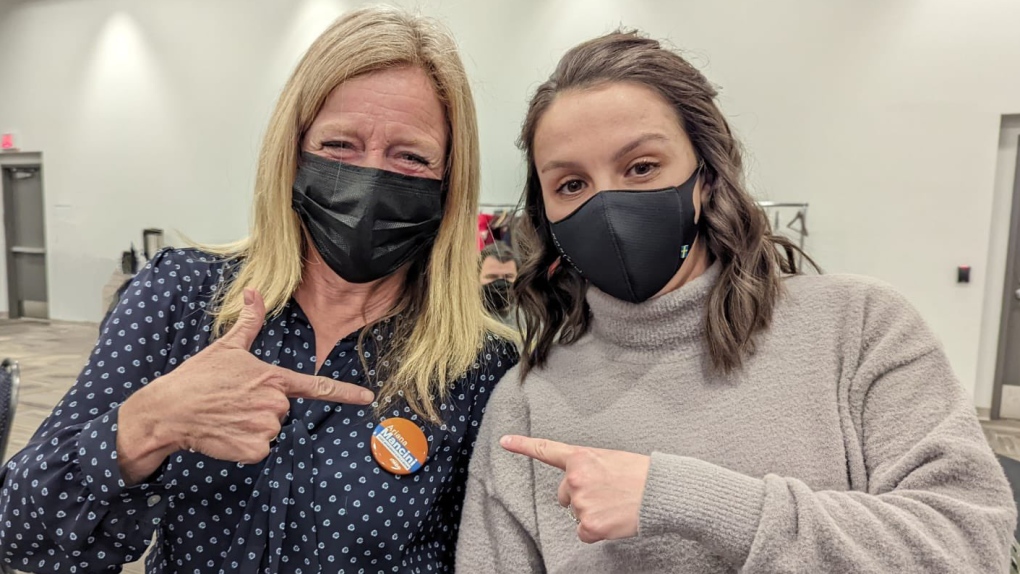
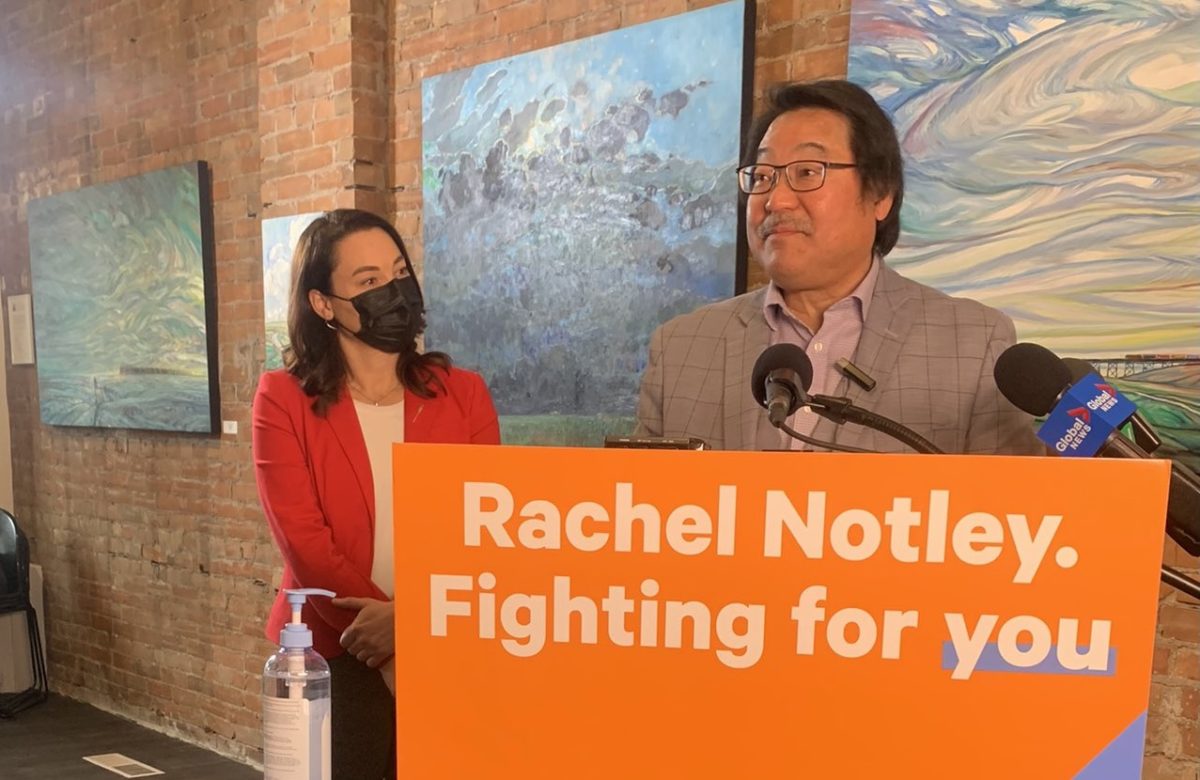
Rachel Notley and Ariana Mancini (source: Twitter)

Local teacher Ariana Mancini was acclaimed as the Alberta NDP candidate at a nomination rally featuring party leader Rachel Notley this week.

“This campaign is an opportunity for our region to send a message to Jason Kenney,” Mancini is reported to have told the crowd in Fort McMurray. “The message is that we don’t have to choose between bad and worse. We can choose better. Even the conservatives don’t like the conservatives. That’s saying something,” she said.

This is Mancini’s second time running as an NDP candidate. She placed second to Jean in the 2015 election in the former Fort McMurray-Conklin riding.

Another former Wildrose leader running for separatist party
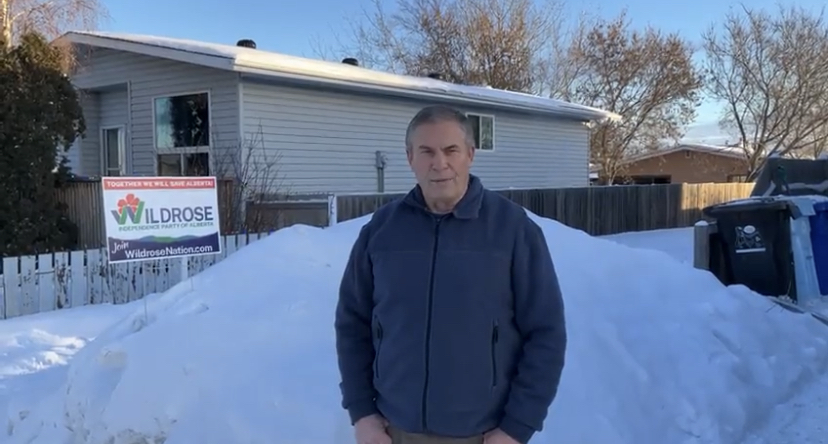
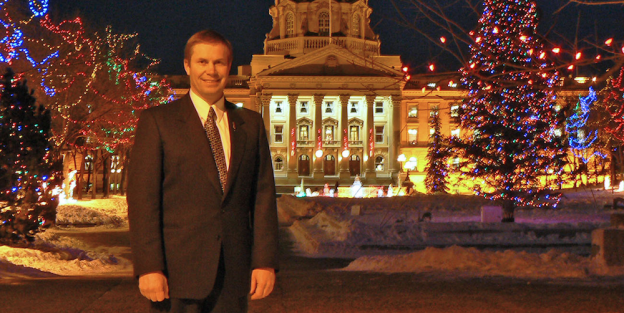
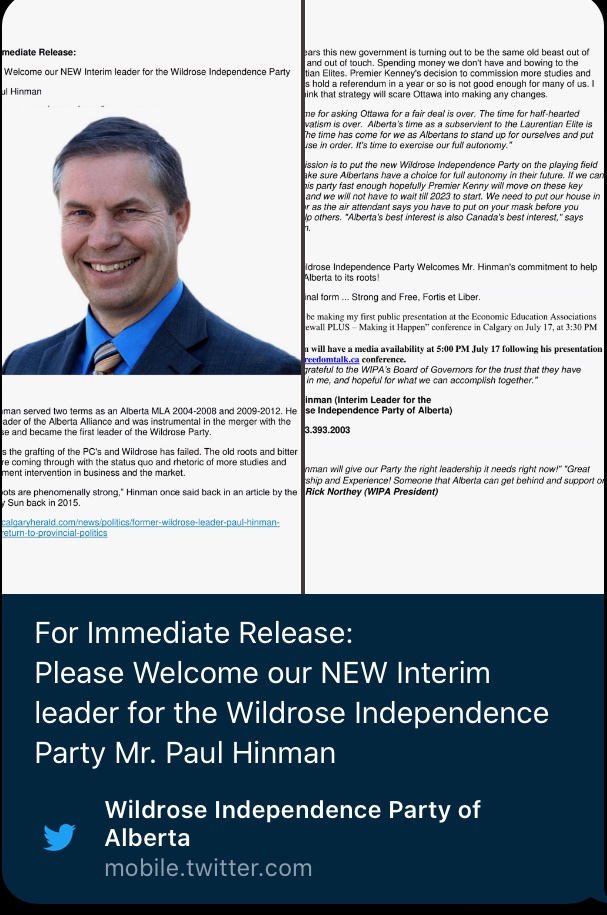
Paul Hinman (source: Twitter)

Another former Wildrose Party leader has announced his plans to run in the by-election.

Wildrose Independence Party leader Paul Hinman, who led the Alberta Alliance-turned-Wildrose Alliance from 2005 to 2009, announced on social media today that he will run for the recently rebranded separatist party in the by-election (the Wildrose Independence Party was named the Freedom Conservative Party in the 2019 election and was previously known as the Western Freedom Party, the Alberta First Party and the Separation Party of Alberta).

Describing it on social media as the most important by-election in history, Hinman described Fort McMurray-Lac La Biche as “ground zero for Trudeau’s carbon net-zero attack against Alberta.”

Hinman appears to be relying on support from federal People’s Party of Canada supporters and has been loudly promoting COVID-19 conspiracy theories on social media.

He served as the MLA for Cardston-Taber-Warner from 2004 to 2008 and Calgary-Glenmore from 2009 to 2012.


I am building a list of candidates running for party nominations ahead of Alberta’s expected 2023 provincial election. If I have missed any candidates on my list, please post a comment below or send me an email at david.cournoyer@gmail.com. Thank you!

Categories
Alberta Politics

Jack Lowery tried to merge the Alberta Liberals with Social Credit, and it destroyed his leadership

Supporters of the Alberta Liberal Party will gather virtually this weekend for the party’s annual general meeting two years after the party was shut out of the Legislative Assembly for the first time in more than three decades.

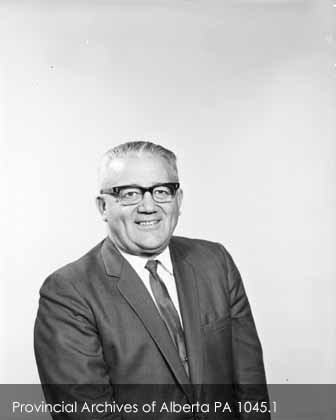
Jack Lowery Alberta Liberal Party leader
Jack Lowery

This year also marks 100 years since the Liberal Party lost the 1921 election to the United Farmers of Alberta after governing the province since it was founded in 1905.

The Liberals formed the official opposition for most of the period from their defeat until the 1967 election, when the Progressive Conservatives led by Peter Lougheed knocked the Liberals to third place in the Legislature. 

As the Liberals ponder what it means to be a seatless party in 2021, I took a look back at what happened the last time the Liberals were shut out of the Legislature.

The 1967 election marked the Liberal Party’s poorest showing in decades, and death, defection and resignation would mean the party’s three MLA caucus would not survive the full term.

Michael Maccagno

Party leader and Lac La Biche MLA Michael Maccagno resigned his seat in early 1968 to run in the federal election and later formally resigned as leader in October 1968. Edson MLA William Switzer died of a heart attack in June 1969. And in November 1969 the party’s sole remaining caucus member, Calgary-Glenmore MLA Bill Dickie, crossed the floor to join Lougheed’s PC Party. 

The party was on the decline and faired poorly in the by-elections to replace Maccagno and Switzer, with Liberal candidates finishing third in Lac La Biche and fourth in Edson. 

But that was not where this story of the Alberta Liberal Party’s ends.

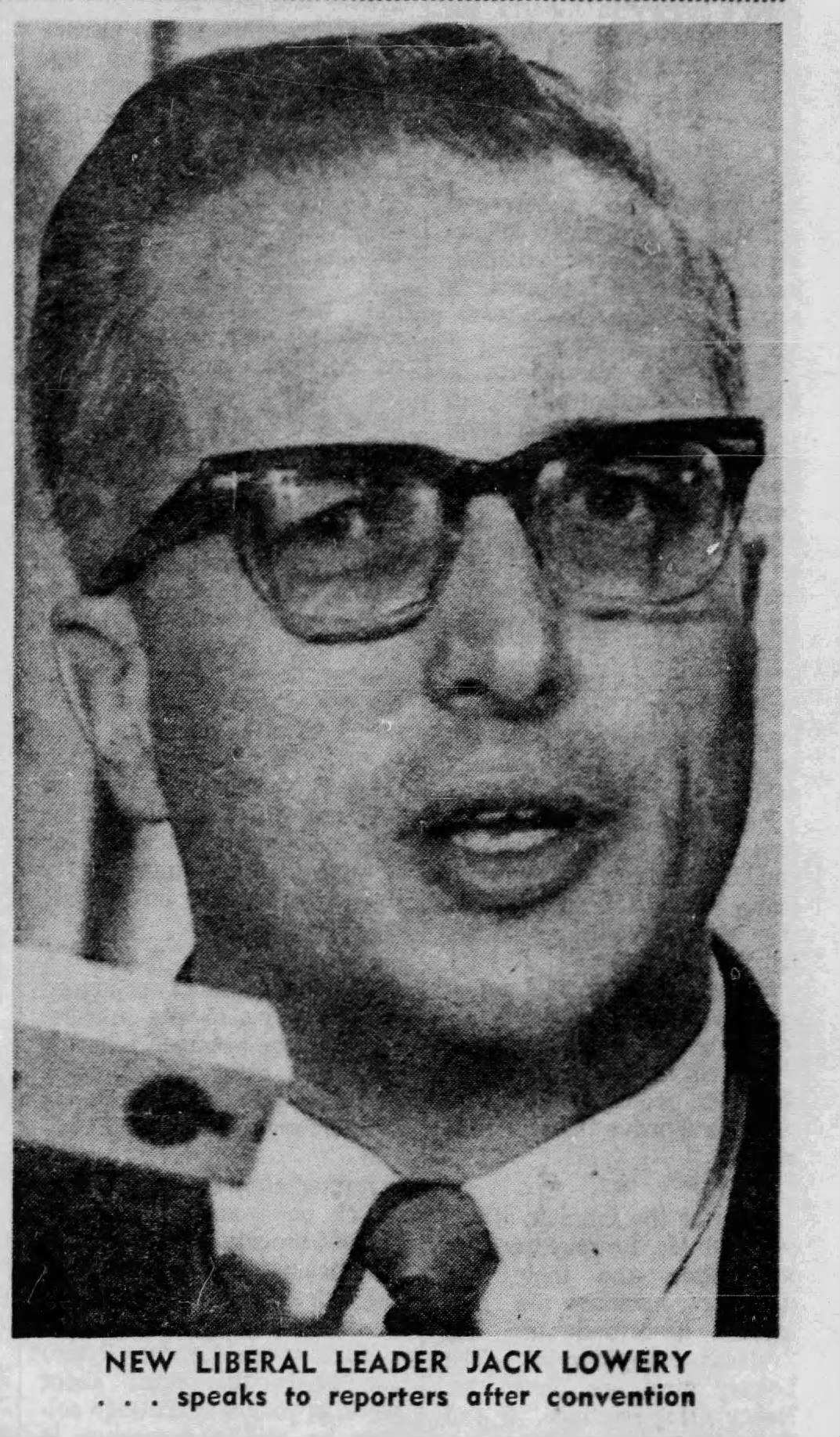
Former United Church Minister Jack Lowery, who preached at Calgary’s Southwood United Church without collecting remuneration so he could work full-time as the public relations manager for ATCO Industries Ltd., was chosen as leader on April 26, 1969.

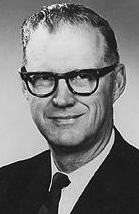
Harry Strom Alberta Premier
Harry Strom

He was also the chief statistician for the Calgary Stampeder Football Club, where he led a team of analysts and technicians who tracked the CFL team’s performance. It is no wonder that Calgary Herald’s Johnny Hopkins described him in 1967 as someone who simply couldn’t find enough activities to fill all his waking hours.

With none of the party’s MLA entering the leadership race, Lowery defeated Town of Manning Mayor Don Branigan (who would later become Mayor of Whitehorse in Yukon), future party leader Bob Russell, and 20-year old University of Alberta political science student Trevor Midgley (who entered the race 8 minutes before the nomination deadline). 

The 39-year old Lowery moved to Alberta after graduating from theology school in Toronto to serve churches in the Hardisty area and described himself as an “issues-oriented pragmatist” with a left-orientated slant on social development philosophy and “small conservative” financial ideas.

Nick Taylor Calgary-Centre Liberal candidate 1968 election Canada
A campaign poster from Nick Taylor’s campaign in Calgary-Centre in 1968.

This was Lowery’s second foray into elected politics, having just the previous year mounted an unsuccessful campaign against oilman and school board trustee Nick Taylor for the federal Liberal nomination in Calgary-Centre (Taylor would go on to lead the Liberals back into the Legislature in 1986).

“It’s been said for a long time that there are those in the Liberal Party who have had a vested interest in defeat,” Lowery told Calgary Herald for the “Personality of the Week” column on May 30, 1969.

“They’ve been quite happy to go directly to Ottawa without having to work in a party structure that could go somewhere. All of these people will be encouraged to become party of the team,” Lowery said.

Alberta Premier Peter Lougheed
Peter Lougheed

Lowery was an outsider who inherited the leadership of a deeply divided and cash poor party that was overshadowed by a flashier and increasingly unpopular federal Liberal Party led by Prime Minister Pierre Elliott Trudeau.

He was the Liberal Party’s third leader in five years following the resignation of Adrian Berry after nine months as leader in 1966 and the return of Maccagno as leader for a second time before Lowery was chosen.

Early on in his leadership he dismissed the chances of Lougheed’s PCs and pledged to reestablish the Liberals as the alternative to the long-governing Social Credit Party, which he described as “very long on promises and short on implementation.”

The decision by MLA Dickie to join the Lougheed PCs in November 1969 because of what he described as “leftist philosophy” in the Liberal Party meant the party no longer had any representation in Legislature.

“This merely clears the decks so that we can do the kind of building we’ve been wanting to do. I do not agree with him that we have a leftist philosophy,” said Lowery in response his Dickie’s defection.

But it all really started to unravel for Lowery when was revealed the next month that he had reached out to Social Credit Premier Harry Strom to either merge or create an electoral alliance between the two parties.

His fate was sealed.

Pat Mahoney

“We can run candidates in the traditional sense in the next election. We can stand aside and let the Social Credit and Conservative partiee fight it out, or we can work with Social Credit to determine areas of mutual interest,” Lowery told the Calgary Herald on Dec. 30, 1969.

“We are 10 years away from being an effective political force and some form of coalition  in which the Liberal party would retain its identity is one of the alternatives open,” Lowery said.

Calgary-South Liberal Member of Parliament Pat Mahoney, a former President of the Calgary Stampeders Football Club, said the idea should be pursued with an open mind.

“The Alberta Liberals have been unfairly burned by the identification with Ottawa and the necessity of supporting federal policies,” Mahoney told the Calgary Herald. “They have a right to pursue an independent course.”

Hu Harries
Hu Harries

But Mahoney’s federal colleague from Edmonton had a different opinion. Edmonton-Strathcona Liberal MP Hu Harries called the proposal “bloody nonsense” and predicted it will not receive support from the Alberta Liberals membership.

Harries called on Lowery to resign and described talk of a Liberal-Socred alliance as a “selfish, stupid reaction to a complete failure” that was the Liberal Party’s inability to win the by-elections to replace the party’s former MLAs.

Prominent Edmonton Liberal and well-known publisher Mel Hurtig described the idea as absurd and clashed with Lowery at a party meeting in January 1970.

“Liberals are not people who are concerned with developing deals where they sell out their principles,” Hurtig was reported to have said.

Lowery defended his position by arguing that the merger discussions with the Socreds had “provoked interest and has given us an opportunity to delineate what we stand for as Liberals.”

But Harries and Hurtig were not alone. Constituency association presidents from across the province revolted against the idea – and Lowery.

And despite Lowery’s optimism, Strom’s own public response poured cold water on the entire idea of a Socred-Liberal alliance.

“We would be prepared to welcome those members of the Liberal party or any other party, who wish not join and work with us, but we are not at all interest in any deals or mergers,” Strom said.

The other opposition parties took it as an opportunity to welcome disaffected or confused Liberals into their camps.

Alberta New Democratic Party leader Grant Notley said his party would open wide the doors for disgruntled Liberals who wish to join “a genuine alternative to the conservative consensus of the Socreds and Tories.”

And Lougheed said any move toward a Liberal-Socred alliance would benefit his PC party.

“The last provincial election and the last two by-elections indicate that the majority of liberal-inclined voters would prefer to see a new progressive government in Alberta end 35 years of Social Credit control,” Lougheed said. 

On February 16, 1970, only 10 short months after winning the leadership, Lowery resigned as leader of the Alberta Liberal Party.

He was replaced by the third-place finisher from the previous year’s leadership contest, Bob Russell.

A year later, Lowery re-emerged into the political spotlight to publicly announced he had left the provincial Liberals and was joining the Social Credit Party. He was soon after named the coordinator of the party’s Calgary campaign for the 1971 provincial election.

When the votes were counted on August 30, 1971, Lougheed’s PC Party had unseated the Socreds to form the first new government in Alberta since 1935. It was a political earthquake from which the Socreds would never recover.

And the Liberals remained shut out of the Legislature. The party’s vote dropped to 1.01 per cent and no where in Alberta did a Liberal candidate come close to winning election.

The Liberals would remain in the electoral wilderness in Alberta for the next 15 years.

(For more history about Liberal Party in Alberta during the 1960s and 1970s, check out Darryl Raymaker’s excellent book, Trudeau’s Tango. Alberta meets Pierre Elliott Trudeau).

Categories
Alberta Politics

Nomination update: Rob Miyashiro wins 4-way race in Lethbridge-East, Jennifer Burgess running for NDP nomination in Calgary-Glenmore

Former Lethbridge City Councillor Rob Miyashiro defeated former MLA Maria Fitzpatrick, non-profit executive director Amanda Jensen, and teacher Kevin McBeath to win the Alberta NDP nomination in Lethbridge-East on Nov. 21.

Miyashiro served on Lethbridge City Council from 2013 until 2021 and is the executive director of the Lethbridge Senior Citizens Organization.

This will be Miyashiro’s second time running as a candidate in Lethbridge-East. He was the Alberta Liberal candidate in the district in the 2012 provincial election, placing third with 14.6 per cent of the vote behind Progressive Conservative candidate Bridget Pastoor, who crossed the floor from the Liberals in 2011.

Nathan Neudorf Lethbridge East UCP MLA
Nathan Neudorf

The district is currently represented by United Conservative Party MLA Nathan Neudorf, who was elected as Chair of the UCP Caucus following Central Peace-Notley MLA Todd Loewen’s resignation and expulsion from the UCP Caucus last summer. Neudorf was first elected in 2019 after defeating Fitzpatrick.

As I’ve previously noted, Lethbridge-East has a unique voting history for a district in southern Alberta, with voters electing Liberal MLAs in every election from 1993 to 2008. Voters embraced the Orange Wave in 2015, electing Fitzpatrick as the riding’s first-ever NDP MLA.


We are now roughly 15 months away from the next provincial election in Alberta, so the candidate nomination news is rolling in slowly, candidates are starting to step forward across the province:

Banff-Kananaskis: Condo property manager Mark Tkacz is the third person to enter the NDP nomination contest in Banff-Kananaskis, joining biologist Sarah Elmeligi and bank manager Gavin McCaffrey.

Joe Ceci

Calgary-Buffalo: Two-term MLA Joe Ceci was acclaimed as the NDP candidate in Calgary-Buffalo, a riding he has represented since 2019. Ceci was first elected as the MLA for Calgary-Fort in 2015 and ran for re-election in the neighbouring Calgary-Buffalo in 2019 following the redrawing of electoral boundaries ahead of the last election.

Ceci served as a City Councillor in Calgary from 1995 to 2010 and was the Minister of Finance during the NDP’s four years as government.

Jennifer Burgess Alberta NDP Calgary-Glenmore nomination election
Jennifer Burgess

Calgary-Glenmore: Communications professional Jennifer Burgess announced yesterday that she is seeking the Alberta NDP nomination in this southwest Calgary riding.

Burgess is the President of the Braeside Community Association and a long-time NDP activist. She was president of the Calgary-Buffalo constituency association in 2016 and in 2019 managed the campaign of Calgary-Glenmore candidate Jordan Stein. 

Burgess previously ran for the NDP against then-Progressive Conservative leader Jim Prentice in the 2014 by-election in Calgary-Foothills. Her partner is former NDP MLA Graham Sucha, who represented Calgary-Shaw from 2015 to 2019.

The riding is currently represented by UCP MLA Whitney Issik, who was appointed Associate Minister of Status of Women in July 2021. Before Issik’s election in 2019 the riding was represented by NDP MLA Anam Kazim. Kazim was elected in 2015 and was defeated by Stein in a nomination race ahead of the 2019 election. 

Fort McMurray-Lac La Biche: The UCP hasn’t officially made the announcement it on its website, but the Elections Alberta website notes that the UCP will hold their nomination meeting in Fort McMurray-Lac La Biche on December 11.

Membership sales closed over the weekend in the race to choose a candidate to run in the upcoming by-election, which has to be called by Feb. 15, 2022.

Former Wildrose Party leader Brian Jean, who represented much of the riding as an MLA from 2015 to 2018 and an MP from 2004 to 2013, is facing business consultant Joshua Gogo.

With a by-election call imminent, a steady stream of NDP MLAs have been travelling to Fort McMurray to raise the party banner and meet with locals.

Edmonton-City Centre NDP MLA and health critic David Shepherd was in Fort McMurray earlier this week, and party leader Rachel Notley, Edmonton-Beverly-Clareview MLA Deron Bilous and Edmonton-Rutherford MLA Richard Feehan have recently visited Fort Mac.

There is still no word on who will run for the NDP in this by-election. The candidate who ran for the party in the 2018 by-election and 2019 election, Jane Stroud, was acclaimed to another term on the Wood Buffalo municipal council, a position she has held since 2010.

Categories
Alberta Politics

When a Premier is in trouble, the cabinet gets growing

It isn’t really a saying in Alberta politics but maybe it should be: When a Premier is in trouble, the cabinet gets growing.

That’s what we saw today as embattled Premier Jason Kenney made a major expansion of the provincial cabinet.

It is being described as a post-pandemic reset but today’s cabinet shuffle and expansion probably has more to do with internal turmoil in the UCP Caucus than any actual reset in the government’s agenda. Problem-creating ministers like Health Minister Tyler Shandro, Education Minister Adriana LaGrange and Environment & Parks Minister Jason Nixon remain firmly in place.

Kenney, who eagerly declared the COVID-19 pandemic over in Alberta on July 1, has seen his approval ratings and his party’s popularity plummet as it mismanaged its response to the pandemic and pushed forward with an unpopular political agenda that included opening the Rocky Mountains to open-pit coal mining, a backward draft curriculum for kids, and aggressive attacks against doctors and nurses.

Kenney’s unpopularity now appears to be spilling over into the federal scene and dragging down the federal Conservative Party’s support in Alberta, which a string of polls show at a historic low.

Kenney is so unpopular that Prime Minister Justin Trudeau was able to openly mock him at a press conference in Calgary yesterday and there was no public backlash in defence of the provincial Conservative leader.

Facing dissent from inside and outside his caucus and party, Kenney has taken the predictable route of previous Alberta premiers who were in political trouble and expanded his cabinet. Appointments to cabinet posts come with the prestige of a ministerial title, office and staff, a hefty pay hike and are seen as a way to reward a premier’s supporters – and punish dissenters.

The past twenty years of turmoil in conservative politics in Alberta has given us a few clear examples of how cabinets grow when premier’s find themselves in political trouble.

Premier Ralph Klein’s cabinet grew from a slim 17 in 1992 to an expanded 24 by the time he resigned in 2006 after his party’s membership gave him a weak 55.4 per cent endorsement in a leadership review.

Klein’s successor, Premier Ed Stelmach, started with a cabinet of 19 ministers in 2006 only to expand it to 23 by the time he resigned in the face of a caucus revolt in 2011.

But perhaps most famously, Premier Alison Redford’s cabinet grew from 21 in 2011 to 29, including 10 associate ministers, in 2013, representing almost half of the Progressive Conservative Caucus. There was a running joke at the time that if a PC MLA wasn’t in cabinet they must have done something really wrong.

Yesterday Kenney’s cabinet had 22 cabinet ministers and associate ministers. Today, Kenney’s cabinet has 26.

I bet it grows again in a few months.


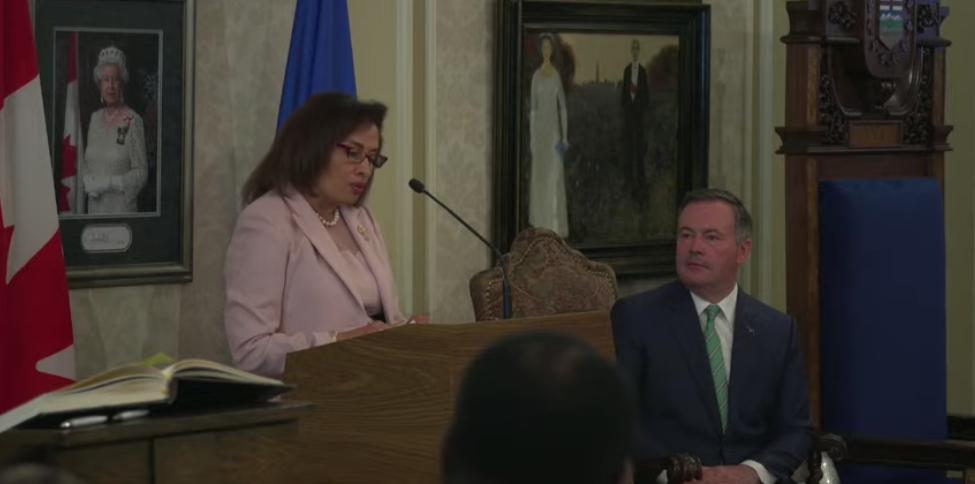
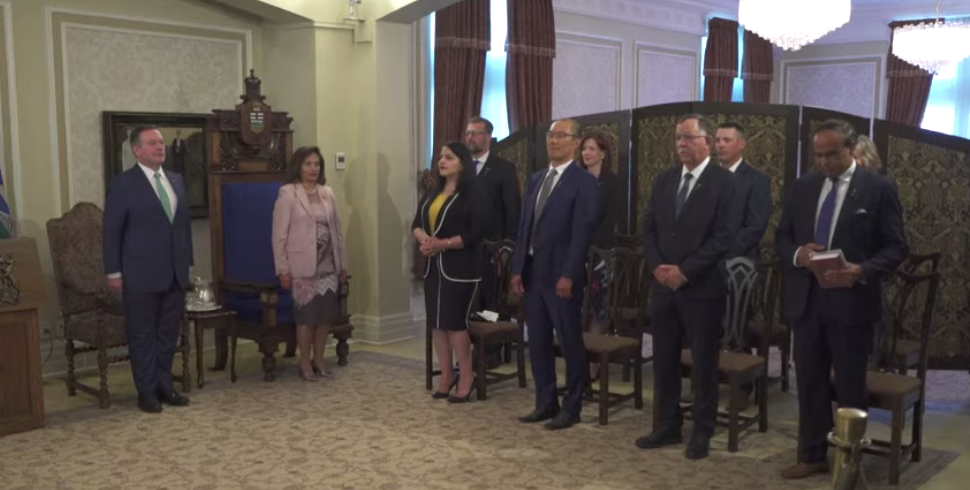
Premier Jason Kenney, Lieutenant Governor Salma Lakhani and the new cohort of cabinet ministers.

Shuffled around …

Jason Luan, MLA Calgary-Foothills, is moved from Associate Minister of Additions and Mental Health to become Minister of Community and Social Services. Luan served as MLA for Calgary-Hawkwood from 2012 until his defeat in the 2015 election to NDP candidate Michael Connolly. Luan returned to the Legislature in 2019.

Ric McIver, MLA Calgary-Hays, keeps his role as Minister of Municipal Affairs but loses his dual role of Minister of Transportation. McIver took over Municipal Affairs when former minister Tracy Allard was removed from cabinet following her COVID rule breaking hot holiday to Hawaii in December 2020. McIver was first elected as a PC MLA in 2012 and previously served as an alderman on Calgary City Council from 2001 to 2010.

Rajan Sawhney, MLA Calgary-North East, leaves her current role as Minister of Community and Social Services to become Minister of Transportation. Sawhney is seen by many political insiders as an up and comer in the UCP cabinet.

Muhammad Yaseen, MLA Calgary-North, leaves his role as Parliamentary Secretary for Immigration to become the Associate Minister of Immigration and Multiculturalism reporting to Minister of Labour and Immigration Jason Copping. Yasseen is a former president of the Pakistan Canada Association of Calgary and was first elected as an MLA in 2019.

New in cabinet…

Mike Ellis, MLA Calgary-West, leaves his role as UCP Caucus Whip to become Associate Minister of Mental Health and Addictions. Ellis was first elected in a 2014 by-election and was only one of a handful of PC MLAs re-elected in 2015.

Nate Horner, MLA Drumheller-Stettler, becomes Associate Minister of Rural Economic Development reporting to Minister of Jobs, Economy and Innovation Doug Schweitzer. Horner is the grandson of former Member of Parliament Jack Horner and the cousin of former deputy premier Doug Horner.

Whitney Issik, MLA for Calgary-Glenmore, becomes the Associate Minister of Status of Women reporting to newly appointed Minister of Culture and Status of Women Ron Orr. Issik will also serve as UCP Whip. She was first elected in 2019 and was a longtime PC Party volunteer, serving as campaign manager for Jim Prentice during his brief run for the federal PC Party nomination in Calgary-Southwest in 2002, as a constituency assistant to former Calgary-Mountain View MLA Mark Hlady, and as policy co-chair of the federal PC Party during the 2000 federal election.

Ron Orr, MLA Lacombe-Ponoka, becomes Minister of Culture. Orr once declared that legalizing cannabis would spark a communist revolution and he wrote on Facebook in May 2021 that Kenney was raised by God to be leader of Alberta and public health restrictions are just as bad as getting COVID. Before his election as a Wildrose MLA in 2015 he worked as a Baptist Minister in Alberta and British Columbia.

Back in cabinet is Tanya Fir, MLA Calgary-Peigan, as Associate Minister of Red Tape Reduction. Fir was surprisingly dropped from her role as Minister of Economic Development, Trade and Tourism in August 2020. Fir was one of the UCP MLAs caught travelling on a hot holiday in December 2020, breaking the government’s public health restrictions.

Out of cabinet…

Leela Aheer, MLA Chestermere-Strathmore and UCP Deputy Leader, has lost her cabinet role as Minister of Culture and Status of Women. Her departure from cabinet is probably retribution for her publicly calling on Kenney to apologize after he and other senior cabinet ministers were caught breaking the government’s COVID-19 restrictions by holding a boozy dinner party on the balcony of the Sky Palace. Aheer also criticized Kenney for his tone-deaf defence of Sir John A Macdonald following the discovery of unmarked graves of children at former Indian Residential School sites.

Grant Hunter, MLA Taber-Warner, loses his position as Associate Minister of Red Tape Reduction. Hunter is currently on a province-wide ministerial tour of northeast Alberta with Justice Minister Kaycee Madu and Infrastructure Minister Prasad Panda. Hunter was the only cabinet minister from south of Calgary.

Other non-cabinet changes today included:

Joseph Schow, MLA Cardston-Siksika, the current the deputy government whip becomes deputy government house leader. Brad Rutherford, MLA Leduc-Beaumont, becomes deputy government whip.

After 6 months without a permanent Chief of Staff, Premier Kenney has named his Deputy Chief of Staff Pam Livingston to the role. Livingston started working in the Premier’s Office in January 2021 after the resignation of Jamie Huckabay, who was caught in the international holiday scandal.

Interim Chief of Staff Larry Kaumeyer returns to his previous role as Principal Secretary in the Premier’s Office.

Categories
Alberta Politics

Yeehaw! Alberta is lifting restrictions and opening for a one-dose summer

“Opening for summer” was Premier Jason Kenney’s new tagline as he announced that by July the provincial government will mount a quick retreat from the public health restrictions implemented to stop the spread of COVID-19. 

Jason Kenney

It is a bizarre whiplash from a week ago when Alberta was leading North America for active cases of COVID-19 and Intensive Care Units were starting to overflow (there are still 150 COVID patients in ICU beds in Alberta). But consistency has never been Kenney’s style during the pandemic and his decision to rush the removal of restrictions likely being driven by his need to score political points and save job as leader of the United Conservative Party.

The three stage plan appears to be planned around the start of the Ponoka Stampede and the Calgary Stampede, two of the largest public events in an Alberta summer.

It has been a long 15 months since the pandemic began, so it is hard not to be cautiously optimistic that the plan will work. But, like many of Kenney’s plans, it seems to be driven by political expediency rather than the vigilance our leaders probably should embrace to defeat this virus.

Alberta’s public health restrictions have been mild compared with most other provinces in Canada and jurisdictions abroad. Coffee shops and grocery stores have remained open, as have religious services (with lower attendance rates), and even the Legislative Assembly continued to meet in-person until last week. It even took a while for the government to be convinced that casinos should be closed.

Rachel Notley

Proactive measures have not been a distinguishing feature of Kenney’s response to COVID-19.

UCP staffers have been jubilantly tweeting that Albertans “crushed the spike,” referring to the third wave that peaked at more than 26,000 active cases, but it was only after weeks of delays and ignoring the pleas of medical professionals that the Kenney government implemented the measures that “crushed” the third wave of COVID-19 in Alberta.

Only a week before Kenney implemented the current public health measures, he was complaining to the media that restrictions don’t work because people don’t listen to them, despite the third wave that happened after the previous health measures were prematurely lifted in February 2021. 

The decline in active cases since the new public health measures were put in place suggests the restrictions did work.

A growing number of Albertans are getting injected with their first dose of COVID-19 vaccines and there are still questions about how many Albertans will have received a second dose of the vaccine by the time Kenney rips the bandaid off in July.

Despite conservative partisans criticizing Prime Minister Justin Trudeau for using the term “one-dose summer,” it would appear that a one-dose is enough for the UCP government to remove all public health restrictions.

There is also growing concern about how effective one dose of vaccine is in protecting people from the B.1.617.2 variant (the “India variant”), which is the source of a third wave in the United Kingdom.

New Democratic Party leader Rachel Notley is urging caution and raising questions about the speed the restrictions will be lifted, which is a fair criticism. In typical fashion, Kenney responded with a partisan barb, accusing the NDP of being anti-vaxxers. All NDP MLAs have confirmed they have received their first vaccination, something not all UCP MLAs have confirmed doing.

A lot of Albertans, myself included, are hoping that the removal of restrictions will work and we can put COVID-19 behind us. It would be nice to have a summer not constrained by even mild public health restrictions. It would be nice for the pandemic to be over. We will find out by the fall whether the Kenney government jumped the gun in removing restrictions too soon.


Hinman only candidate in Wildrose Independence Party leadership vote

Paul Hinman Wildrose Independence Party MLA
Paul Hinman

Former Wildrose Party MLA Paul Hinman is the only candidate to enter the Wildrose Independence Party leadership race. A vote of the separatist party’s membership will be held on August 28, 2021 to confirm his leadership.

Hinman represented the Alberta Alliance and Wildrose Alliance parties as the MLA for Cardston-Taber-Warner from 2004 to 2008 and the Wildrose Party as the MLA for Calgary-Glenmore from 2009 to 2012. He led the Wildrose Alliance in the 2008 election.

Hinman is the grandson of Social Credit MLA and cabinet minister Edgar Hinman.


NDP to hold nomination meeting in Calgary-Varsity on June 26

Luanne Metz Calgary-Varsity NDP
Luanne Metz

The Alberta NDP will hold the first nomination meeting of the 2023 election cycle on June 26, 2021 in Calgary-Varisty. Prominent physician Dr. Luanne Metz is expected to be acclaimed as candidate.

The northwest Calgary district is a key target riding for the NDP in the next election and was narrowly won by UCP MLA Jason Copping in 2019.

Categories
Alberta Politics

Duncan Kinney running for Senate, Paul Hinman running for Wildrose Independence Party leadership

Progress Alberta executive director Duncan Kinney is the first candidate to file his papers with Elections Alberta to run in Alberta’s Senate Nominee Election, which is taking place on the same day as the municipal elections on October 18, 2021.

A well-known online provocateur and progressive activist, Kinney is listed as an Independent candidate in a contest where candidates can choose to have their federal party affiliations listed next to their name on the ballot.

Reached for comment, Kinney said he plans to be the only Senate candidate that wants to abolish the Senate.

“I’ll be working with my team to actually build a campaign website and a platform for this incredibly important and serious election very soon,” Kinney said, who also hosts the Progress Report Podcast.

Alberta is the only province to have held Senate Nominee elections and this will be Alberta’s fifth such election since 1989.


Paul Hinman running for Wildrose Independence Party leadership

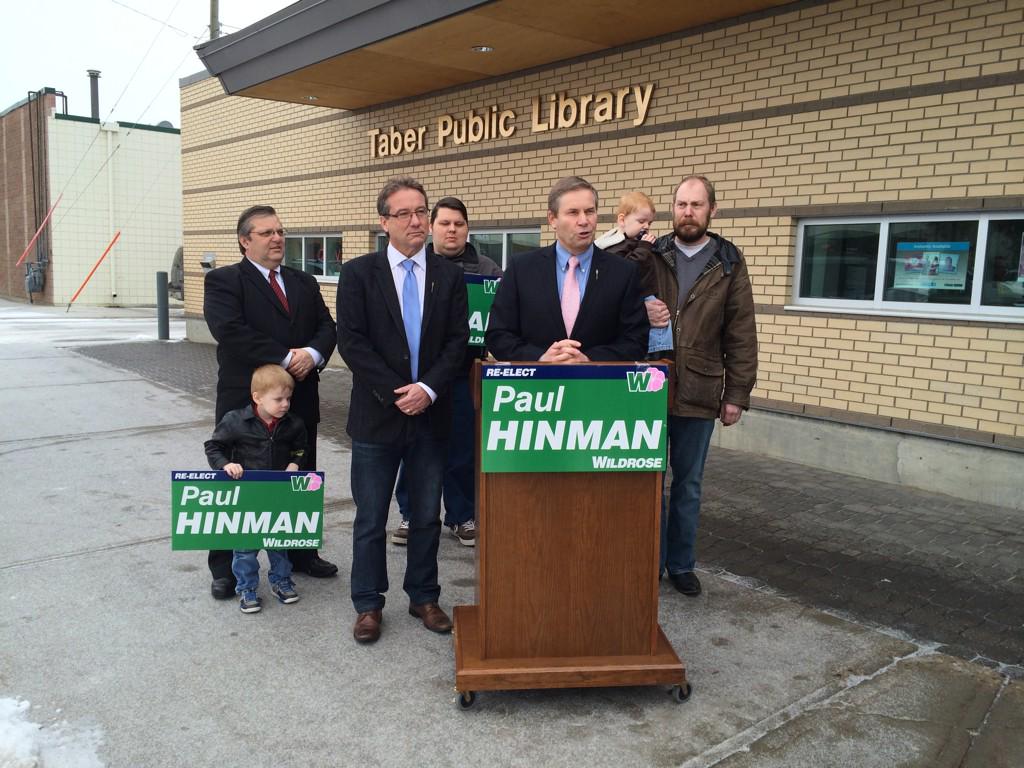
Drew Barnes stands at Paul Hinman's side as he announced his bid to once again run for the Wildrose nomination in Cardston-Taber-Warner in 2015.
Paul Hinman announces his bid to once again run for the Wildrose nomination in Cardston-Taber-Warner in 2015.

Paul Hinman has launched his campaign for the leadership of the Wildrose Independence Party.

The former leader of the Alberta Alliance Party and Wildrose Alliance Party has presumably resigned as interim leader of the newly renamed party, a position to which he was appointed in July 2020 after the Freedom Conservative Party and the Wexit Alberta group merged in June 2020.

As well as supporting Alberta’s separation from Canada, Hinman’s campaign focuses on opposing the mild public health restrictions put in place to slow the spread of the global COVID-19 pandemic. His social media posts frequently promote right-wing online conspiracy theories about the pandemic.

Hinman is a standard bearer in right-wing politics in Alberta, having served as the Alberta Alliance MLA for Cardston-Taber-Warner from 2005 to 2008 and the Wildrose Alliance MLA for Calgary-Glenmore from 2009 to 2012. He was leader of the Alberta Alliance and Wildrose Alliance from 2005 to 2009 and briefly ran for the United Conservative Party leadership in 2017 before dropping out and endorsing Jason Kenney.

He also made unsuccessful bids for the Wildrose nomination in Cardston-Taber-Warner in 2015 and the federal Conservative nomination in Medicine Hat-Cardston-Warner in 2016.

Nominations for the Wildrose Independence Party leadership will close on May 14, 2021 and the date of the leadership vote is scheduled for Aug. 28, 2021.

Another right-wing separatist party, the Independence Party of Alberta has also opened up its leadership race, with a leadership vote scheduled for Sept. 28, 2021.

Categories
Alberta Politics

On the outside looking in: smaller parties seeking new leaders

Going into the last election there were five parties represented in Alberta’s Legislative Assembly, but on election night in April 2019 the two main political parties dominated and the smaller parties failed to elect any candidates. Since then Alberta’s smaller parties have been struggling for attention as they search for new people to lead them into the 2023 election.

The Green Party of Alberta was the first to choose a new leader, with Jordan Wilkie being selected in a March 2020 leadership vote. And it now looks like there will be at least two smaller parties holding leadership races and competing for attention in this very busy political year.

Alberta Party seeks new leader

The Alberta Party has announced its plans to kick off a leadership race on May 25, 2021. Candidate nominations will close August 31 and the Leadership will be held on October 23, 2021, one week after the municipal elections.

Interim leader Jacquie Fenske, a former Progressive Conservative MLA, has served in the role since Feb. 2020, filling the position vacated by former leader Stephen Mandel, also a former PC MLA, in June 2019. No candidates have yet to declare their plans to run for the party leadership.

The Alberta Party elected one MLA, Greg Clark in Calgary-Elbow, in 2015 and grew its caucus to 3 MLAs by 2019 after floor crossings from the Alberta NDP and United Conservative Party. The Alberta Party tripped its popular vote to 9 per cent in 2019 but failed to elect any candidates to the Legislative Assembly.

Liberal Party names interim leader

Lawyer and longtime party loyalist John Roggeveen has stepped up to fill the role of interim leader of the Alberta Liberal Party until the party can select a permanent leader at a future date.

John Roggeveen has served on the party’s executive and was a candidate in Calgary-Shaw in 2004, 2008 and 2012, Calgary-Elbow in 2015 and Calgary-Fish Creek in 2019.

Roggeveen fills the role made vacant after David Khan’s resignation in November 2020. Khan is now the Senior Staff Lawyer at EcoJustice.

The party has not yet announced the dates for a leadership race.

The Liberal Party formed Official Opposition in Alberta between 1993 and 2012. The 2019 election marked the first time since the 1982 election that the Liberals failed to elect an MLA to the Legislative Assembly.

Separatist parties seek new leaders

The separatist Wildrose Independent Party will open nominations for its leadership race on April 2 and kick off its leadership race on June 5. Voting for the party’s new leader will take place on Aug. 28, 2021.

Former Alberta Alliance leader and Wildrose MLA Paul Hinman has served as interim leader since last summer. Hinman served as MLA for Cardston-Taber-Warner from 2004 to 2008 and Calgary-Glenmore from 2009 to 2012.

No candidates have declared their plans to run as of yet, but at the party’s recent annual general meeting former Wildrose Party organizer Rick Northey was elected president, former PC Party candidate Gurcharan Garcha was selected as Edmonton Director, and former Conservative Member of Parliament Rob Anders was selected as a Director-at-Large.

Meanwhile, former Wexit spokesperson Peter Downing, who stepped down when that organization folded into the Freedom Conservative Party to form the Wildrose Independence Party in June 2020, now appears to have joined another separatist party. According to the Independence Party of Alberta website, Downing is now serving as its Public Safety Critic.

The Independence Party of Alberta is also currently without a permanent leader, as is the separatist Alberta Advantage Party.

Categories
Alberta Politics Daveberta Podcast

Episode 63: Defending Alberta Parks and the COVID emergency

Annalise Klingbeil joins the Daveberta Podcast to discuss the latest developments in United Conservative Party government’s plans to close and privatize more than 160 provincial parks and recreation areas. We also discuss the mixed-messaging about COVID-19 from Premier Jason Kenney and his cabinet ministers as the second wave of the pandemic surges in Alberta. And we share some ideas about how the government could improve its COVID-19 communications.

Annalise is co-founder of Champion Communications & PR. She previously worked as a ministerial press secretary and before that she was a journalist at the Calgary Herald. She is also the co-founder of the Go Outside newsletter.

The Daveberta Podcast is hosted by Dave Cournoyer and produced by Adam Rozenhart.

The Daveberta Podcast is a member of the Alberta Podcast Network: Locally grown. Community supported. The Alberta Podcast Network includes dozens of great made-in-Alberta podcasts.

You can listen and subscribe to the Daveberta Podcast on Apple Podcasts, Google Play, Spotify, Stitcher, or wherever you find podcasts online. We love feedback from our listeners, so let us know what you think of this episode and leave a review where you download.

Find us on Twitter, Instagram, Facebook, or you can email us at podcast@daveberta.ca. Thanks for listening.

Recommended Reading/Listening

Categories
Alberta Politics

Nick Taylor was a giant in Alberta politics

He was never Premier of Alberta or even Leader of the Official Opposition, but Nick Taylor was a giant in Alberta politics nonetheless. The quick-witted oilman-turned-politican with swept-back silver hair and a droopy moustache was a fixture on the political scene for more than three decades and was probably one of the most persistent and determined politicians in our province’s recent history.

Taylor passed away last Saturday at the Peter Lougheed Centre in Calgary at the age of 92.

The Liberal Party’s voice in the wilderness

Nick Taylor Calgary-Centre Liberal candidate 1968 election Canada
A campaign poster from Nick Taylor’s campaign in Calgary-Centre in 1968.

Beginning his political career as a Liberal Party activist, with a stint as a trustee on the Calgary Separate School Board and a bid for City Council in 1964, Taylor made his first foray into federal electoral politics in 1968, nearly winning a seat in the House of Commons in the original Trudeaumania. He finished 301 votes behind long-time Progressive Conservative Douglas Harkness in Calgary-Centre. He placed further back in a second attempt in the 1972 election, but that was only the start of his political career.

Taylor jumped into provincial politics in 1974, defeating Edmontonian John Borger to win the leadership of the seatless Alberta Liberal Party. The party had been without an MLA in the Legislature since MLA Bill Dickie crossed the floor to join the Lougheed PC’s in 1969 (Taylor was Dickie’s campaign manager when he was first elected to the Assembly in 1963).

Appreciating some of the frustration expressed by some Albertans with the federal government at the time, Taylor told the Globe & Mail that Robert Stanfield‘s Tories might win the 1974 election. “Then,” he said, “I’m rid of the albatross of having to explain every asinine move Ottawa makes.”

Pierre Trudeau‘s Liberal government was narrowly re-elected.

Nick Taylor Trudeaumania Dynamiters Calgary-Centre 1968 Election
Nick Taylor and the Dynamiters (aka TNT – “Try Nick Taylor”) during the 1968 election in Calgary Centre.

But despite this comment, Taylor remained a Liberal Party stalwart and a fiercely pro-Canadian voice during the height of the separatist fervour that hit the Prairies in the 1970s and 1980s.

The new leader ran unsuccessfully in Dickie’s former Calgary-Glenmore riding in 1975 and 1979 before heading north of Edmonton to run in a by-election in the Barrhead stronghold of retiring Deputy Premier Hugh Horner. To the surprised of almost everyone, he finished just 350 votes behind rookie PC candidate Ken Kowalski.

Nick Taylor election campaign committee room Alberta Liberal Party
Nick Taylor, centre, stands with a crowd of supporters at his campaign headquarters.

Similar to his near-win in 1968, Taylor’s second attempt in Barrhead in 1982 was not as successful. Asked what he would have done if he had emerged victorious from beneath the Lougheed juggernaut, Taylor is quoted as saying he would “have demanded a recount.”

His rivalry with Kowalski became legendary in Alberta politics.

One story, whether it is true or not, took place at the grand opening of the Swan Hills Waste Treatment Centre. The local PC MLA proudly sat on the hood of the first truck as it rolled in to the facility. Taylor was in the crowd watching and yelled “here comes the first load!” leading to the crowd to burst into laughter.

His next attempt at elected office four years later in the newly redrawn neighbouring Westlock-Sturgeon riding paid off. Taylor was elected by 474 votes in 1986 and became the rarest of Alberta political species – a Liberal MLA from rural Alberta.

He led the Liberals to reenter the Legislative Assembly in that election, forming a caucus of four with Calgary-Buffalo MLA Sheldon Chumir, Edmonton-Gold Bar MLA Bettie Hewes, and Edmonton-Meadowlark MLA Grant Mitchell. The Liberal Party’s reappearance in the Assembly came just a few years after the National Energy Program mythically destroyed the province’s oil industry. 

Nick Taylor and Pierre Trudeau in Calgary Alberta Liberal Party election
Nick Taylor (right) on stage with Prime Minister Pierre Trudeau (left).

As an opposition MLA, Taylor brought his quick-witted and clever retorts to the floor of the Assembly.

As columnist Don Martin wrote in 2002, “[h]is most endearing incarnation was as a feisty Alberta MLA whose decade of deadly zingers triggered a no-laugh order from two premiers, forcing many a Conservative MLA to guffaw below their desk to avoid detection from ministers reeling under his verbal fire.”

After describing then-Forestry minister Ty Lund as “one of the finest examples of a Victorian environment minister I’ve ever met,” Taylor stung him with a nickname that stuck for years: Forest Stump.

He also legendarily got the word “cowbell” banned from being used in the Assembly after describing a group of PC backbenchers as having the “longest tongues and emptiest heads” in the building.

Nick Taylor Alberta Liberal Party leader
Nick Taylor poses with the local PC Party candidate.

“His wit made him very engaging and a great deal of fun to work with, but he was so much more than that. The nature of his wit was an indicator of his intelligence,” Mitchell, who served as party leader from 1994 to 1998, told Postmedia this week.

But 29 months after he became the first Liberal leader elected to the Assembly since 1968, he faced a leadership challenge that ended in 1989 with Edmonton mayor Laurence Decore becoming leader.

While trying to fight off his challengers during the bitter leadership race, Taylor described Decore as “Don Getty with glasses,” a clever quip and a gift to Decore’s political opponents that would periodically surface over the coming years.

When the leadership votes were counted, Decore captured 801 votes of the 1,444 cast, eclipsing Mitchell, who placed second with 385. Taylor, who led the party for the previous 14 years, finished a distant third with 259 votes.

Taylor had been usurped from the leadership but he remained an MLA for the next eight years, being re-elected by a similar margin of victory in Westlock-Sturgeon in 1989. 

But though he was no longer leader, the PC’s still desperately wanted to rid themselves of his quick-witted criticism and uncanny ability to embarrass the government in the Assembly.

Getty kicked off the PC Party’s provincial election campaign in Westlock in 1989, and a committee of PC MLAs drastically redrew his riding in 1993 so that he would have to run for re-election against incumbent PC MLA Steve Zarusky.

Nick Taylor (right) talks with a cowboy.

Taylor beat Zarusky by more than 1,500 votes in the new Redwater riding and joined by 31 other Liberals in the Assembly as the party formed Official Opposition for the first time since the 1960s.

As the mid-1990s approached, it was rumoured that Prime Minister Jean Chretien would appoint Taylor to the Lieutenant Governor’s post, but in the end it was a seat in Canada’s Senate that awaited him – a reward for his decades of public service and steadfast loyalty to the Liberal Party in the face of insurmountable opposition.

Nick Taylor and Jean Chretien Alberta Liberal Party
Nick Taylor and Jean Chretien (left).

He served as a Senator for Alberta from 1996 to 2002, choosing Bon Accord and Sturgeon as his Senatorial constituency.

Taylor remained a generous donor to the Alberta Liberal Party and was frequently seen at party fundraising events in Calgary. In his endorsement of current Liberal Party leader David Khan in 2017, he wrote “As a past leader of the Alberta Liberal Party, I learned how important it was to tackle the issue facing Albertans with integrity and compassion. The people of this province depend on you to stand up for their best interests.”

Since he left to take up his Senate seat in Ottawa in 1996 there has not been anyone able to match his quick-witted humour and stinging retorts in Alberta politics or in the Assembly.

Nick Taylor Alberta Liberal Party convention
Nick Taylor at the Alberta Liberal Party convention in 1990.
Categories
Alberta Politics

Paul Hinman is back, again, maybe! Former Wildrose leader to lead new Wildrose separatist party.

Alberta’s oldest newly rebranded separatist party has a new interim leader, maybe.

Paul Hinman leader of the Wildrose Independence Separatist Party
The tweet from the Wildrose Independence Party announcing Paul Hinman as its interim leader.

A now deleted tweet from the newly renamed Wildrose Independence Party announced that former Wildrose Alliance leader Paul Hinman is the new interim leader of the party. Unless the party’s account was hacked, it would appear that Hinman is launching another attempt at a political comeback.

The press release included with the now deleted tweet said that Hinman would speak to his new role at this week’s Freedom Talk “Firewall Plus” conference, a pro-separatist event organized by former Wildrose candidate and right-wing online radio show host Danny Hozak that features speakers including former arch-Conservative MP Rob Anders, conservative lawyer John Carpay, Postmedia columnist John Robson, and federal Conservative leadership candidate Derek Sloan.

The newly renamed party is a merger of the separatist Wexit group and the Freedom Conservative Party, which since 1999 has been known at various times as the Alberta First Party, the Separation Party, and the Western Freedom Party. The party’s most recent name was adopted when banished United Conservative Party MLA Derek Fildebrandt became leader shortly before the 2019 election.

The name change does not appear to have been approved by Elections Alberta, which still lists the party under its most recent previous name on its official website. But it was reported last week that former Wildrose activist and FCP candidate Rick Northey was the party’s new president. Former Social Credit leader James Albers is also on the party’s executive.

The oldest newest separatist party on Alberta’s right-wing fringe should not be confused with the also recently renamed Independence Party of Alberta (formerly known as the Alberta Independence Party and now led by past UCP nomination candidate Dave Campbell), the Alberta Advantage Party (led by former Alberta Alliance Party president Marilyn Burns), and the unregistered Alberta Freedom Alliance (led by former Wildrose Party candidate Sharon Maclise).

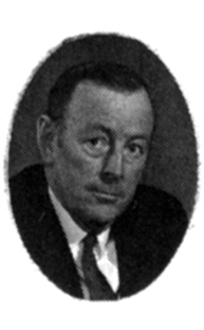
Edgar Hinman
Edgar Hinman

The United Independence Party name was also recently reserved with Elections Alberta, presumably by another former Wildrose candidate trying to start another new separatist party.

But back to the new interim leader of the new separatist Wildrose party…

The grandson of former Social Credit MLA and cabinet minister Edgar Hinman, Paul Hinman’s first foray into provincial electoral politics saw him elected in Cardston-Taber-Warner as the lone Alberta Alliance MLA in the 2004 election. Hinman inherited the leadership of the tiny right-wing party when Randy Thorsteinson (who had previously helped found the Alberta First Party) failed to win his election in Innisfail-Sylvan Lake. He endorsed Progressive Conservative leadership candidate Ted Morton in 2006 and led the party through an eventual split and re-merger with a faction branding itself as the Wildrose Party – and thus the Wildrose Alliance was formed. 

Hinman lost his seat in the 2008 election in a rematch with former PC MLA Broyce Jacobs. He announced plans to step down as leader shortly afterward and then surprised political watchers when he won a 2009 by-election in posh Calgary-Glenmore, pumping some momentum behind Danielle Smith when she won the party’s leadership race a few months later.

Danielle Smith Alberta Wildrose
Danielle Smith with Wildrose MLA’s Paul Hinman, Heather Forsyth, and Rob Anderson in 2010.

In 2010, Hinman was joined by floor crossing PC MLAs Heather Forsyth, Guy Boutilier, and Rob Anderson (who four years later crossed the floor back to the PC Party and now hosts a Facebook video show where he promotes Alberta separatism), but, despite the party’s electoral breakthrough in 2012, Hinman was again unable to get re-elected.

Drew Barnes stands at Paul Hinman's side as he announced his bid to once again run for the Wildrose nomination in Cardston-Taber-Warner in 2015.
Drew Barnes stands at Paul Hinman’s side as he announced his bid to once again run for the Wildrose nomination in Cardston-Taber-Warner in 2015.

He endorsed Brian Jean for the Wildrose Party leadership in 2015 and announced his candidacy to seek the Wildrose nomination back in his old Cardston-Taber-Warner district in that year’s election but withdrew from the race a month later. Standing by Hinman’s side at this nomination launch was Cypress-Medicine Hat MLA Drew Barnes, now de facto leader of the UCP separatist caucus.

A year later he mounted an unsuccessful bid for the Conservative Party nomination in Medicine Hat-Cardston-Warner in 2016 but was defeated by now Member of Parliament Glen Motz.

More recently, Hinman launched a brief bid for the UCP leadership in 2017, announcing a campaign focused on parental rights and conscience rights, but when the Sept 2017 deadline to deposit the $57,500 candidate fee passed, he did not make the cut. Hinman later endorsed Jason Kenney‘s candidacy.

Paul Hinman endorsed Jason Kenney in the 2017 UCP leadership contest.

Now he might be taking over the interim leadership of the fledgeling fringe separatist party at a time when public opinion polls show that Albertans’ appetite for leaving Canada is cooling as memory of the 2019 federal election fades. If historic trends hold, then the desire for separatism will drop if it looks like the next federal Conservative Party leader can form a government in Ottawa.

Separatism is ever-present on the fringes of Alberta politics and is more of a situational tendency than a real political movement with legs but a half-organized separatist party could syphon votes away from the UCP in the next provincial election.

And with next October’s Senate nominee election likely to be a showdown between candidates aligned with the federal Conservative Party led by whoever wins this summer’s leadership race and the federal Wexit Party led by former Conservative MP Jay Hill, expect the UCP to be paying a lot of attention to these fringe separatist groups sniping at its right-flank.

If he actually does become the leader of the oldest newest separatist party, Hinman will provide some profile and credibility in political circles where conservatives are perpetually disgruntled with New Democratic Party leader Rachel Notley and Prime Minister Justin Trudeau, and newly disgruntled with Premier Kenney, presumably for not pushing hard enough for Alberta’s separation from Canada.

Categories
Alberta Politics

Trudeau campaigns with Sohi in Edmonton-Mill Woods, Conservatives fill a full slate of candidates in Alberta

With less than 100 days until Canada’s federal election, the political parties are continuing to nominate candidates in Alberta ahead of the October 21, 2019 vote. The Conservative Party has now nominated candidates in all of the province’s 34 electoral districts, and other main parties, the Liberal Party, New Democratic Party, and Green Party are slowly beginning to fill their slates. The right-wing People’s Party of Canada has chosen candidates in all of the province’s federal electoral districts.

And here are some of the latest updates to this list of candidates nominated and running for nominations ahead of the October 2019 federal election:

Battle River-Crowfoot: Damien Kurek defeated former Ontario MP Jeff Watson and teacher Jefferson McClung to win the Conservative Party nomination in the sprawling east central rural Alberta district of Battle River-Crowfoot. Kurek works as a constituency assistant in retiring MP Kevin Sorenson‘s office and previously worked as a researcher for the Saskatchewan Party Caucus in Regina. Previous to this bid, Watson served as the Conservative MP for Essex from 2004 to 2015 before moving to Alberta and running for the United Conservative Party nomination in Calgary-Peigan in 2018.

Calgary-Confederation: Jordan Stein defeated Todd Kathol and Larry Ottewell to secure the Liberal Party nomination in Calgary-Confederation. Stein was the provincial NDP candidate in Calgary-Glenmore in the recent provincial election where she earned 32 percent of the vote and placed second behind UCP candidate Whitney Issik. Calgary-Confederation was the home of the Liberal Party’s highest vote total in the 2015 federal election, with then-candidate Matt Grant earning 29,083 votes to Conservative candidate Len Webber’s 30,669 votes.

Calgary-Forest Lawn: William Carnegie has been nominated as the Green Party candidate in this east Calgary district. Carnegie is the president of the Forest Lawn Community Association and ran for the provincial Green Party in 2019 in Calgary-East, earning 2.3 percent of the vote.

Edmonton-Centre: Katherine Swampy is expected to be nominated as the NDP candidate in Edmonton-Centre on July 22, 2019. Swampy is a councillor with the Samson Cree Nation, member of the board of directors for Peace Hills Trust, and previously ran for the NDP in the 2015 provincial election in Drayton Valley-Devon and the 2015 federal election in Battle River-Crowfoot. She endorsed Niki Ashton in the federal NDP’s 2017 leadership race.

Edmonton-Greisbach: Well-known youth worker and social advocate Mark Cherrington and business-owner Victoria Stevens are seeking the NDP nomination in this east Edmonton district. The NDP had their second strongest showing in Alberta in this district in 2015, with Janis Irwin earning 34 percent to Conservative candidate Kerry Diotte‘s 39 percent. Irwin was elected as the MLA for Edmonton-Highlands-Norwood in the 2019 provincial election.

Brian Gold has announced his plan to seek the yet to be scheduled Liberal Party nomination in this district. Gold earned 21.6 percent of the vote as  the Liberal Party candidate in Edmonton-Greisbach in 2015, and he later earned 12 percent of the vote in the 2017 Sturgeon River-Parkland by-election.

Edmonton-Mill Woods: Prime Minister Justin Trudeau was in Edmonton last week to speak at the nomination meeting acclaiming MP Amarjeet Sohi as the Liberal Party candidate in the upcoming election. Sohi was first elected in 2015 and currently serves as Minister of Natural Resources. Before his jump into federal politics, Sohi served on Edmonton City Council from 2007 to 2015.

NDP organizer Nigel Logan seeking his party’s in Edmonton-Mill Woods at a meeting expected to be held on July 24, 2019. Logan was a candidate for Edmonton City Council in Ward 12 during the 2017 municipal election, where he earned 11.4 percent of the vote. Logan currently works as a constituency assistant to Edmonton-Strathcona NDP MP Linda Duncan.

The previous NDP candidate in this district, Jasvir Deol, was elected as the NDP MLA for Edmonton-Meadows in April 2015.

Edmonton-Strathcona: Sam Lilly defeated Julia Bareman to secure the Conservative Party nomination. Lilly was endorsed by Diotte and former Edmonton-Gold Bar MLA David Dorward. Activist and owner of the Earth’s General Store Michael Kalmanovitch has been nominated as the Green Party candidate.

This south central Edmonton district has been represented by NDP MP Linda Duncan since 2008. Duncan is not seeking re-election.

Lethbridge: Shandi Bleiken defeated Sheldon Krul to win the NDP nomination in this southern Alberta district. Bleiken is a community activist and former president of OUTreach Southern Alberta. The NDP candidate in the 2015 federal election placed second with 20.5 percent of the vote.

Banff-Airdrie: Jaro Giesbrecht has announced his intention to seek the Liberal Party nomination in Banff-Airdrie, which has not yet been scheduled. Giesbrecht recently ran for the provincial Liberal Party in Calgary-Peigan, earning 1.9 percent of the vote.

Peace River-Westlock: Julie Asterisk and Peter Nygaard are seeking the Green Party nomination in this north west Alberta district, scheduled for August 3.

Asterisk works in communications and fund development with the Keepers of the Athabasca organization and was the program coordinator with the Slave Lake Native Friendship Centre. She was the Green candidate in Fort McMurray-Athabasca in the 2011 election, where she earned 4.5 percent of the vote.

Nygaard is owner and operator of a plumbing and gas fitting business in Joussar. He and his wife, Shahla, wrote the book Decade of Discovery which chronicles their decade-long bike trip through Europe, Asia, Africa, the Middle East and South America.

Please contact me at david.cournoyer@gmail.com for additions or updates related to candidate nominations in Alberta and I will add them to the list.


Daveberta on the CBC Pollcast

I was thrilled to join Eric Grenier on the CBC Pollcast podcast this week to discuss Alberta’s political landscape ahead of the October 2019 federal election, with a specific focus on Calgary-Centre, Calgary-Confederation, Calgary-Skyview, Edmonton-Centre, Edmonton-Greisbach, Edmonton-Mill Woods, and Edmonton-Strathcona.

Categories
Alberta Politics

Federal candidate nominations slow to start in Alberta ahead of October 2019 election

With the October 2019 federal election fast approaching, it is time to turn my attention to federal candidate nominations in Alberta. I have started a list of candidates who are nominated or running for federal party nominations in Alberta, so please feel free to send me any additions to the list.

Here is a quick look at the state of federal nominations in Alberta:

Julia Bareman Edmonton Strathcona Conservative
Julia Bareman

The dominant Conservative Party, which elected Members of Parliament in 29 of Alberta’s 34 seats in the House of Commons, has nominated candidates in all but two electoral districts in the province.

All of the incumbent Conservative MPs in Alberta were acclaimed for their nominations and there are only two open nominations remaining in the province. The nomination contest between in Battle River-Crowfoot was the topic of my previous post and the other outstanding contest is in Edmonton-Strathcona, where Julia Bareman and Sam Lilly are seeking the Conservative nomination.

Edmonton-Strathcona is the only electoral district where the federal New Democratic Party has nominated candidate in Alberta, with Heather McPherson narrowly defeating Paige Gorsak in November 2018. The district has been represented by NDP MP Linda Duncan since 2008 and the party is expected to face a very tough challenge to hold the seat again in 2019.

The NDP have scheduled a nomination contest in Lethbridge, with Shandi Bleiken expected to be acclaimed.

Heather McPherson NDP Edmonton Strathcona
Heather McPherson

Two former federal NDP candidates from the 2015 election were elected as MLAs in the recent provincial election. Newly elected Edmonton-Highlands-Norwood MLA Janis Irwin and Edmonton-Meadows MLA Jasvir Deol were both candidates for the federal NDP in the 2015 election.

It is believed that the federal NDP, as well as the federal Liberals, held off holding nomination contests in Alberta until after the election due to the divided loyalties of their supporters and activists on the provincial level. Many supporters of the federal Liberals in Alberta openly supported Rachel Notley‘s NDP, with others divided between the Alberta Party and the provincial Liberal Party.

At least one former provincial NDP candidate wants to be a federal Liberal candidate in October. Jordan Stein ran for the Alberta NDP in Calgary-Glenmore and is now seeking the federal Liberal nomination in Calgary-Confederation. Stein defeated incumbent MLA Anam Kazim to secure the NDP nomination in the district and earned 32 percent of the vote in the April 2019 election.

Jordan Stein Liberal Calgary Confederation
Jordan Stein

In a note on her Facebook page, Stein lists a number of reasons for her decision to seek the federal Liberal nomination, including climate change. “The climate is indifferent to our partisanship, it’s indifferent to our opinions but it’s effects can be mitigated by the action we take today,” Stein wrote.

The Liberals did not win Calgary-Confederation in the 2015 election, but their candidate in that year’s vote, Matt Grant, earned the most total votes of any Liberal candidate in Alberta. Stein will face Todd Kathol and Larry Ottewell for the nomination in this district.

The Liberals have nominated MP Kent Hehr in Calgary-Centre, MP Randy Boissonnault in Edmonton-Centre, MP Amarjeet Sohi in Edmonton-Mill Woods, and candidates Eleanor Olszewski in Edmonton-Strathcona, Kerrie Johnston in Edmonton-West, and Amy Bronson in Lethbridge.

The Green Party has nominated Austin Mullins in Banff-Airdrie, Grad Murray in Edmonton-Centre, Valerie Kennedy in Edmonton-Riverbend, Thana Boonlert in Calgary-Centre, Natalie Odd in Calgary-Confederation, and Catriona Wright in Calgary-Rocky Ridge.

Categories
Alberta Politics

Big Day in Beddington: UCP drop Randy Kerr over Callaway donation, Alberta Party MLA Karen McPherson decides not to run for re-election

United Conservative Party executive director Janice Harrington released a statement this evening announcing that Randy Kerr has been removed as the party’s candidate in the new Calgary-Beddington district. Here is an excerpt from Harrington’s statement:

Calgary-Beddington Alberta Map
Calgary-Beddington (Click to enlarge)

“Effective immediately, Mr. Randy Kerr has been removed as the UCP’s candidate in the constituency of Calgary-Beddington.

“In the last 48-hours, new information has come to our attention indicating Mr. Kerr was not forthright in responding to the Party’s inquiries regarding his financial contribution to the Jeff Callaway Leadership campaign.”

“To be clear, the Party is not making any allegations against Mr. Kerr regarding the legitimacy of his contribution to the Callaway Leadership, not against Mr. Callaway or his Campaign. This is not the Party’s rule to judge, and the Party does not in any way oversee financial contributions to leadership campaigns.

“However, it is our conclusion that Mr. Kerr was not sufficiently forthcoming with the Party’s earlier inquiries, and for that, he has been removed as a candidate.

“The Party has also proactively provided this new information to the appropriate office – that of the Elections Commissioner. Given that the matter is now with the Commissioner, it is inappropriate for us to comment further.

Josephine Pon United Conservative Party Calgary Beddington
Josephine Pon

According to Elections Alberta financial disclosures, Kerr donated $4,000 to Callaway’s leadership campaign in 2017. The disclosure was released months ago, so it is unclear what Harrington meant when she wrote that “Mr. Kerr was not forthright in responding to the Party’s inquiries regarding his financial contribution to the Jeff Callaway Leadership campaign.”

Kerr’s removal as a candidate comes on the same day it was revealed a lawyer representing the UCP sent a cease and desist letter to Independent MLA Prab Gill, who has been at the forefront of accusations of misconduct and alleged illegal activities that took place during the UCP leadership contest in 2017.

Earlier this week, UCP staffer posted a creepy video online of Gill meeting with an NDP staffer in an apparent attempt to discredit him. Kenney later accused the NDP of “working in secret” and “conspiring” with Gill to attack the UCP.

The Elections Commissioner is said to be investigating allegations that UCP leadership candidate Jeff Callaway was running a “kamikaze mission” backed by Kenney’s campaign in order to damage the chances of former Wildrose Party leader Brian Jean winning the vote.

Harrington also announced that the UCP has appointed Josephine Pon as their candidate in this district. Pon had been defeated by Kerr in the August 2018 nomination contest.

Alberta Party MLAs Greg Clark, Karen McPherson and Rick Fraser.

Meanwhile, Karen McPherson, one of three Alberta Party MLAs in the Legislative Assembly, announced on social media today that she has decided against running for re-election when the provincial election is called.

McPherson had already been nominated to run as the Alberta Party candidate in Calgary-Beddington, which replaces much of her the Calgary-Mackay-Nose Hill district she currently represents. She was first elected as an New Democratic Party MLA in 2015 in, unseating Progressive Conservative MLA Neil Brown, and left the NDP in 2017 to sit as an Independent and later joined the Alberta Party caucus.

The NDP have nominated Amanda Chapman as its candidate in Calgary-Beddington.

Non-Beddington related news

The Alberta Party has announced two new nominated candidates: Wayne Rufiange in Athabasca-Barrhead-Westlock and Jason Beekman in Taber-Warner. Rufiange recently sought the Alberta Party nomination in Morinville-St. Albert, but was defeated by Neil Korotash. Rufiange is principal of R.F. Staples Secondary School in Westlock.

The Liberals have nominated a handful of new candidates: Robin Macintosh in Calgary-Elbow, Michael Macdonald in Calgary-Klein, and Wilson McCutchan in Calgary-Lougheed. McCutchan was the Liberal Party candidate in Calgary-West in the 2012 election, where he earned 7.4 per cent of the vote. And Shirley Ksienski has replaced previously nominated candidate Rork Hilford in Calgary-Glenmore.

The Green Party has announced Brian Deheer will be that party’s candidate in the new Fort McMurray-Lac La Biche district. Deheer was a candidate for the leadership of the party in 2017 and 2018, and in the 2015 election had the party’s strongest showing in Lac La Biche-St. Paul-Two Hills, where he earned 2.8 percent of the vote. He was the federal Green candidate in the 2014 Fort McMurray-Athabasca by-election and in Fort McMurray-Cold Lake during the 2015 federal general election. He most recently ran in the Fort McMurray-Conklin by-election, where he earned 0.72 percent of the vote.

Four more candidates affiliated with the Alberta Independence Party have filed their papers to run as Independent candidates: John Morton in Edmonton-City Centre, Kenneth Morrice in Calgary-Hays, Todd Wayne in Edmonton-Castle Downs and Ben Maddison in Lethbridge-West.

Currently operating as an unregistered political party, Alberta Independence Party will need 44 candidates approved by Elections Alberta in order to gain official party status in the upcoming election.

If you know any candidates who have announced their intentions to stand for party nominations, please send me an email at david.cournoyer@gmail.com. I will add them to the list. Thank you!

Categories
Alberta Politics

Jason Kenney fumbles Len Rhodes’ appointment, and NDP MLA loses nomination in Edmonton-Meadows

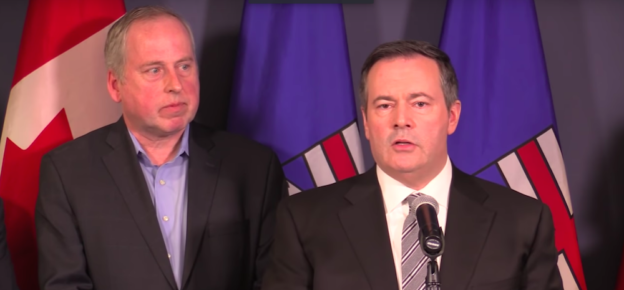
Photo: Appointed UCP candidate Len Rhodes and UCP leader Jason Kenney (source: YouTube).

The fallout from Jason Kenney’s decision to appoint former Edmonton Eskimos President and CEO Len Rhodes as the United Conservative Party candidate in Edmonton-Meadows continues.

As mentioned in the latest episode of the Daveberta Podcast, some members of the local UCP board of directors are up in arms about Kenney’s claim that they were consulted with and asked for Rhodes to be appointed as the candidate. Some of the disgruntled board members are said to be collecting signatures for a letter disputing Kenney’s claims, and that more than a dozen local directors have signed the letter.

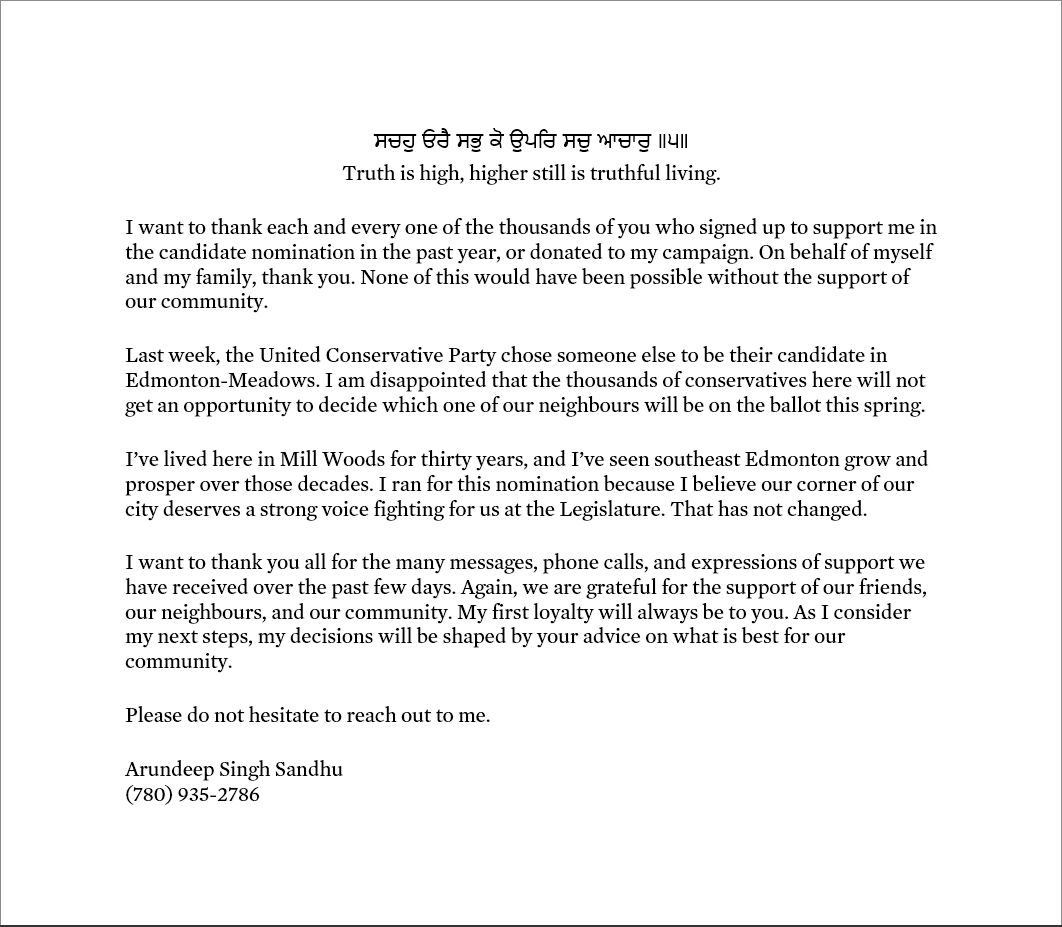
Letter from Arundeep Sandhu to UCP supporters Edmonton Meadows
Letter from Arundeep Sandhu to UCP supporters Edmonton Meadows (Click to enlarge)

Rhodes’ surprise appointment last week eliminated three candidates – Arundeep Sandhu, Joel Mullen and Sant Sharma – who had been selling party memberships and door-knocking to compete for the UCP nomination for up to twelve months.

Arundeep Sandhu released a letter on social media today expressing his disappointment in the decision and thanking his supporters. It was a classy letter, but it certainly did not include the “let’s all get behind the appointed candidate” message that Kenney and Rhodes were likely looking for. 

Meanwhile, more than 400 New Democratic Party members voted to choose Jasvir Deol as their candidate in Edmonton-Meadows. Deol defeated Chand Gul and MLA Denise Woollard, who had been elected to represent Edmonton-Mill Creek in 2015. 

Jasvir Deol Alberta NDP Edmonton Meadows
Jasvir Deol

Deol was the NDP candidate in the 2015 federal election in the Edmonton-Mill Woods district, where he earned 12.7 per cent of the vote in the contest against Liberal Amarjeet Sohi and Conservative Tim Uppal. 

Woollard is the third NDP MLA to be challenged and defeated in a nomination contest. MLA Trevor Horne was defeated by MLA Marie Renaud in St. Albert and Jordan Stein defeated MLA Anam Kazim in Calgary-Glenmore. 

Peace River NDP MLA Debbie Jabbour is facing a nomination challenge from Justin Sharpe at a meeting scheduled to take place on February 28, 2019.

The NDP also nominated three other candidates this past weekend:

  • MD of Ranchlands Reeve Cameron Gardner has been nominated as the NDP candidate in Livingstone-Macleod.
  • Former Taber town councillor and past president of the Alberta Library Trustees Association Laura Ross-Giroux has been nominated as the NDP candidate in the southern Alberta district of Taber-Warner.
  • Crown prosecutor Moira Vane is the NDP candidate in Strathcona-Sherwood Park.

An NDP nomination meeting in West Yellowhead that was originally scheduled for this past weekend appears to have been rescheduled to March 9, 2019.

Dr. Esther Tailfeathers is seeking the NDP nomination in Cardston-Siksika. Dr. Tailfeathers is a Physician at the Blood Tribe Clinic at Standoff and a Clinical Lecturer in the Faculty of Medicine and Dentistry at the University of Alberta.

Melissa Langmaid has announced plans to seek the NDP nomination in Chestermere-Strathmore. Langmaid is an Environmental Advisor with AltaLink and a unit coordinator with the United Utility Workers’ Association. 

Holly Heffernan is seeking the NDP nomination in Drumheller-Stettler. Heffernan is a retired Registered Nurse and long-time NDP activist, having run numerous times for the NDP in both provincial and federal elections in Calgary.

UCP set Red Deer-South nomination vote for March 16

Adele Poratto Red Deer South United Conservative Party Alberta
Adele Poratto

The elusive mystery star candidate is nowhere to be seen, but the UCP has moved ahead with the party’s nomination vote in Red Deer-South anyway. Party members will choose from the Bruce Buruma, Gary Davidson, Adele Poratto, Jason Stephan, and Norman Wiebe on March 16, 2019.

Buruma is Director of Community Relations for  Red Deer Public School District and Executive Director of the Foundation for Red Deer Public Schools. Davidson is Chief of Emergency Medicine for Alberta Health Services’ Central Zone. Poratto is a decorator and event planner, and ran for the PC Party nomination in the district ahead of the 2008 election. Stephan is a lawyer and president of the Red Deer Taxpayers’ Association. And Wiebe was the Wildrose Party candidate in this district in the 2015 election, earning 24 percent of the vote behind NDP candidate Barb Miller and PC candidate Darcy Mykytyshyn.

Davidson’s wife, Pamela Davidson, sought the UCP Central Alberta Director election at the party’s 2018 annual general meeting and previously ran against Christine Moore in the Red Deer County Division 6 election in 2017. Moore ran unsuccessfully for the UCP nomination in Innisfail-Sylvan Lake ahead of the 2018 by-election and as the Progressive Conservative candidate in Red Deer-North in the 2015 election. 

The UCP has also opened nomination contests in Edmonton-Ellerslie, Edmonton-Highlands-Norwood, and Edmonton-MIll Woods. 

Rebel Strankman running as Independent

Rick Strankman Alberta United Conservative Drumheller Stettler MLA
Rick Strankman

Former UCP MLA Rick Strankman has announced his plans to run for re-election as an Independent candidate in Drumheller-Stettler. Strankman was elected as a Wildrose MLA in 2012 and 2015 and left the UCP caucus on January 15, 2019 following his loss of the party’s nomination to rancher Nate Horner in October 2018.

“After nearly seven years as an MLA shackled with Party-first priorities, it is clear that Alberta’s party system of government has stripped effective representation and across-the-board best interests from Alberta’s citizens,” wrote Strankman in a media release posted on this website. “Running for election and winning office as an Independent will enable me to restore the priorities of all Drumheller Stettler citizens to the front lines of the Legislature and advance their priorities for resurrecting Alberta’s prosperity.” he said.

Former MLA Ian Donovan is running as an Independent in the new Cardston-Siksika district. Donovan was first elected as a Wildrose MLA in Little Bow in 2012 and crossed the floor to the PC Party in 2014. He was narrowly defeated in the 2015 election, finishing 12 votes behind Wildrose candidate David Schneider.

With Schneider declining to seek re-election, Donovan supported past Christian Heritage candidate Marc Slingerland in the UCP nomination contest against eventual winner Joseph Schow. Donovan later announced he was quitting the UCP, citing a dictatorship-like control of the party by Kenney.

Mandel awaits fate as 2 Alberta Party candidates back on the ballot 

The Court of Queen’s Bench has waived the 5-year ban on Alberta Party candidates Moe Rahall in Edmonton-Castle Downs and Diana Ly in Edmonton-Gold Bar, who will now be allowed to run in the 2019 election. Party leader Stephen Mandel and four other Alberta Party candidates still await their fate as the court has yet to remove their bans. 

Swann staffer runs for the Green Party

Janice Fraser is running for the Green Party in Calgary-McCall. Fraser is currently the office manager for Calgary-Mountain View Liberal MLA David Swann, who is retiring after four-terms in the Legislature. Swann’s other constituency office staffer, Joshua Codd, is the nominated Liberal Party candidate in Calgary-Currie.

Jane Drummond is running for the Green Party in Rimbey-Rocky Mountain House-Sundre. Drummond is the editor of the Nordegg Squeek and has served as an Alberta Hiking Association member representing Terra Firma Nordegg Hiking.

Meanwhile, Chris Glassford has been nominated as the Alberta Advantage Party candidate in Sherwood Park and Mark Gregor has been nominated in Drayton Valley-Devon.

If you know any candidates who have announced their intentions to stand for party nominations, please send me an email at david.cournoyer@gmail.com. I will add them to the list. Thank you!

Categories
Alberta Politics

Mid-Week Alberta Nomination Candidate Updates

Here are the latest updates to the list of candidates running in Alberta’s next provincial election:

Alberta NDP

The New Democratic Party has recently nominated ministerial press secretary and former CBC reporter John Archer in Edmonton-South West, retired teacher and political columnist Peter Mueller in Cypress-Medicine Hat and Gulshan Akter in Calgary-West.

The NDP has also announced additional series nomination meetings.

– Laura Ross-Giroux will seek the NDP nomination in Taber-Warner at a candidate selection meeting on Feb. 23, 2019. Ross-Giroux was elected as a town councillor in Taber from 2013 to 2017 and served as President of the Alberta Library Trustees Association from 2014 to 2018 and chairperson of the Chinook Arch Regional Library System from 2010 to 2017.

– NDP MLA Eric Rosendahl is seeking his party’s nomination in West Yellowhead at a candidate selection meeting scheduled for Feb. 24, 2019. Rosendahl was first elected in 2015 with 39 percent of the vote and, if nominated, will seek re-election in a district that has been drastically enlarged to include the area surrounding the Town of Whitecourt.

– Doug Hart, a Registered Nurse from Ponoka, will seek the NDP nomination in Lacombe-Ponoka. Hart was the NDP candidate in this district in 2012 and in 2015, when he earned 30.1 percent of the vote. He also ran for the NDP in the Ponoka-Rimbey district in the 1989 and 1993 election and against Conservative MP Blaine Calkins in Red Deer-Lacombe in the 2015 federal election. A nomination meeting has been scheduled for Feb. 27, 2019.

– Justin Sharpe will seek the NDP nomination in Peace River at a meeting scheduled for Feb. 28, 2019. The district is currently represented by NDP MLA Debbie Jabbour, who has not yet announced whether she plans to seek re-election.

A nomination meeting has been scheduled by the NDP in Cardston-Siksika on Feb. 26, 2019.

United Conservative Party

Muhammad Yaseen defeated Devin Green, Tanis Fiss, Paul Frank, and Jun Lin, to secure the United Conservative Party nomination in Calgary-North. Yaseen if a former president of the Pakistan Canada Association of Calgary and former president of the Calgary-Northern Hills Progressive Conservative association.

Nathan Neudorf defeated Robin James, Bryan Litchfield, Kimberly Lyall and Angela Zuba to win the UCP nomination in Lethbridge-East.

Neudorf re-entered the UCP nomination contest in this district in December 2018 after dropping out to run for the UCP nomination in the Livingstone-Macleod district located west of Lethbridge, but was unsuccessful in that contest. He was endorsed by Roger Reid, UCP Candidate for Livingstone-Macleod, and local Conservative MP Rachael Harder. 

Rajesh Arora is seeking the UCP nomination in Edmonton-Ellerslie. The party has also finally opened the nomination process in the Red Deer-South district.

Alberta Party

The Alberta Party announced that it has selected candidates Braham Luddu in Calgary-Cross Zac Rhodenizer in Lethbridge-West. The party’s Calgary-Lougheed candidate, Rachel Timmermans, who was one of 6 candidates deemed ineligible to run in the next election, issued a statement announcing that she has retained legal counsel and plans to “apply for relief from the Court of Queen’s Bench.”

Freedom Conservative Party

Cam Khan has been nominated as the Freedom Conservative Party candidate in Calgary-North West, where he unsuccessfully mounted a campaign for the UCP nomination in August 2018 but was defeated by nominee Sonya Savage. Following the UCP nomination contest, he ran for a position on the Alberta Party board of directors at that party’s 2018 annual general meeting. He also ran for Calgary City Council in the 2017 municipal election.

The FCP also nominated Matthew Morrisey in Airdrie-Cochrane and Malcolm Stinson in Fort Saskatchewan-Vegreville.

Liberal Party

Rork Hillford is seeking the Liberal Party nomination in Calgary-Glenmore.

Green Party

Carl Svoboda is seeking the Green Party nomination in Calgary-Edgemont. Svoboda previously ran in Calgary-Varsity as the Evergreen Party candidate in the 2012 election and the Green Party candidate in the 2015 election. The candidate selection deadline is Feb. 13, 2019.

Alberta Advantage Party

The right-wing Alberta Advantage Party has nominated Chris Poplatek in Edmonton-Highlands-Norwood, Gordon Perrot in Edmonton-McClung, Donald Petruka in St. Albert, and Donald Melanson in Strathcona-Sherwood Park.


If you know any candidates who have announced their intentions to stand for party nominations, please send me an email at david.cournoyer@gmail.com. I will add them to the list. Thank you!