Categories
Daveberta Podcast

Episode 43: The UCP’s pick-a-fight budget

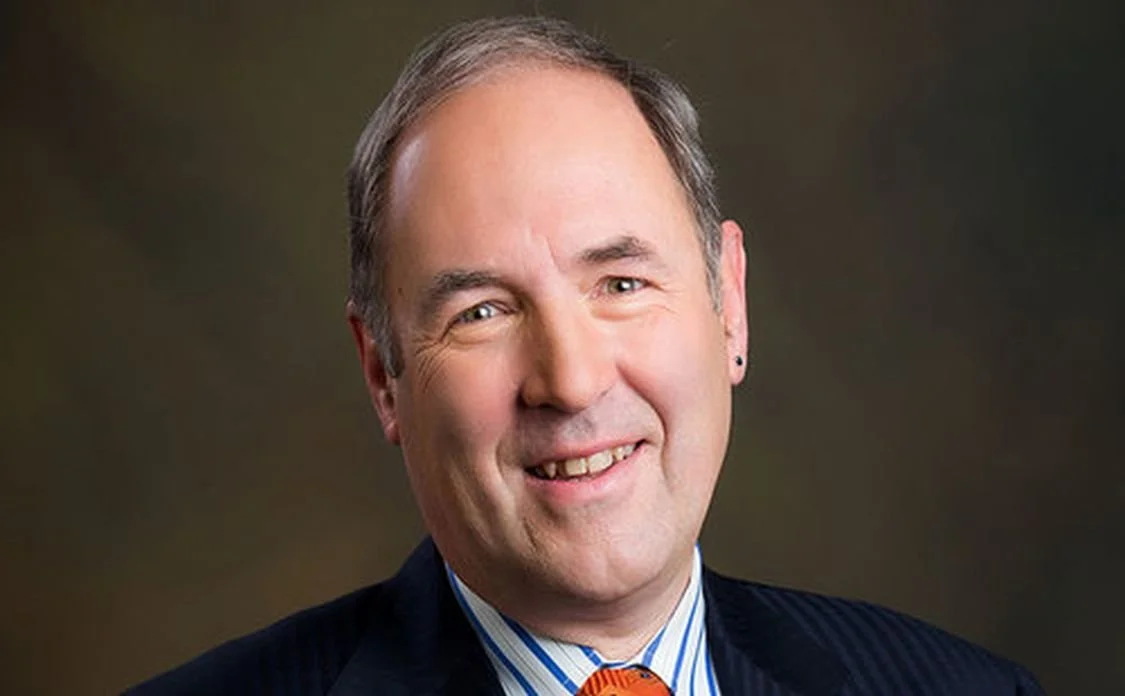
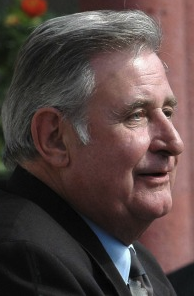
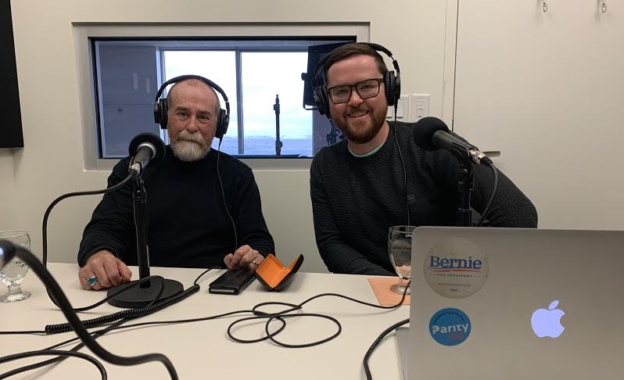
David Climenhaga from AlbertaPolitics.ca joins Dave and Adam on this episode of the Daveberta Podcast to discuss the cuts in Alberta’s provincial budget and the United Conservative Party’s growing list of public enemies, the federal election fallout in Alberta, and how the mainstream media is reporting on the Wexit group and Alberta separatism.

The Daveberta Podcast is a member of the Alberta Podcast Network, powered by ATB. The Alberta Podcast Network includes more than 30 great made-in-Alberta podcasts,

You can listen and subscribe to the Daveberta Podcast on Apple PodcastsGoogle PlaySpotifyStitcher, or wherever you find podcasts online. We always love to feedback from our listeners, so let us know what you think of this episode and leave a review where you download.

Send us your feedback, or ask us any questions you have for our next episode. You contact us on TwitterInstagram, the Daveberta Facebook page, or you can email us at podcast@daveberta.ca.

Thanks for listening!

Categories
Alberta Politics

Alberta is blue, but what else is new?

The results across Canada were a mixed colour of red, orange, green, blue, and bleu as Prime Minister Justin Trudeau is returning to Ottawa to form a new Liberal minority government. But the results in Alberta were anything but mixed.

The Conservative Party earned 69.2 percent of the total vote in Alberta in Monday’s federal election, which is 3 percent higher than the party’s previous high-water mark of 66.8 in Alberta in the 2011 federal election.

It is no surprise that the vast majority of Albertans voted Conservative and that nearly all of the province’s elected Members of Parliament are also Conservative. This has happened in virtually every election since I was born, and about 25 years before that too.

Conservative candidates were elected or re-elected in most ridings in ranges from 70 percent to over 80 percent. It appears that Battle River-Crowfoot remains the strongest Conservative voting riding in Canada, with 85 percent of voters in that riding supporting the Conservatives.

Conservatives also dominated in Alberta’s two largest cities, earning 69 percent in Calgary, and 63 percent of the vote in Edmonton, which voted overwhelmingly for the Alberta NDP in the recent provincial election.

The Conservative Party and its predecessor parties have dominated Alberta for decades, and the Conservative have represented the majority of Alberta’s federal ridings since 1958, and have held all of the province’s seats from 1972 to 1977, 1977 to 1988 and 2006 to 2008.

This election has once again reminded Canadians of the regional divides in our country but it should also not be a surprise. Regional division is a feature of Canadian politics and our First Past the Post electoral system exaggerates these divides.

NDP hold Strathcona

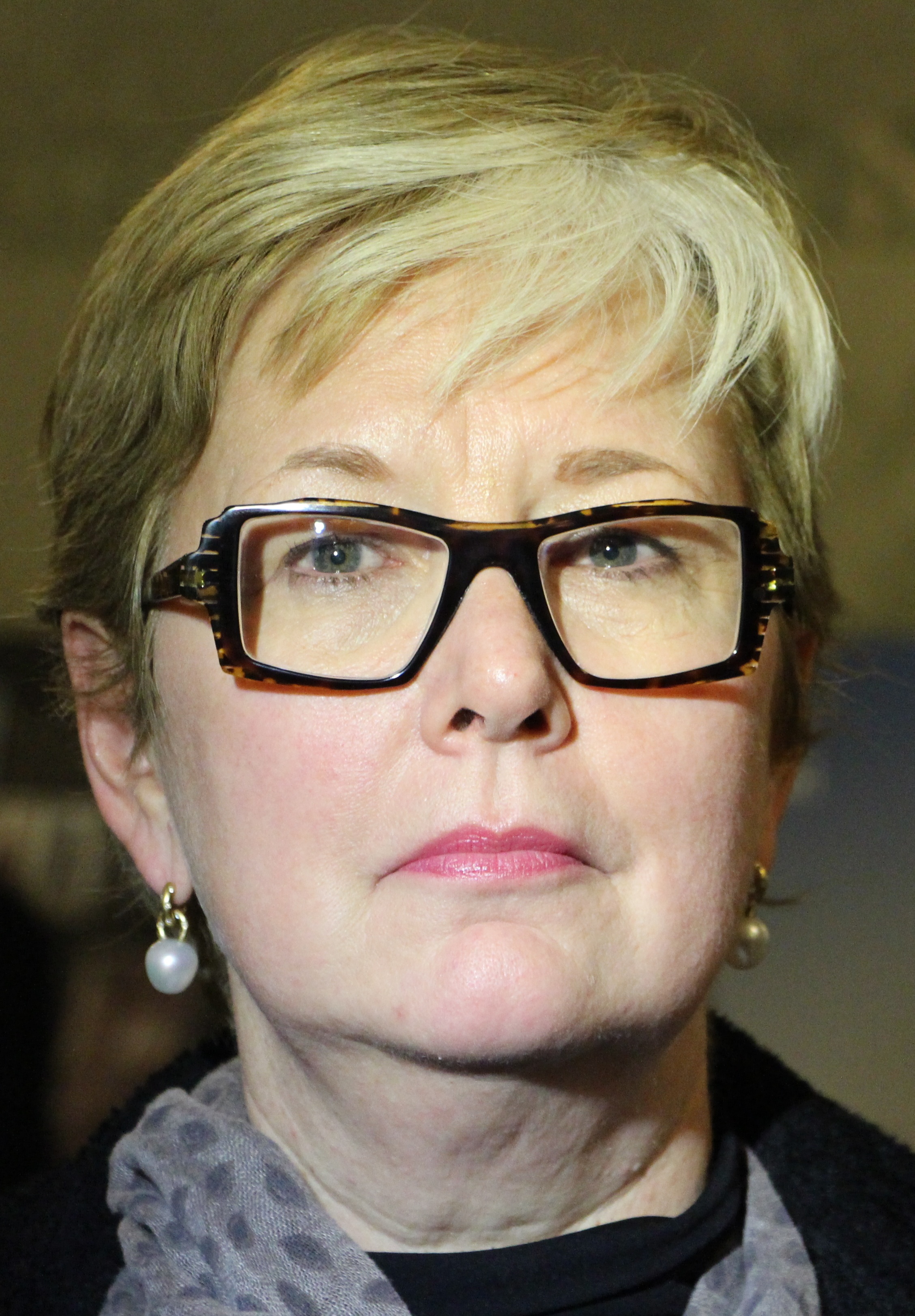
Heather McPherson NDP Edmonton Strathcona
Heather McPherson

New Democratic Party candidate Heather McPherson was elected in Edmonton-Strathcona, making her the only non-Conservative MP in Alberta and the only woman elected in the Edmonton area serving in the House of Commons.

While the NDP convincingly held off Conservative challenger Conservative Sam Lilly and Liberal Eleanor Olszewski, this election further exposed fractures between the provincial and federal NDP in Alberta.

McPherson’s opponents delighted in a decision by Rachel Notley to withhold her endorsement of McPherson until days before election day but it appears to have had no impact on the results in the riding. McPherson finished with 47 percent of the vote, four points ahead of now-former MP Linda Duncan‘s results from 2015.

Liberals lost.

Amarjeet Sohi Edmonton
Amarjeet Sohi

Liberal MP and Minister of Natural Resources Amarjeet Sohi was defeated by Conservative Tim Uppal in Edmonton-Mill Woods, Randy Boissonnault was defeated by Conservative James Cumming in Edmonton-Centre, and Kent Hehr was defeated by Greg McLean in Calgary-Centre, leaving the Liberals with no seats in the House of Commons from Alberta, and likely no representation in the new federal cabinet from Alberta.

The Liberals saw their province-wide vote total in Alberta cut to 13.7 percent, down from 24.6 percent in 2015. The personal unpopularity of Trudeau in Alberta, fuelled by angst and frustration with the current economic situation and the consistently low international price of oil, made it very unlikely that the Liberals would do well in Alberta in 2019.

Despite Sohi’s loss in Monday’s election, the congenial and personally popular politician is frequently named as a potential candidate for Edmonton’s 2021 mayoral election if Don Iveson decides not to seek re-election.

What could a Liberal minority government mean for Albertans?

The prospect of the Liberal minority government influenced by the NDP and Greens could lead to the introduction of new national programs that will benefit Albertans – including universal pharmacare and dental care, and expanded childcare coverage – and the prospect of real electoral reform that could ease some of the rigid political divides we saw in Monday’s election.

Trudeau announced today that his government plans to move ahead with the construction of the Trans Mountain Pipeline Expansion Project, despite delays caused by court challenges from First Nations communities. Because the construction of the pipeline project does not require any votes of Parliament, the minority situation is not likely to impact the construction of the project.

Oil pipeline aside, the Liberals are expected to push forward on their climate change plans, including the introduction of a federal carbon tax in Alberta next year. In what could be a sign of changing times, New Brunswick’s Progressive Conservative Premier Blaine Higgs announced his plans to create a provincial carbon tax, dropping his opposition the federal carbon tax.

Kenney still campaigning…

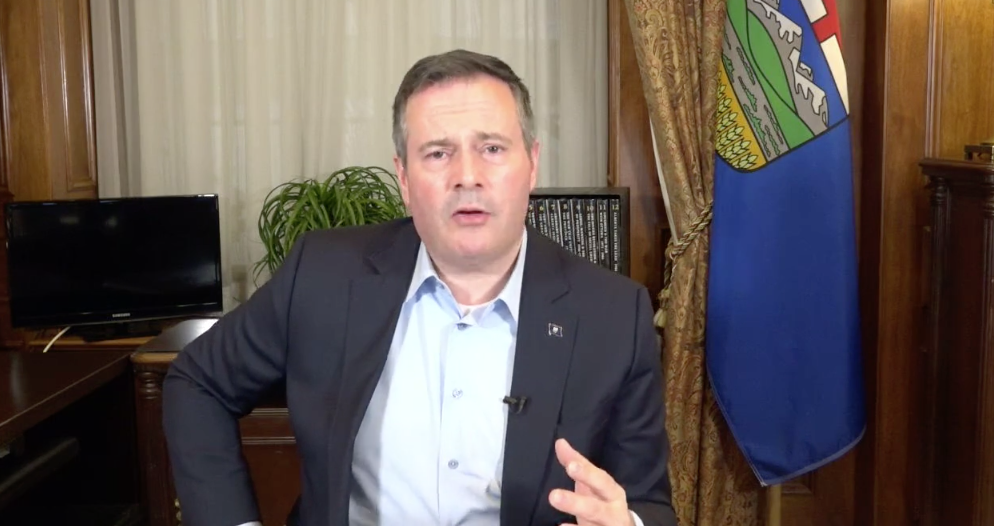
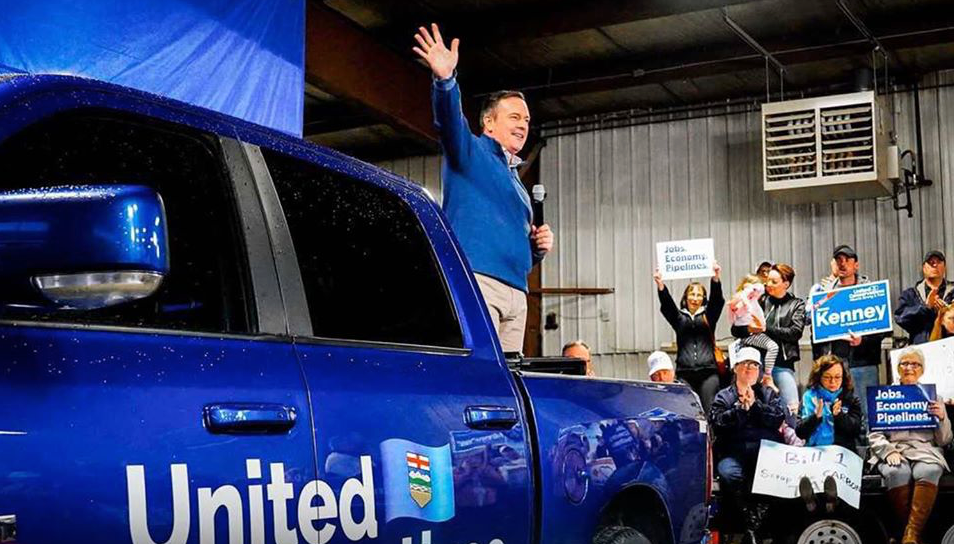
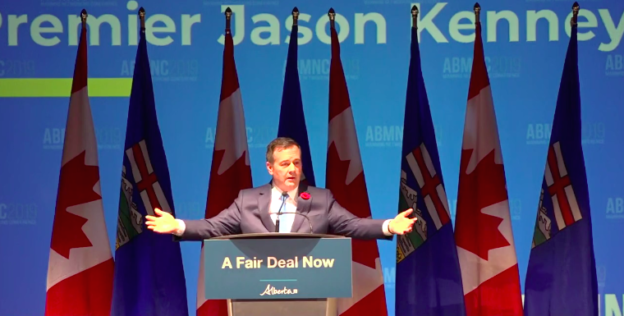
Alberta Premier Jason Kenney is showing no sign he plans to end his campaign against Trudeau, announcing this week that he has sent a letter to the prime minister outlining the Alberta government’s demands, including a plan for a resource corridor and changes to the equalization formula (none of which Trudeau campaigned for ahead of Monday’s election).

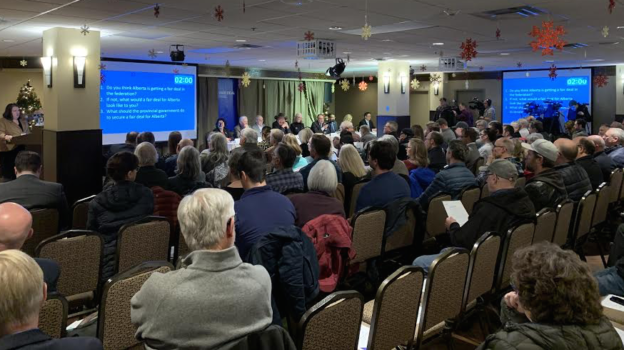
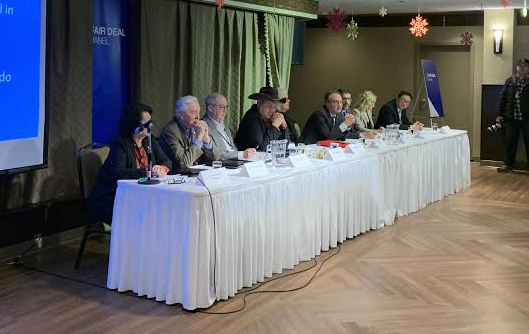
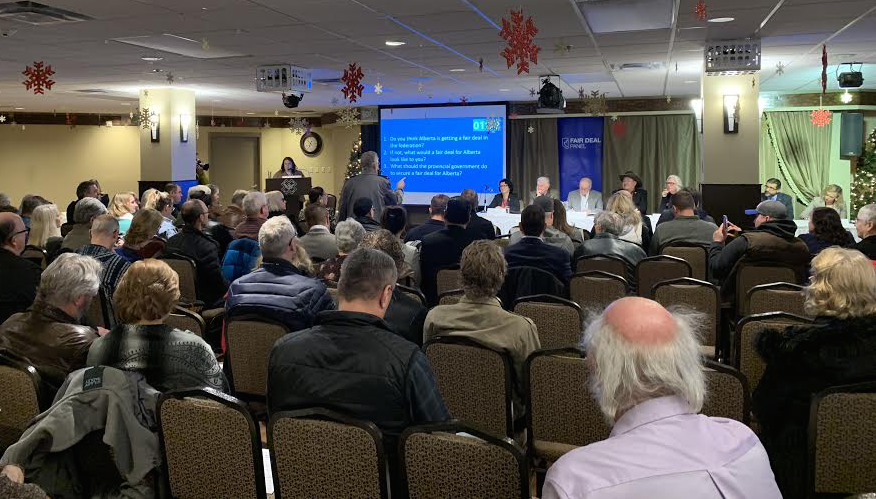
Kenney has announced plans to hold a series of town hall meetings to gauge voter frustration following the federal election. This could be similar to the MLA Committee on Alberta’s Role in Confederation created by Ralph Klein and chaired by Edmonton MLA Ian McClelland in 2004, which travelled the province to gauge support for the Firewall manifesto (the committee’s final report rejected most of the manifesto’s proposals).

The town halls are both a relief valve and a steering wheel that allows people to vent their frustrations while allowing Kenney, as Klein would say, to try to keep ahead of the crowd.

Former Alberta MLA defeated in BC

Former Alberta MLA Alana DeLong was defeated in Cowichan-Malahat-Langford, finishing second with 25% behind NDP MP Alistair MacGregor. DeLong served as the Progressive Conservative MLA for Calgary-Bow from 2001 to 2015. She ran for the BC Liberals in the 2017 provincial election on Vancouver Island as well.

Is Alberta separatism on the rise? No.

The results in Alberta and bot-driven promotion of the #wexit hashtag on Twitter have fuelled a surge of media interest of Alberta separatism, an idea that has no wide-spread support in this province.
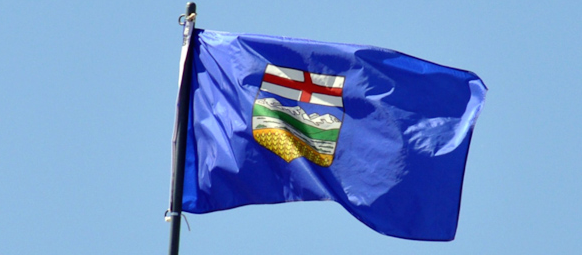
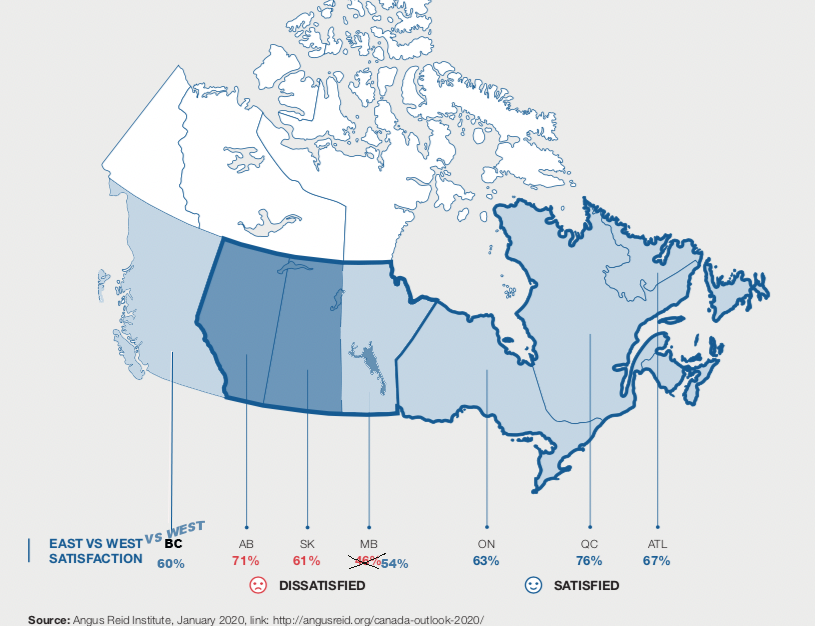
Many Albertans are feeling a real sense of frustration with the federal government, as Monday’s election results demonstrate, but there is no evidence that Albertans are flocking en masse to separatism. None.

Categories
Alberta Politics

Alberta Separatism is the political equivalent of a toddler’s temper tantrum. It’s embarrassing and a bad idea.

Reading the pages of the Postmedia newspapers or the #ableg hashtag on Twitter you might believe that Albertans from roughneck Fort McMurray to trendy Kensington are calling for Independence and rising up in arms against their political overlords in Ottawa. 

Nope.

A flurry of recent opinion-editorials and columns in the pages of Canada’s Postmedia newspapers have been fanning the flames of discontent and frustration in Alberta. The discontent and perennial alienation from Ottawa is mostly a result of the economic slump and a delay in the expansion of the Trans Mountain Pipeline, but it is difficult to believe that there is any real appetite for Albertans to leave Canada, and the consequences that would follow.

University of Calgary economist Jack Mintz wrote in the Financial Post newspapers this week that an “Albexit” could draw inspiration from the United Kingdom’s disastrous “Brexit” from the European Union. Mintz drew inspiration from another European dumpster fire in 2015 when he penned another cringeworthy Financial Post op-ed predicting that “Alberta is not yet Greece, but it’s heading along that path.”

Three years later, Alberta is not Greece and probably should not be looking to Brexit for inspiration.

The arguments for Alberta’s separation from Canada are so weak and the concept of forming an Alberta Republic is so ridiculous that even the thought of writing this article made me cringe. It is the political equivalent of a toddler’s temper tantrum. But because I am a sucker for punishment, here I go.

Among the many of the disastrous consequences of Alberta leaving Canada would be that it would become virtually impossible to get any new pipelines constructed to the deep water ports that pipeline proponents argue the province’s oil industry needs. 

If you believe it has already been acrimonious to get the Trans Mountain Pipeline expansion built in two provinces, just imagine how difficult it would be to negotiate a pipeline project with a suddenly hostile foreign government, whether it be the prime minister of Canada in Ottawa or the president of the Pacific Republic of British Columbia in Victoria. Not to mention the inconvenient fact that the Government of Canada actually owns said pipeline and its expansion project.

Some will argue that the United States of America would open its borders to Alberta or even welcome it as the 51st State, but it seems unlikely that the American government would want to antagonize Ottawa by dealing with a landlocked rogue nation and cause trouble on it’s northern borders.

American corporations already dominate our economy, which saves the US government the messy business of having to govern us. And the likelihood that most Albertans would be inclined to vote for the Democratic Party would also make the statehood route less appealing for many in America’s political establishment.

The Canadian Government saved Trans Mountain by purchasing the pipeline and the expansion project just as Texas-based Kinder Morgan Inc. was preparing to withdraw their application for expansion. The government of Liberal Prime Minister Justin Trudeau paid $4.5 billion for the pipeline and project, and it is expected Ottawa could spend another $7 billion on the project after it meets the necessary conditions set by the Federal Court of Appeal. 

The Federal Court of Appeal ordered a stop to the project in August 2018 after the National Energy Board and federal government failed to conduct a proper environmental impact assessment of the increase of marine traffic and failed to properly consult First Nations communities along the route in the final phase of the approval process. 

While Trudeau clearly sees the pipeline expansion as a national priority worth spending serious political and real financial capital on, it is unlikely to bring him positive electoral returns in Alberta in 2019. Despite purchasing the pipeline, ensuring it will be built, and announcing $1.6 billion in loans and financial support to the oil and gas industry, support for Trudeau in Alberta has dropped like a lead balloon.

We didn’t ask for the opportunity to go further into debt as a means of addressing this problem,” Alberta Premier Rachel Notley said in response to the federal government’s bailout package.

It is unclear what Alberta’s politicians want to be done in the meantime. Many are calling the pipeline the only solution to Alberta’s economic problems. The big problem with that argument, if you believe pipelines are the solution, is that even if the Trans Mountain expansion project meets the conditions set by the Federal Court of Appeal in 2019 it might not actually be finished construction until 2022 or 2023. And even if other failed pipeline projects are resurrected, they might take even longer to complete.

That a Prime Minister named Trudeau is not popular in Alberta is no shock. The ingrained hatred for Trudeau and his father in the minds of many Albertans ensures that no matter what the Liberal government in Ottawa does to support our province, it will be seen as either a failure or a hostile attack.

While separatist sentiments bubble up in Alberta politics every decade or so, the last serious political push happened more than 35 years ago, when Western Canada Concept candidate Gordon Kesler won a February 17, 1982 by-election in the former Social Credit fortress of Olds-Didsbury.

The separatist MLA said at his swearing-in ceremony that he had “a lot of responsibility to those who believe in freedom and free enterprise,” but then spent the next few months in the Assembly railing against the metric system and official bilingualism. He and his party were crushed by Peter Lougheed’s Progressive Conservative juggernaut in the November 1982 general election.

Other separatist parties have come and gone since, but they have all faded in the right-wing fringes of Alberta politics.

And with provincial and federal general elections expected to be held in the next 10 months, Conservative Party leader Jason Kenney and federal opposition leader Andrew Scheer are only too happy to stoke the flames or western alienation and resentment over pipelines, equalization payments, and new energy regulations included in Bill C-69: An Act to enact the Impact Assessment Act and the Canadian Energy Regulator Act, to amend the Navigation Protection Act and to make consequential amendments to other Acts.

Meanwhile, outside of the margins of conservative opinion writers and anonymous twitter accounts, two recent polls show that while Albertans might be a little angrier, support for separation remains consistently low.

A recent poll conducted by the research company Ipsos found that “Albertans are a little angrier at the moment, but across the west there is little interest in separation and most measures of connection to Canada are consistent with prior polls taken conducted as long ago as 1997.

The level of support for the idea of an independent Alberta is roughly the same as it was in surveys conducted in 2014 and 2016,” said Mario Canseco, President of Research Co. “Four years ago, with a Progressive Conservative government in Edmonton and a Conservative government in Ottawa, the findings were similar to what is observed in 2018.”

The vast majority of Albertans remain proud Canadians regardless of which party has been elected to run the government in Ottawa. The frustration felt by many Albertans towards Ottawa over pipelines construction delays and the low international price of oil should not be ignored, but let’s not pretend that separating from Canada is a viable solution to our economic problems, because it’s not.