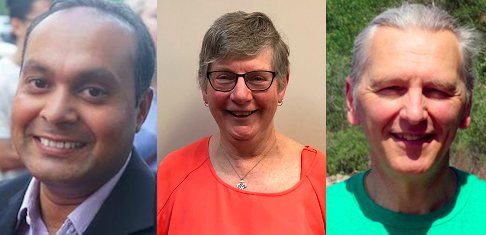
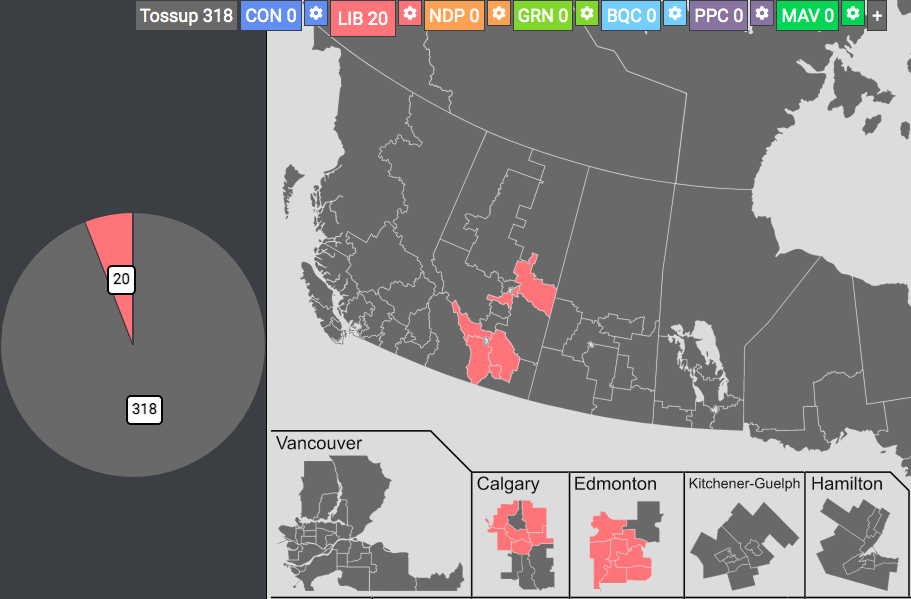
The Liberal Party has filled its slate of 34 candidates in Alberta will the nominations of Cam Macdonald in Calgary Shepard and David Ondieki in Red Deer-Lacombe. The Liberals are the third party, after the Conservative Party and the People’s Party, to nominate a candidate in every district in Alberta.
The other parties are still nominating their candidates and have until August 30, 2021 to submit their papers to Elections Canada in order to be on the federal election ballot.
Recently nominated candidates include:
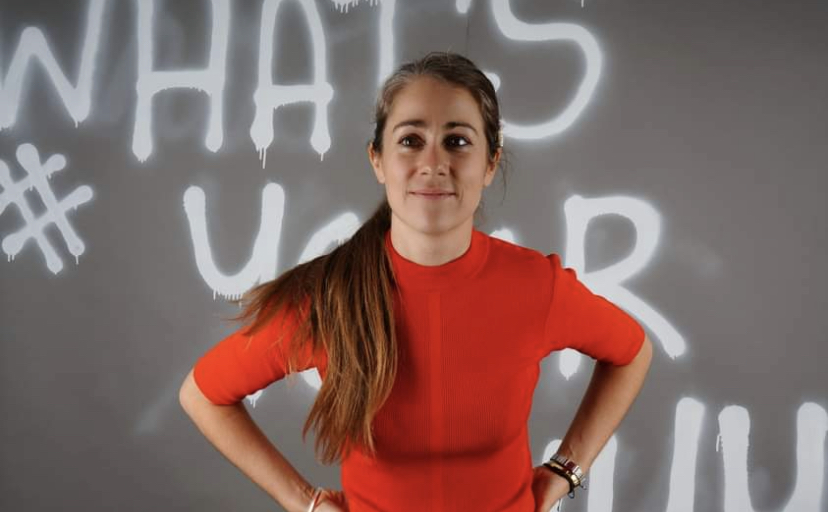
Kendra Mills is the NDP candidate in Sturgeon River-Parkland.
The Libertarian Party has nominated deputy party leader Darcy Gerow in Calgary Heritage, Valerie Keefe in Edmonton Centre and Matthew Watson in Red Deer-Lacombe.
The Veterans Coalition Party has nominated Misty Wind Shingoose in Red Deer-Mountain View.
New Senate Nominee candidate
Jeff Nielsen has filed his papers to run in the Senate Nominee election happening on October 18, 2021. Nielsen is the former president of the Western Barley Growers Association and past chair of the Grain Growers of Canada.
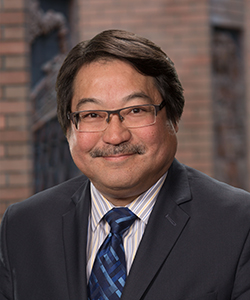
Rob Miyashiro (source: City of Lethbridge website)
Lethbridge City Councillor Rob Miyashiro is running for Alberta NDP nomination in Lethbridge-East.
Miyashiro has served on Lethbridge City Council since 2013 and is the executive director of the Lethbridge Senior Citizens Organization. He has been a vocal supporter of harm-reduction programs like Lethbridge’s safe consumption site and in 2020 co-sponsored a by-law banning conversion therapy in Lethbridge.
“Not only has Jason Kenney downloaded costs onto cities like Lethbridge, but he has also failed to deliver on his promise of economic prosperity and jobs,” Miyashiro said in a press release.
“Rachel [Notley] is a good leader, she was a great Premier, and an NDP government will work for a truly diversified economy with good paying jobs for our community for years to come,” Miyashiro said.
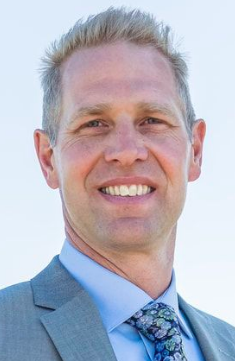
Nathan Neudorf
This will be Miyashiro’s second time running in Lethbridge-East. He was the Alberta Liberal candidate in the district in the 2012 provincial election, placing third with 14.6 per cent of the vote behind Progressive Conservative candidate Bridget Pastoor, who crossed the floor from the Liberals in 2011, and Wildrose Party candidate Kent Prestage.
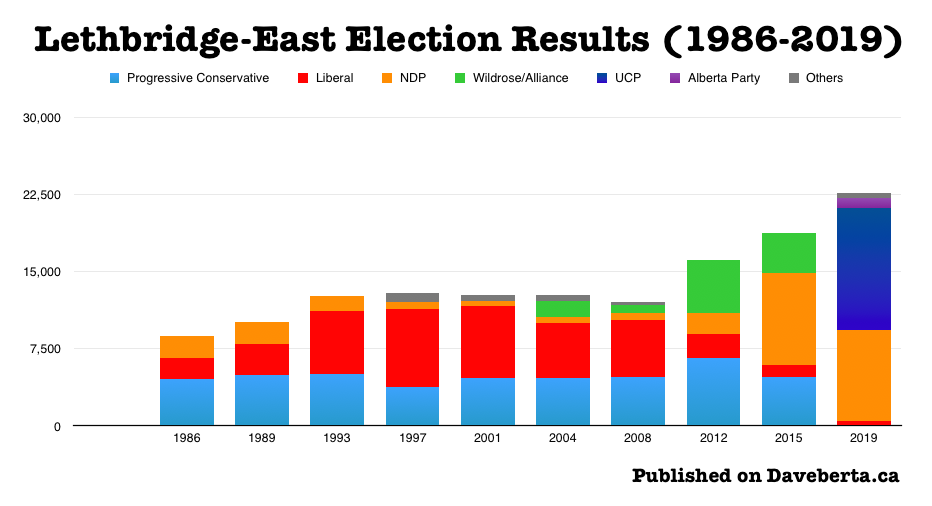
Lethbridge-East has a unique voting history for a district in southern Alberta.
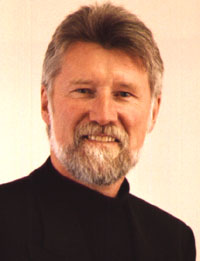
Ken Nicol
Lethbridge’s electoral history is more liberal-leaning than most of southern Alberta, likely due to the influence of the University of Lethbridge and Lethbridge College and a large number of public sector workers in the city.
Even during Ralph Klein’s time as Premier, the Liberals either won a plurality of the votes or matched the PC vote in the city, mostly due to the large margins of victory earned by popular Lethbridge-East MLAs Ken Nicol and Pastoor.
The popular former U of L Agriculture professor with Kenny Loggins-looks first ran for the Liberal Party leadership in 1998 and later led the party and the Official Opposition from 2001 to 2004.
Bridget Pastoor
The soft-spoken Nicol inherited a debt-ridden party and caucus of mostly Edmonton MLAs who survived a crushing defeat in the 2001 election. And, unlike most of his Liberal colleagues, Nicol’s personal popularity in Lethbridge helped him earn a wide margin of victory in that election.
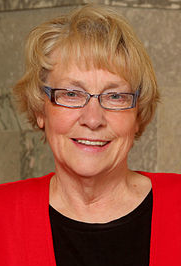
Pastoor, a Registered Nurse and popular former city councillor, was elected as a Liberal in 2004 and 2008 and later as a PC candidate in 2012 after she crossed the floor. Pastoor was succeeded by Fitzpatrick in 2015 and served until she was defeated in 2019 by Neudorf.
NDP MLA Shannon Phillips represents the neighbouring Lethbridge-West district.
Election results in Lethbridge-East from 1986 to 2019.
It’s been eight days since the federal election was called but most parties are still nominating candidates in Alberta, a province where barring a catastrophe (or a miracle – depending on your political inclinations) the Conservatives are expected to be elected in most of the electoral districts.
Here are the latest federal candidates to be nominated in Alberta:
The Liberal Party has nominated Abdifatah Abdiin in Fort McMurray-Cold Lake, Irene Walker in Sturgeon River-Parkland, andSheila Schumacher in Yellowhead.
The federal NDP have a contested nomination race in Edmonton-Mill Woods. Nigel Logan and Satbir Singh will face an online vote of the local membership on August 25.
The Green Party has nominated Kerri Coombs in Red Deer-Lacombe and Sheldon Perris in Sherwood Park-Fort Saskatchewan.
The People’s Party completed its slate of 34 candidates in Alberta with the nomination of Shawn McDonald in Fort McMurray-Cold Lake.
The Rhinoceros Party has nominated Vanessa Wang in Calgary-Nose Hill.
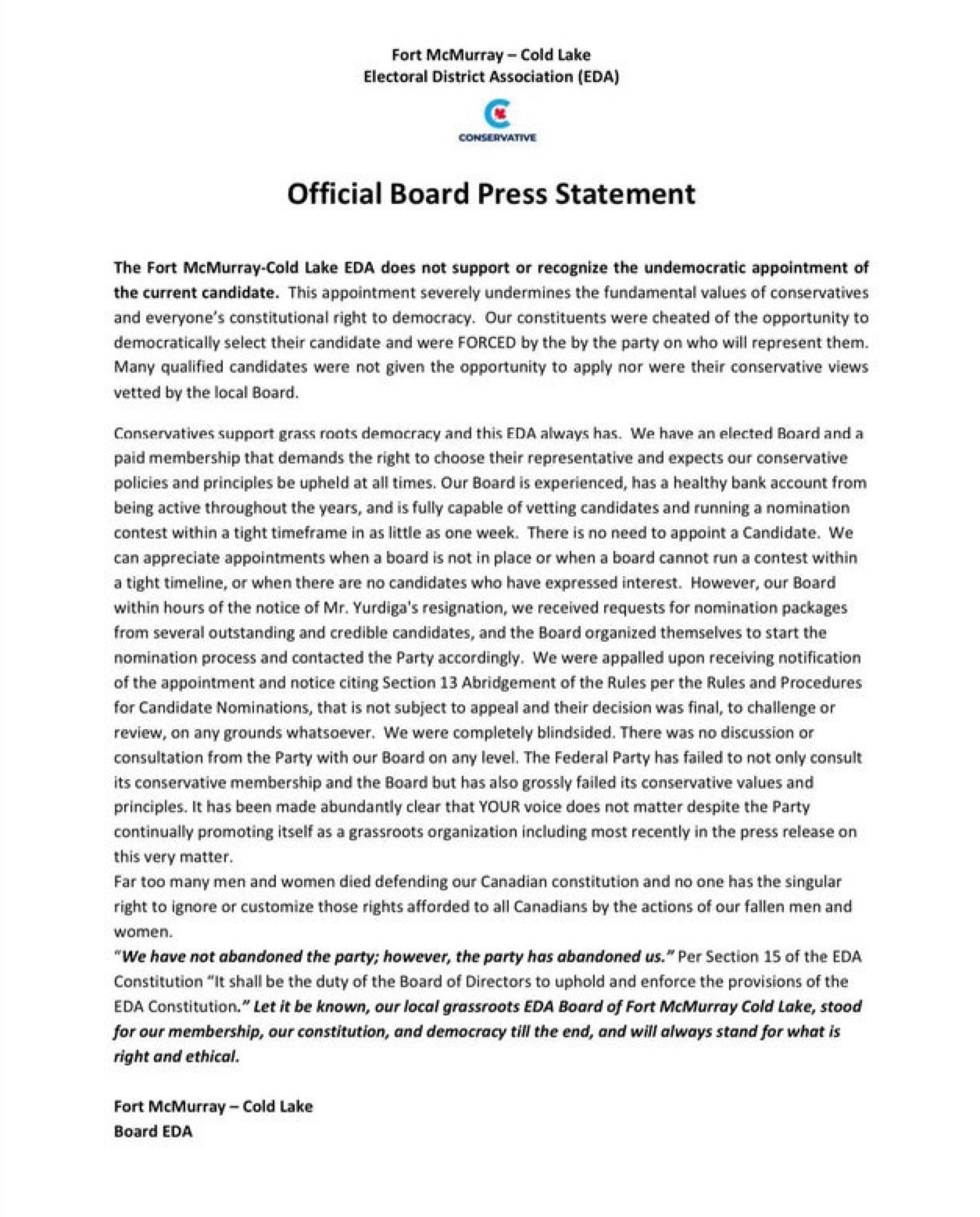
O’Toole’s first stop in Alberta during the election campaign will come a day after the board of directors of the Fort McMurray-Cold Lake Conservative association released a public letter disagreeing with the party’s decision to appoint Fort McMurray-Lac La Biche United Conservative Party MLA Laila Goodridge as the district’s candidate following MP David Yurdiga’s writ day decision to not seek re-election. Yurdiga had already been nominated as the Conservative candidate earlier this year but decided to withdraw because of health reasons.
The unsigned letter titled as an “Official Board Press Statement” states that “The Fort McMurray-Cold Lake EDA does not support or recognize the undemocratic appointment of the current candidate. This appointment severely undermines the fundamental values of conservatives and everyone’s constitutional right to democracy. Our constituents were cheated of the opportunity to democratically select their candidate and were FORCED by the by the party on who will represent them. Many qualified candidates were not given the opportunity to apply not were their conservative views vetted by the local Board.”
The statement from the Fort McMurray-Cold Lake Conservative Electoral District Association.
Conservative sources say that the nomination rules permit the party to appoint a candidate after an election is called and that an expedited nomination meeting was not possible due the vacancy in the regional organizer position. It was expected that a nomination race in Fort McMurray-Cold Lake, even a rushed one, would be highly competitive and attract many voting members, requiring significant logistics and organizational support from the party.
The sources say the party has reached out to the disgruntled local board but has not received a response.
Goodridge is currently only facing Maverick Party candidate Jonathan Meyers, People’s Party candidate Shawn McDonald, and Green Party candidate Brian Deheer. The Liberals and NDP have not yet named candidates in the north east Alberta district.
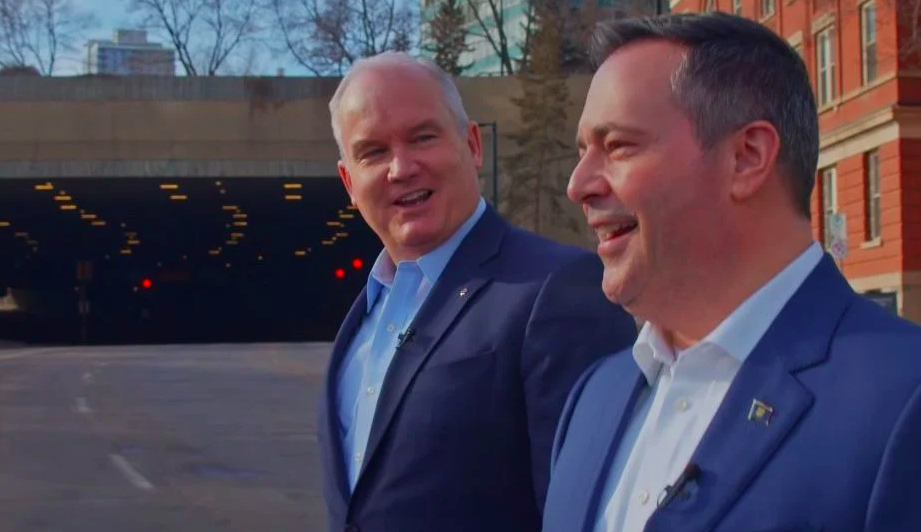
Andrew Scheer and Jason Kenney at a campaign rally in Edmonton-Centre in 2019.
Meanwhile, back in Edmonton, it does not look like O’Toole will be joined tomorrow by Alberta Premier Jason Kenney.
Kenney last appearance at a public event was a government announcement in La Crete on August 10 ahead of a UCP “town hall” fundraiser in support of Peace River UCP MLA Dan Williams that featured a the Premier and a handful of cabinet ministers.
The local revolt against Goodridge’s nomination comes the day after former Fort McMurray MP and MLA Brian Jeanunleashed a 23 tweet thread calling for the creation of something resembling the Saskatchewan Party. It has been rumoured that Jean may be considering seeking the leadership of the Alberta Party.
City of Brooks Mayor and former AUMA President Barry Morishita announced his candidacy for the Alberta Party leadership last week.
New candidates
Donna Lynn Smith has been nominated as the Liberal Party candidate in Edmonton-Manning.
The Rhinoceros Party has nominated Travis Jones in Edmonton-Manning and Lucas Rhinocerotidae Anderson in Edmonton-Riverbend.
Kim Siever is running as an Independent candidate in Lethbridge.
Catriona Wright is running for the Green Party in Calgary-Rocky Ridge.
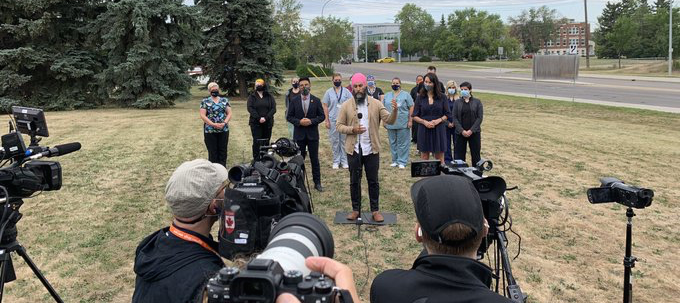
NDP leader Jagmeet Singh makes a health care announcement outside the East Edmonton Health Centre
NDP leader Jagmeet Singh spent today campaigning in Edmonton-Griesbach with local candidate Blake Desjarlais, who the party believes is in a position to defeat Conservative candidate Kerry Diotte.
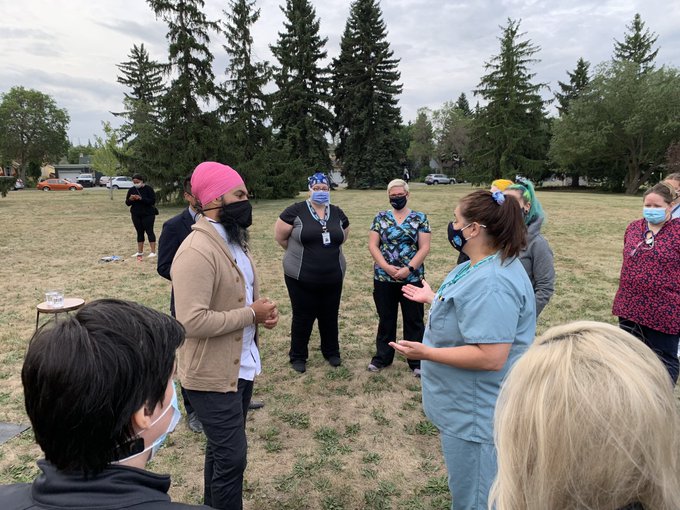
Jagmeet Singh speaks to Alberta nurses and health care workers.
Singh started the day with a health care announcement outside the East Edmonton Health Centre with Desjarlais, Edmonton-Strathcona MP Heather McPherson and a group of nurses and health care workers.
During his announcement Singh criticized the Liberals for not doing enough to improve affordability of long-term care and hold the corporations that run long-term care centres to account after outbreaks during the COVID-19 pandemic.
“He voted against getting rid of profit from long-term care, making it clear he would rather protect the interests of the for-profit, billion-dollar corporations that profit off the backs of seniors, rather than putting seniors first,” Singh said.
Blake Desjarlais
This puts Justin Trudeau, who made his own seniors care announcement in Victoria today, in a difficult position of not wanting to engage in an important but largely provincial issue that could sour relations with other provincial governments, like Ontario, Quebec and British Columbia.
As noted in my previous post, unlike the last federal election campaign, Alberta NDP MLAs are campaigning alongside some federal NDP candidates in this election.
Edmonton-Highlands-Norwood MLA Janis Irwin, Edmonton-Glenora MLA Sarah Hoffman, and Edmonton-South MLA Thomas Dang were at an afternoon rally outside the Bellevue Community Hall where a crowd of NDP supporters gathered to cheer on Singh, Desjarlais and other areas candidates, including Edmonton-Centre candidate and former public school board trustee Heather Mackenzie.
This is a significant shift in federal-provincial NDP relations, which were much frostier during the 2019 federal election when the dominant issues were the carbon tax and pipelines.
Jason Kenney (source: Facebook)
In another sign of changing times, Singh used his visit to Alberta to leverage the declining popularity of Premier Jason Kenney, especially on his handling of the COVID-19 pandemic and his decision to attack frontline nurses, doctors, and health care workers.
Kenney has been conspicuously missing from the campaign trail, scheduling a vacation instead (when he returns he will be without a Principal Secretary, as Larry Kaumeyer is leaving the Premier’s Office to become the new head of Ducks Unlimited).
While Kenney will likely pop up campaigning for a candidate somewhere, it is a considerable difference from 2019 when the Alberta Premier spent an entire week campaigning for Conservative Party candidates in Ontario and Manitoba.
In 2019, Kenney was seen as an asset for Andrew Scheer. In 2021, he might be a liability for Erin O’Toole.
Trudeau touches down in Calgary-Skyview
Justin Trudeau and George Chahal (source: Twitter)
Liberal Party leader Justin Trudeau’s plane touched down in Calgary tonight to make a quick campaign stop in support of Calgary-Skyview candidate and City Councillor George Chahal.
“With the right representation, we can build prosperous communities. We need to diversify our economy, invest in infrastructure like we did with Airport Trail and the Green Line and we must continue to do so with public infrastructure such as the expansion of the Blue Line, Arts Common, and the development of the multi-sport fieldhouse at the Foothills Athletic Park,” said Chahal in a press release following the event.
Voters in the district, in which the Calgary International Airport is located, elected former Liberal MLA Darshan Kang in 2015 and Conservative Jag Sahota in 2019.
Banff gets a new kind of tourist
Supported by former Conservative MPs Rob Anders and Eric Lowther, Ontario MP Derek Sloan announced his plans to run as an Independent candidate in Banff-Airdrie.
The first-term former Conservative from southeast Ontario has been travelling around Alberta for the past month speaking at rallies of anti-vaxxer and COVID-19 conspiracy theorists.
The political tourist claims he wants to “Make Alberta Great Again.”
Sloan will challenge Conservative MP Blake Richards, who was re-elected in 2019 with 71.09 per cent of the vote.
Candidates say the dumbest things
We have not entered the “airing of dumb things candidates have said on social media” phase of the federal election campaign. The Conservative Party released a statement from Calgary-Nose Hill candidate Michelle Rempel Garner attacking Liberal candidate Jessica Dale-Walker for a March 2020 tweet that said “Fit in or fuck off. We Alberta need to start fitting in. Because quite frankly, we are not as superior as our government touts.”
Dale-Walker responded, in a tweet: My tweet last summer was thoughtless and wrong. Thats certainly not how i feel today. I want to be absolutely clear I am double vaccinated and I believe all Canadians, who can, should be. If my brash comments caused anyone to think otherwise, I apologize.”
New candidates
Hugo Charles has been nominated as the NDP candidate in Edmonton-Wetaskiwin.
Kelly Green has been nominated as the Green Party candidate in Edmonton-Strathcona.
The Libertarian Party has nominated Morgan Watson in Edmonton-Griesbach and MalcolmStinson in Edmonton-Strathcona.
The People’s Party has nominated Jacob Cohen in Calgary-Centre, Dwayne Holub in Calgary-Forest Lawn, Ron Vaillant in Calgary-Shepard, Nicholas Debrey in Calgary-Signal Hill, Brock Crocker in Edmonton-Centre, Martin Halvorson in Edmonton-Manning, Jennifer Peace in Edmonton-Riverbend, Wesley Janke in Edmonton-Strathcona, Daniel Hunter in Foothills, Shawn McLean in Grande Prairie-Mackenzie, Ann McCormack in Lakeland, Mardon Day in Red Deer-Lacombe, Kelly Lorencz in Red Deer-MountainView, John Wetterstrand in Sherwood Park-Fort Saskatchewan, and Michael Manchen in Yellowhead,
Blake Desjarlais, Jagmeet Singh, and Heather McPherson at Kind Ice Cream in Highlands in July 2021. (photo credit: Heather McPherson on Twitter)
New Democratic Party leader Jagmeet Singh will be the first party leader to visit Alberta in this election campaign when he stops in Edmonton on August 19.
Singh will be spending his whole day in Edmonton-Griesbach starting with a 9:30am health care announcement outside the East Edmonton Health Centre and a 1:15pm “whistle stop event” at the Bellevue Community Hall at in support of local candidate Blake Desjarlais and other candidates in the capital city.
Desjarlais is Director of Public Affairs & National Operations for the Metis Settlements General Council and the former Co-Chair of Alberta’s Indigenous Climate Leadership Summit. The NDP are pouring some resources into the riding, including support from Edmonton-Strathcona NDP MP Heather McPherson, in hopes that Desjarlais can unseat second-term Conservative MP Kerry Diotte.
Unlike the last election, a few Alberta NDP MLAs are campaigning alongside the federal NDP. Popular Edmonton-Highlands-Norwood MLA Janis Irwin has lent her support and her extensive social media reach to Desjarlais (she ran against Diotte in 2015), as has Edmonton-Rutherford MLA Richard Feehan, who served as Minister of Indigenous Relations from 2016 to 2019.
Meanwhile, as Graham Thomson writes in ipolitics today, unlike the last federal election campaign, Premier Jason Kenney is now seen as a liability for his federal Conservative brethren. The Premier’s Office has said that Kenney is currently on vacation.
Ontario MP Derek Sloan running in Banff-Airdrie?
Derek Sloan speaking to a crowd in Calgary. (source: Facebook)
Independent Ontario MP Derek Sloan has spent the past month travelling around Alberta speaking to increasingly large crowds of anti-vaxxer and COVID-19 conspiracy theorists. Videos on his social media accounts show he has recently spoken at evangelical-style events in Airdrie, Calgary, Camrose, Claresholm, Cochrane, Red Deer and St. Albert.
The first-term MP from Hastings-Lennox and Addington was kicked out of the Conservative caucus in January 2021 after making numerous controversial statements about abortion and LGBTQ issues, and accepting a donation from a neo-Nazi.
Sloan apparently sees Alberta as his new political home, because in an email to his supporters today he pledged to never leave and “Make Alberta Great Again!” as he plans to make an important announcement in the town of Cochrane tomorrow. Rumours has it that the life-long Ontarian plans to run as an Independent candidate in Banff-Airdrie, where incumbent Conservative MP Blake Richards is seeking re-election.
Federal Conservatives endorse Senate Nominee candidates
The federal Conservative Party has endorsed three candidates in the upcoming Senate Nominee election to select two nominees to submit to the Prime Minster of appointment tot he upper chamber.
Lobbyist and former United Conservative Party president Erika Barootes, right-wing activist and former municipal election candidate Pam Davidson and Canadian Ukrainian Free Trade Agreement Association president Mykhailo Martyniouk will have the endorsement of the federal party in the October elections.
Newly nominated federal election candidates
The Liberal Party has nominated Leah McLeod in Battle River-Crowfoot, Jessica Dale-Walker in Calgary-Nose Hill, Dan Campbell in Grande Prairie-Mackenzie, and Hannah Wilson in Medicine Hat-Cardston-Warner.
The Communist Party of Canada has nominated candidates Jonathan Trautman in Calgary-Forest Lawn,Alex Boykowich in Edmonton-Griesbach and Naomi Rankin in Edmonton-Mill Woods.
The Green Party has nominated Daniel Brisbin in Battle River-Crowfoot.
The Maverick Party has replaced Doug Karwandy with Jeff Golka in Battle River-Crowfoot.
The Christian Heritage Party has nominated former Wildrose candidate Jeff Willerton in Sturgeon River-Parkland and Derek Vanspronsen in Calgary-Heritage. Previously announced Calgary-Heritage candidate Larry Heather is now running in Calgary-Nose Hill.
The first full day of the 2021 federal election has passed. I spoke with CBC Edmonton on Edmonton AM and RadioActive about some of the races to watch in Edmonton in the federal election. I will have a post expanding on this up in a few days, but, in the meantime, here are the latest candidate nominations in Alberta:
Khalid Ahmed is the NDP candidate in Calgary-Nose Hill, according to a report in the Calgary Herald. Ahmed was the NDP candidate in the 2017 by-election in Calgary-Heritage and 2015 and 2019 elections in Calgary-Signal Hill.
The Green Party has nominated Keiran Corrigall in Calgary-Signal Hill, Janna So in Calgary-Skyview, and Brian Deheer in Fort McMurray-Cold Lake. Deheer has run numerous times for the Green Party in federal and provincial elections and twice for the leadership of the Green Party of Alberta.
John Kuhn has withdrawn as the separatist Maverick Party candidate in Sherwood Park-Fort Saskatchewan. Kuhn served as Mayor of the Town of Bassano from 2007 to 2008.
The Christian Heritage Party has nominated Tom Lipp in Bow River and Larry Heather in Calgary-Heritage. Lipp was his party’s candidate in this district in 2019 and Heather is a perennial candidate who has run in too many elections to list in this post.
Yurdiga has represented the northern Alberta district since running in a 2014 by-election to replace former MP Brian Jean.
Goodridge has represented the northern Alberta district since running in a 2018 by-election to replace former MLA Brian Jean.
Goodridge was appointed parliamentary secretary responsible for Alberta’s francophonie in June 2019. Before her by-election win she worked as a political staffer in Fort McMurray and Ottawa and ran for the Wildrose Party in Grande Prairie-Wapiti in the 2015 election.
Her sudden entry into federal politics and almost certain election to parliament in this very safe Conservative seat (neither a Liberal or NDP candidate have been nominated yet – but the Maverick Party has a candidate) means that a provincial by-election will be triggered in the next six months.
Brian Jean
This will be the first by-election since Premier Jason Kenney’s UCP formed government in April 2019. Amid Kenney’s plummeting approval ratings, his party’s drop in the public opinion polls and lacklustre fundraising, a by-election in what should be a safe UCP riding will be interesting litmus test for the Premier.
Rachel Notley’s NDP are likely eager to contest a by-election, but they probably hoped their first chance would be in Calgary or a friendlier locale. The NDP didn’t win this seat in the Orange Wave of 2015 and their candidate, Wood Buffalo municipal councillor Jane Stroud, placed a distant second in the 2018 by-election and 2019 general election.
Expectations of an NDP win in Fort McMurray-Lac La Biche in 2021 would be low – though winning this by-election would be a big win for the NDP and a massive blow for the UCP – and Kenney.
A provincial by-election in Fort McMurray-Lac La Biche will also offer Brian Jean a chance to leave the sidelines after four years of sniping at Kenney on social media and the Postmedia opinion pages. Jean left elected politics after Kenney and a kamikaze campaign defeated him in the 2017 UCP leadership race but he has remained a harsh critic of Kenney’s leadership and has publicly flirted with Alberta separatism.
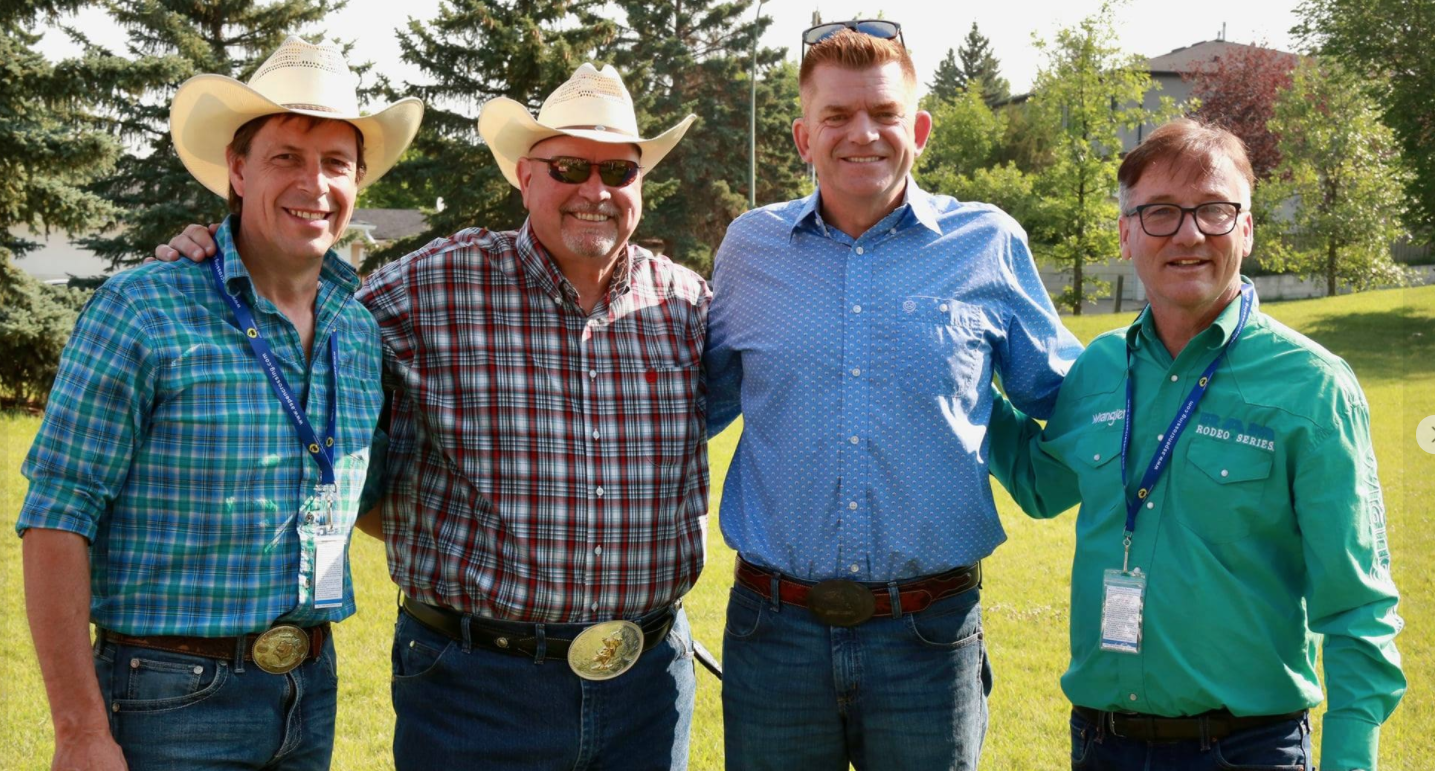
Todd Loewen, former MLA Wayne Anderson, Brian Jean, and Drew Barnes at the Calgary Stampede BBQ in July 2021. (Source: Facebook)
A Brian Jean win in a Fort McMurray-Lac La Biche by-election could be the ultimate blow to Kenney that Jean is hoping to deliver.
A by-election in Fort McMurray-Lac La Biche will need to be called before February 16, 2022.
The federal Liberal Party continues to nominate candidates in Alberta following yesterday’s federal election call, including the following candidates who were nominated yesterday:
The Liberal Party has 20 candidates nominated in Alberta. I expect the other 14 seats will fill up quickly after Justin Trudeau's visit to Rideau Hall this morning.
Prime Minister Justin Trudeau is visiting Governor General Mary Simon this morning to ask the House of Commons to be dissolved and election to be called. About 3,000 kilometres west of the national capital, the Liberal Party is still scrambling to nominate candidates to run in the impending federal election.
The Liberals have nominated 20 candidates in Alberta’s 34 electoral districts, including two new candidates yesterday:
John Turvey is the Liberal Party candidate in Lakeland. Turvey is an instructor at Lakeland College.
Paula Shimp is the Liberal Party candidate in Foothills. Shimp was the Alberta Liberal candidate in Cardston-Taber-Warner in the 2004 provincial election.
The NDP are also behind in nominating candidates in Alberta, with 13 candidates nominated across the province. The latest being Grumit Bhachu in Calgary-Midnapore. Bhachu was the NDP candidate in this district in the 2019 federal election.
The Communist Party of Canada (Marxist-Leninist) has nominated candidates Kevan Hunter in Calgary-Confederation, Merryn Edwards in Edmonton-Centre, Mary Joyce in Edmonton-Griesbach, Andre Vachon in Edmonton-Manning, and Peggy Morton in Edmonton-West.
Eden Gould is running in Calgary-Centre for the Animal Protection Party of Canada.
Janet Eremenko is running for the Alberta NDP nomination in Calgary-Currie, kicking off a contested nomination race in the south west Calgary district. Eremenko will face former MLA Brian Malkinson at a yet to be scheduled nomination vote.
“Jason Kenney was elected on a promise of delivering jobs and economic growth, and over half-way through his mandate, he has failed to deliver on any of his promises,” Eremenko said in a press release.
“Rachel Notley has a positive vision for Alberta’s future. One that diversifies our economy and creates jobs for Albertans while taking action on climate change and protecting the environment,” Eremenko said. “I want to make sure Calgary-Currie is a part of that vision, and a part of defeating Kenney in the next election.”
Eremenko was the NDP candidate in the neighboring Calgary-Elbow in the 2019 election, where she placed third with 23 per cent of the vote behind United Conservative Party candidate Doug Schweitzer and Alberta Party MLA Greg Clark.
She was also a candidate for Calgary City Council in Ward 11 in the October 2017 election.
Eremenko will face Malkinson, who represented Calgary-Currie from 2015 until his narrow defeat to UCP candidate Nicholas Milliken in 2019. Malkinson was Alberta’s Minister of Service Alberta from 2018 to 2019.
Before Malkinson’s election in 2015, the district was represented by Progressive Conservative MLA Christine Cussanelli from 2012 to 2015 and Dave Taylor from 2004 to 2010 as a Liberal MLA and 2011 to 2012 as an Alberta Party MLA.
With a federal election expected to be called on Sunday for a September 20 Election Day, the Liberal Party has announced a number of newly nominated candidates in Alberta:
Jordan Stein in Calgary-Forest Lawn. Stein was the Liberal candidate in Calgary-Confederation in the 2019 federal election and Alberta NDP candidate in Calgary-Glenmore in the 2019 provincial election.
David Gamble in Banff-Airdrie. Gamble was the Liberal candidate in Calgary-Klein in the 2015 provincial election and briefly considered running for the 2021 Liberal nomination in Calgary-Confederation.
Shawn Duncan in Calgary-Signal Hill
Hibo Mohamedin Edmonton-Strathcona. Mohamed is the executive assistant to the CEO of YWCA Edmonton and is the former president of the University of Alberta campus Liberal club. She was an Alberta Party volunteer in the 2019 provincial election.
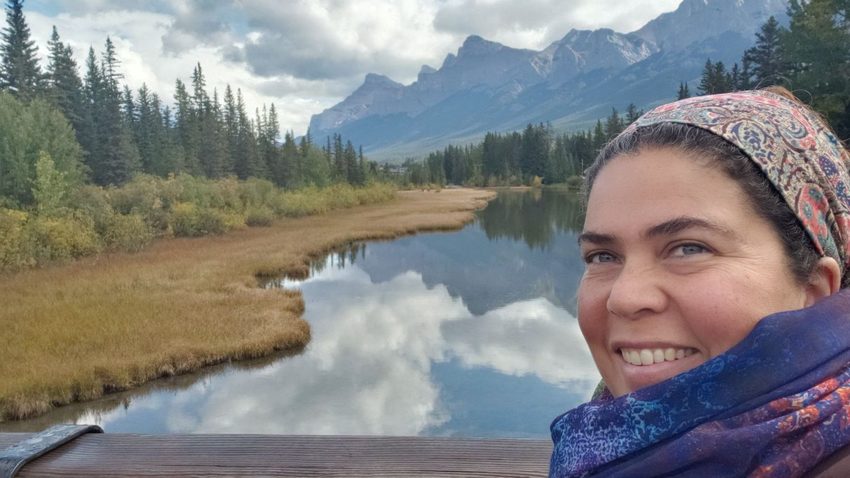
Canmore resident Sarah Elmeligi announced today that she is seeking the Alberta NDP nomination in Banff-Kananaskis to run in the next provincial election. She is the first candidate to announce plans to seek the nomination.
Elmeligi is a professional biologist and conservation and land-use planner. She currently runs her own consulting company but from 2016 to 2019 she worked as a Parks Facility Planner with the Kananaskis Region and from 2009 to 2013 was a Senior Conservation Planner with the Canadian Parks and Wilderness Society – Southern Alberta Chapter.
She earned a PhD from Central Queensland University in Australia and since 2013 has been conducting Grizzly Bear research in the Rocky Mountains.
“I value working collaboratively with multiple stakeholders to define solutions that are good for people and good for the landscape,” Elmeligi said in a press release. “The Banff-Kananaskis Constituency is a very special place, appreciated by locals, Albertans, and international visitors for its natural splendor and varied recreational opportunities.”
If nominated, Elmeligi would face United Conservative Party MLA Miranda Rosin, who was elected in 2019 in the closest race outside of the province’s urban centres.
Miranda Rosin
Former MLA Cam Westhead, who announced on Facebook today that he would not be seeking the nomination and would instead be running for re-election as Second Vice President of United Nurses of Alberta, was the only NDP incumbent in rural Alberta to increase his vote share from 2015.
Westhead finished 3 points higher than his 2015 results from the redistributed Banff-Cochrane district and Rosin finished 7 points lower than the combined Wildrose Party and Progressive Conservative results in the boundaries.
The 2019 race was geographically divided, with Banff, Canmore, and the First Nations communities in the western parts of the Bow River valley heavily voting NDP and the eastern polls, dominated by ranches, acreages and Calgary commuters, voting UCP.
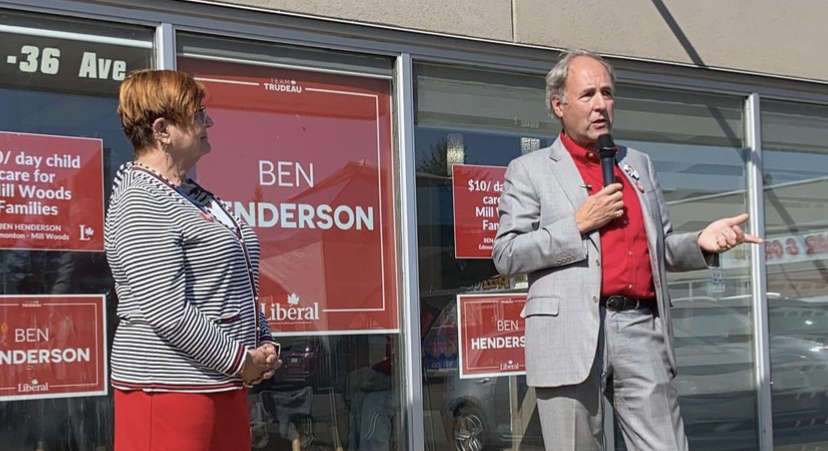
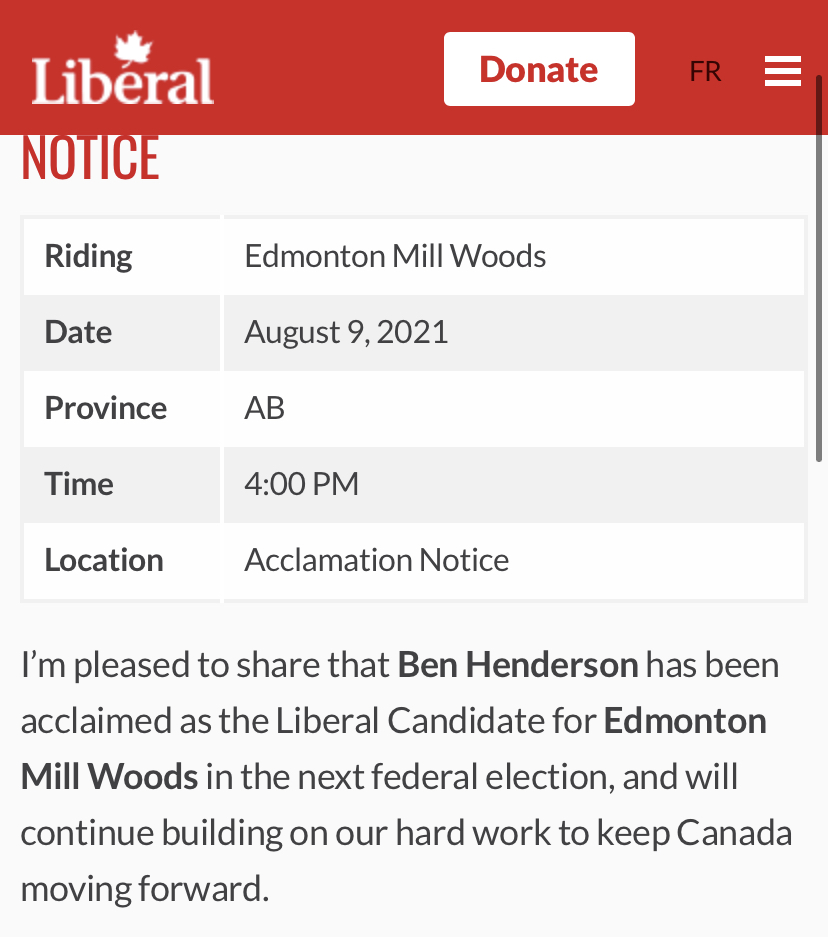
Edmonton City Councillor Ben Henderson is running for the Liberal Party in Edmonton-Mill Woods
City Councillor Ben Henderson has been acclaimed as the Liberal Party candidate in Edmonton-Mill Woods.
This nomination notice was posted on the Liberal Party of Canada website this evening.
Henderson currently serves as Councillor for Ward 8 and was first elected to City Council in 2007.
“Edmonton Mill Woods deserves strong and effective representation in government, that is why I’m thrilled and honoured to run for the job of serving the community of Mill Woods and the Meadows in Parliament, “ Henderson said in a press statement released on August 10.
“The results of this upcoming coming election are critical to ensuring we recover successfully from COVID-19 and make progress in building a truly prosperous community for ourselves and future generations,” Henderson said.
Before his election to council, Henderson was a Mediator and Negotiator, and before that was a theatre director, working as founding Artistic Director of Nexus Theatre and the Artistic Director of Theatre Network.
Henderson’s municipal ward does not overlap with the south east Edmonton federal riding, which is likely a recognition by the Liberals that their chances of unseating New Democratic Party MP Heather McPherson in Edmonton-Strathcona, which includes all of Henderson’s Ward 8, are slim to none.
Recruiting a four-term city councillor to run in the federal election is a coup for the federal Liberals in Edmonton. Henderson will bring many years of campaign experience and, likely, a dedicated team and resources to his campaign.
Nathalie Batres, who works as Mayor Don Iveson‘s Senior Media and Communications Advisor, is listed as the media contact in Henderson’s press release.
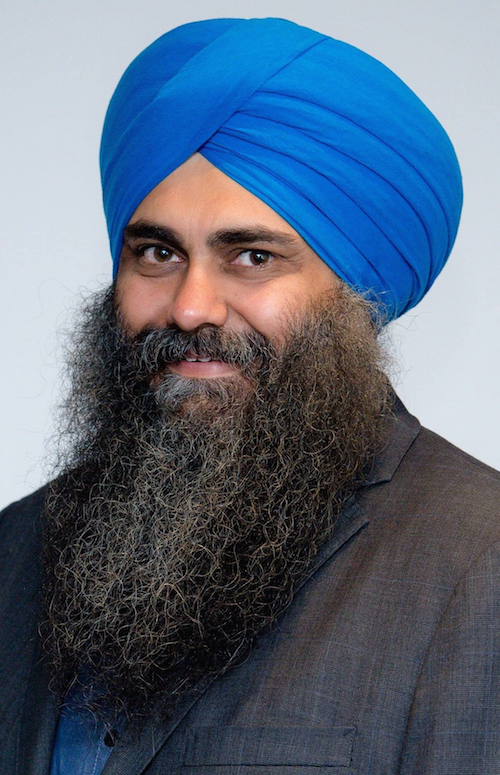
Tim Uppal
Henderson’s candidacy will also likely mean that Conservative Party MP Tim Uppal will be forced to spend more time campaigning inside his riding than if he faced a lesser known Liberal candidate.
Edmonton-Mill Woods was represented by Liberal MP and former city Councillor Amarjeet Sohi from 2015 until his defeat to Uppal in 2019. Sohi is now running for Mayor of Edmonton.
The area was previously represented by Conservative MP Mike Lake from 2006 to 2015 (Lake now represents the neighbouring Edmonton-Wetaskiwin) and Progressive Conservative-turned-Liberal MP David Kilgour from 1979 to 2006.
Also nominated by the Liberal Party today is Shahnaz Jabeen in Calgary-Rocky Ridge.
Calgary-Edgemont NDP candidate Julia Hayter (Source: Twitter)
Julia Hayter was nominated as the Alberta NDP candidate in Calgary-Edgemont at a meeting held last night.
Hayter was the NDP candidate in the northwest Calgary district in the 2019 election, where she earned 34 per cent of the vote to United Conservative Party candidate Prasad Panda’s 52 per cent. Panda currently serves as Minister of Infrastructure.
Hayter is the second NDP candidate nominated to run in the expected 2023 provincial election. Dr. Luanne Metz has been nominated to run in the neighbouring Calgary-Varisty.
Sayid Ahmed seeking UCP nomination in Edmonton-Decore
Sayid Ahmed has filed papers with Elections Alberta to seek the UCP nomination in Edmonton-Decore. Ahmed is a manager in the provincial Department of Health and is President of the UCP association in the neighbouring Edmonton-Manning district and Vice President of Policy for the Alberta Advisory Board of the Conservative Black Congress of Canada.
Edmonton-Decore has been represented by NDP MLA Chris Nielsen since 2015. Nielson was re-elected in 2019 with 47.5 per cent of the vote, ahead of UCP candidate Karen Principe (Principe is currently running for Edmonton City Council in Ward tastawiyiniwak). The third place candidate in that year’s race, Alberta Party candidate Ali Haymour, is running for city council in Edmonton’s Ward Anirniq.
The district is named after former MLA Laurence Decore, who served as MLA for the then-named Edmonton-Glengarry from 1989 to 1997 and as Mayor of Edmonton from 1983 to 1988. He was leader of the Alberta Liberal Party from 1988 to 1994.
Ahmed is the second prospective candidate to announce plans to seek a UCP nomination ahead of the 2023 election. Chantelle de Jonge has filed her papers to run for the UCP nomination in Chestermere-Strathmore.
Former Edmonton lawyer Randy Hogle running for Senate
Former Edmonton lawyer Randy Hogle has filed his papers to run as a candidate in the Senate Nominee election, which is being held on the same day as Alberta’s October 18 municipal elections.
Hogle had a successful legal career and, despite being legally blind, he excelled as an equestrian athlete. This is his second attempt at political office after a previous run for Edmonton City Council in 1992, during which one of his key platform points was the construction of bike lanes on Jasper Avenue.
Hogle is the son of former long-time CFRN news director Bruce Hogle and brother of former sports reporter and current Hockey Edmonton General Manager Steve Hogle.
Sorensen’s long record of public service includes terms as a trustee on the Canadian Rockies Public Schools from 1997 to 2001, as a Banff town councillor from 2004 to 2010 and as mayor from 2010 until her appointment to the Senate in 2021.
She will sit as an Independent member of Canada’s upper chamber.
UPDATE:
Mykhailo Martyniouk has submitted his papers with Elections Alberta to run in the Senate Nominee election. Martyniouk is the current president of the Canadian Ukrainian Free Trade Agreement Association.
In 2019, Martyniouk donated $1,155 to Edmonton-Beverly-Clareview UCP candidate David Egan and in 2018 he donated $300 to the UCP association in Edmonton-Beverly-Clareview. In 2020, he donated 1,600 to the Conservative Party of Canada association in Edmonton-Manning.
It’s been more than one month since Premier Jason Kenney announced the end to public health measures meant to curb the spread of COVID and a week after he announced the province would stop tracking the virus, end contact tracing and remove the legal requirement for people with COVID symptoms to self-isolate.
This rush to remove public health restrictions has left a lot of Albertans confused and uncomfortable with his sudden decisions as cases of the Delta Variant increase and hundreds of thousands of Albertans under the age of 12 remain ineligible for vaccines as the start of the school year rapidly approaches.
The original announcement to remove public health measures, including mandatory face-masking in public indoor spaces, was made ahead of Canada Day (or the long-abolished “Dominion Day” as Kenney has often called our national holiday). But it was the Calgary Stampede that Kenney wielded and waved like a carnival balloon sword against any Albertan who dared criticize his government’s rush to claim the pandemic is over.
Canada has made big gains in vaccinating people against COVID-19, despite earlier predictions by some that we might not have access to vaccines for years. In fact, cases where federal vaccine supply could not match provincial distribution were rare, and completely non-existent in Alberta. Yet, Alberta remains below the national average for full vaccination rates – and some regions of the province are sitting at troublingly low levels of vaccinations.
A vaccine lottery, dubbed lottovaxx, was launched to push Alberta above the artificial hurdle that Kenney placed to remove restrictions and allow the Stampede to open its gates. A hunting lottery and trips to hot destinations were added, but it appears to have barely moved the needle.
Dr. Deena Hinshaw, Alberta’s Chief Medical Officer of Health, has endorsed Kenney’s plan as the government’s chief spokesperson on the topic, but even she had to issue an op-ed today trying to counter the loud chorus of critics.
After more than a month out of the public spotlight, Hinshaw was once again thrust into a role that Kenney and Health Minister Tyler Shandro had filled since the Stampede. All of a sudden, Kenney began insisting that Hinshaw was the person in charge.
Despite her endorsement, Hinshaw is in the lonely position of being the only, or one of the only, medical professionals in Alberta to publicly support Kenney’s rush to remove COVID testing, tracing and isolation requirements.
Whether or not it is intentional, Hinshaw is now doing political damage control for the Kenney government.
It is inevitable that we would have removed public health restrictions at some point. As vaccination rates increase, it is expected that COVID-19 cases will be mostly limited to the unvaccinated, which again still includes hundreds of thousands of Alberta kids who can’t choose to get vaccinated.
Parents and teachers are left with no plan and little reassurances about what will happen when their unvaccinated kids return to school and childcare in September.
Kenney’s and Hinshaw’s assurances to parents that they will need to figure it out on their own have not been confidence inspiring.
Albertans with legitimate concerns and questions about the pace of Kenney’s plan have been dismissed by Hinshaw as having “anxiety” or by the Premier’s staff as wanting a “permanent lockdown.” These dismissive and aggressive responses communicated by the government are insulting and patronizing a broad group of parents with legitimate concerns and fears, well earned a year and a half into a public health crisis.
That the government still isn’t able to effectively communicate with the public about these measures is an indication that they are either largely indifferent or completely inept.
If we have learned anything over the past 18 months, it is that the COVID-19 pandemic is probably best approached with a healthy mix of vigilance and optimism. But the UCP government’s approach is all optimism that the pandemic is over and no vigilance to ensure it actually is. We constantly heard from Kenney that we were headed to the Best Summer Ever, but his eagerness to put COVID behind him has left a lot of Albertans behind.
It has been a traumatic and tough 18 months for a lot of people.
Millions of Albertans found themselves working from home, not working at all, thrust into homeschooling and childcare, and in addition to that, many of us have mourned family, friends and colleagues who have died of COVID-19 or other ailments that we have not been able to properly grieve.
Kenney’s Best Summer Ever promise appears to apply largely to the Premier and his small group of insiders the Best Summer Ever hats were made for, who have been able to dine al fresco on a government patio, take in the private parties and open bars at the 2021 Stampede, fire automatic weapons with the Taber Police and many other perks they are indulging in while the Legislature is out. For many Albertans, that slogan and swag hats are a crass and insensitive response to what should be a summer of reflection, recuperation and preparation for the coming school year.