Categories
Alberta Politics

What lies ahead for Alberta’s political parties in 2021

With 2020 on its way out here is quick look at what might await Alberta’s political parties in 2021:

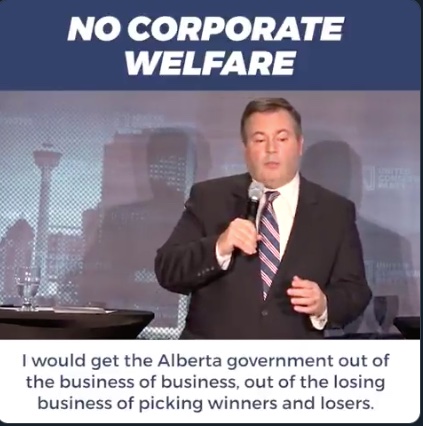
United Conservative Party: The UCP will continue pushing through a legislative agenda and ideological project that includes mass privatization of public services and public land, and big job losses for public sector workers.

Jason Kenney (source: Flickr)

The UCP’s inability to pivot off its agenda has been demonstrated clearly during the COVID-19 pandemic as Health Minister Tyler Shandro continued his fight against Alberta doctors, planned layoffs of thousands of nurses and health care workers, and schemed to privatize large swaths of the public health care system.

Kenney’s inconsistent approach to the pandemic has likely alienated him from both Albertans who would like to see more serious public health measures taken and those who think being required to wear a face-mask in public spaces is too far.

A federal election in 2021 might distract Albertans from the UCP’s mismanaging of the COVID-19 pandemic, so expect the UCP to ramp up attacks on Prime Minister Justin Trudeau and the federal Liberals. Increasing attacks of the federal government and next year’s promised referendum on equalization and Senate nominee election could also serve as a distraction from poor economic growth and the cancellation of the Keystone XL Pipeline permit by incoming United States President Joe Biden.

Kenney’s approval ratings took a big hit in 2020 and the UCP has dropped considerably in the polls since 2019. If their leader looks like he has become a liability for re-election in 2023 then expect a change at the top. Conservative parties in Alberta are ruthless with leaders who stop looking like winners, just ask Don Getty, Ralph Klein, Ed Stelmach and Alison Redford.

The good news for Kenney is that he is only two years into his government’s four year term in office which leaves him with some time to turn around his political fortunes. But the clock is ticking and the tire-kickers could soon be kicking.

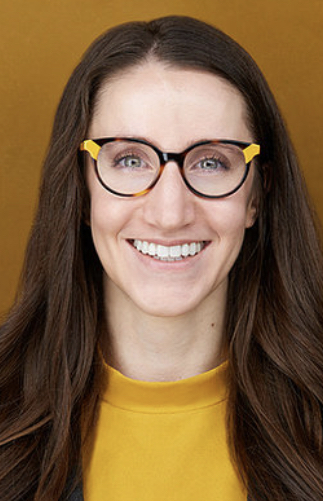
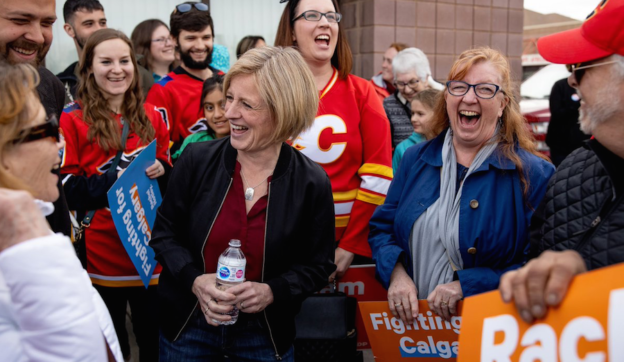
Alberta NDP: It is not often that political leaders in Canada are given a second chance, but despite losing the 2019 election Rachel Notley remains in firm control of her New Democratic Party.

Rachel Notley (source: Facebook)

Notley’s moderate NDP is leading or tied with the UCP is three of the four recent voter intention polls released during the second wave of the COVID-19 pandemic and has maintained competitive fundraising levels, but the next election is still more than two years away.

The potential for strikes by public sector workers in 2021 could test the NDP’s political coalition. The NDP’s opponents will inevitably try to use any major labour disputes as a wedge between the party’s union activist wing and its more moderate and centrist supporters.

The key to an NDP victory in 2023 will be a breakthrough in Calgary, smaller urban centres like Lethbridge and Red Deer, and a small handful of suburban and rural ridings scattered across Alberta. The NDP swept those regions in 2015 and Notley has already signalled through her constant visits and social media posts that her focus in 2021 will be Calgary, Calgary, and more Calgary.

Alberta Party: Finding a new permanent leader should be the top focus of this tiny moderate conservative party. The Alberta Party has become home to a small group of disenchanted former Progressive Conservatives unhappy the combative tone and social conservative politics of the UCP. The party lost all its seats in 2019 but continues to poll around 10 per cent support in most surveys. In a two-party political environment, the Alberta Party needs to give Albertans a reason to vote for it that is beyond just not being the UCP or NDP.

Alberta Liberal Party: The Liberals not only need to find a new leader, they need to find a reason to exist. After forming Official Opposition for 19 years, the Liberal vote collapsed in 2012, saw almost all of its supporters migrate to Notley’s NDP in 2015 and lost its only seat in the Assembly in 2019. With the NDP now comfortably occupying the space held by the Liberals in the 1990s and 2000s, the Liberals need a raison d’être in Alberta.

Green Party: Yes, Alberta has a Green Party. The Greens have been issuing a steady stream of press statements that plant the party firmly to the left of the moderate NDP on climate change, the environment and pipelines. It seems unlikely that the party will make any electoral breakthroughs in the near future, but they could put pressure on the NDP to remember that it still has a progressive wing.

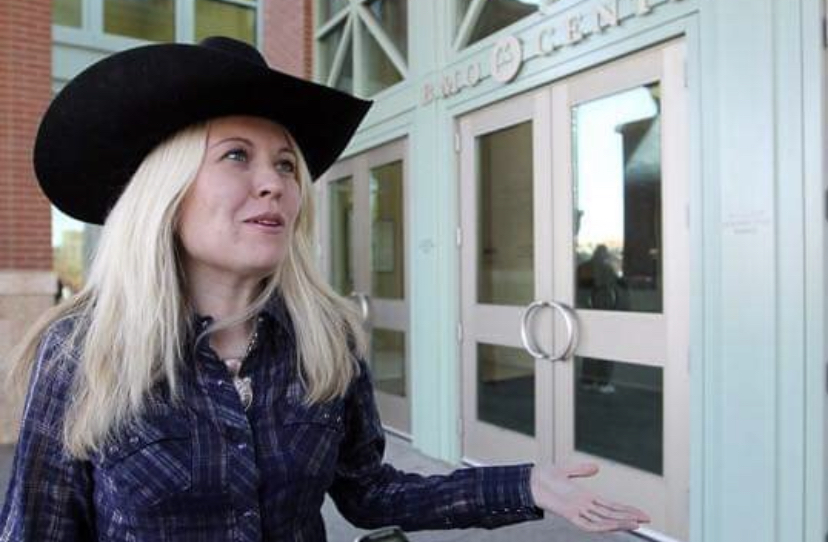
Wildrose Independence Party: Also looking for a new leader in 2021, the child of a merger between the Freedom Conservative Party and the Wexit group in 2020 is now led by former Wildrose MLA Paul Hinman.

Drew Barnes Wildrose MLA Cypress Medicine Hat
Drew Barnes

While separatist sentiment appears to be waining the further time passes from the last federal election, Hinman has clamped on to the anti-mask and anti-COVID restrictions groups as his focus, appearing at demonstrations in the two cities.

A number of UCP MLAs have expressed similar views, leading some political watchers to believe that one UCP MLA in particular – Drew Barnes – could be auditioning for Hinman’s job if his public comments become too much for the UCP.

The other fringe separatist parties: The Alberta Advantage Party and Independence Party of Alberta are also looking for new leaders. Advantage Party leader Marilyn Burns, a former Wildrose supporter, resigned in the fall amid a leadership challenge and has announced plans to run for the position again. Former Wildrose constituency president Lenard Biscope is now interim leader.

Communist Party of Alberta: Carry on, Comrades.

Thoughts? What do you think awaits Alberta’s political parties in 2021?

Categories
Alberta Politics

Did the UCP back down from its plans to delist Alberta provincial parks?

The devil will be in the details but it appears as though the Alberta government may have backed down from its plans to delist or close 175 of Alberta’s provincial parks.

Jason Nixon
Jason Nixon

Albertans from all corners of the province have rightfully feared that delisting parks and re-classifying them as crown land would remove environmental protections from the land and almost certainly lead to it being sold away to the highest bidder.

I will approach this announcement with caution and skepticism and will wait for more information, but it is very clear that growing public pressure forced the United Conservative Party to make this announcement.

Alberta conservation and environmental groups mounted an aggressive public advocacy campaign called Defend Alberta Parks in support of provincial parks after Environment & Parks Minister Jason Nixon unilaterally announced the changes without any public consultation earlier this year.

The campaign was arrogantly dismissed by Premier Jason Kenney who casually accused it of being run by “foreign special interest groups” and “green left organizations.” But if you take a drive through almost any neighbourhood in Alberta you are bound to spot green and white Defend Alberta Parks lawn signs.

We discussed this issue and the impact of the campaign with Annalise Klingbeil on episode 55 and episode 63 of the Daveberta Podcast.

Here is the press release from the Canadian Parks and Wilderness Association in response to the announcement:

“The good news Albertans needed”: Provincial government announces 175 Alberta parks sites will no longer be delisted or closed

December 22, 2020

CPAWS Northern and Southern Alberta Chapters are happy to see the Government of Alberta’s announcement that all parks included in the February “Optimizing Alberta Parks” plan, which stated that 175 parks sites would be delisted or closed, will now retain their current designations and associated protections.

“This is the good news Albertans needed as we say goodbye to 2020,” says Katie Morrison, Conservation Director with CPAWS Southern Alberta. “After months and months of fighting to keep these parks from losing their protection, we can celebrate the recent announcement from the Government of Alberta.”

The announcement states that “All sites will maintain their parks designations, regardless of whether they have confirmed an operational partnership. All sites will remain protected in law, and are accessible to Albertans for recreation and enjoyment.”

While the release states that there are now 170 parks partnerships, this list includes all the previous Facility Operating Agreements and partnerships, and thus it is unclear exactly how many new partnerships have been found.

“We look forward to transparent operating agreements between all partners and Alberta Environment and Parks to ensure that high standards of conservation and responsible recreation are upheld within all of these sites,” adds Chris Smith, Parks Coordinator with CPAWS Northern Alberta.

While the plan announced in February will not go forward, there is still risk that these areas could lose protection as legislative changes to Alberta’s parks system are expected under the province’s new Crown Land Vision. Our teams will be working to ensure that all of these areas and the entire provincial parks system maintain equivalent or stronger protections under any proposed changes to park legislation.

We encourage all Albertans who believe in the importance of a strong parks and protected area system to take this opportunity to share their opinion through the Government of Alberta’s public engagement on the Crown Land Vision. We encourage everyone to keep their Defend Alberta Parks lawn signs up and keep the pressure on to ensure that any changes only strengthen and improve the protection of Alberta’s parks.

But today, the more than 21,000 Albertans who wrote a letter to their MLA in opposition to the plan to delist and close parks have a reason to celebrate and should be proud that they stood up for their parks.

CPAWS Northern and Southern Alberta Chapters, along with the Alberta Environment Network, thank the Alberta government for listening to Albertans and providing some much-needed clarity on provincial parks planning that has been called for over the last year. Our teams look forward to hearing further details on parks partnerships and the protections planned for these sites under the Crown Land Vision.

Categories
Alberta Politics

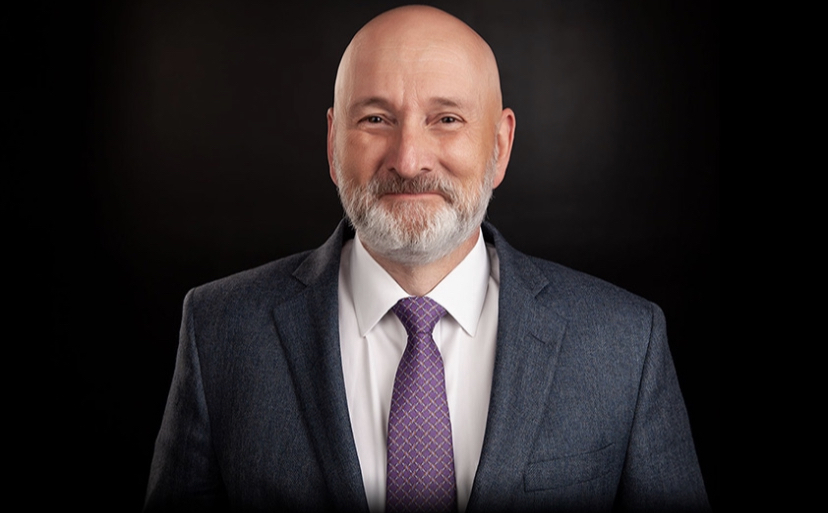
Former PC activist Troy Wason takes over as Alberta Party new executive director

The Alberta Party hasn’t been making many headlines lately, but there will soon be a significant staff change in the ranks of the small moderate conservative party. The party announced today that former Progressive Conservative executive director Troy Wason is taking over as interim executive director of the Alberta Party, replacing outgoing interim executive director Mark Taylor.

Troy Wason
Troy Wason

A well-respected long-time PC Party activist, Wason took over as executive director of the PC Party following the long-time governing party’s defeat in the 2015 election and resigned on the day Jason Kenney became that party’s leader in 2017.

Wason’s joining the Alberta Party could provide some internal direction for the party, which lost all of 3 of its seats in the 2019 election. The party continues to struggle to define itself and remains without a bigger key player – a permanent leader.

The Alberta Party has been without a permanent leader since the resignation of former leader Stephen Mandel in June 2019. The role remained vacant until earlier this year when former Fort Sasktachewan-Vegreville PC MLA Jacquie Fenske was named as interim leader, solidifying the party’s image as a refuge for former PC supporters uncomfortable with the social conservative flavour of the United Conservative Party and unable to support the moderate New Democratic Party.

The party was expected to have held a leadership race in 2020 but, like most other things, it was delayed because of the COVID-19 pandemic.

Categories
Alberta Politics

Jason Kenney introduces Alberta’s not-a-lockdown lockdown

Amid a month-long spike in new COVID-19 cases, the Alberta government introduced increased measures and restrictions on businesses that include closing casinos, bar and in-person dining in restaurants, and a province-wide mandatory face-mask requirement. The measures are necessary but come after weeks of feet-dragging by provincial leaders.

Weaker measures introduced two weeks ago proved ineffective but you will not hear Premier Jason Kenney admit it, and you will not hear him call the new measures a lockdown.

Rachel Notley (source: Facebook)

Despite loud warnings from physicians, public health professionals and health care unions over the past month that the government was not taking serious enough action to slow and stop the spread of COVID-19, Kenney’s government attacked and mocked those calling for some of the same measures he introduced today.

At times it has seemed as as though Kenney was more concerned with not doing anything that might alienate elements of his political base than he was in taking measures to actually stop or slow the spread of the virus. This concern about his voter base appears to also include an avoidance of the word “lockdown,” despite it being an appropriate description of what the government has implemented.

The government’s new measures still fall short of the “circuit-breaker” lockdown proposed by health care professionals and the more comprehensive plan proposed by New Democratic Party leader Rachel Notley.

As of today, there are 20,388 active cases province-wide and have been 640 deaths caused by COVID-19.

Still no federal app

The measures announced by Kenney still did not include the activation of the federal CovidAlert app in Alberta. The federal app has become one of the latest targets of partisan attacks against Ottawa, with cabinet minister Jason Nixon referring to it as the “Trudeau Tracing App.”

Despite the adoption of the ABTraceTogether App early in the pandemic, it has proven ineffective and is reported to have only been effectively used 19 times since it was launched in the spring.

Unlike Alberta’s app, the federal app allows contact tracers to track the spread of COVID-19 across provincial boundaries.

Schweitzer shows a little humanity, some leadership potential

Doug Schweitzer Calgary Alberta Conservative
Doug Schweitzer

Along with Kenney and Chief Medical Officer Dr. Deena Hinshaw, the press conference announcing the increased measures featured Health Minister Tyler Shandro and Minister of Jobs, Economy and Innovation Doug Schweitzer.

Engaging in a bit of mischief-making, Lethbridge-West NDP MLA Shannon Phillips mused about Schweitzer’s performance and potential leadership ambitions. While Phillips’ commentary was certainly designed to create mischief, she may have a point.

Compared to Kenney, who remains robotic, unemotional and prone to partisan outbursts, and Shandro, who appears to perpetually carry a giant chip on his shoulder, Schweitzer sounded like a real human being. While he does have a serious ‘dude bro’ vibe and his comments today were weighed down by business jargon, he was a much clearer and sympathetic communicator than his two colleagues.

Shannon Phillips NDP MLA Lethbridge West
Shannon Phillips

Kenney has displayed almost complete command and control over the United Conservative Party and Caucus since taking over as leader in 2017, but he has clearly failed to demonstrate leadership during the biggest crisis in a generation. Recent polls show Kenney’s leadership approval ratings have continued to plummet, the NDP are leading in province-wide support, and only 25 per cent of Albertans approve of how the UCP government has responded the COVID-19 pandemic.

Kenney may be in complete control of his party today, but history shows that Conservative parties in Alberta can be ruthless towards leaders who become liabilities at the ballot box. Just ask Don Getty, Ralph Klein, Ed Stelmach and Alison Redford.

Categories
Alberta Politics Daveberta Podcast

Episode 64: Pandemic, Partisanship, and Post-Secondary Education in Alberta

Melanee Thomas University of Calgary
Melanee Thomas

Melanee Thomas joined Dave Cournoyer for a deep dive into Alberta’s politics during the COVID-19 pandemic, including the relationship between the provincial and federal governments, and how Albertans’ political self-identification could be influencing Premier Jason Kenney’s decision to avoid serious public health measures including a province-wide mandatory mask mandate. Thomas also shared what it has been like to teach at a university during the global pandemic.

Thomas is an Associate Professor in the Department of Political Science at the University of Calgary.

The Daveberta Podcast is hosted by Dave Cournoyer and produced by Adam Rozenhart.

The Daveberta Podcast is a member of the Alberta Podcast Network: Locally grown. Community supported. The Alberta Podcast Network includes dozens of great made-in-Alberta podcasts.

You can listen and subscribe to the Daveberta Podcast on Apple PodcastsGoogle PlaySpotifyStitcher, or wherever you find podcasts online. We love feedback from our listeners, so let us know what you think of this episode and leave a review where you download.

Find us on TwitterInstagram, Facebook, or you can email us at podcast@daveberta.ca. Thanks for listening.

Categories
Alberta Politics

Alberta politics this week… where do I even start?

It’s 9:30 p.m. I’m sitting down in my living room with the intention of writing a piece about what happened in Alberta politics this week. But where the heck do I even start?

I could write about Premier Jason Kenney‘s growing focus on not alienating anti-vaxxers following his recent announcement about the potential distribution of COVID-19 vaccinations in 2021. Or I could write about how Health Minister Tyler Shandro amplified Kenney’s comments that basically amount to protecting anti-vaxxers from a vaccine that could stop a pandemic that has almost ground many part of our society and economy to a halt this year.

I could also write about Chief Medical Officer of Health Dr. Deena Hinshaw’s announcement today that there were more than 1,800 new cases of COVID-19 and 14 new deaths in Alberta. Overworked doctors and nurses also remain concerned that understaffed hospitals could be overwhelmed by the growing number of new COVID-19 cases in Alberta. And Alberta remains the only province without a province-wide mandatory mask mandate.

I would like to write about the steady stream of information leaks coming from the Alberta government to the media and the NDP opposition, which has led to stories about public health advice presented to cabinet, modelling projections and the government’s plans to set up Red Cross and federal government field hospitals in Alberta.

I could write about how in a radio interview this week, Kenney singled out the South Asian community in northeast Calgary as spreaders of COVID-19. I could also write about City Councillor George Chahal‘s response, tweeting that Kenney “should focus on those knowingly putting our frontline workers and their families at risk by violating public health orders, not the people working the jobs we need to keep our city going during a global pandemic.”

I might also write about the handful of recent public opinion polls that suggest the Kenney government is continuing to flounder. Kenney’s approval rating has dropped to 40 per cent, according to a recent Angus Reid survey, and the United Conservative Party fell behind the New Democratic Party in a voter intention poll conducted by Environics and commissioned by CUPE Alberta.

But I also might pen a piece about how politicians from other provinces are starting to refer to Alberta to downplay the spread of COVID in their own provinces.

Ontario Health Minister Christine Elliott, the wife of Kenney’s former colleague the late Jim Flaherty, singled out Alberta during Question Period at Queen’s Park earlier this week.

“You want to speak about who is in crisis? Have you taken a look at Alberta, where they’re doubling up patients in intensive care units? We’re not doing that in Ontario,” Elliott said.

And our neighbours to the north are even asking questions about us. Northwest Territories MLA Kevin O’Reilly is asking whether the territory will stop sending patients to Alberta.

I might delve into why the Alberta government has left at least $300 million on the table that could be used to pay top-up wages to health-care workers, correctional officers, first responders and other essential workers on the front lines of the COVID-19 pandemic. Alberta Senator Paula Simons asked about that in Ottawa this week.

Or I could write about how the Alberta government’s own data seems to contradict Environment & Parks Minister Jason Nixon‘s claims about provincial parks being shuttered and privatized because of low usage.

I could try to figure out what in the world Red Deer-South UCP MLA Jason Stephan means when he raised red flags about “socialist decarbonization” during a private members statement in the Legislative Assembly this week. But that might take a series of think-pieces to even attempt to explain.

Now I’m getting tired, so I’ll leave you with these thoughts and a tweet from William Shatner, aka Captain James T. Kirk, about the Alberta government’s stubborn refusal to adopt the federal CovidAlert Tracing app.

Good night.

Categories
Alberta Politics

Doing the Minimum: Kenney’s Covid Plan

Premier Jason Kenney emerged from ten days in seclusion to announce new measures in response to the record-breaking daily increases in COVID-19 cases in Alberta.

Far below the “circuit-breaker lockdown” that had been called for by public health experts, the new plan announced by Kenney is mostly previously made suggestions that are now loosely enforced rules with a lot of exceptions. And they are just as confusing at the previous restrictions.

Middle schools and high schools will move to online instruction, but restaurants, bars and casinos will remain open. There was no mention of allowing the federal CovidAlert tracing app to be activated in Alberta, even as our province’s contact tracing capacity has collapsed. And because the contract tracing has largely stopped, it is unclear what data Kenney’s government used when creating these new targeted measures.

The new rules are mostly directed at Calgary and Edmonton, with no face-mask requirements or permanent expanded business restrictions in rural areas. Alberta is now the only province without a province-wide mandatory mask mandate.

The exemptions for rural Alberta communities, as well as exemptions for indoor social gatherings in churches, suggest the the United Conservative Party government is prioritizing appeasing it’s main political constituencies – rural Albertans, libertarians, social conservatives, and industry lobby groups like Restaurants Canada and the Canadian Federation of Independent Business – over taking the advice of public health experts.

Kenney frequently frames the government’s options as either “total lockdown” or “the minimum” measures, but as we know from other provinces and countries there are many actions that can be taken that the Alberta government is unwilling to do.

In a harshly worded column in the Globe & Mail, Andre Picard described Kenney’s announcement as “inaction posing as action, a quasi-libertarian Premier bending over backward to do nothing while pretending to do something.”

The half-measures announced today are undoubtably the result of political bargaining within a cabinet and caucus that appear unprepared or unwilling to take drastic action to protect Albertans by stopping the spread of the virus. It is hard to imagine any past Alberta government, whether it be Progressive Conservative or New Democrat, making these types of concessions during a public health crisis.

During the press conference, Kenney repeatedly spoke about the need to protect the economy and “the poor,” but the economy is people and any economic recovery won’t happen until the virus is contained. Government has the ability and responsibility to provide financial supports for all Albertans who are impacted by COVID-19 restrictions.

True to form, Kenney also took a moment to chastise public sector workers who collect a “public paycheque.” It is notable that none of the measures announced by Kenney were specifically aimed at relieving the pressure on understaffed hospitals and care centres where over-worked frontline nurses, doctors and health workers risk their lives to face the pandemic everyday. In fact, the fiscal update released earlier in the day by Finance Minister Travis Toews actually described public sector workers as a drain on the economy.

The Kenney government had eight months to plan and prepare for a second wave that was widely predicted but it appears that in their eagerness over the summer to shift the political narrative back to pipelines and the economy, Kenney has been caught flat footed.

The UCP government had eight months where it could have supported health care workers and educators, built up contact tracing capacity, and put in place plans for the second wave. But instead the UCP cabinet pulled an all-nighter and threw together a patch-work plan in eight hours.

Categories
Alberta Politics

#1 for the wrong reason: Alberta leads Canada in new COVID-19 cases. Where is Jason Kenney?

Alberta broke its daily record for new COVID-19 cases and led the country in new cases. With 1,584 new cases, Alberta had more new cases than Canada’s two largest provinces, Quebec with 1,154, and Ontario with 1,534. 

The second wave of the COVID-19 pandemic is hitting Alberta hard, and our leadership is sending out mixed messages. While the pandemic was of upmost importance earlier in the year, provincial leaders shifted their focus to the economy over the summer and resisted calls from health care experts for a province-wide mandatory mask requirement. Alberta is now the only province without a province-wide mask mandate.

Miranda Rosin Banff Kananaskis UCP MLA
Miranda Rosin

Premier Jason Kenney, who is in his second period of self-isolation after being exposed to someone with COVID-19 during a trip to northern Alberta earlier this month, has been silent on the daily record breaking cases. But although Kenney has been publicly silent on the surge in COVID cases and the many recent tragic deaths as a result of the virus, he was said to have recently appeared via Zoom at the Edmonton-South West United Conservative Party annual general meeting and a screenshot of him speaking via Zoom to the Canada India Foundation was circulating on social media this evening.

While no one is expecting Kenney to have all the answers, his disappearance is puzzling.

Even Health Minister Tyler Shandro has made only rare appearances outside the Legislative Assembly chamber lately, with most appearances related to defending Alberta’s ineffective COVID-19 tracing app.

In the absence of leadership, some UCP MLAs are filling the void with confusing information and mixed-messaging that undermines the work of public health professionals like Dr. Deena Hinshaw.

Banff-Kananaskis MLA Miranda Rosin mailed pamphlets to thousands of her constituents last week claiming that the worst of the pandemic was over and that now was the time to focus on the economy.

And a video circulating on social media showed Associate Minster of Mental Health and Addictions and Calgary-Foothills MLA Jason Luan claiming that the government’s COVID-19 plan was to wait for hospital intensive care units to reach full capacity before changing course. Luan later retracted his comments in a carefully prepared written statement.

Meanwhile, the situation in hospital ICU’s across Alberta has reached serious levels. Not only are ICU beds filling up, but the pandemic is taking a serious toll on the health care professionals required to staff these intensive units. Most staff are overworked and having to work many additional shifts to cover for co-workers who have been exposed to COVID and are required to go into self-isolation.

In many cases, nurses and health workers are taking time-off without pay because their sick leave banks have run dry and a special self-isolation leave was ended by Alberta Health Services in July.

New Democratic Party leader Rachel Notley has announced that she plans to ask for an emergency debate about the COVID-19 pandemic when MLAs return to the Legislature tomorrow.

And rumours are circulating tonight that Kenney may break his silence and join Dr. Hinshaw at a press conference tomorrow to announce a new series of measures to combat the pandemic, maybe even more stringent than the strongly encouraged voluntary measures that have clearly not been working.


David Khan to step down as Liberal Party leader

David Khan Alberta Liberal Party Leader
David Khan

The Alberta Liberal Party will soon be looking for a new leader. A press release sent out by the party today announced that leader David Khan would soon step down to pursue his legal career.

The congenial Khan has run under the provincial Liberal Party banner four times since 2014 and was chosen as party leader after launching a last-minute candidacy in 2017.

While Khan placed a strong third in Calgary-Buffalo in 2015, he finished a distant fourth in Calgary-Mountain View in 2019 as his party’s fortunes collapsed across the province. While he performed respectfully in the televised leaders debate, the Liberals were unable to break into what was largely two-party race between the UCP and NDP.

The 2019 election marked the first time since 1982 that the Liberals did not elect an MLA to the Legislative Assembly.

Categories
Alberta Politics Daveberta Podcast

Episode 63: Defending Alberta Parks and the COVID emergency

Annalise Klingbeil joins the Daveberta Podcast to discuss the latest developments in United Conservative Party government’s plans to close and privatize more than 160 provincial parks and recreation areas. We also discuss the mixed-messaging about COVID-19 from Premier Jason Kenney and his cabinet ministers as the second wave of the pandemic surges in Alberta. And we share some ideas about how the government could improve its COVID-19 communications.

Annalise is co-founder of Champion Communications & PR. She previously worked as a ministerial press secretary and before that she was a journalist at the Calgary Herald. She is also the co-founder of the Go Outside newsletter.

The Daveberta Podcast is hosted by Dave Cournoyer and produced by Adam Rozenhart.

The Daveberta Podcast is a member of the Alberta Podcast Network: Locally grown. Community supported. The Alberta Podcast Network includes dozens of great made-in-Alberta podcasts.

You can listen and subscribe to the Daveberta Podcast on Apple PodcastsGoogle PlaySpotifyStitcher, or wherever you find podcasts online. We love feedback from our listeners, so let us know what you think of this episode and leave a review where you download.

Find us on TwitterInstagram, Facebook, or you can email us at podcast@daveberta.ca. Thanks for listening.

Recommended Reading/Listening

Categories
Alberta Politics

A spectre is haunting the UCP – the spectre of communism

From the columns of Postmedia newspapers to the halls of the United Conservative Party caucus, the the spectre of communism and socialism is striking fear in the minds of political elites who see Bolsheviks breeding in every corner of Alberta, from City Council chambers to voluntary blood donor clinics.

Kaycee Madu Edmonton South West
Kaycee Madu (Source: Twitter)

Using the same abrasive approach that got him promoted in cabinet, Justice Minister and Edmonton-South West UCP MLA Kaycee Madu warned against reforms to the Calgary police budget, describing City Councillors in the province’s largest city as “a bunch of socialists who would prefer to have a chaotic world. That is how they win elections and that is how they demonize people they disagree with.”

Last week, Fort McMurray-Wood Buffalo UCP MLA Tany Yao described labour unions and advocates opposed to his private members’ bill to legalize corporate for-profit blood donation clinics as socialists who want to harvest organs from people without consent.

This was not the first time Yao had warned against the perils of the Red Menace.

Tany Yao UCP MLA Fort McMurray Wood Buffalo
Tany Yao

In July 2020, Yao stood on the floor of the Assembly and claimed that Edmonton-Ellerslie NDP MLA Rod Loyola was the former leader of the Communist Party. Yao was later forced to withdraw his claim because it was not true.

Lac Ste. Anne-Parkland UCP MLA Shane Getson posted on Facebook that there was a “VIP section” in hell awaiting the “Socialist NDP.”

And in a video on Facebook, Getson described the federal Liberal Party as communists.”They think it’s the red they used to vote for twenty years ago. Well, the only red that’s happening there is so akin to that hammer and sickle right now, it’s not a centrist, it’s that slow dance to socialism,” Getson said.

In February 2020, Airdrie-Cochrane UCP MLA Peter Guthrie wrote an entire MLA column warning about the dangers of communism. Guthrie’s column was syndicated on the websites of weekly Postmedia newspapers across Canada.

Red Deer-South UPC MLA Jason Stephan referred to the NDP’s elected term in government as a “socialist occupation” and described other provinces as “hostile, parasitic partners” that depend on Alberta for welfare payments.

Former UCP cabinet minister Tanya Fir has referred to the former NDP government as a “socialist dumpster fire.”

Ron Orr UCP MLA Lacombe Ponoka
Ron Orr

And who could forget the time Lacombe-Ponoka UCP MLA Ron Orr warned that the legalization of marijuana could lead to a communist revolution.

Former Conservative Party of Canada leadership candidate Leslyn Lewis, who led the votes in Alberta, published an op-ed in the National Post that accused Trudeau of plotting a “Socialist coup” in Canada.

Even Premier Jason Kenney is known to toss around flamboyant warnings about the rise of ‘bohemian Marxism’ or radical European green-left eco-socialists who have undue influence over the international banking system. A fixture on the libertarian think tank symposium circuit, Kenney frequently indulges in attacks on socialism in his responses to the opposition in Question Period.

Peter Guthrie MLA Airdrie-Cochrane UCP Communism
Peter Guthrie

Of course, this kind of rhetoric is nothing new.

It appears that there could be a competition among UCP MLAs about who can sound the most like a paranoid Social Credit MLA from the 1950s.

In Alberta, history repeats itself, the first time as tragedy, the second time as farce.

Of course, it has been a long time since any major political party in Alberta could have been described as socialist or communist.

UCP claims that Rachel Notley and the NDP are dangerous socialists are meant to marginalize and discredit the opposition or bait their opponents into a debate. But it is increasingly clear that in the minds of some government MLAs, the talking points have become reality.

The anti-communist terminology is from another era and, quite frankly, it is very weird.

As a government and now as official opposition, the Alberta NDP were only slightly to the political left of the Progressive Conservative Party it defeated in 2015.

In reality, the NDP government only moved Alberta to the mainstream of labour laws compared to other provinces and the only industries it ever seriously mused about nationalizing were driver’s road tests and hospital laundry services.

In most other provinces, the Alberta NDP would be considered closer to a centre-leftish Liberal Party than anything resembling anything Karl Marx wrote about.


Secret Public Inquiry delayed again

The final report of the McCarthy-esq Public Inquiry into Anti-Alberta Energy Campaigns has been delayed again. The $3.5 million public inquiry, which was lauded by Kenney as part of his “Fight Back Strategy” against alleged enemies of Alberta’s oil industry, was granted a second extension to submit its final report to Energy Minister Sonya Savage.

The public inquiry that has operated in near-complete secrecy under the leadership of Commissioner Steve Allan will now submit its final report to Savage on Jan. 31, 2021, at least until the deadline is extended again.

Categories
Alberta Politics

Make Calgary Great Again, Edmonton!

The right-wing municipal lobby group “Common Sense Calgary” is apparently setting up shop in Edmonton ahead of next year’s municipal elections. But when the lobby group with ties to the United Conservative Party and the Manning Centre launched its “Common Sense Edmonton” website, someone forgot to remove all the big photos of Calgary City Hall and references to how great a city Calgary is.

The main page of the group’s Edmonton website features a counter counting down the days until the municipal election which sits on a giant backdrop of Calgary City Hall and our southern neighbour’s iconic Bow Tower. On the same page of their Edmonton website, the group praises Calgary as a city built on people, built on ideas and built on trust.

Screenshots from the "Common Sense Edmonton" website.
Screenshots from the “Common Sense Edmonton” website.
Screenshots from the "Common Sense Edmonton" website.
Screenshots from the “Common Sense Edmonton” website.

The Calgary group was founded with funding from the conservative Manning Centre (now known as the “Strong and Free Network) and its current executive director is past Wildrose Party candidate and UCP nomination candidate Megan McCaffrey. She is also the Director of Research at the Alberta Institute, a Calgary-based libertarian think tank with an almost identical website.

New legislative changes recently introduced by the UCP government would allow individuals to donate up to $30,000 to these types of political action committees during next year’s municipal election.

Categories
Alberta Politics Daveberta Podcast

Episode 62: Maybe Keystone XL wasn’t a very good investment after all

In this episode of the Daveberta Podcast we discuss:

  • the election of Joe Biden as President of the United States and the future of the Alberta government’s $7 billion investment into the Keystone XL Pipeline.
  • the Kenney government’s response to the second wave of the COVID-19 pandemic and Health Minister Tyler Shandro’s plans to lay-off 11,000 health support workers.
  • the Auditor General’s report and what it had to say about the Canadian Energy Centre.

We also take a deeper look at what Cypress-Medicine Hat UCP MLA Drew Barnes could be up to after he backed Edmonton-Ellerslie NDP MLA Rod Loyola’s motion to debate Canadian unity in the Alberta Legislature (Dave also nerds out about Alberta’s 1982 election, which took place 38 years to the day that Loyola introduced the motion).

And we dive into the mailbag to answer some great questions from our listeners.

The Daveberta Podcast is hosted by Dave Cournoyer and produced by Adam Rozenhart.

The Daveberta Podcast is a member of the Alberta Podcast Network: Locally grown. Community supported. The Alberta Podcast Network includes dozens of great made-in-Alberta podcasts.

You can listen and subscribe to the Daveberta Podcast on Apple PodcastsGoogle PlaySpotifyStitcher, or wherever you find podcasts online. We love feedback from our listeners, so let us know what you think of this episode and leave a review where you download.

Find us on TwitterInstagram, Facebook, or you can email us at podcast@daveberta.ca. Thanks for listening.

Recommended Reading

Categories
Alberta Politics

COVID was supposed to be Jason Kenney’s Battle of Britain. What happened?

When the first wave of the COVID-19 pandemic first hit Alberta many months ago, Premier Jason Kenney was front-and-centre.

Ever the Anglophile, Kenney quoted Winston Churchill and compared the pandemic to the Battle of Britain. Under Kenney’s leadership we were going to fight COVID on the beaches, on the landing grounds, in the fields and in the streets.

He delivered a bleak televised address to Albertans, presented an awkward to watch 54-minute powerpoint display in an attempt to explain Alberta’s pandemic modelling, and elbowed his way to the front of Chief Medical Officer of Health Dr. Deena Hinshaw’s press conferences on a weekly basis. It was clear that he wanted Albertans to know he was their Commander-in-Chief in the war against the pandemic.

Dr. Deena Hinshaw and Premier Jason Kenney at a March 15 press conference about COVID-19.
Dr. Deena Hinshaw and Premier Jason Kenney at a March 15 press conference about COVID-19. (Source: Government of Alberta)

In one of his more notable comments, Kenney compared Albertans to a herd of buffalo that “move closely together and go into the storm head on, coming out of it faster, stronger, and united.”

But at some point over the summer, as new cases of COVID dropped into the teens and single digits, Kenney shifted gears. He stopped showing up at Dr. Hinshaw’s press conferences and his government ostensibly shifted toward an economic recovery message. But in reality the UCP government began a game of catch-up after the pandemic delayed the United Conservative Party‘s political agenda by five-months – a political agenda designed for a pre-pandemic Alberta.

Health support workers on a wildcat strike outside the Royal Alexandra Hospital in Edmonton.

The glorious battle was over and it was time for Kenney’s government to resume its multi-front war with nurses, doctors and health care workers.

Health Minister Tyler Shandro announced plans to privatize large swaths of the public health care system and lay-off more than 11,000 nurses and health support workers. As a result, many physicians have indicated their plans to leave Alberta and health support workers represented by the Alberta Union of Provincial Employees walked off the job at more than 40 hospitals and health centres in a one-day wildcat strike last week.

A sensible political leader would appreciate that picking a very public fight with health care workers in the middle of a global pandemic is a bad way to run a government. But despite his falling approval ratings, Kenney appears to be moving forward as if everything has returned to normal. It clearly hasn’t.

Now the second wave of COVID-19 has hit Alberta. Dr. Hinshaw reported 800 new cases today, shattering previous records. The public health care system is showing signs of strain as nurses and health care workers are over-worked and understaffed, and COVID outbreaks are being reported at hospitals around the province.

The beaches are being stormed, but, unlike eight months ago, Kenney is no longer showing up at Dr. Hinshaw’s press conferences, confidently quoting Churchill or comparing Albertans to buffalo stampeding together through a thunder storm.

Categories
Alberta Politics

NDP and UCP nearly tied in 2020 third quarter fundraising

The results of political party fundraising for the third quarter of 2020 have been released by Elections Alberta.

The province’s two major political parties were nearly tied in fundraising between July and September, with the United Conservative Party raising $1,199,941.32 and the New Democratic Party raising $1,126,580.38.

This is a rebound for the UCP, which raised only $642,677 in the second quarter of 2020, compared to $1,032,796.85 for the NDP in that period. The UCP responded to last quarter’s fundraising totals by explaining that they had dialled back their fundraising pitches during the beginning of the pandemic.

The UCP continues to rely more heavily on larger donations, with 80 per cent of this quarter’s contributions coming in sums larger than $250. The NDP continue to collect a large number of donations in smaller sums, with 47 per cent of donations is sums smaller than $250.

These results suggest that Alberta’s two major political parties remain financially viable and competitive.

Here is what the political parties raised during the third quarter of 2020:

  • UCP $1,199,941.32
  • NDP $1,126,580.38
  • Alberta Party $35,654.25
  • Wildrose Independence Party $28,717.00
  • Liberal Party $17,026.78
  • Green Party  $1,505.00
  • Independence Party – $1,215.00
  • Alberta Advantage Party – $907.00

The Communist Party, Pro-Life Alberta Political Association, and Reform Party of Alberta reported no donations during this period.

The maximum annual donation to political parties was increased to $4,243 from $4.000 as of January 1, 2020.

Categories
Alberta Politics

So you want to have an emergency debate

With Alberta’s Legislative Assembly back in session until the beginning of December, there is good chance that Albertans will hear the term “emergency debate” used a lot.

With a global pandemic, a struggling economy and the United Conservative Party government implementing drastic overhauls and layoffs, MLAs from the opposition New Democratic Party will likely invoke legislative mechanisms to force emergency debates in the Assembly.

According to the rules that govern how the Assembly operates, the Standing Orders, there are two ways for MLAs to trigger emergency debates in the Legislature:

1. Standing Order 30: After the daily routine and before the Orders of the Day, any MLA can request to delay the scheduled business of the Assembly in order to discuss a matter of urgent public importance. After the MLA is given an opportunity to state their arguments, the Speaker can allow a debate on the question of urgency of debate and decide whether the call for a debate is needed.

If the Speaker agrees that debate is needed and there are any objections, then a standing vote of those in favour takes place. If 15 MLAs rise in favour in the standing vote, then the debate can happen with 10 minutes allocated to any MLA who wishes to speak on the matter.

Under SO 30, the MLA proposing the emergency debate must give the Speaker written notice at least 2 hours ahead of time.

2. Standing Order 42: This standing order allows MLAs to delay the regular business the Assembly to deal with matters of “urgent and pressing necessity” and can be invoked anytime without advance notice having been given to the Speaker.

This order requires unanimous consent of the Assembly to proceed. If no MLA objects then each MLA is given 20 minutes to debate the motion.

The government typically opposes this kind of motion.


Heather Sweet (source: Facebook)

This afternoon, Edmonton-Manning NDP MLA and Opposition House Leader Heather Sweet introduced a motion for emergency debate on the economic crisis under Standing Order 30.

Sweet’s motion was declined by Speaker Nathan Cooper because he determined a motion on a similar topic had already been introduced to the Order Paper by Rimbey-Rocky Mountain House-Sundre UCP MLA and Government House Leader Jason Nixon.