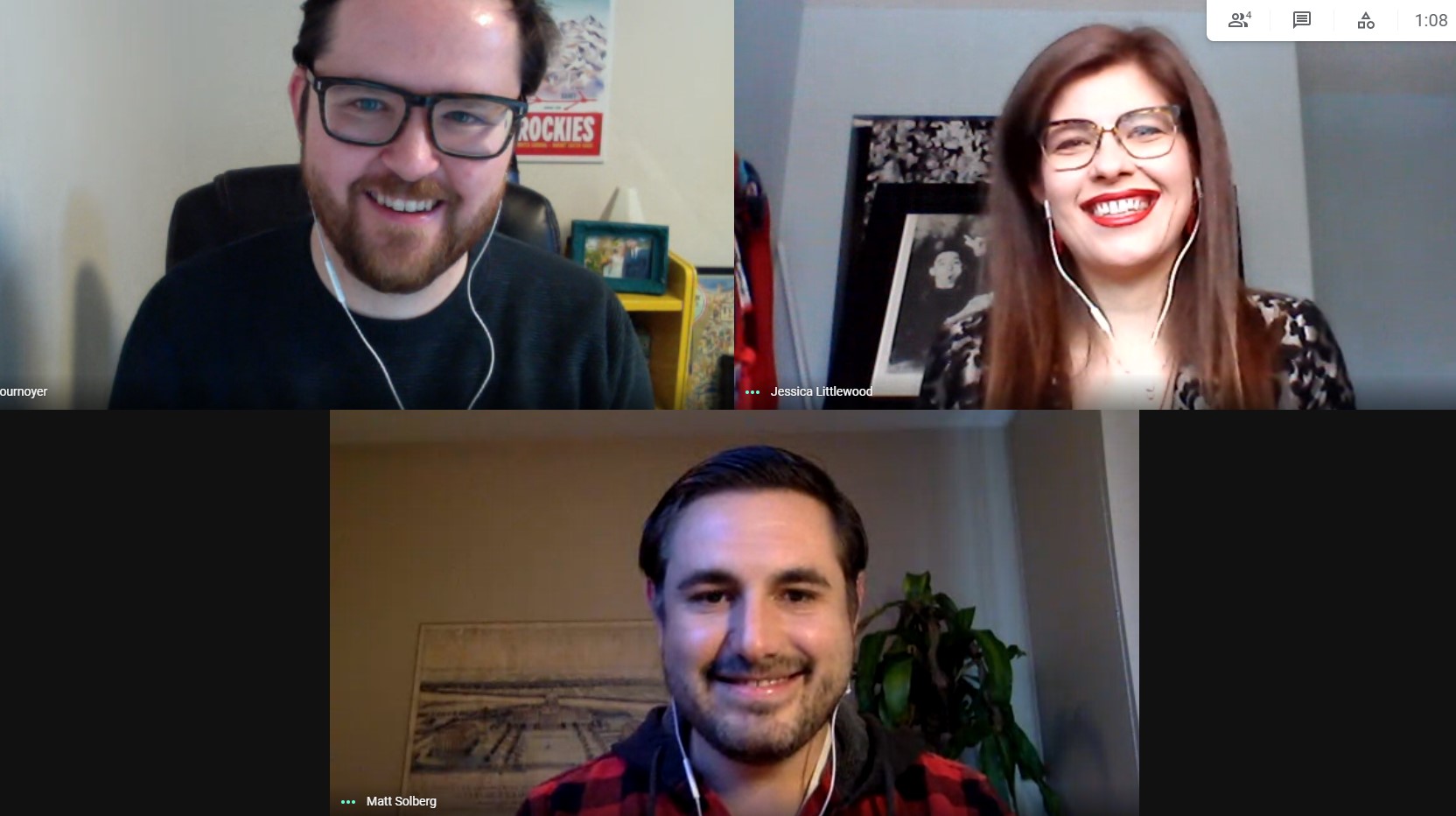
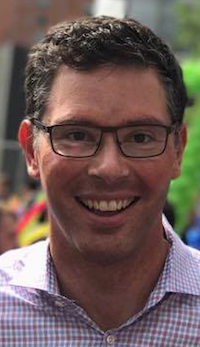
With the help of two special guests, Jessica Littlewood and Matt Solberg, we are thrilled to announce and discuss the results of the 2020 Best of Alberta Politics survey.
Dave Cournoyer, Jessica Littlewood and Matt Solberg on the Daveberta Podcast.
Jessica Littlewood was the Alberta NDP MLA for Fort Saskatchewan-Vegreville from 2015 to 2019 and during that time served as Parliamentary Secretary to the Minister of Economic Development and Trade for Small Business. Matt Solberg is a Director at New West Public Affairs and previously served as director of Communications for the United Conservative Party.
With more than 2,300 votes in total, the winners of the Best of Alberta Politics 2020 survey are:
Best Alberta MLA: Janis Irwin, MLA for Edmonton-Highands-Norwood
Best Alberta Cabinet Minister: None of the Above
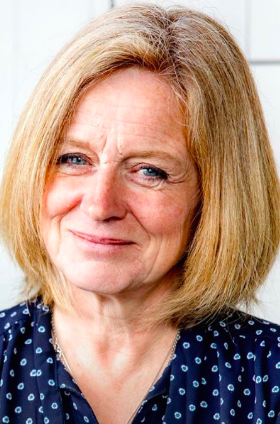
Best Opposition MLA: Rachel Notley, MLA for Edmonton-Strathcona
Up and Coming MLA to Watch in 2021: Rakhi Pancholi, MLA for Edmonton-Whitemud
Biggest Political Play of 2020: UCP’s fight with Alberta’s Doctors
The Daveberta Podcast is a member of the Alberta Podcast Network: Locally grown. Community supported. The Alberta Podcast Network includes dozens of great made-in-Alberta podcasts.
You can listen and subscribe to the Daveberta Podcast on Apple Podcasts, Google Play, Spotify, Stitcher, or wherever you find podcasts online. We love feedback from our listeners, so let us know what you think of this episode and leave a review where you download.
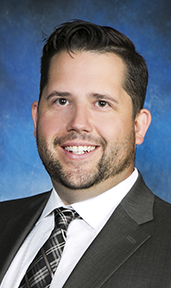
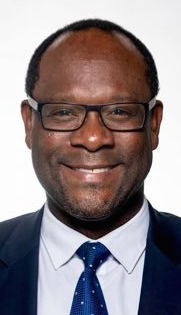
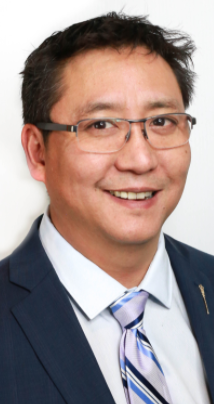
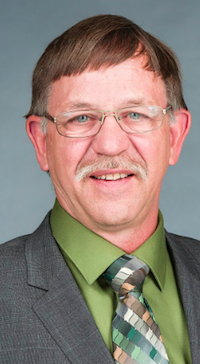
Best of Alberta Politics 2020: Leela Aheer, Thomas Dang, Nate Glubish, Janis Irwin, Ric McIver, Rachel Notley, Rakhi Pancholi, David Shepherd
With more than 750 submissions made to the Best of Alberta Politics 2020 survey, your choices have been sorted and you can now vote in each category. Voting is open until Dec. 20, 2020 at 10:00 am and the winners will be announced on the special year-end episode of the Daveberta Podcast on the same day.
2. Who was the best Alberta cabinet minister of 2020? – VOTE
Leela Aheer, Minister of Culture, Multiculturalism and Status of Women
Nate Glubish, Minster of Service Alberta
Ric McIver, Minister of Transportation
None of the Above
A None of the Above option is added to this question because a near majority of submissions fell into that category.
3. Who was the best opposition MLA of 2020? – VOTE
Rachel Notley, MLA for Edmonton-Strathcona
Janis Irwin, MLA for Edmonton-Highlands-Norwood
David Shepherd, MLA for Edmonton-City Centre
An honourable mention to Cypress-Medicine Hat MLA Drew Barnes, who received a number of votes in this category despite being a member of the governing United Conservative Party caucus.
4. Who is the up and coming MLA to watch in 2021? – VOTE
Rakhi Pancholi, MLA for Edmonton-Whitemud
Janis Irwin, MLA for Edmonton-Highlands-Norwood
Thomas Dang, MLA for Edmonton-South
5. What was the biggest political play of 2020 in Alberta? – VOTE
UCP privatizing provincial parks
The Strategists winning biggest political play of 2020
UCP fight with Alberta doctors during COVID-19 pandemic
We have added a bonus category where we ask you to name an Alberta who you believe is most likely to be a future Premier of Alberta. – VOTE
What was the biggest political issue of 2020 in Alberta?
This category is usually a dog’s breakfast, but this year your choice was clear. COVID-19 was the clear choice of the overwhelming majority of people who submitted in this category. The global COVID-19 pandemic is not something that is unique to Alberta, but there is no doubt that it has defined 2020 in our province.
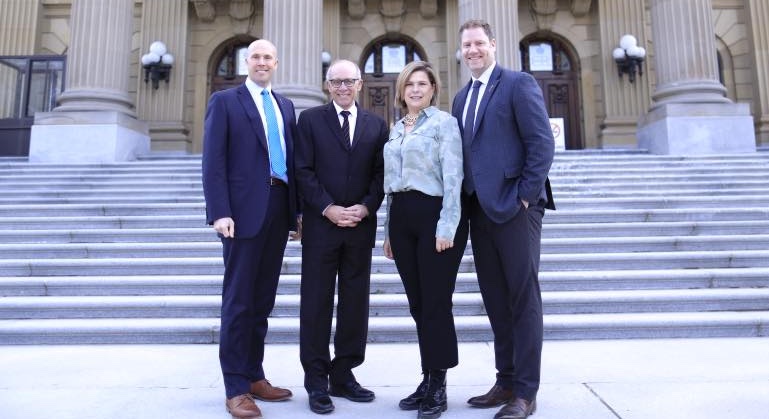
The Alberta Party at its Zenith: Calgary-Elbow MLA Greg Clark, party leader Stephen Mandel, Calgary-Calgary-Mackay-Nose Hill MLA Karen McPherson, and Calgary-South East MLA Rick Fraser.
The Alberta Party hasn’t been making many headlines lately, but there will soon be a significant staff change in the ranks of the small moderate conservative party. The party announced today that former Progressive Conservative executive director Troy Wason is taking over as interim executive director of the Alberta Party, replacing outgoing interim executive director Mark Taylor.
Troy Wason
A well-respected long-time PC Party activist, Wason took over as executive director of the PC Party following the long-time governing party’s defeat in the 2015 election and resigned on the dayJason Kenney became that party’s leader in 2017.
Wason’s joining the Alberta Party could provide some internal direction for the party, which lost all of 3 of its seats in the 2019 election. The party continues to struggle to define itself and remains without a bigger key player – a permanent leader.
The Alberta Party has been without a permanent leader since the resignation of former leader Stephen Mandel in June 2019. The role remained vacant until earlier this year when former Fort Sasktachewan-Vegreville PC MLA Jacquie Fenske was named as interim leader, solidifying the party’s image as a refuge for former PC supporters uncomfortable with the social conservative flavour of the United Conservative Party and unable to support the moderate New Democratic Party.
The party was expected to have held a leadership race in 2020 but, like most other things, it was delayed because of the COVID-19 pandemic.
It has been a tough year for many of us and we struggled with whether to even hold these awards this year. But we thought that in these dark times it is perhaps even more important to focus on the positive. So we are continuing the annual tradition of hearing from you about the big political players and issues of 2020. Submit your choices in six categories.
Submissions will close on Dec. 15, 2020 at 6:00 pm and the top three choices in each category will be included in a round of voting starting on Dec. 16, 2020. Voting for the top 3 be open until Dec. 20, 2020 at 10:00 am and the winners will be announced on the special year-end edition of the Daveberta Podcast the same day.
Amid a month-long spike in new COVID-19 cases, the Alberta government introduced increased measures and restrictions on businesses that include closing casinos, bar and in-person dining in restaurants, and a province-wide mandatory face-mask requirement. The measures are necessary but come after weeks of feet-dragging by provincial leaders.
Weaker measures introduced two weeks ago proved ineffective but you will not hear Premier Jason Kenney admit it, and you will not hear him call the new measures a lockdown.
Rachel Notley (source: Facebook)
Despite loud warnings from physicians, public health professionals and health care unions over the past month that the government was not taking serious enough action to slow and stop the spread of COVID-19, Kenney’s government attacked and mocked those calling for some of the same measures he introduced today.
At times it has seemed as as though Kenney was more concerned with not doing anything that might alienate elements of his political base than he was in taking measures to actually stop or slow the spread of the virus. This concern about his voter base appears to also include an avoidance of the word “lockdown,” despite it being an appropriate description of what the government has implemented.
As of today, there are 20,388 active cases province-wide and have been 640 deaths caused by COVID-19.
Still no federal app
The measures announced by Kenney still did not include the activation of the federal CovidAlert app in Alberta. The federal app has become one of the latest targets of partisan attacks against Ottawa, with cabinet minister Jason Nixon referring to it as the “Trudeau Tracing App.”
Despite the adoption of the ABTraceTogether App early in the pandemic, it has proven ineffective and is reported to have only been effectively used 19 times since it was launched in the spring.
Unlike Alberta’s app, the federal app allows contact tracers to track the spread of COVID-19 across provincial boundaries.
Schweitzer shows a little humanity, some leadership potential
Doug Schweitzer
Along with Kenney and Chief Medical Officer Dr. Deena Hinshaw, the press conference announcing the increased measures featured Health Minister Tyler Shandro and Minister of Jobs, Economy and Innovation Doug Schweitzer.
Engaging in a bit of mischief-making, Lethbridge-West NDP MLA Shannon Phillipsmused about Schweitzer’s performance and potential leadership ambitions. While Phillips’ commentary was certainly designed to create mischief, she may have a point.
Compared to Kenney, who remains robotic, unemotional and prone to partisan outbursts, and Shandro, who appears to perpetually carry a giant chip on his shoulder, Schweitzer sounded like a real human being. While he does have a serious ‘dude bro’ vibe and his comments today were weighed down by business jargon, he was a much clearer and sympathetic communicator than his two colleagues.
Kenney may be in complete control of his party today, but history shows that Conservative parties in Alberta can be ruthless towards leaders who become liabilities at the ballot box. Just ask Don Getty, Ralph Klein, Ed Stelmach and Alison Redford.
Melanee Thomas joined Dave Cournoyer for a deep dive into Alberta’s politics during the COVID-19 pandemic, including the relationship between the provincial and federal governments, and how Albertans’ political self-identification could be influencing Premier Jason Kenney’s decision to avoid serious public health measures including a province-wide mandatory mask mandate. Thomas also shared what it has been like to teach at a university during the global pandemic.
Thomas is an Associate Professor in the Department of Political Science at the University of Calgary.
The Daveberta Podcast is a member of the Alberta Podcast Network: Locally grown. Community supported. The Alberta Podcast Network includes dozens of great made-in-Alberta podcasts.
You can listen and subscribe to the Daveberta Podcast on Apple Podcasts, Google Play, Spotify, Stitcher, or wherever you find podcasts online. We love feedback from our listeners, so let us know what you think of this episode and leave a review where you download.
Find us on Twitter, Instagram, Facebook, or you can email us at podcast@daveberta.ca. Thanks for listening.
It’s 9:30 p.m. I’m sitting down in my living room with the intention of writing a piece about what happened in Alberta politics this week. But where the heck do I even start?
I could write about Premier Jason Kenney‘s growing focus on not alienating anti-vaxxers following his recent announcement about the potential distribution of COVID-19 vaccinations in 2021. Or I could write about how Health Minister Tyler Shandro amplified Kenney’s comments that basically amount to protecting anti-vaxxers from a vaccine that could stop a pandemic that has almost ground many part of our society and economy to a halt this year.
I could also write about Chief Medical Officer of Health Dr. Deena Hinshaw’s announcement today that there were more than 1,800 new cases of COVID-19 and 14 new deaths in Alberta. Overworked doctors and nurses also remain concerned that understaffed hospitals could be overwhelmed by the growing number of new COVID-19 cases in Alberta. And Alberta remains the only province without a province-wide mandatory mask mandate.
I could write about how in a radio interview this week, Kenney singled out the South Asian community in northeast Calgary as spreaders of COVID-19. I could also write about City Councillor George Chahal‘s response, tweeting that Kenney “should focus on those knowingly putting our frontline workers and their families at risk by violating public health orders, not the people working the jobs we need to keep our city going during a global pandemic.”
But I also might pen a piece about how politicians from other provinces are starting to refer to Alberta to downplay the spread of COVID in their own provinces.
“You want to speak about who is in crisis? Have you taken a look at Alberta, where they’re doubling up patients in intensive care units? We’re not doing that in Ontario,” Elliott said.
I could try to figure out what in the world Red Deer-South UCP MLA Jason Stephan means when he raised red flags about “socialist decarbonization” during a private members statement in the Legislative Assembly this week. But that might take a series of think-pieces to even attempt to explain.
Now I’m getting tired, so I’ll leave you with these thoughts and a tweet from William Shatner, aka Captain James T. Kirk, about the Alberta government’s stubborn refusal to adopt the federal CovidAlert Tracing app.
With a minority parliament in Ottawa and the possibility a federal election could be called at anytime, the Conservative Party of Canada has begun nominating candidates for the next federal election in Alberta.
The party announced on Twitter that it has nominated three incumbent MPs in Alberta:
Martin Shields in Bow River. Sheilds was first elected in 2015 and previously served as mayor of the City of Brooks.
Tom Kmiec in Calgary-Shepard. Kmiec was first elected in 2015 and has served as Chair of the National Conservative Caucus since September 2020.
Ron Liepert in Calgary-Signal Hill. Liepert was first elected to the House of Commons in 2015 after defeating six-term MP Rob Anders in the Conservative Party nomination contest. Liepert was the Progressive Conservative MLA for Calgary-West from 2004 to 2012 and served in cabinet as the minister of finance, health, education and energy.
RIck Peterson, running for the Conservative Party of Canada nomination in Edmonton-Strathcona. (Photo source: Facebook)
Former leadership candidate Rick Peterson is running for the Conservative Party nomination in Edmonton-Strathcona. New Democrat MP Heather McPherson was elected in 2019 and is the only non-Conservative MP in the province. The riding was previously represented by NDP MP Linda Duncan, who was first elected in 2008.
Raised in Grande Prairie, Peterson studied at the University of Alberta in the 1970s and spent much of his career as a financial advisor and investor in British Columbia.
Heather McPherson
As a long-time member of the Progressive Conservative Party in British Columbia and member of the PC Canada Fund, Peterson considered a run for the PC Party leadership race in 2002. While he eventually declined to run, he did go so far as to speak alongside other party leadership hopefuls, including Peter MacKay, Scott Brison and Jim Prentice, at a party fundraiser in Toronto in 2002. He instead served as co-chair of Andre Bachand‘s leadership campaign.
Peterson was briefly touted by party insiders in media reporters as a potential replacement for Stephen Harper after the federal Conservative Party’s disappointing results in the 2004 election campaign. He filed nomination papers to run for the federal Conservative nomination in Vancouver-Quadra in 2006 but withdrew in 2007, citing interference from the Prime Minister’s Office in the nomination process.
Peterson later ran for the BC Liberal Party nomination in Vancouver-Fairvew in 2008 and was later considered a potential candidate for Mayor of Vancouver in 2011 but withdrew from the Non-Partisan Association nomination contest before the election.
Peterson moved to Spruce Grove, Alberta after the leadership race in order to run for the Conservative Party nomination in Sturgeon River-Parkland following Rona Ambrose‘s retirement. His nomination bid was unsuccessful but he stayed in Alberta and founded the conservative advocacy group Suits and Boots.
He ran for the federal Conservative Party leadership again in 2019 but he withdrew his candidacy and endorsed Peter MacKay. And in 2020, he announced his plans to run for the Conservative Party nomination in Edmonton-Strathcona.
The date of the nomination contest in Edmonton-Strathcona has not yet been announced.
I am now tracking candidates running for federal party nominations in Alberta ahead of the next election. If you know any candidates that are not on the list, please leave a comment or email me at david.cournoyer@gmail.com. Thank you.
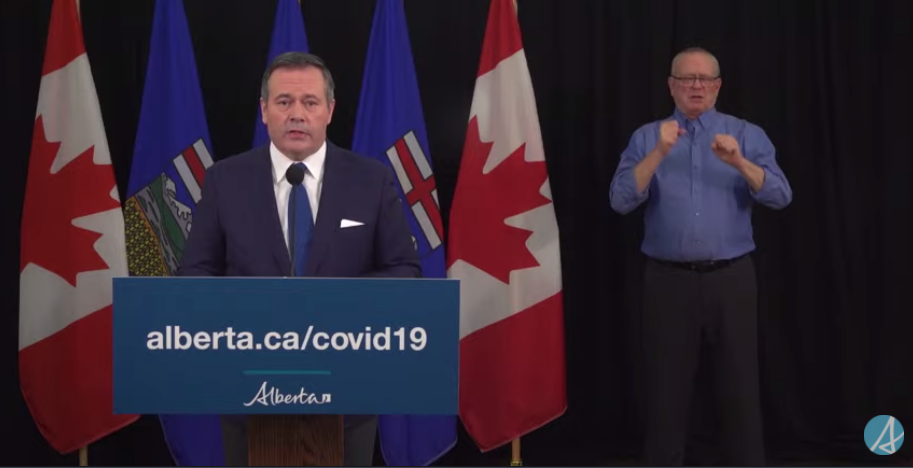
Premier Jason Kenney emerged from ten days in seclusion to announce new measures in response to the record-breaking daily increases in COVID-19 cases in Alberta.
Far below the “circuit-breaker lockdown” that had been called for by public health experts, the new plan announced by Kenney is mostly previously made suggestions that are now loosely enforced rules with a lot of exceptions. And they are just as confusing at the previous restrictions.
Middle schools and high schools will move to online instruction, but restaurants, bars and casinos will remain open. There was no mention of allowing the federal CovidAlert tracing app to be activated in Alberta, even as our province’s contact tracing capacity has collapsed. And because the contract tracing has largely stopped, it is unclear what data Kenney’s government used when creating these new targeted measures.
The new rules are mostly directed at Calgary and Edmonton, with no face-mask requirements or permanent expanded business restrictions in rural areas. Alberta is now the only province without a province-wide mandatory mask mandate.
The exemptions for rural Alberta communities, as well as exemptions for indoor social gatherings in churches, suggest the the United Conservative Party government is prioritizing appeasing it’s main political constituencies – rural Albertans, libertarians, social conservatives, and industry lobby groups like Restaurants Canada and the Canadian Federation of Independent Business – over taking the advice of public health experts.
Kenney frequently frames the government’s options as either “total lockdown” or “the minimum” measures, but as we know from other provinces and countries there are many actions that can be taken that the Alberta government is unwilling to do.
The half-measures announced today are undoubtably the result of political bargaining within a cabinet and caucus that appear unprepared or unwilling to take drastic action to protect Albertans by stopping the spread of the virus. It is hard to imagine any past Alberta government, whether it be Progressive Conservative or New Democrat, making these types of concessions during a public health crisis.
During the press conference, Kenney repeatedly spoke about the need to protect the economy and “the poor,” but the economy is people and any economic recovery won’t happen until the virus is contained. Government has the ability and responsibility to provide financial supports for all Albertans who are impacted by COVID-19 restrictions.
True to form, Kenney also took a moment to chastise public sector workers who collect a “public paycheque.” It is notable that none of the measures announced by Kenney were specifically aimed at relieving the pressure on understaffed hospitals and care centres where over-worked frontline nurses, doctors and health workers risk their lives to face the pandemic everyday. In fact, the fiscal update released earlier in the day by Finance Minister Travis Toews actually described public sector workers as a drain on the economy.
The Kenney government had eight months to plan and prepare for a second wave that was widely predicted but it appears that in their eagerness over the summer to shift the political narrative back to pipelines and the economy, Kenney has been caught flat footed.
The UCP government had eight months where it could have supported health care workers and educators, built up contact tracing capacity, and put in place plans for the second wave. But instead the UCP cabinet pulled an all-nighter and threw together a patch-work plan in eight hours.
Don Iveson with his wife, Sarah Chan, and their children on the night of his re-election in 2017.
Don Iveson will not run for re-election as Edmonton’s Mayor in next year’s election.
Iveson made the big announcement in a statement on his website this morning and is expected to discuss his decision as the first guest on the inaugural episode of Real Talk, a new show launched by Ryan Jespersen, who was until recently hosting a popular morning show on 630CHED.
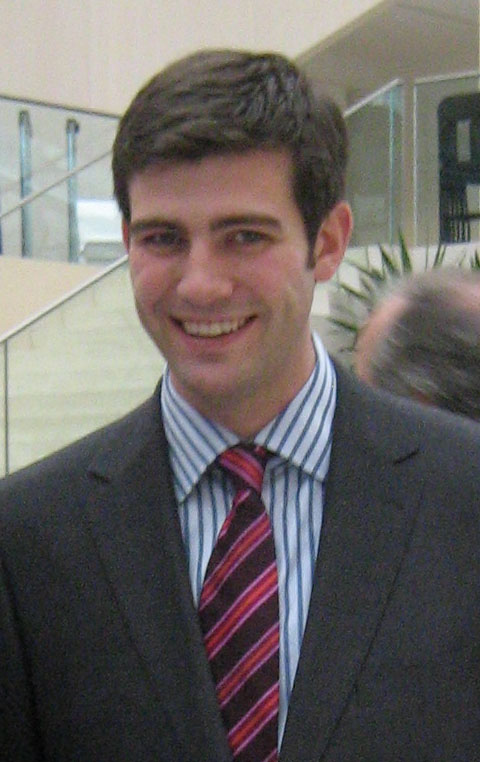
Don Iveson in 2007 (photo: Dave Cournoyer)
While Iveson will remain mayor until next October’s election and has pledged his full commitment to leading the city through the COVID-19 pandemic and economic issues the city is grappling with, this announcement signals the end of a remarkable career in municipal politics in Edmonton.
As a relatively unknown first-time candidate in 2007, Iveson ran an energetic, youthful and intelligent campaign focused on “smart growth” and “politics in full sentences” that not only got him elected to Edmonton City Council but knocked-off high-profile incumbent Mike Nickel in the process. Iveson was easily re-elected to council in 2010.
In 2013, as three-term Mayor Stephen Mandel made his first exit from elected politics, Iveson trounced two well-known councillors, Karen Liebovici and Kerry Diotte, to win the Mayoral election by a big margin. He was re-elected by a landslide in 2017.
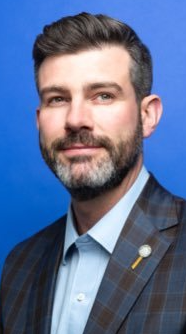
Don Iveson in 2020
Today’s announcement opens the gates to candidates who were waiting for Iveson to announce his plans before entering the race. Already rumoured to be planning their mayoral campaigns are current councillors Andrew Knack and Mike Nickel and former councillor Kim Krushell. Former economic development executive Cheryll Watson has already announced her candidacy.
There will be plenty of time over the next year to discuss Iveson’s time as Mayor and the legacy he will leave, but it is clear that his last two years as Mayor – leading the city through the global pandemic – have likely been the most challenging and will help define Alberta’s capital city for years to come.
Leaving the Mayor’s office at the young age of 42-years old next year will put Iveson in a position where he could potentially do anything he wants as his next endeavour. Perhaps he will write a book about being a big city mayor? Or host a Netflix documentary series – may I suggest “Smart Growth with Don Iveson” or “Little City, Big Dreams” as a few names. Or he could shift-careers and make a cameo appearance as Leonard McCoy on Star Trek: Strange New Worlds?
Or maybe, after a healthy break, he will return to politics.
Premier Don Iveson sounds good to me.
Listen to my recent interview with Don Iveson on the Daveberta Podcast where we discussed being a big city mayor during the COVID-19 global pandemic, municipal relations with the provincial government, Edmonton’s rapid plan to end homelessness, and the excellence of Star Trek: Lower Decks.
Thinking of running?
Interested in running in the 2021 Edmonton Elections as a candidate? Edmonton Elections is hosting a virtual information session that will cover important information about the election processes for candidates, including how to register, upcoming deadlines and changes to rules and regulations. Tune in at 12:00 pm on November 24, 2020 to watch.
Alberta broke its daily record for new COVID-19 cases and led the country in new cases. With 1,584 new cases, Alberta had more new cases than Canada’s two largest provinces, Quebec with 1,154, and Ontario with 1,534.
The second wave of the COVID-19 pandemic is hitting Alberta hard, and our leadership is sending out mixed messages. While the pandemic was of upmost importance earlier in the year, provincial leaders shifted their focus to the economy over the summer and resisted calls from health care experts for a province-wide mandatory mask requirement. Alberta is now the only province without a province-wide mask mandate.
Miranda Rosin
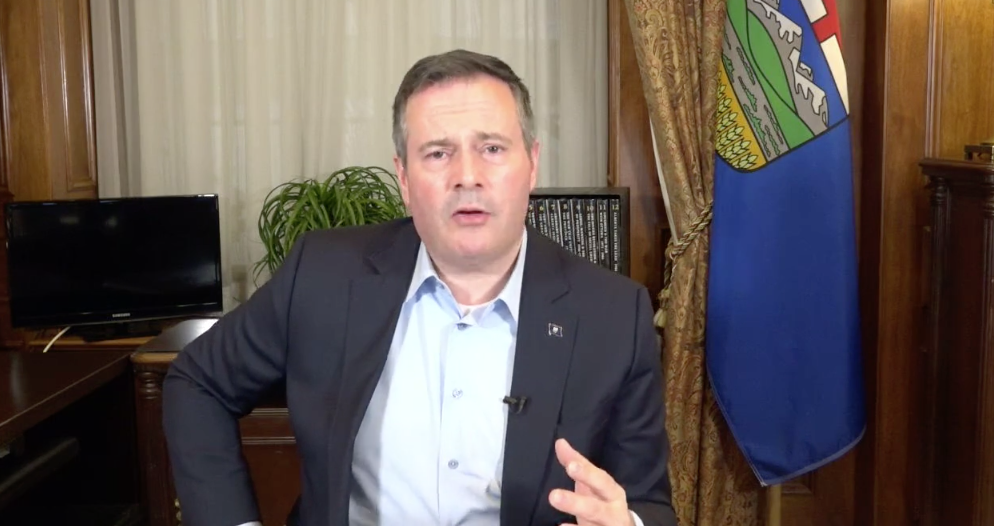
Premier Jason Kenney, who is in his second period of self-isolation after being exposed to someone with COVID-19 during a trip to northern Alberta earlier this month, has been silent on the daily record breaking cases. But although Kenney has been publicly silent on the surge in COVID cases and the many recent tragic deaths as a result of the virus, he was said to have recently appeared via Zoom at the Edmonton-South West United Conservative Party annual general meeting and a screenshot of him speaking via Zoom to the Canada India Foundation was circulating on social media this evening.
In the absence of leadership, some UCP MLAs are filling the void with confusing information and mixed-messaging that undermines the work of public health professionals like Dr. Deena Hinshaw.
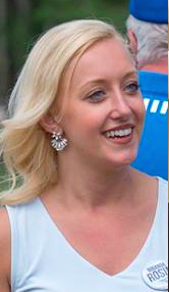
Banff-Kananaskis MLA Miranda Rosin mailed pamphlets to thousands of her constituents last week claiming that the worst of the pandemic was over and that now was the time to focus on the economy.
And a video circulating on social media showed Associate Minster of Mental Health and Addictions and Calgary-Foothills MLA Jason Luan claiming that the government’s COVID-19 plan was to wait for hospital intensive care units to reach full capacity before changing course. Luan later retracted his comments in a carefully prepared written statement.
As of Friday, 462 people had died of COVID-19 in Alberta. In this picture, ICU physician Dr. Simon Demers-Marcil calls a family to tell them a loved one died of COVID-19. Help prevent the spread of #COVID19ab by following all public health measures: https://t.co/C0V22rhMrDpic.twitter.com/EuVvcfV1Jh
Meanwhile, the situation in hospital ICU’s across Alberta has reached serious levels. Not only are ICU beds filling up, but the pandemic is taking a serious toll on the health care professionals required to staff these intensive units. Most staff are overworked and having to work many additional shifts to cover for co-workers who have been exposed to COVID and are required to go into self-isolation.
In many cases, nurses and health workers are taking time-off without pay because their sick leave banks have run dry and a special self-isolation leave was ended by Alberta Health Services in July.
New Democratic Party leader Rachel Notley has announced that she plans to ask for an emergency debate about the COVID-19 pandemic when MLAs return to the Legislature tomorrow.
And rumours are circulating tonight that Kenney may break his silence and join Dr. Hinshaw at a press conference tomorrow to announce a new series of measures to combat the pandemic, maybe even more stringent than the strongly encouraged voluntary measures that have clearly not been working.
David Khan to step down as Liberal Party leader
David Khan
The Alberta Liberal Party will soon be looking for a new leader. A press release sent out by the party today announced that leader David Khan would soon step down to pursue his legal career.
The congenial Khan has run under the provincial Liberal Party banner four times since 2014 and was chosen as party leader after launching a last-minute candidacy in 2017.
While Khan placed a strong third in Calgary-Buffalo in 2015, he finished a distant fourth in Calgary-Mountain View in 2019 as his party’s fortunes collapsed across the province. While he performed respectfully in the televised leaders debate, the Liberals were unable to break into what was largely two-party race between the UCP and NDP.
The 2019 election marked the first time since 1982 that the Liberals did not elect an MLA to the Legislative Assembly.
Annalise Klingbeil joins the Daveberta Podcast to discuss the latest developments in United Conservative Party government’s plans to close and privatize more than 160 provincial parks and recreation areas. We also discuss the mixed-messaging about COVID-19 from Premier Jason Kenney and his cabinet ministers as the second wave of the pandemic surges in Alberta. And we share some ideas about how the government could improve its COVID-19 communications.
Annalise is co-founder of Champion Communications & PR. She previously worked as a ministerial press secretary and before that she was a journalist at the Calgary Herald. She is also the co-founder of the Go Outside newsletter.
The Daveberta Podcast is a member of the Alberta Podcast Network: Locally grown. Community supported. The Alberta Podcast Network includes dozens of great made-in-Alberta podcasts.
You can listen and subscribe to the Daveberta Podcast on Apple Podcasts, Google Play, Spotify, Stitcher, or wherever you find podcasts online. We love feedback from our listeners, so let us know what you think of this episode and leave a review where you download.
Find us on Twitter, Instagram, Facebook, or you can email us at podcast@daveberta.ca. Thanks for listening.
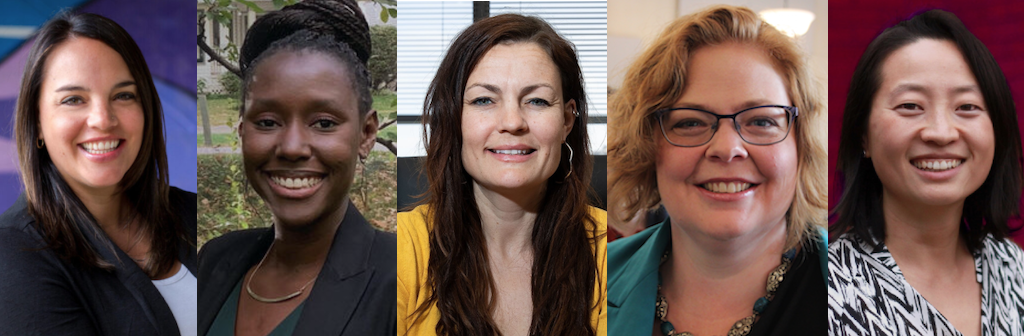
Declared Edmonton City Council candidates Cori Longo, Shamair Turner, Glynnis Lieb, Kirsten Goa, and Keren Tang.
With less than a year to go until the 2021 municipal elections, candidates are stepping up to run for Edmonton City Council.
Don Iveson
The big unanswered question about the October 18, 2021 election is whether incumbent Mayor Don Iveson will seek re-election for a third-term. Iveson was first elected in 2013 and won re-election with 73.6 per cent of the vote in 2017. When I asked about his plans for the election on a recent episode of the Daveberta Podcast, Iveson said he wasn’t yet ready to announce his intentions for 2021.
Also rumoured to be considering a run is former Member of Parliament Amarjeet Sohi, who previously served on city council from 2007 to 2015.
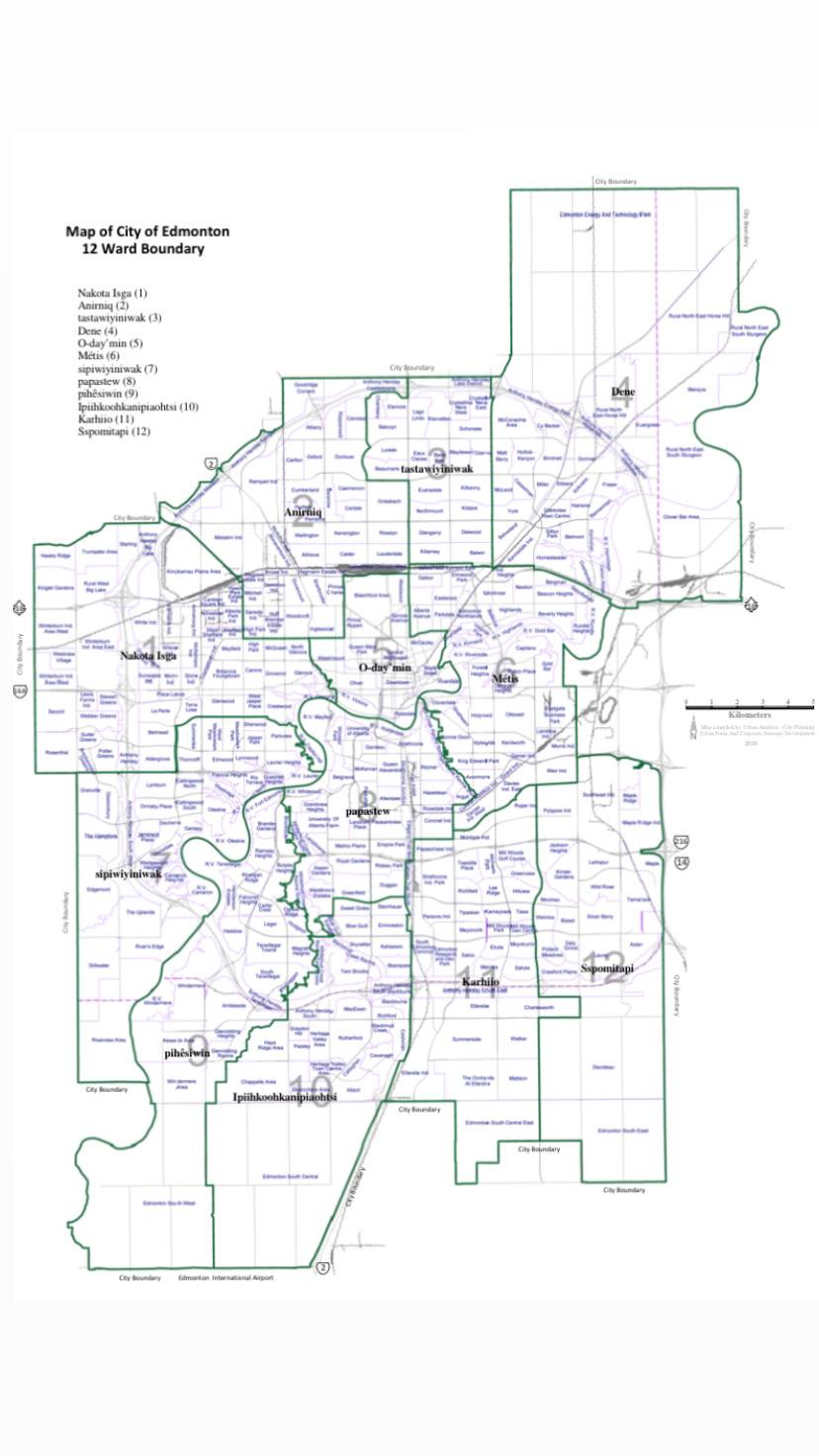
Edmonton City Council’s new Ward boundaries with new Indigenous names.
Newly redrawn Ward boundaries will also come with new Indigenous names, a first for a large Canadian city. The new boundaries and new names will be initially confusing for many Edmontonians, but I am hopeful that the City of Edmonton will engage the public in an education campaign explaining the meaning of the new names and the role they play in reconciliation.
By my count, the candidates who have already announced their plans to run are:
Glynnis Lieb is running in Ipiihkoohkanipiaohtsi. Lieb is the Executive Director of iSMSS in the Faculty of Education at the University of Alberta.
Keren Tang and Shamair Turner have announced their plans to run in the new Karhiio ward. Tang was a candidate in Ward 11 in the 2017 election, where she placed second and earned 26.7 per cent of the vote. Turner is a first time candidate and former Vice President and Account Executive at Aon Risk Solutions.
Cori Longo and Caroline Matthews are running in the Metis ward. Longo is a former postal worker and Registered Nurse who has worked as the Alberta regional representative for the Canadian Labour Congress. Matthews is the former Director of Recruitment for the University of Alberta’s MBA program and appears to have been endorsed by Edmonton-Greisbach Conservative MP Kerry Diotte, who is pictured campaigning with her in photos on social media.
Community organizer Adrian Bruff is running in the O-day’min ward, which encompasses most of the central core neighbourhoods of the city.
Michael Janz (source: EPSB)
Kirsten Goa has announced her plans to run in the papastew ward. Goa placed second in Ward 8 in the 2017 election, earning 23 per cent of the vote. Also rumoured to be considering running in this new ward is Edmonton Public School Trustee Michael Janz. Janz was first elected to the school board in 2010 and was re-elected in a landslide in 2017.
I am once again tracking candidates who have announced their plans to run for Mayor, City Council and School Board in Edmonton. If I am missing anyone on the list, please send me an email at david.cournoyer@gmail.com or post a comment and let me know. Thanks!
Walters not seeking re-election
Michael Walters (centre) and a team of supporters at the Edmonton Municipal Election Nomination Day in 2013.
Former American Senator and noted anti-Communist Joseph McCarthy.
From the columns of Postmedia newspapers to the halls of the United Conservative Party caucus, the the spectre of communism and socialism is striking fear in the minds of political elites who see Bolsheviks breeding in every corner of Alberta, from City Council chambers to voluntary blood donor clinics.
Last week, Fort McMurray-Wood Buffalo UCP MLA Tany Yao described labour unions and advocates opposed to his private members’ bill to legalize corporate for-profit blood donation clinics as socialists who want to harvest organs from people without consent.
This was not the first time Yao had warned against the perils of the Red Menace.
Tany Yao
In July 2020, Yao stood on the floor of the Assembly and claimed that Edmonton-Ellerslie NDP MLA Rod Loyola was the former leader of the Communist Party. Yao was later forced to withdraw his claim because it was not true.
Lac Ste. Anne-Parkland UCP MLA Shane Getson posted on Facebook that there was a “VIP section” in hell awaiting the “Socialist NDP.”
In February 2020, Airdrie-Cochrane UCP MLA Peter Guthrie wrote an entire MLA column warning about the dangers of communism. Guthrie’s column was syndicated on the websites of weekly Postmedia newspapers across Canada.
Red Deer-South UPC MLA Jason Stephan referred to the NDP’s elected term in government as a “socialist occupation” and described other provinces as “hostile, parasitic partners” that depend on Alberta for welfare payments.
Former UCP cabinet minister Tanya Fir has referred to the former NDP government as a “socialist dumpster fire.”
Former Conservative Party of Canada leadership candidate Leslyn Lewis, who led the votes in Alberta, published an op-ed in the National Post that accused Trudeau of plotting a “Socialist coup” in Canada.
Even Premier Jason Kenney is known to toss around flamboyant warnings about the rise of ‘bohemian Marxism’ or radical European green-left eco-socialists who have undue influence over the international banking system. A fixture on the libertarian think tank symposium circuit, Kenney frequently indulges in attacks on socialism in his responses to the opposition in Question Period.
Peter Guthrie
Of course, this kind of rhetoric is nothing new.
It appears that there could be a competition among UCP MLAs about who can sound the most like a paranoid Social Credit MLA from the 1950s.
In Alberta, history repeats itself, the first time as tragedy, the second time as farce.
Of course, it has been a long time since any major political party in Alberta could have been described as socialist or communist.
UCP claims that Rachel Notley and the NDP are dangerous socialists are meant to marginalize and discredit the opposition or bait their opponents into a debate. But it is increasingly clear that in the minds of some government MLAs, the talking points have become reality.
The anti-communist terminology is from another era and, quite frankly, it is very weird.
As a government and now as official opposition, the Alberta NDP were only slightly to the political left of the Progressive Conservative Party it defeated in 2015.
In reality, the NDP government only moved Alberta to the mainstream of labour laws compared to other provinces and the only industries it ever seriously mused about nationalizing were driver’s road tests and hospital laundry services.
In most other provinces, the Alberta NDP would be considered closer to a centre-leftish Liberal Party than anything resembling anything Karl Marx wrote about.
Secret Public Inquiry delayed again
The final report of the McCarthy-esq Public Inquiry into Anti-Alberta Energy Campaigns has been delayed again. The $3.5 million public inquiry, which was lauded by Kenney as part of his “Fight Back Strategy” against alleged enemies of Alberta’s oil industry, was granted a second extension to submit its final report to Energy Minister Sonya Savage.
My grandfather, Daniel Cournoyer, speaking at the 2019 Remembrance Day ceremonies at La Cite Francophone.
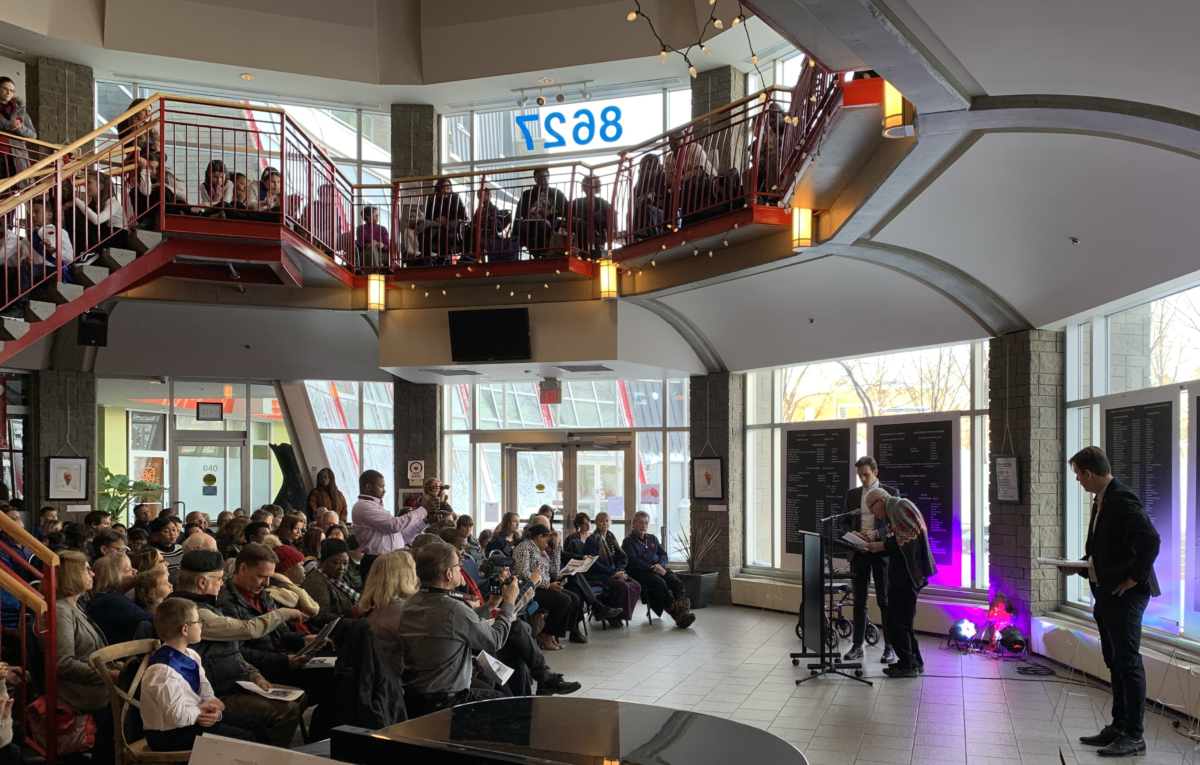
Remembrance Day has always been an important day of reflection for me personally, but this year it was very different. For the past few years, my family has gathered at a Remembrance Day ceremony at La Cité francophone. Due to COVID, the ceremony was not held this year. But even if the ceremony had not been cancelled today, it would have been missing one of its annual speakers.
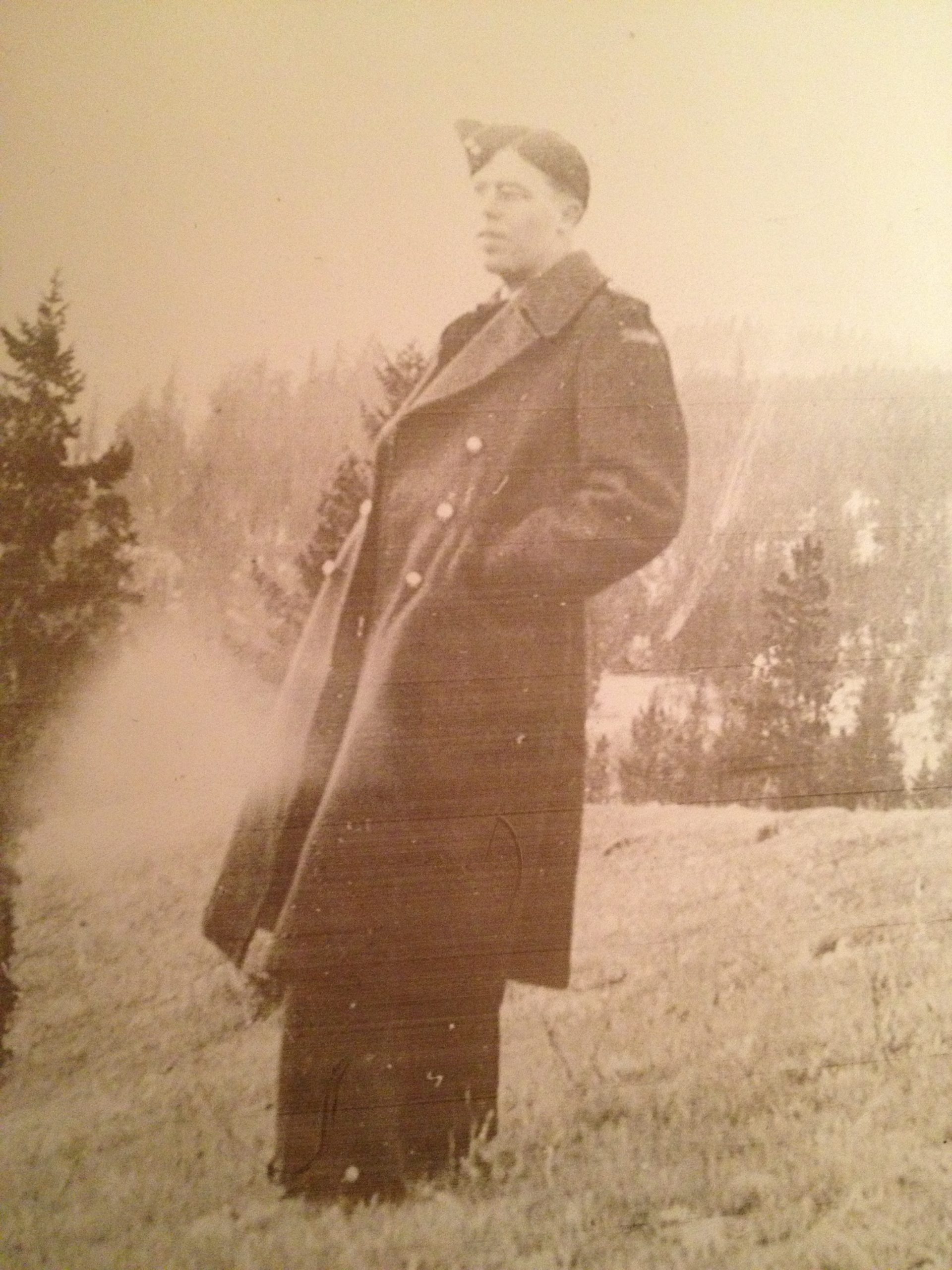
My grandfather, Daniel Cournoyer, in 1943.
On September 4, 2020, my grandfather, Daniel Cournoyer, passed away at the age of 97. He was a veteran of the Second World War who served in the United Kingdom, France, Belgium, Holland and Germany during the war.
His experiences during the the war had a profound impact on him and he made it his mission to tell those stories and ensure that those who served and made the ultimate sacrifice were not forgotten.
Each November 11 at La Cité, he would collect and share the stories of franco-albertains who served and made the ultimate sacrifice during the two World Wars, the Korean War and the war in Afghanistan.
I did not anticipate how difficult it would be today, not being able to hear him share his stories and not being able to thank him for his service. It made me appreciate even more the time I did get to spend with him, hear his stories, and the work he had done to preserve the memories of those who had lost their lives in the service of our country.
A few years ago, he wrote down some reflections on his experience and what Remembrance Day meant to him:
Canada, situated far from war-torn Europe, never did experience the destructive aspects of war. World War II was an historical event taking place far from Canadian shores. What Canadians knew of the war, they learned through the intermediate of the radio and the press. For its sons who participated in the campaigns in Italy, France, Belgium, Holland and Germany, they experienced the pain and anguish of war with its devastation and destruction.
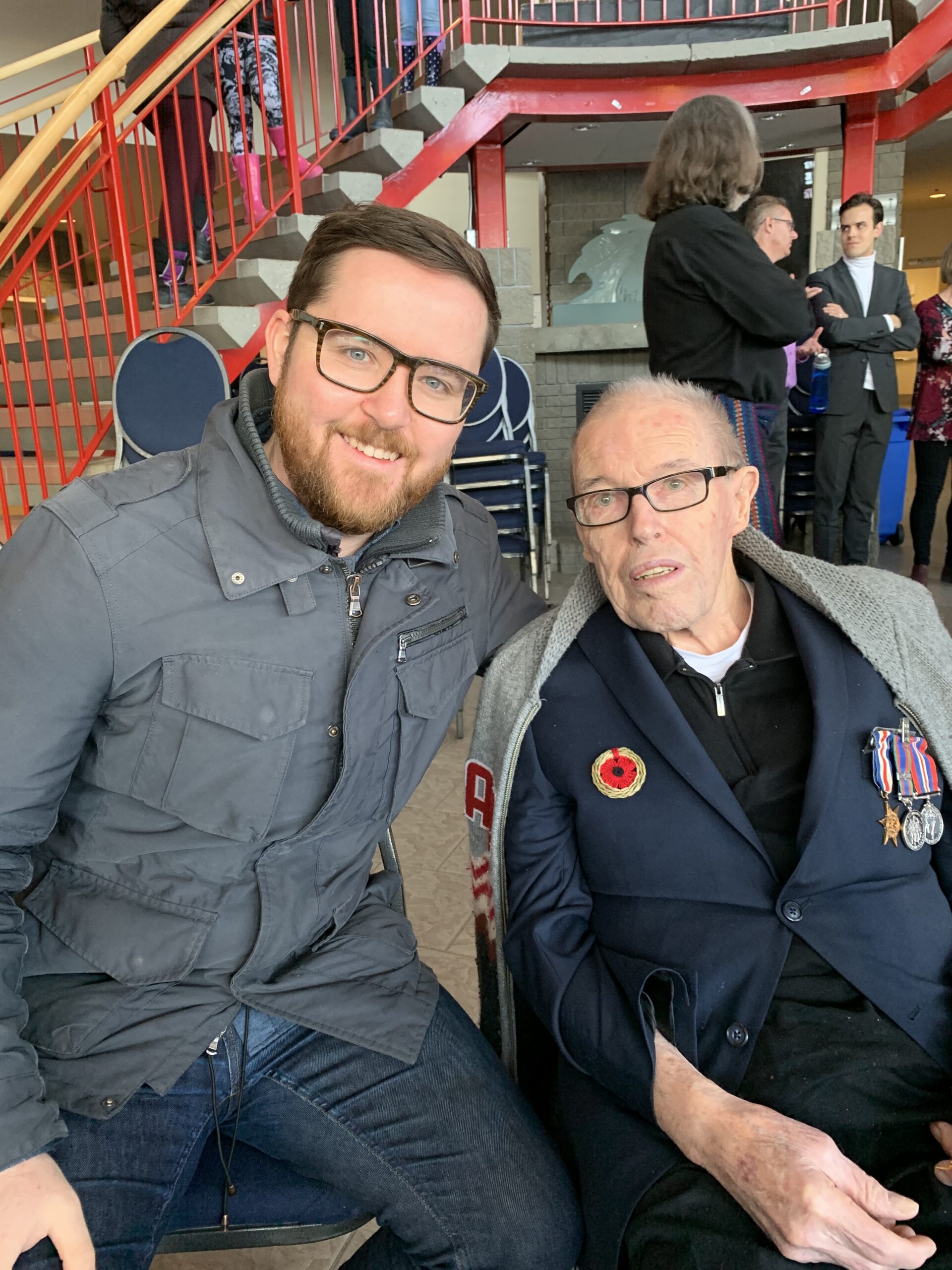
With my grandfather, Daniel Cournoyer, at the Remembrance Day ceremony in 2019.
On my departure for overseas, the local reporter wrote in the Survivance, the provincial French newspaper: “It is needless to say that our hears are mixed with emotions every time we say good-bye to one of our young men leaving on such a perilous and perhaps tragic voyage.” To some of our families, (the Caouette family, the Foment-Allaire family, the McDonald family and the Theberge family), the loss of a beloved son brought to the very heart of their home the tragic reality of war.
Today, as a teacher and a veteran, I’m often called upon to talk to the students at their Remembrance Day ceremonies, Following the singing of “O Canada.” I address them as follows:
Your singing of “O Canada” has brought to mind a touching and vivid memory of my return to Canada as a soldier.
The “Ile de France, one of the oldest ocean liners of that time, entered Halifax Harbour with thousands of Canadian men in their khaki battle dress, viewing the Canadian shores for the first time after many years of war service overseas. All of a sudden, the dock’s public address system blasted these simple words across the harbour “WELCOME HOME” followed by “O CANADA, OUR HOME AND NATIVE LAND.” As we stood there, on the decks, the reality of our homeland overwhelmed us.
We couldn’t sing, we just stood there. Never or ever since, have I experienced with such emotion the singing of our National Anthem. I had learned its words like all the students do at school, but not hat day of my return to Canada, every word and every verse had taken on a new meaning.
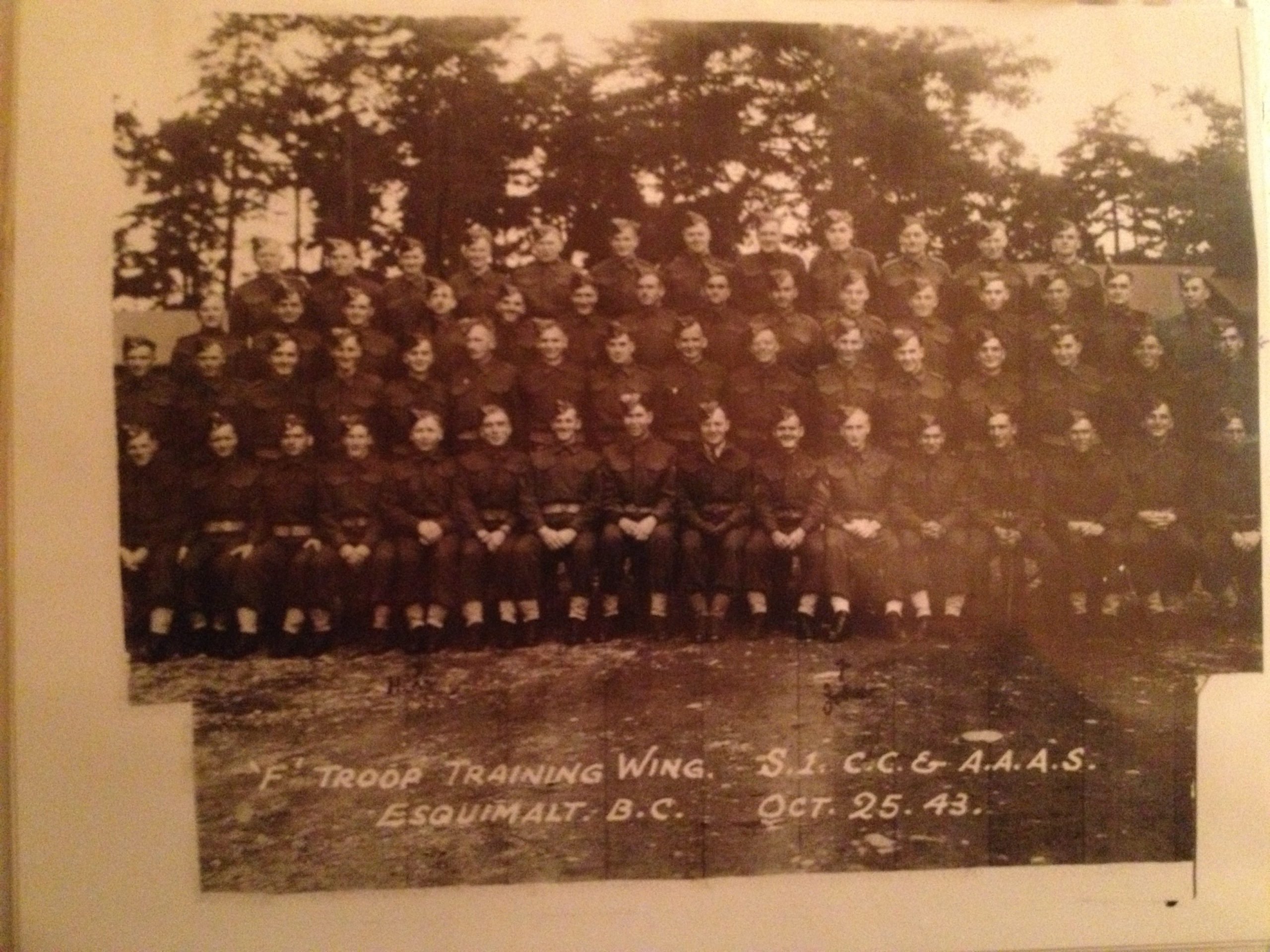
“F” Troop Training Wing, Esquimalt, BC. 1943.
We were back home. We had come home alive and safe. We were the fortunate soldiers who had survived the war, but what about those who hadn’t made it back?
Later, during this Remembrance Ceremony, during the 2 minutes of silence in tribute to those fallen Canadians of both World Wars, what will I be thinking about as a veteran? I will be thinking of those thousands of Canadians who lost their lives but to give it more perspective, I’ll be thinking of the former classmates and friends who didn’t make it back and the activities we carried on together – Leo Allaire, classmate at Couvent Notre Dame, killed in Italy; Paul Couette, friend and nephew of my uncle Georges Tellier, killed in Hollard; Richard McDonald, who played hockey against the Main Street Gang every Saturday morning at the old skating rink, killed in Italy; Leon Theberge, who with his brothers worked at the Cournoyer-Trottier-Lamarre mink range, killed in Italy.
Let us now look at their photos and remember them. They were amongst us for a very short period of time, we knew them briefly and they left us in the flower of they youth and most of all let us not forget them. As Governor-General Schreyer once said to a group of veterans, “Not enough is said about them and not enough is remembered. We often lose sight of those who sacrificed their the lives of rate preservation of peace and the highest ideals of civilization.”