Tim Cartmell was the perceived frontrunner who had been posturing for a mayoral run for years and entered the race with a large campaign war chest and a tailor made Better Edmonton Party with a slate of council candidates in each ward.
In theory, the menu of fundraising and organizational advantages available to him should have vaulted Cartmell into the mayor’s office.
The advantages the party structure could give candidates with large bases of corporate donor support was the real political incentive in mind when the province’s United Conservative Party government decided to inject municipal political parties into Edmonton and Calgary elections. Cartmell’s mayoral campaign is expected to have spent more than $1 million on the race, making it the most expensive election campaign in Edmonton’s history.
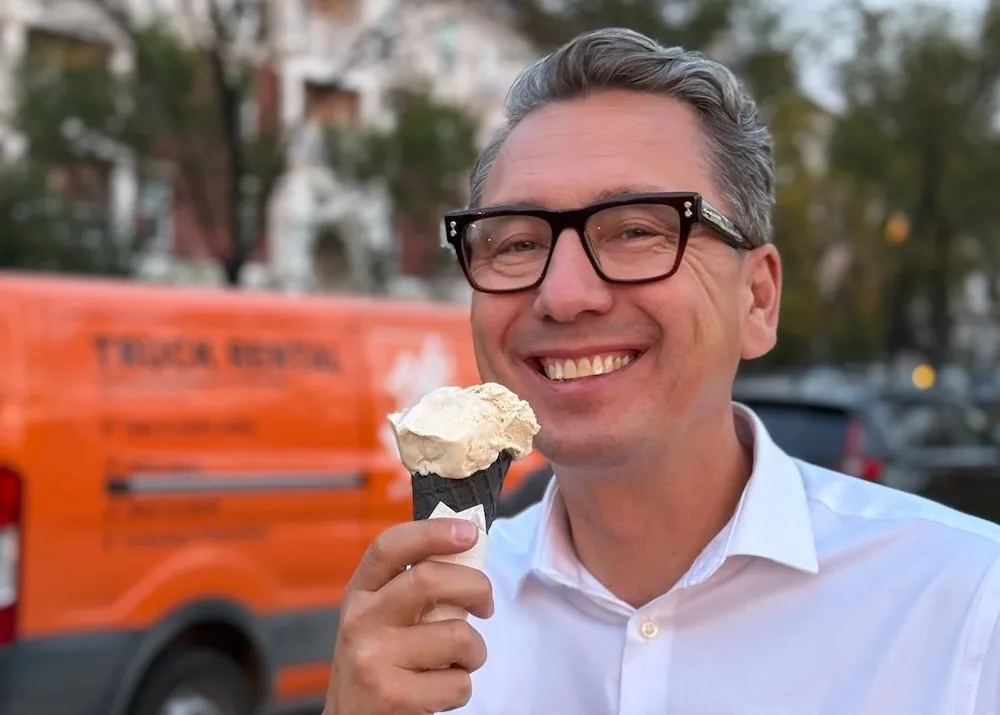
Andrew Knack spent most of his 12 years on Edmonton city council playing the role of the mild-mannered moderate centrist who was known for going above and beyond to engage with his constituents. But in this election, Knack was cast as the progressive alternative to Tim Cartmell’s corporate donor backed campaign.
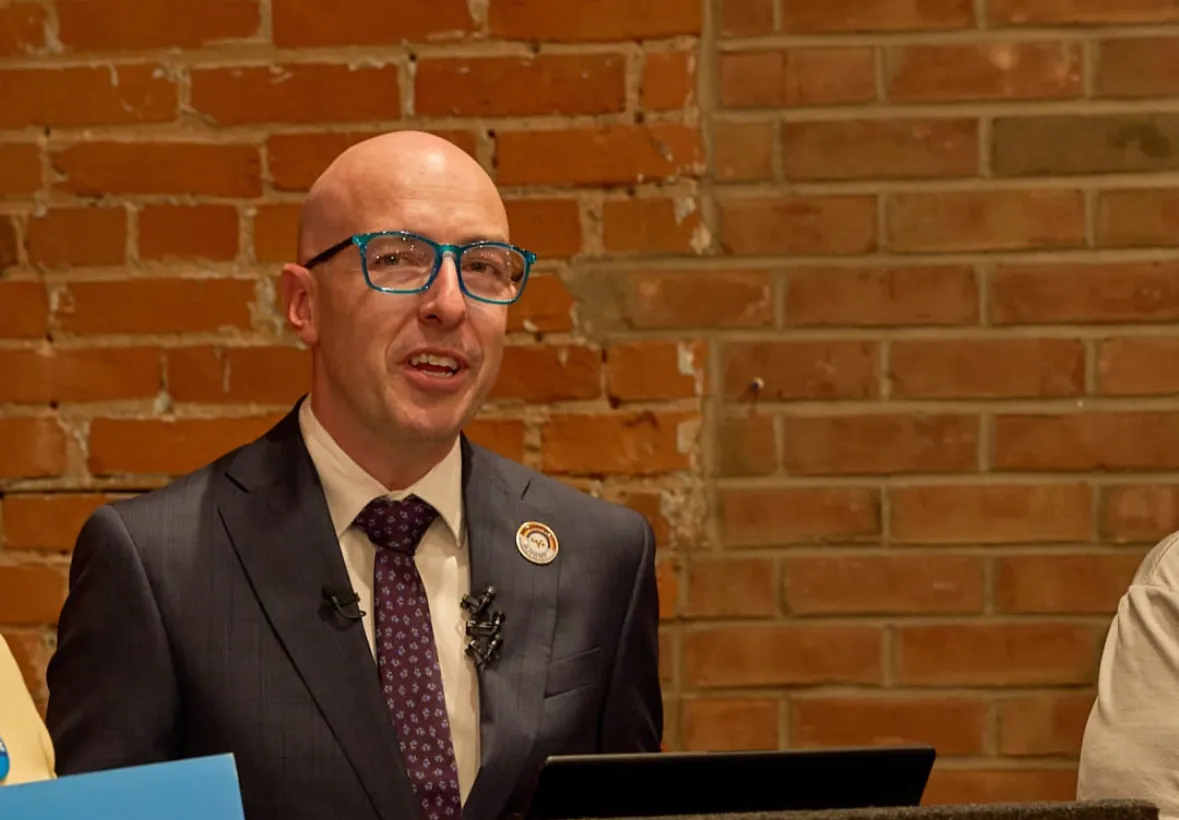
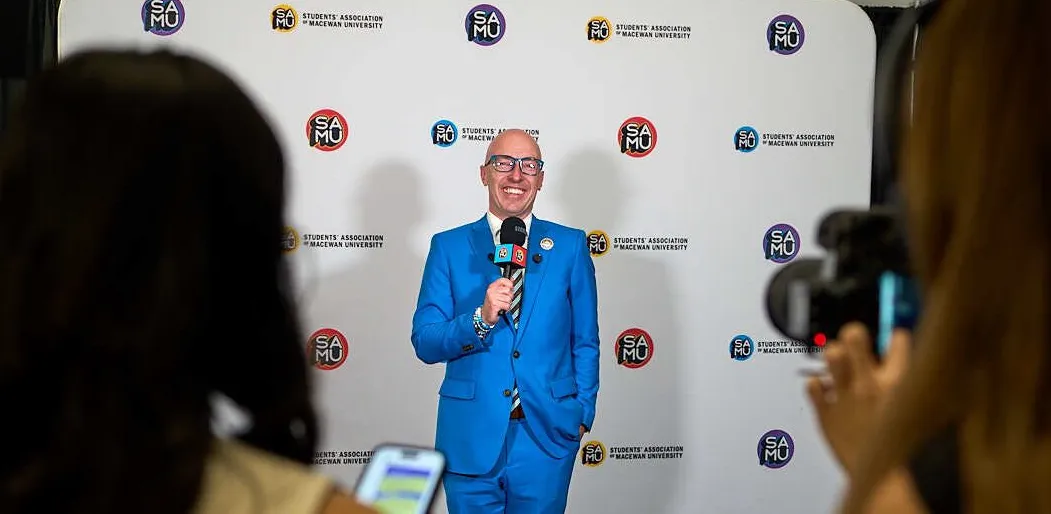
Andrew Knack speaks to reporters after winning Edmonton’s 2025 mayoral election (source: Andrew Knack / Instagram)
Knack bests former frontrunner Tim Cartmell in race to replace Amarjeet Sohi
Results from Edmonton’s low-key municipal election were very slow to trickle in but by mid-afternoon today we learned that Andrew Knack will be the next Mayor of Edmonton.
The three-term councillor has represented west Edmonton since he was first elected in 2013 and jumped into the mayoral race after initially planning to leave municipal politics and not seek re-election to council.
Knack bucked what felt like a strong wave of anti-incumbent sentiment going into the campaign and defeated south side councillor and Better Edmonton Party leader Tim Cartmell by a margin of around 8 points with an abysmal 30 per cent turnout of voters at the polls (at the time I am writing this only 217 of 236 polls are reporting in the mayoral election). Knack ran as an independent candidate.
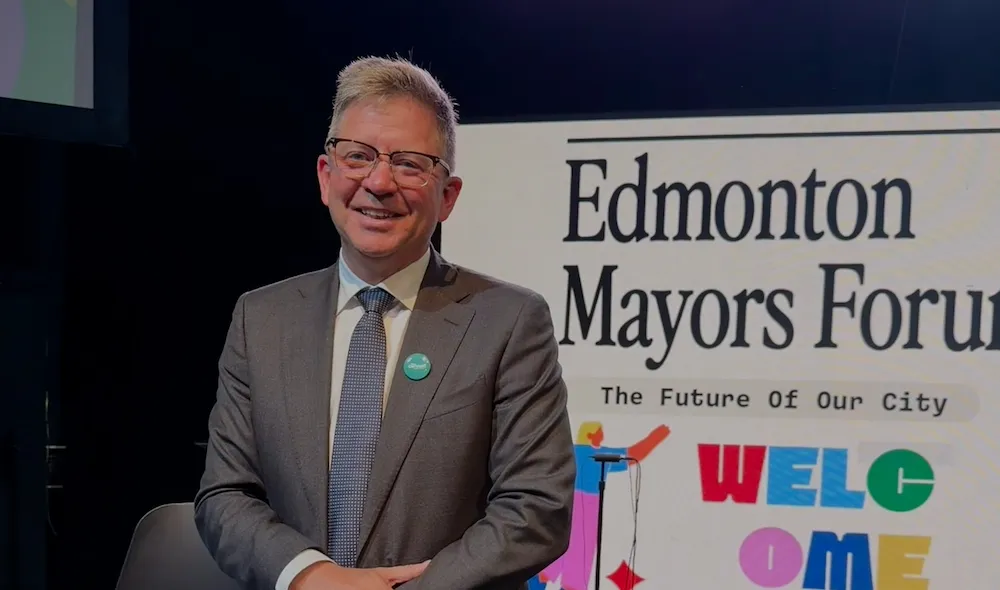
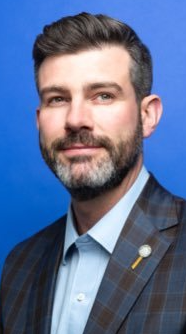
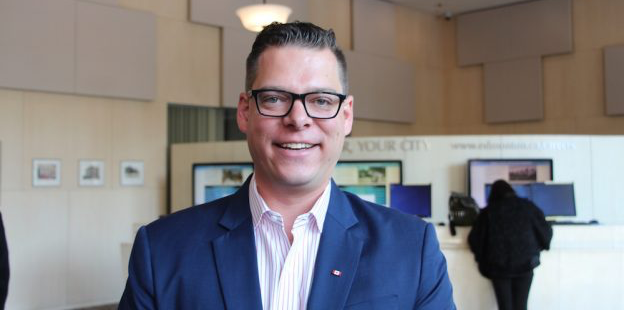
Edmonton mayoral candidate Tim Cartmell (source: Tim Cartmell / Facebook)
Tim Cartmell’s mayoral campaign stalling in the polls became even more surprising last week when Elections Edmonton financial disclosures showed that his campaign raised more than $800,000 by the end of July, largely because of corporate and wealthy individual donors. That means Cartmell’s campaign will have raised almost more money than all the other mayoral candidates combined and the most money of any mayoral candidate in Edmonton’s history.
Cartmell’s early start and Better Edmonton Party slate of council candidates should, in theory, give him a voter identification advantage on October 20. But Cartmell’s series of missteps, including his recently fumbling and bumbling when asked a simple question about whether his corporate donors put him in a conflict of interest, is not an inspiring performance of a future mayor.
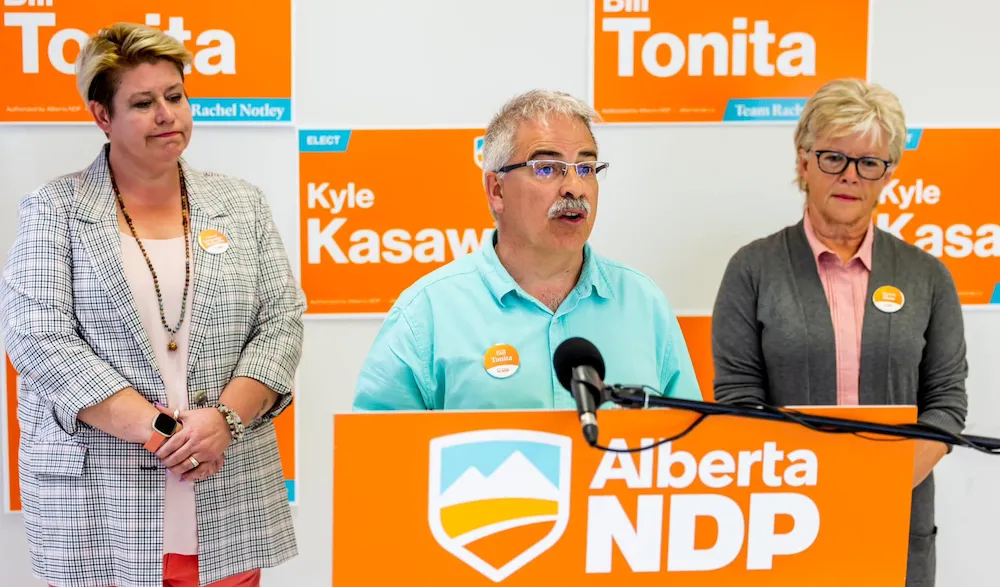
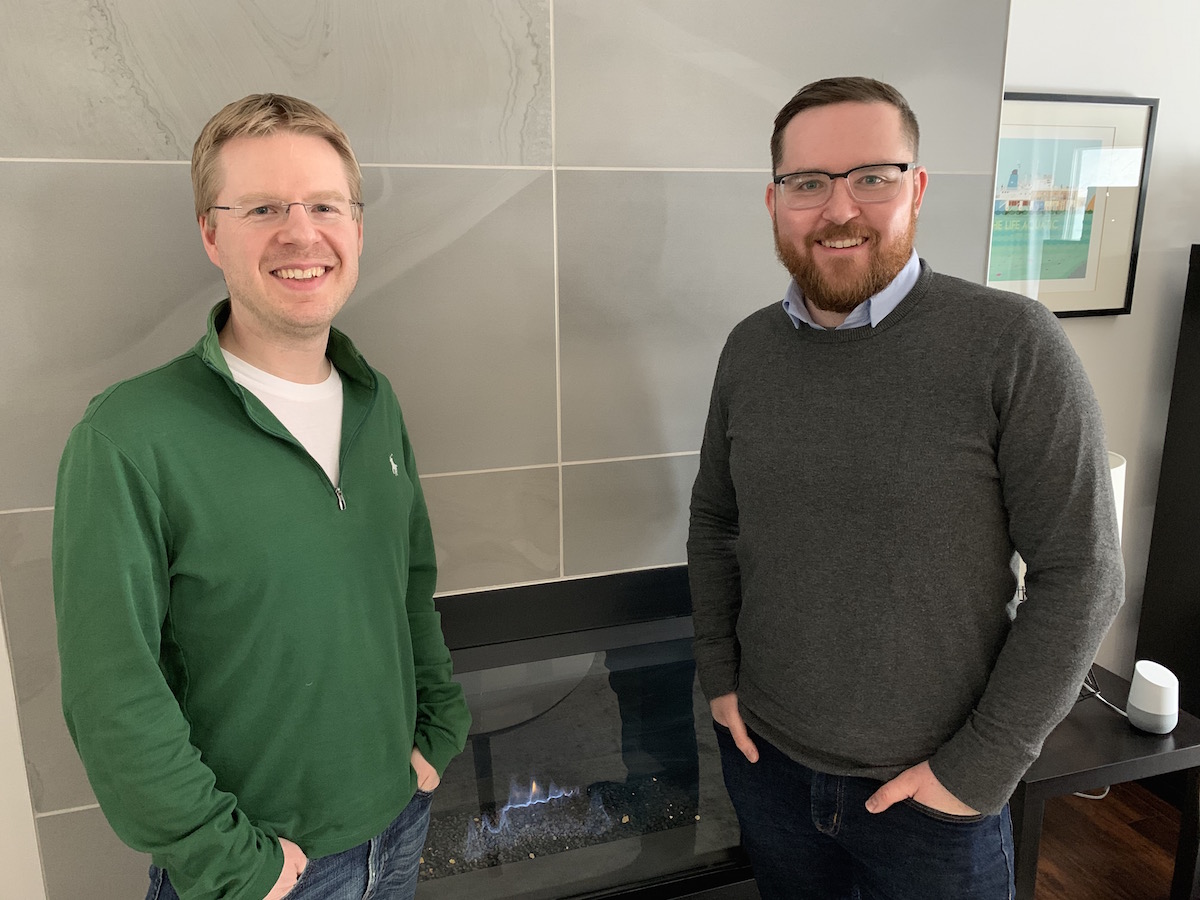
Bill Tonita (centre) with fellow NDP candidates Chantal Saramaga-McKenzie (left) and Karen Shaw (right) during the 2023 provincial election. (source: Bill Tonita / Facebook)
The introduction of municipal political parties in Calgary and Edmonton has generated a lot of confusion and consternation in this election but lost in the noise of the big city debate is that the presidents of Alberta’s two main provincial political parties are on ballots in county elections outside urban centres.
United Conservative Party President Rob Smith is running as a candidate in Mountain View County council’s Division 6 and Alberta NDP President Bill Tonita is running for re-election in Strathcona County’s Ward 4.
Also, big city mayoral candidates Andrew Knack and Jeromy Farkas got the gift every election candidate in Alberta dreams of in the final stretch of the campaign: a Janet Brown poll showing you’re in the lead.
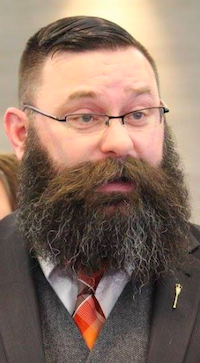
Edmonton mayoral candidate Michael Walters (source: Michael Walters / Facebook)
The latest public opinion poll shows current councillors Tim Cartmell and Andrew Knack and former councillor Michael Walters leading the pack in a close three way race. But with nearly 50 percent of voters saying they are undecided, it could be anyone’s to win.
The Cardinal Research poll showed Walters with 15 per cent support and Cartmell and Knack with 13 per cent each, and 48 per cent of voters undecided. I don’t want to focus too much on the horse race, but that poll shows a pretty tight race in a big open field.
Who’s on first in the race to replace Amarjeet Sohi? It’s hard to tell.
There are 87 days until municipal election day in Alberta and Edmonton’s sleepy mayoral race is beginning to take shape.
With Mayor Amarjeet Sohinot running for re-election after serving one term in the office, what looks like a fairly open field of current and former city councillors has emerged in the race to replace him.
With the city facing an addictions and mental health crisis, a pitch battle over zoning and infill in mature neighbourhoods, huge population growth that is putting immense pressure on the city’s public services, infrastructure, schools and hospitals, and a provincial government is openly hostile to the current city council, whoever is in the mayor’s chair for the next four years will face a rough and challenging time.
To celebrate 20 years of Daveberta, I’m happy to offer free subscribers a 20 percent discount on an annual paid subscription ($40/year down from the regular $50/year). Paid subscribers get full access to all Daveberta newsletters and columns, full episodes of the Daveberta Podcast and a shout out on the podcast, and special Alberta politics extras.
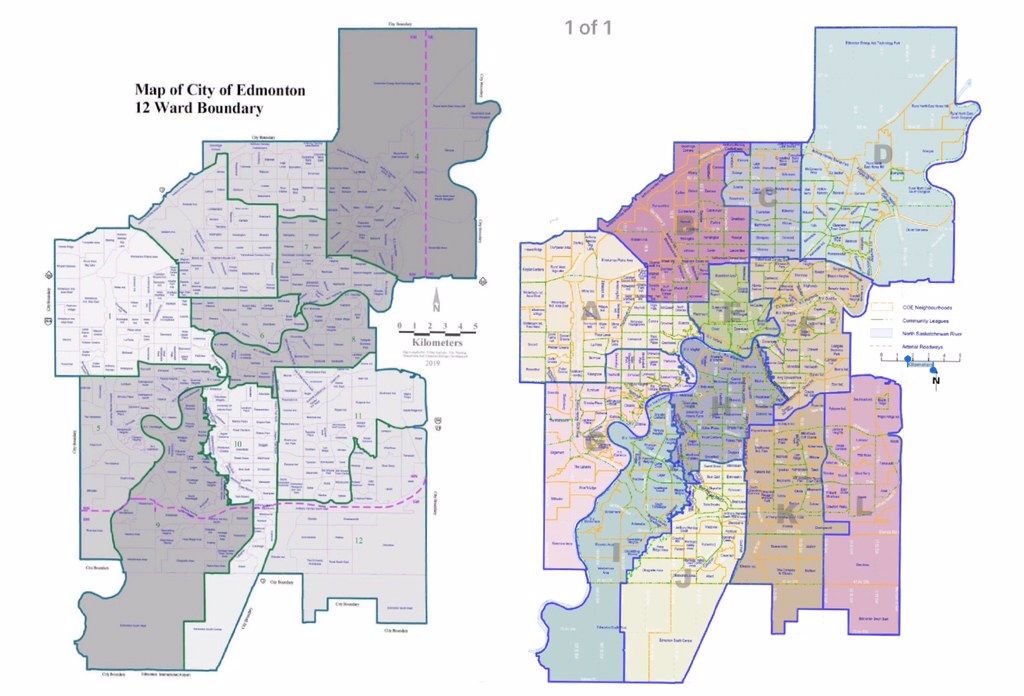
If you live in Edmonton there is a good chance you might be voting in a different ward when you cast your ballots in the City Council election scheduled to take place on October 18, 2021.
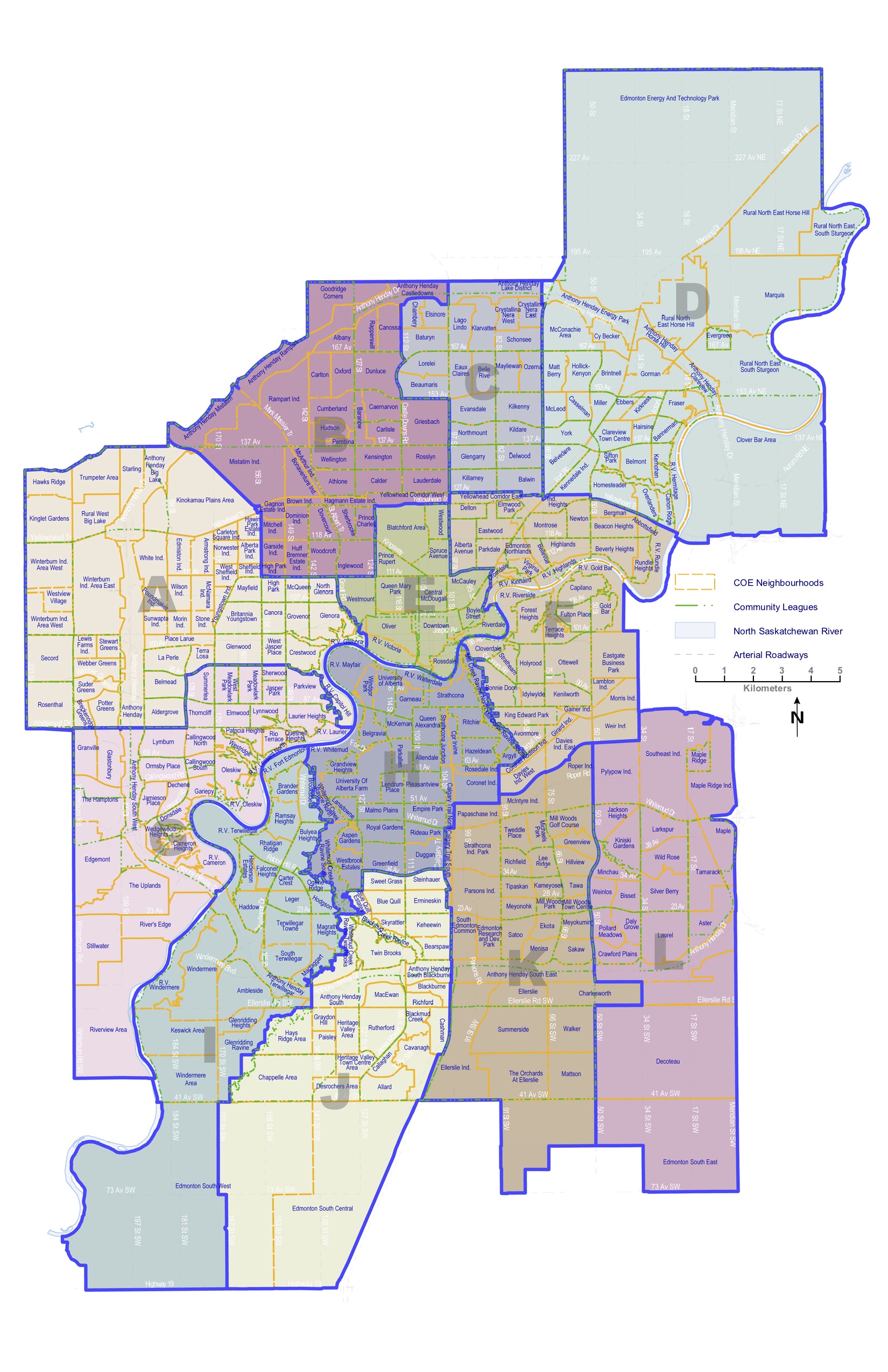
The new Ward boundaries proposed by the Edmonton Electoral Boundaries Commission.
This is the first major change in ward boundaries since Edmonton moved to a one-councillor per ward model in 2010. Prior to then, Edmonton had used a two-councillor ward system since 1980.
The boundary changes are significant in many parts of the city, including Edmonton’s central and mature neighbourhoods and burgeoning southern suburbs. The changes create three new urban central wards and four new wards in the south that span from more established neighbourhoods in Mill Woods and south Edmonton to areas south of the Anthony Henday Freeway along the southern edge of the city.
The new southern Wards I, J, K and L have a slightly lower average population anticipation of growth in the southern suburbs over the next decade. If population growth does continue in the south as anticipated, those Wards will become more suburban heavy over time.
Ward F spans the North Saskatchewan River by including the southern half of the current Ward 7 and most of the east neighbourhoods of the current Ward 8. This more closely reflects the Edmonton Public School Board ward boundaries, which were redrawn ahead of the 2017 election.
There has been some concern raised that the issues of inner city neighbourhoods like Alberta Avenue could be lost by being included in a Ward F that encompasses the increasingly gentrifying neighbourhoods that straddle the North Saskatchewan River and make up the southern portion of the new ward.
As a resident of the current Ward 7, I suspect that many of the neighbourhoods included in the new Ward F that lie north of the river (including mine) have more in common with the neighbourhoods south of the river than the neighbourhoods north of the Yellowhead Trail.
And in the heart of the city, Ward E would create a new ward encompassing the downtown and some of the city’s core neighbourhoods, including the yet to be developed Blatchford area where the former Edmonton City Centre Airport once stood.
The current ward boundaries (left) and the proposed ward boundaries for the 2021 election (right)
New Ward names recommended
This was the first time the City of Edmonton used a citizen Ward Boundary Commission to redraw electoral boundaries. While the final report needs to be approved by City Council, and is still open for Councillors to tinker with, handing the process to an arms-length citizen led commission is a positive move.
The proposed boundaries are designated by letter rather than by number, as the current wards are, but the Commission’s final report included a recommendation that City Council consider a naming system that is more intuitive to residents than the current one. For example, Canadian cities like Winnipeg and Montreal use named wards, and Ottawa and Halifax use a combined numerical and named Wards.
While the Commission was given a mandate to draw boundaries that could last for the next three elections, to 2029, it also recommended that City Council consider reducing the allowable population variance for future boundary adjustments from 25 percent to 10 or 15 percent.
The final report also recognized the weakness in the public engagement process that was created due to the tight timelines given to the Commission.
Impact on the next election
The changes would undoubtably have a big impact on the next election, and will leave some big questions for incumbent City Councillors and challengers as to where they stand as candidates.
Don Iveson
A number of councillors have seen their current wards changed significantly, meaning that if they seek re-election they may need to campaign in many neighbourhoods they previously did not represent. While incumbency and name recognition is a big advantage in municipal elections, the redrawn boundaries could expose some incumbent councillors to strong challenges.
And the big unanswered question hanging out there – whether Mayor Don Iveson runs for re-election – is key. If Iveson does not run for a third-term, it is anticipated that a number of City Councillors could enter the mayoral race creating vacancies in a number of wards.
Councillor Mike Nickel has all but announced his third campaign for the mayor’s office with a series of anti-bike lane and anti-tax internet memes, and other councillors believed to be considering a run for mayor include Michael Walters, Tim Cartmell, and Sarah Hamilton. It is also rumoured that former councillor and federal cabinet minister Amarjeet Sohi could throw his name in the mayoral race, and, if so, he would be a formidable candidate.
Shaye Anderson
The provincial government is also expected to introduce sweeping changes to Alberta’s municipal campaign finance laws ahead of the October 2021 vote. Municipal Affairs Minister Kaycee Madu was expected to introduce the changes during this year’s spring session of the Legislature, but the COVID-19 pandemic has likely delayed those changes to the fall.
Municipal candidates will compete with Senate election and referendum
The 2021 municipal elections will also coincide with the province-wide Senate nominee vote and a province-wide referendum promised by Premier Jason Kenney on possible issues ranging from equalization to withdrawal from the Canada Pension Plan, though it remains unclear what the ballot question will actually be.
The injection of provincial and federal issues and political parties campaigning during the same period as the municipal election could create some very interesting dynamics, and leave important local issues typically reserved for civic elections fighting for voters attention.
It is widely suspected that the decision by the United Conservative Party to resuscitate the Senate nominee elections (where candidates will be ostensibly running under federal party banners) and hold a province-wide referendum during the municipal election campaign is being done with the goal to generate attention for partisan conservative issues and increase support for conservative-aligned candidates running at the municipal level across Alberta.
More than half of Albertans live in Calgary and Edmonton, so why does it feel like big city issues are an afterthought for the provincial government?
Daveberta Podcast
Mack Male joins Dave Cournoyer on this episode of the Daveberta Podcast to discuss the state of local media in Edmonton, Municipal Affairs Minister Kaycee Madu’s paternalistic approach to municipal relations, the review of the Local Authorities Election Act and how it might change the rules of the 2021 municipal elections, and whether there is hope for ever getting a real urban agenda for Alberta (plus free transit and gondolas).
Mack is a co-founder of Taproot Edmonton and co-host of the Speaking Municipally podcast, which focuses on Edmonton City Council and municipal issues in Alberta’s capital city.
A big thanks to our producer, Adam Rozenhart, for making this episode sound so good.
The Daveberta Podcast is a member of the Alberta Podcast Network, powered by ATB. The Alberta Podcast Network includes more than 30 great made-in-Alberta podcasts.
You can listen and subscribe to the Daveberta Podcast on Apple Podcasts, Google Play, Spotify, Stitcher, or wherever you find podcasts online. We love feedback from our listeners, so let us know what you think of this episode and leave a review where you download.
Find us on Twitter, Instagram, Facebook, or you can email us at podcast@daveberta.ca. Thanks for listening!
Photo: Jon Dziadyk spent $9,950.00 on his campaign and unseated a two-term city councillor who spent $119,937.69.
Released this week, the financial disclosures from Edmonton’s municipal elections detail how much each mayoral and councillor candidate raised and expensed during the October 2017 campaign.
The most notable race in terms of money spent was north Edmonton’s Ward 3, where a campaign budget of $119,937.69 could not save two-term councillor Dave Loken from defeat. Loken placed second to Jon Dziadyk, whose campaign only expensed $9,950.00, and he finished narrowly ahead of third place candidate Karen Principe, whose campaign expensed $4,941.54.
Aside from Dziadyk, only two other winning candidates did not to spend the most money in their races. In Ward 6, councillor Scott McKeen’s expenses of $68,833.84 were overshadowed by the $85,469.35 expensed by second place challenger Bill Knight. And in Ward 4, Aaron Paquette’s $58,018.93 campaign was narrowly outspent by second place finisher Rocco Caterina, whose campaign expensed $59,998.97.
While money is still necessary to run a political campaign, as the race in Ward 3 demonstrated, it is sometimes not a factor in determining how voters will act when they reach their voting station.
Below is the breakdown of the revenue and expenses of the for the top three mayoral candidates by votes.
Fourth place mayoral candidate Fahad Mughal claimed revenue and expenses of $22,793.00, and a number of other mayor candidates self-financed their campaigns. None came close to raising or spending the amount that Iveson’s campaign did.
Here are the financial breakdowns submitted from elected city council candidates competing in Edmonton’s 12 wards.
Edmonton City Council Election 2013, Financial Disclosure
Candidate
Total Revenue
Total Expenses
Surplus/(Deficit)
Andrew Knack
$17,772.95
$17.772.95
$0
Bev Esslinger
$63,141.40
$53,807.19
$9,334.21
Jon Dziadyk
$17,040.00
$9,950.00
$7,120.00
Aaron Paquette
$58,018.93
$56,521.04
$1,497.89
Sarah Hamilton
$95,592.00
$84,409.21
$11,182.79
Scott McKeen
$77,401.63
$68,833.84
$8,657.79
Tony Caterina
$67,873.00
$67,173.30
$698.70
Ben Henderson
$61,789.83
$39,930.58
$21,859.25
Tim Cartmell
$95,177.54
$94,276.44
$857.50
Michael Walters
$96,119.06
$96,018.68
$100.38
Mike Nickel
$110,086.17
$108,891.15
$1,195.02
Moe Banga
$89,241.00
$85,672.12
$3,568.88
According to the Local Authorities Elections Act, donations to municipal election candidates are limited to a maximum of $5,000 for individuals, corporations and trade unions during an election year.
Photo: Diana McQueen, Don Iveson, Jim Prentice and Naheed Nenshi sign the Framework Agreement that paved the way for the development of city charters on Oct. 7, 2014 (Photo source: Government of Alberta on Flickr)
Photo: Diana McQueen, Don Iveson, Jim Prentice and Naheed Nenshi sign the Framework Agreement that paved the way for the development of city charters on Oct. 7, 2014 (Photo source: Government of Alberta on Flickr)
With six days left until municipal election day in Alberta, the mayors in the province’s two largest cities are facing very different election campaigns.
In Edmonton, Mayor Don Iveson is expected to coast to victory, with none of his twelve challenger mounting the kind of campaign needed to unseat a popular incumbent mayor.
The lack of challengers is not a surprise when considering Iveson’s high approval ratings through most of his first term as mayor. Not taking the lack of competition for granted, Iveson has kept up a healthy pace of campaigning and policy announcements, and has been spotted lending his support to a handful of incumbent City Councillors running for re-election – Andrew Knack in Ward 1, Dave Loken in Ward 3, Michael Walters in Ward 10 and Moe Banga in Ward 12.
Meanwhile, looking south to Alberta’s largest city, incumbent Calgary Mayor Naheed Nenshi appears to be in the fight of his political life. The campaign began with a showdownbetween Nenshi and Calgary Flames President and CEO Ken King over funding for a new hockey arena (sound familiar, Edmonton?), but the narrative shifted into a referendum on Nenshi himself.
Nenshi, who took pride in winning two previous elections by campaigning “in full sentences,” now faces a conservative establishment candidate who has forgone any deep policy proposals. Bill Smith appears to be running almost purely on an “I’m not Nenshi” platform, which appears to be satisfactory for a significant portion of the electorate unhappy with the current Mayor.
He can sometimes be brash and over-confiendent, but Nenshi has done a lot over the past seven years to help reshape more than a few preconceived notions about Calgary and Alberta into a more modern, progressive and urban place.
While I am told by Calgarians that the race is expected be close, I am very skeptical of a recent poll showing Smith with a huge lead over Nenshi. Recent news that bailiffs were recently poised to seize the property of Smith’s law firm over a defaulted loan worth nearly $25,000 could dampen the challenger’s momentum in the final week of the campaign.
Unlike Iveson, who is expected to coast to victory on October 16, Nenshi and his team will need to work overtime for the next six days to secure his third term in office.
Nenshi and Iveson shared the stage to deliver the 10th Annual Hurtig Lecture on the Future of Canada held at the University of Alberta in 2015.
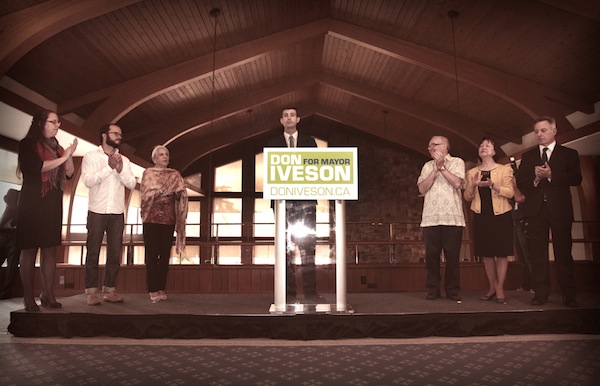
Don Iveson at the launch of his campaign for Mayor in 2013.
Mayor Don Iveson and 25 other Edmontonians have officially submitted forms expressing their intent to run in Edmonton’s next municipal elections, which are scheduled to take place on Monday, October 16, 2017.
Mr. Iveson’s papers were signed on October 16, 2016 and are now filed in the Office of the City Clerk. After serving two-terms on City Council starting in 2007, Mr. Iveson was elected Mayor by an overwhelming 62 percent of voters in 2013. Along with his mayoral duties, he is currently the chair of Canada’s Big City Mayors’ Caucus, which includes the mayors of Canada’s largest cities.
Candidates do not have to declare what positions they plan to run for until the official nomination day, on Monday September 18, 2017.
Some recent additions to the list of interested candidates, who have filed their papers since my previousupdates, include:
Beatrice Ghettuba – A Chartered Professional Accountant and Board Chair of Edmonton’s Africa Centre. She ran as a federal Liberal candidate in the St. Albert-Edmonton riding in the 2015 election. In that race she finished second with 22.6 percent of the vote, ahead of incumbent Independent MP Brent Rathgeber.
Michael Walters and a team of supporters at the Edmonton Municipal Election Nomination Day in 2013.
There are 455 days until Edmontonians go to the polls to vote in the next municipal elections and some candidates are already starting to organize their campaigns.
I dropped by the Office of the City Clerk yesterday and discovered that ten candidates have officially registered their intent to run in Edmonton’s 2017 municipal election. Prospective candidates need to file their intentions to run in order to fundraise for their campaigns but they do not need to identify what position they plan to run for until they submit their papers to the City Clerk on the official nomination day.
Five incumbent city councillors Bev Esslinger, Dave Loken, Scott McKeen, Michael Walters and Mike Nickel have filed their papers. I suspect that the five incumbents will run for re-election in their respective Wards. It was suspected that Mr. Nickel could make a third attempt at running for mayor (he did in 1998 and 2001) but a rape joke published on his now-former online talk show’s Facebook page may have convinced him to focus on re-election in Ward 11.
The five challengers who have filed their intentions are:
Rob Bernshaw ran for city council in north Edmonton’s Ward 3 in 2013 and in the Public School Board Ward G by-election in 2015.
Sam Hachem was the sole candidate to challenge Councillor Ed Gibbons in Ward 4 in 2013. He earned 22.8 percent of the vote.
Shelley Tupper has been a candidate for City Council in north west Edmonton wards in 2007, 2010 and 2013. In 2013 she ran in Ward 2, finishing 5th with 9 percent of the vote. She has previously served as president of the Kensington Community League and is the current Secretary of the Edmonton-Griesbach Conservative Association.
Matthew (Matty) Wray, about whom I could not find any information online.
The next Municipal Elections will be held on Monday, October 16, 2017.
The Progressive Conservatives held their first “Super Saturday” on Feb. 21, 2015, during which contested nominations were held in seven constituencies. The handful of contested PC nominations have been overshadowed by the nearly forty acclamations by incumbent PC MLAs across the province.
The Liberal Party, still without a permanent leader after Raj Sherman‘s abrupt resignation in Jan. 2015, has opened candidate nominations in all 87 constituencies and have made notice on their website that all Liberal nominations must be complete by March 1, 2015. If the Liberals are actually able to nominate candidates in all 87 constituencies in the next seven days, it will be a busy week on this blog.
Bonnyville-Cold Lake: Cold Lake Mayor Craig Copeland defeated former Wildrose nomination candidate Dixie Dahlstedt in the PC nomination. Some local party members complained about the lack of multiple voting locations in the rural constituency and the police were called to the voting station after an allegedly intoxicated man caused a disturbance. A Municipal District of Bonnyville councillor told the Cold Lake Sun that alleged he was the man removed by the RCMP and he was not intoxicated. Current PC MLA Genia Leskiw is not seeking re-election.
Calgary-Buffalo: Lawyer David Khan will seek the Liberal nomination in this downtown Calgary constituency. Buffalo is currently represented by Liberal MLA Kent Hehr, who is running for the federal Liberals in Calgary-Centre, and has elected Liberals in six of the eight elections held since 1986. Mr. Khan was his party’s candidate in the 2014 Calgary-West by-election where he earned 8.5% of the vote.
David Khan
Calgary-Bow: David Gamble is seeking the Liberal nomination. According to his Facebook Page, Mr. Gamble is the President and CEO of Dandly Writing and Communications.
Calgary-Cross: Seven candidates are seeking the PC nomination in this northeast Calgary constituency – Dan Singh Sidhu, Mohamed El-Rafih, Jesse Minhas, Manjit Jaswal, Hardeep Rai, Hirde Paul, and Bill Kahlon. The constituency has been represented by PC MLA Yvonne Fritz since 1993. She is not seeking re-election.
Calgary-Currie: Pat Murray is seeking the Liberal nomination. Mr. Murray was the Liberal Party candidate in Calary-Currie in the 2001 election and Calgary-North Hill in 2004 and 2008 elections. He also ran as a federal PC candidate in Calgary-Nose Hill in the 1997 federal election.
Richard Gotfried
Calgary-Fish Creek: Richard Gotfried defeated Myles McDougall to become the PC candidate. The constituency is currently represented by Wildrose MLA Heather Forsyth, who is not seeking re-election.
Calgary-Foothills: Electrical engineer Ali Bin Zahid is seeking the Liberal nomination to run against Premier Jim Prentice in the next election.
Calgary-Glenmore: David Waddington is the nominated Liberal Party candidate.
Calgary-Hawkwood: Beth Barberee has been nominated as the Alberta Party candidate.
Calgary-McCall: Realtor Avinash Khangura is seeking the Liberal nomination. The constituency is currently represented by Liberal MLA Darshan Kang, who is now the federal Liberal candidate in the Calgary-Skyview constituency.
Stephanie McLean
Calgary-Mountain View: Former MLA Mark Hlady defeated Mr. Prentice’s former Chief of Staff Jean-Sebastien Rioux and Lynn Moen in the PC nomination. Mr. Hlady was the MLA from 1993 until 2004, when he was unseated by the current Liberal MLA, David Swann.
Calgary-North West: First-term PC MLA and former cabinet minister Sandra Jansen defeated past city council candidate Blair Houston in the PC nomination.
Calgary-Varsity: Stephanie McLean was nominated as the NDP candidate in this northwest Calgary constituency. Ms. McLean was the NDP candidate in the recent Calgary-Elbow by-election and is also her party’s federally nominated candidate in Calgary-Confederation. Paramedic Pete Helfrich is the nominated Liberal Party candidate. Mr. Helfrich ran for the Liberals in Banff-Cochrane in the 2012 election.
Jamie Lall
Chestermere-Rockyview: Jamie Lall is challenging Wildrose-turned-PC MLA Bruce McAllister for the PC nomination. Mr. Lall was his party’s 2012 candidate in the Calgary-Buffalo constituency.
Edmonton-Beverly-Clareview: First-term NDP MLA Deron Bilous has been acclaimed as his party’s candidate in the next election.
Edmonton-Calder: Ministerial Chief of Staff Tom Bradley has been acclaimed as the PC candidate in this northeast Edmonton constituency current represented by NDP MLA David Eggen. Mr. Bradley is currently the Chief of Staff to Infrastructure Minister Manmeet Bhullar and also served as Base Commander for CFB Edmonton from 2009 to 2011 and Chief of Operations for Task Force Kandahar in Afghanistan from 2007 to 2008.
Chris Labossiere
Edmonton-Meadowlark: Steve Benson is challenging former Globe & Mail reporter Katherine O’Neill for the PC nomination. Former Catholic School District Trustee Debbie Cavaliere is said to been collecting signatures to contest the Liberal nomination. In 2008, Ms. Cavaliere challenged Raj Sherman in the Meadowlark PC nomination contest before withdrawing, switching parties and unsuccessfully running against him in that year’s election as the Liberal candidate. Dr. Sherman, who joined the Liberals in 2011 after becoming leader, is not seeking re-election.
Edmonton-Rutherford: Businessman and Edmonton enthusiast Chris Labossiere will face management consultant Grant Mann for the PC nomination. Mr. Labossiere has earned the endorsements of City Councillor Michael Walters, public school trustee Michael Janz, former Premier Dave Hancock, Edmonton Economic Development Corp. CEO Brad Ferguson and Poppy Barley CEO Kendall Barber, among others.
Rachel Notley
Edmonton-Strathcona: NDP leader Rachel Notley has been acclaimed as her party’s candidate in the next election. Former NDP MP Olivia Chow is scheduled to speak at Ms. Notley’s nomination meeting on March 1, 2015.
Fort McMurray-Wood Buffalo: Tracy McKinnon, chairperson of the Fort McMurray Catholic School District, is challenging first-term PC MLA Mike Allen for that party’s nomination. Mr. Allen achieved national notoriety in 2013 when he was charged in a prostitution sting while on government-funded trip to Minneapolis, Minnesota. He pleaded guilty to the charge in December 2013 and paid a $500 fine and court costs. Following the incident, he sat as an Independent MLA until July 2014, when PC MLAs voted to allow him to rejoin the Government Caucus.
Danielle Smith
Highwood: Wildrose leader-turned-PC MLA Danielle Smith will face Okotoks town councillor Carrie Fischer in the PC nomination contest. Joel Windsor is running for the Alberta Party.
Medicine Hat: Wildrose-turned-PC MLA Blake Pedersen defeated former city councillor John Hamill and realtor Jeff Lanigan. Mr. Pedersen faced harsh criticism form his opponents in a recent nomination debate. “I will die on my sword before I cross the floor… people who cross the floor have no honour,” Mr. Hamill said of Mr. Pedersen.
Dustin Nau and local radio personality Val Olson are running for Wildrose nomination in Medicine Hat. Mr. Nau was his party’s 2012 election candidate in Calgary-Foothills.
Peace River: Debbie Jabbour is seeking the NDP nomination.
Rimbey-Rocky Mountain House-Sundre: Tammy Cote defeated former Lacombe County Reeve Terry Engan in the PC nomination contest. Ms. Cote is the grand-niece of former PC MLA and lieutenant-governor Helen Hunley.
Spruce Grove-St. Albert: Rus Matichuk defeated former St. Albert city councillor Neil Kortash and government spokesperson Kathleen Range to become the PC candidate. The constituency was formerly represented by former Finance Minister Doug Horner, who resigned as MLA on Jan. 31, 2015.
Seven more PC MLAs have been acclaimed, bringing the total number of acclaimed PC candidates to 39: Moe Amery in Calgary-East, Dave Rodney in Calgary-Lougheed, David Dorward in Edmonton-Gold Bar, Steve Young in Edmonton-Riverview, Jacquie Fenske in Fort Saskatchewan-Vegreville, Greg Weadick in Lethbridge-West and Richard Starke in Vermilion-Lloydminster.
I have added these updates to the list of nominees and nomination candidates planning to run in Alberta’s next general election. Please email david.cournoyer [at] gmail.com if there are additions to the list. Thank you.