Flashy new NDP ad gives a glimpse into what the NDP wants to fight for in the next election
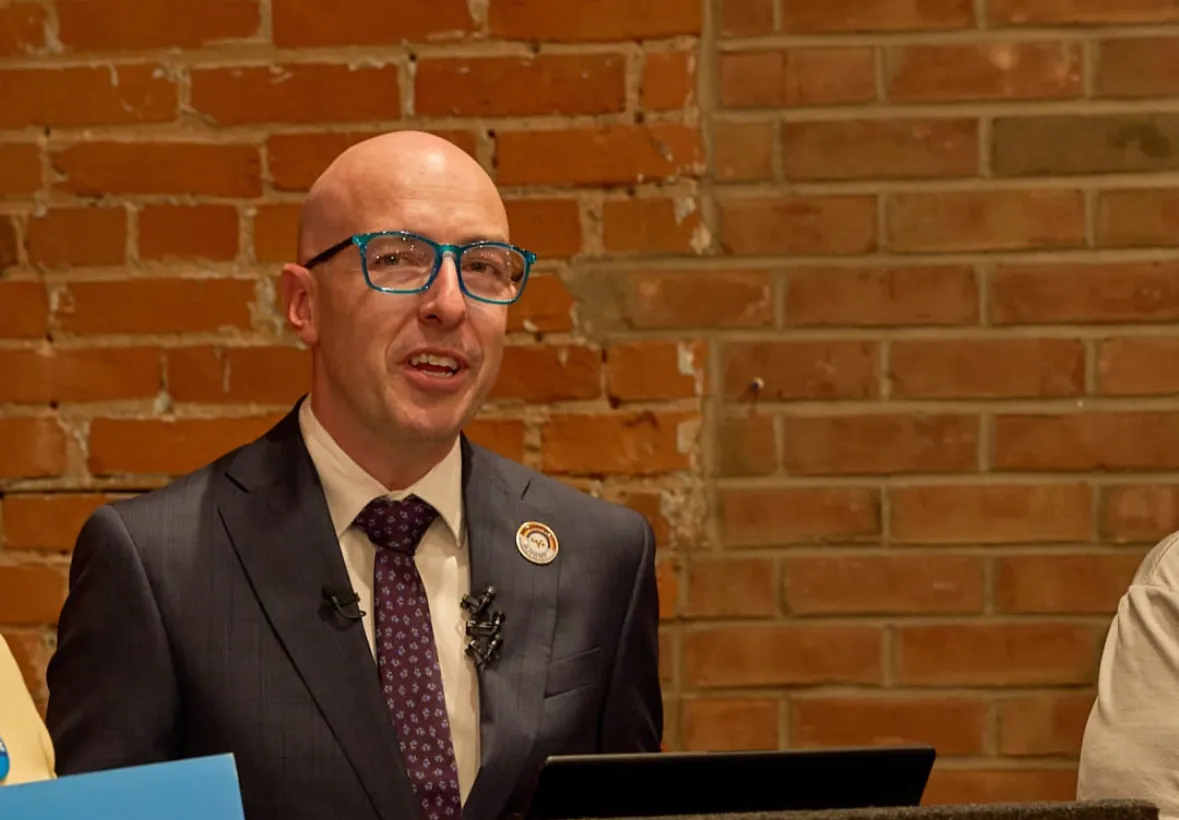
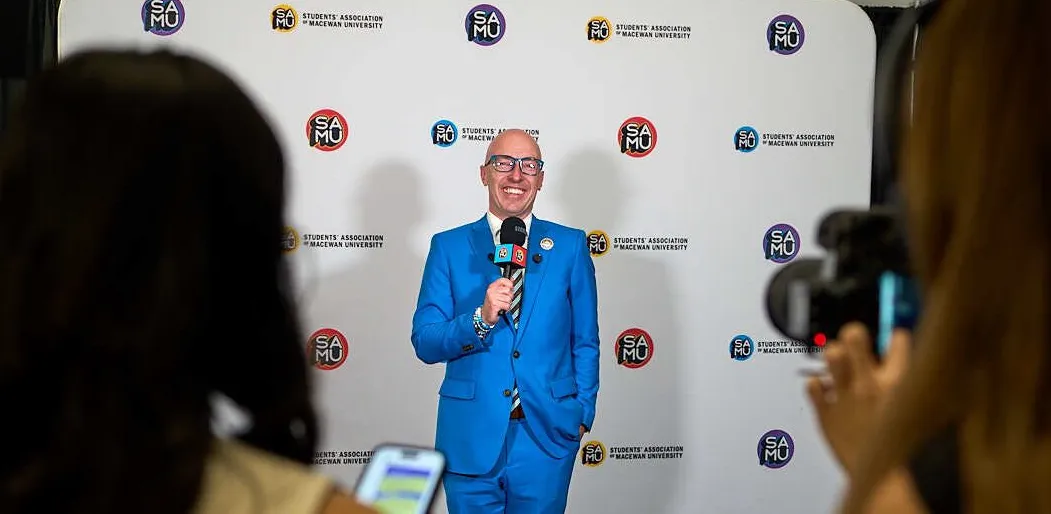
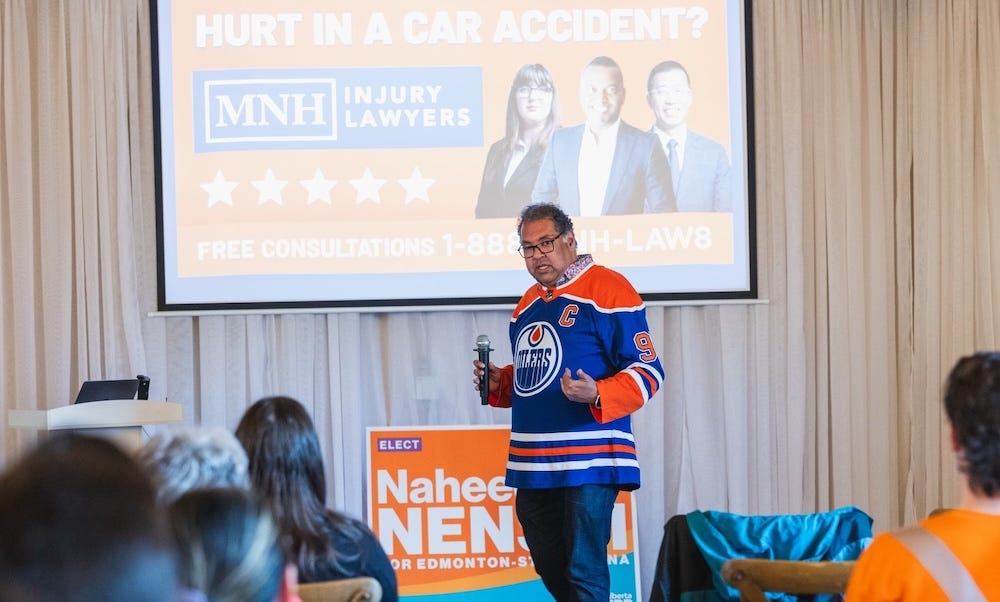
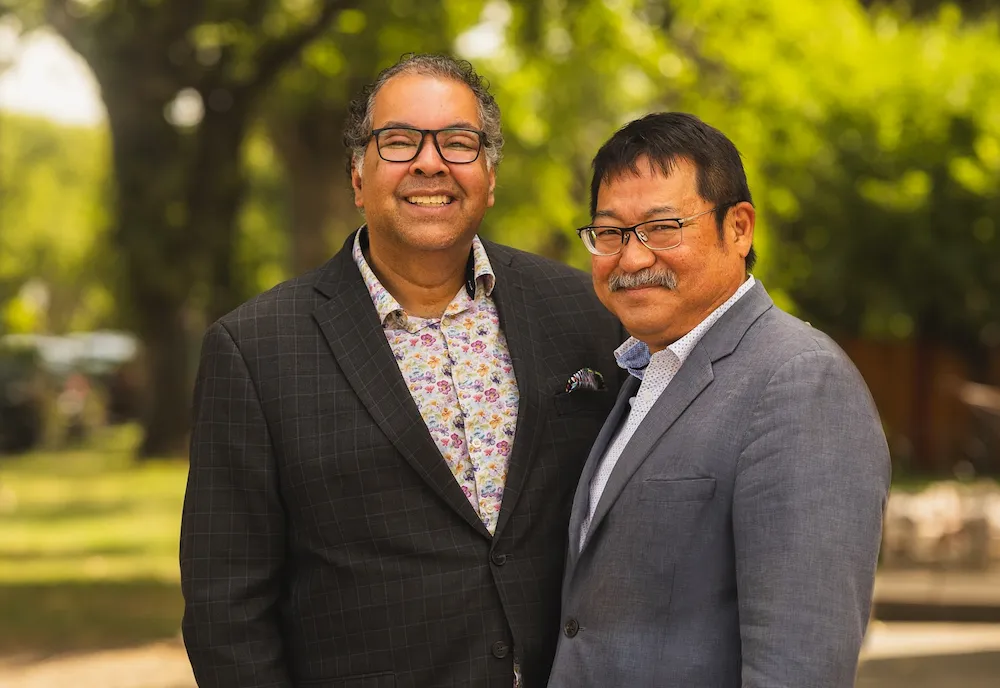
Naheed Nenshi is ready. That’s the main message of a new campaign ad released by the Alberta New Democrats last week. The video reintroduces Nenshi to Albertans and tries to lay out some clear contrasts between his party and Premier Danielle Smith’s United Conservative Party.
The new ad is reportedly the result of the Alberta NDP’s new relationship with the US-based Fight Agency, the political consultants behind Zohran Mamdani’s wildly successful campaign to become the next Mayor of New York City. And it’s an impressive ad.
Tim Cartmell was the perceived frontrunner who had been posturing for a mayoral run for years and entered the race with a large campaign war chest and a tailor made Better Edmonton Party with a slate of council candidates in each ward.
In theory, the menu of fundraising and organizational advantages available to him should have vaulted Cartmell into the mayor’s office.
The advantages the party structure could give candidates with large bases of corporate donor support was the real political incentive in mind when the province’s United Conservative Party government decided to inject municipal political parties into Edmonton and Calgary elections. Cartmell’s mayoral campaign is expected to have spent more than $1 million on the race, making it the most expensive election campaign in Edmonton’s history.
Andrew Knack spent most of his 12 years on Edmonton city council playing the role of the mild-mannered moderate centrist who was known for going above and beyond to engage with his constituents. But in this election, Knack was cast as the progressive alternative to Tim Cartmell’s corporate donor backed campaign.
Andrew Knack speaks to reporters after winning Edmonton’s 2025 mayoral election (source: Andrew Knack / Instagram)
Knack bests former frontrunner Tim Cartmell in race to replace Amarjeet Sohi
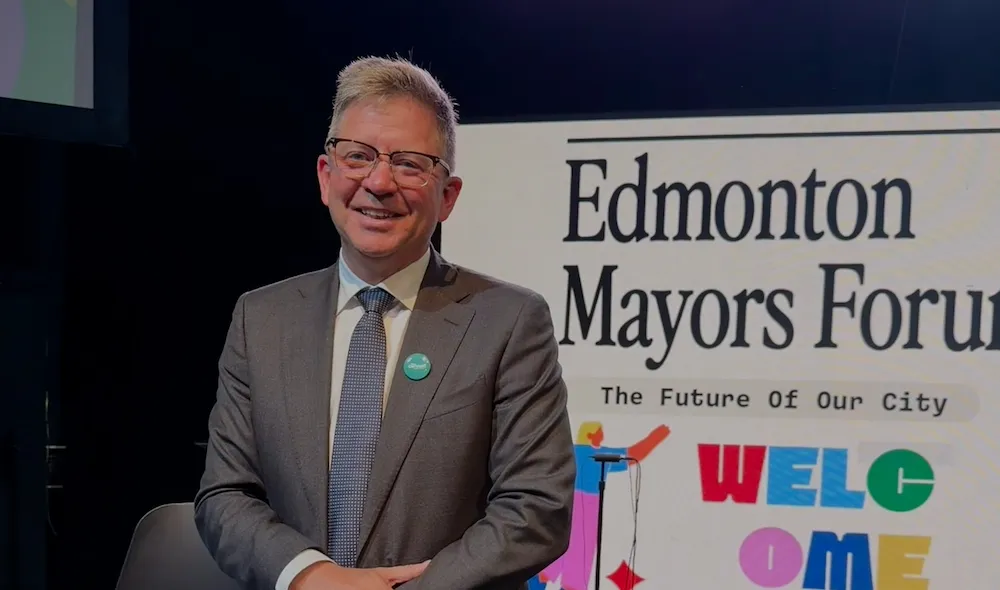
Results from Edmonton’s low-key municipal election were very slow to trickle in but by mid-afternoon today we learned that Andrew Knack will be the next Mayor of Edmonton.
The three-term councillor has represented west Edmonton since he was first elected in 2013 and jumped into the mayoral race after initially planning to leave municipal politics and not seek re-election to council.
Knack bucked what felt like a strong wave of anti-incumbent sentiment going into the campaign and defeated south side councillor and Better Edmonton Party leader Tim Cartmell by a margin of around 8 points with an abysmal 30 per cent turnout of voters at the polls (at the time I am writing this only 217 of 236 polls are reporting in the mayoral election). Knack ran as an independent candidate.
Edmonton mayoral candidate Tim Cartmell (source: Tim Cartmell / Facebook)
Tim Cartmell’s mayoral campaign stalling in the polls became even more surprising last week when Elections Edmonton financial disclosures showed that his campaign raised more than $800,000 by the end of July, largely because of corporate and wealthy individual donors. That means Cartmell’s campaign will have raised almost more money than all the other mayoral candidates combined and the most money of any mayoral candidate in Edmonton’s history.
Cartmell’s early start and Better Edmonton Party slate of council candidates should, in theory, give him a voter identification advantage on October 20. But Cartmell’s series of missteps, including his recently fumbling and bumbling when asked a simple question about whether his corporate donors put him in a conflict of interest, is not an inspiring performance of a future mayor.
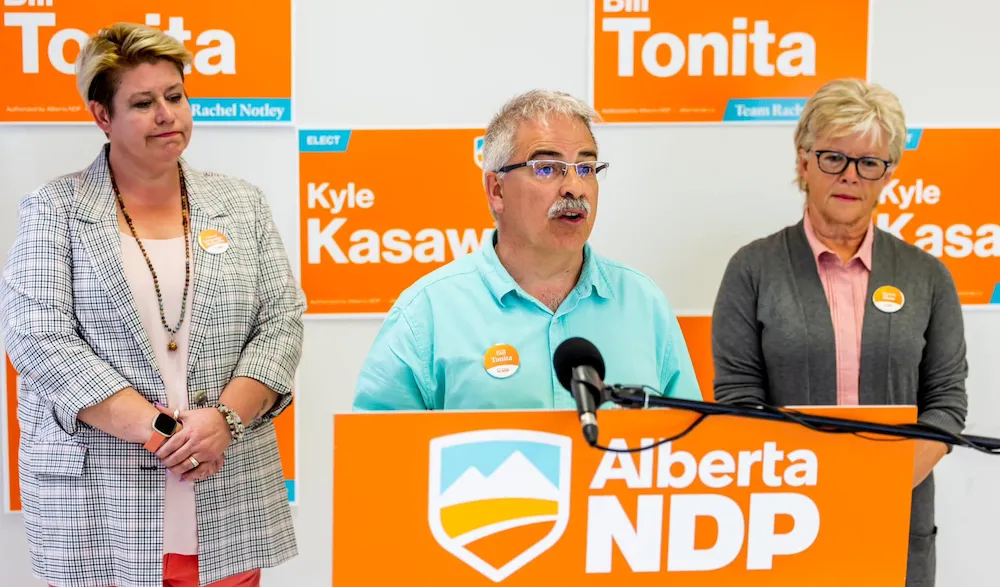
Bill Tonita (centre) with fellow NDP candidates Chantal Saramaga-McKenzie (left) and Karen Shaw (right) during the 2023 provincial election. (source: Bill Tonita / Facebook)
The introduction of municipal political parties in Calgary and Edmonton has generated a lot of confusion and consternation in this election but lost in the noise of the big city debate is that the presidents of Alberta’s two main provincial political parties are on ballots in county elections outside urban centres.
United Conservative Party President Rob Smith is running as a candidate in Mountain View County council’s Division 6 and Alberta NDP President Bill Tonita is running for re-election in Strathcona County’s Ward 4.
Also, big city mayoral candidates Andrew Knack and Jeromy Farkas got the gift every election candidate in Alberta dreams of in the final stretch of the campaign: a Janet Brown poll showing you’re in the lead.
Edmonton mayoral candidate Michael Walters (source: Michael Walters / Facebook)
The latest public opinion poll shows current councillors Tim Cartmell and Andrew Knack and former councillor Michael Walters leading the pack in a close three way race. But with nearly 50 percent of voters saying they are undecided, it could be anyone’s to win.
The Cardinal Research poll showed Walters with 15 per cent support and Cartmell and Knack with 13 per cent each, and 48 per cent of voters undecided. I don’t want to focus too much on the horse race, but that poll shows a pretty tight race in a big open field.
Who’s on first in the race to replace Amarjeet Sohi? It’s hard to tell.
There are 87 days until municipal election day in Alberta and Edmonton’s sleepy mayoral race is beginning to take shape.
With Mayor Amarjeet Sohinot running for re-election after serving one term in the office, what looks like a fairly open field of current and former city councillors has emerged in the race to replace him.
With the city facing an addictions and mental health crisis, a pitch battle over zoning and infill in mature neighbourhoods, huge population growth that is putting immense pressure on the city’s public services, infrastructure, schools and hospitals, and a provincial government is openly hostile to the current city council, whoever is in the mayor’s chair for the next four years will face a rough and challenging time.
To celebrate 20 years of Daveberta, I’m happy to offer free subscribers a 20 percent discount on an annual paid subscription ($40/year down from the regular $50/year). Paid subscribers get full access to all Daveberta newsletters and columns, full episodes of the Daveberta Podcast and a shout out on the podcast, and special Alberta politics extras.
A motion from Mayor Amarjeet Sohi to reaffirm some of the most controversial parts of the current bylaw passed in a 6-5 vote, meaning that Cartmell’s vote would have made the difference had he shown up in-person or joined the meeting over Zoom.
The week before Cartmell left for vacation, he proposed halting infill development in the city with a dramatic motion that he was told ahead of time was likely illegal. Cartmell then posted a video on social media tut tutting his council colleagues before leaving for an undisclosed vacation spot that his campaign says has no internet connectivity.
Premier Danielle Smith and Conservative by-election candidate Pierre Poilievre (source: Danielle Smith / Instagram)
A Liberal win in this sprawling rural riding would be one in a trillion
With Stampede season soon winding down in Calgary, attention of the political class will quickly turn from the lobbyist receptions, pancake flips, and oil industry cocktail parties to the land of real cowboys. The federal by-election in Battle River-Crowfoot has been called for August 18 and Conservative Party leader Pierre Poilievre is the favourite to win this vote and reclaim a seat in the House of Commons after his defeat in Ontario on April 28.
Opposition shouldn’t panic – it should make smart changes
The three provincial by-elections are in full swing and the NDP are eager to have leader Naheed Nenshi join their MLAs in the Legislature. Two new polls will add extra urgency to the NDP’s efforts to hold on to two of those seats and have Nenshi hit the ground running when he is elected in Edmonton-Strathcona on June 23.
For the past five years, this urban riding located in southwest Alberta has been an electoral anomaly: a lone orange island surrounded by a sea of blue. The riding was one of two won by the NDP in 2023 that was outside of the immediate Edmonton and Calgary areas.
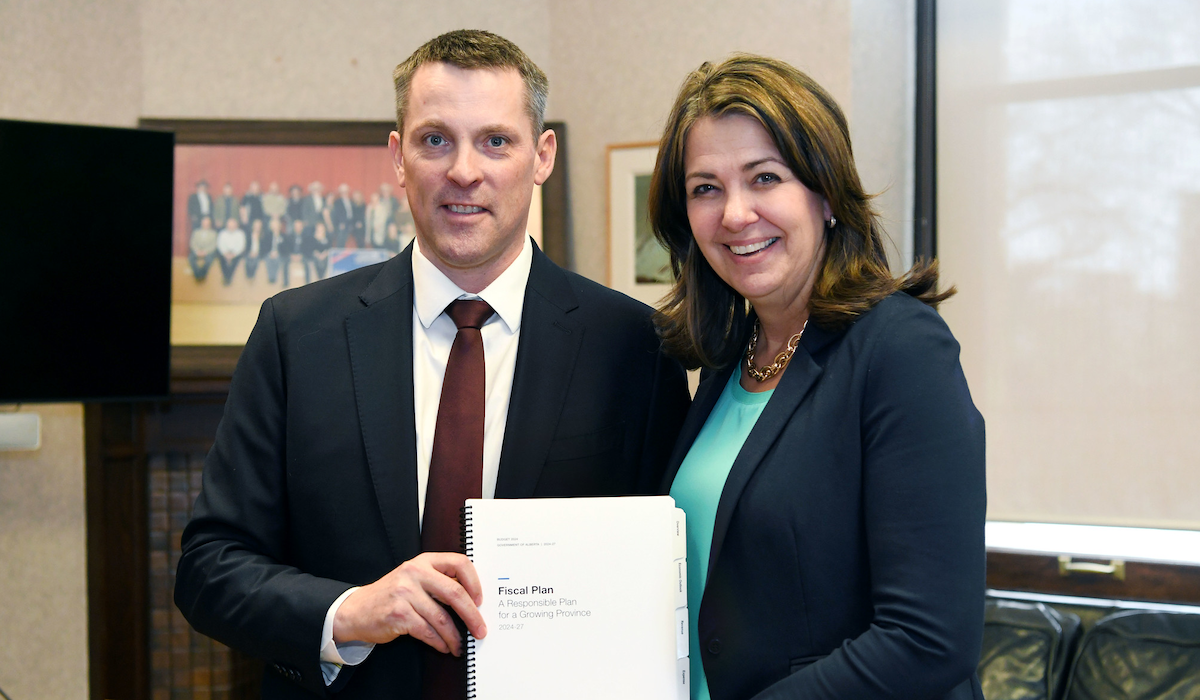
Minister of Finance Nate Horner and Premier Danielle Smith on February 29, 2024 (photography by Chris Schwarz/Government of Alberta/Alberta Newsroom)
Alberta’s $160.6 billion investments now under a government controlled cone of silence
Secure in her party’s leadership after earning the support of 91.5 percent of members at the United Conservative Party AGM earlier this month, Premier Danielle Smith isn’t skipping a beat in implementing her government’s political agenda.
The firing of the CEO and the entire board of directors of AIMCo, the arms-length Alberta Investment Management Corporation, was confirmed through a short 9:47 am press release from Finance Minister Nate Horner last Friday.
I spoke with CTV Edmonton about the bizarre development in Edmonton’s mayoral election between former City Councillor Michael Oshry and current Councillor Mike Nickel. Nickel tweeted a screenshot of a private message sent to him by Oshry saying he was “likely in” as a candidate for the mayoral race and asking Nickel if he would support him. Nickel’s tweet was sent to generate attention to his own campaign for mayor, but also serves as a warning to anyone planning to send him an email or private message – it might not stay private for long.
Diana Steele has announced her plans to run for mayor. Steele is the President of the Crestwood Community League and Coordinator, Volunteer Services and Communications for the Pilgrims Hospice Society.
There have also been a number of candidates who have announced their plans to run for Edmonton City Council in the newly redrawn and renamed Wards:
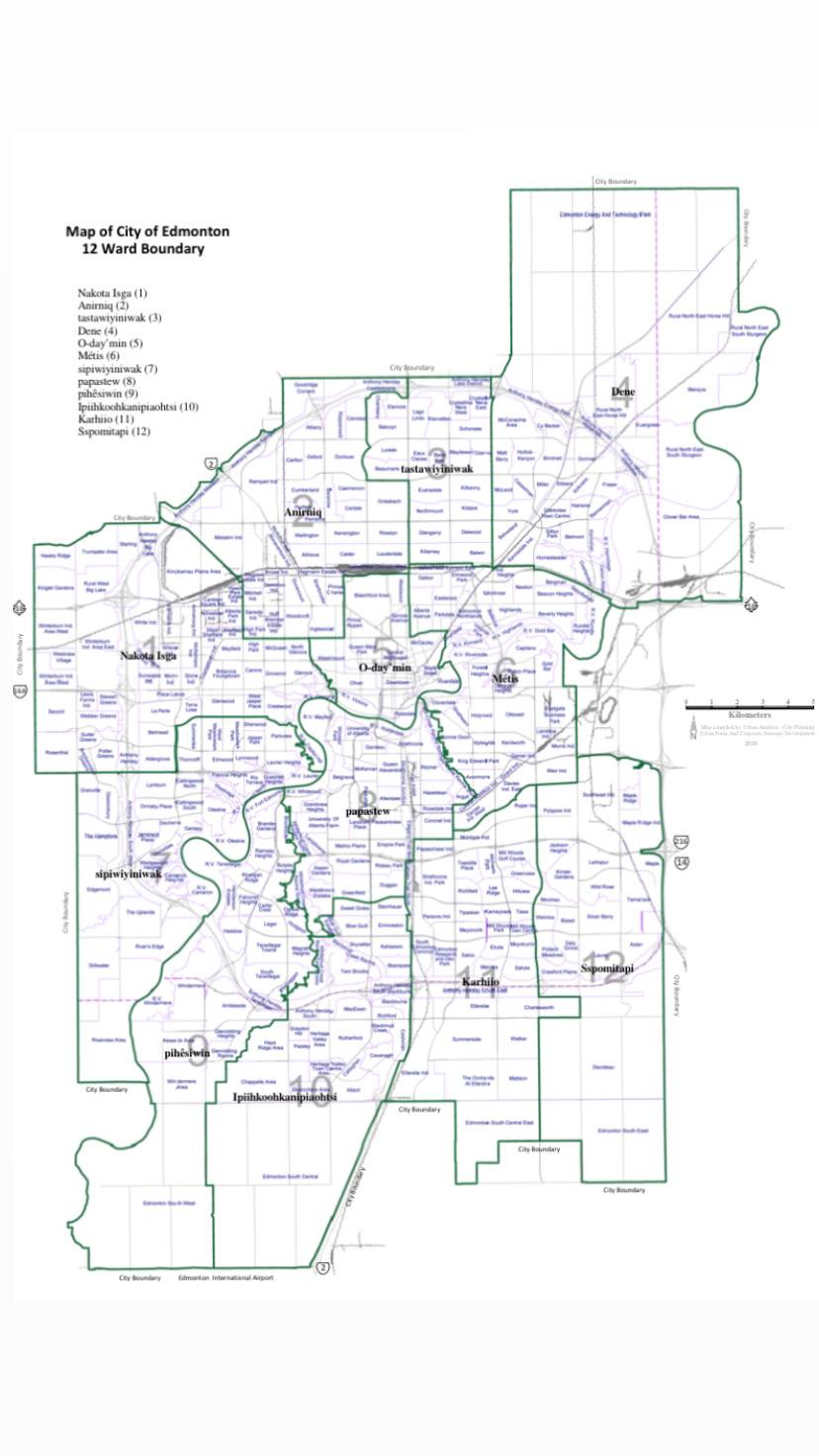
Edmonton City Council’s new Ward boundaries with new Indigenous names.
Dene: Youth, Child and Refugee Advocate Gerard Mutabazi Amani is running in this north east Edmonton ward.
Ipiihkoohkanipiaohtsi: Haruun J. Ali and Rhiannon Hoyle have launched their campaigns in this south Edmonton ward.
Ali is a political science student at the University of Victoria who, according to his website, volunteered on Edmonton-South NDP MLA Thomas Dang‘s re-election campaign in 2019.
Hoyle is the past president of the Alberta Party and the former president of the Heritage Point Community League, which includes the Rutherford and MacEwan neighbourhoods.
Glynnis Lieb announced her plans to run in this ward last month.
Townsend is the President of the Parkdale-Cromdale Community League and owner of The Briefing Room. He was the provincial Liberal Party candidate in Lesser Slave Lake in the 2012 election and in Edmonton-Whitemud in the 2015 election.
Kosowan is a high school Social Studies teacher and placed third in Ward 8 in the 2017 municipal election.
pihêsiwin: First-term councillor Tim Cartmell announced his plans to run for re-election in this newly redrawn ward. Cartmell made the announcement on his constituent email list.
sipiwiyiniwak: Giselle General announced on Facebook that she plans to run in this new south west ward. General is the Volunteer and Communications Coordinator with the Edmonton Community Legal Centre and the author of the FlipinaYEG blog.
Sspomitapi: Rashpal Sehmby is planning to run in this south east Edmonton ward. Sehmby is a postal worker and currently the Health & Safety officer for C.U.P.W. Edmonton Local 730.
I am once again tracking candidates who have announced their plans to run for Mayor, City Council and School Board in Edmonton. If I am missing anyone on the list, please send me an email at david.cournoyer@gmail.com or post a comment and let me know. Thanks!