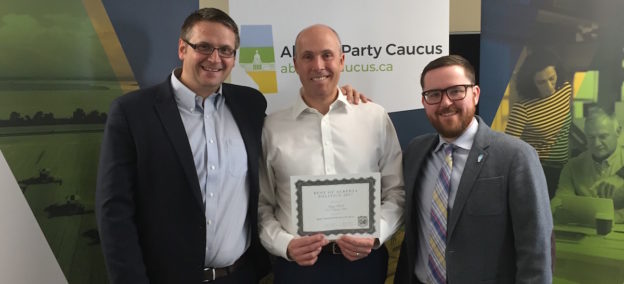
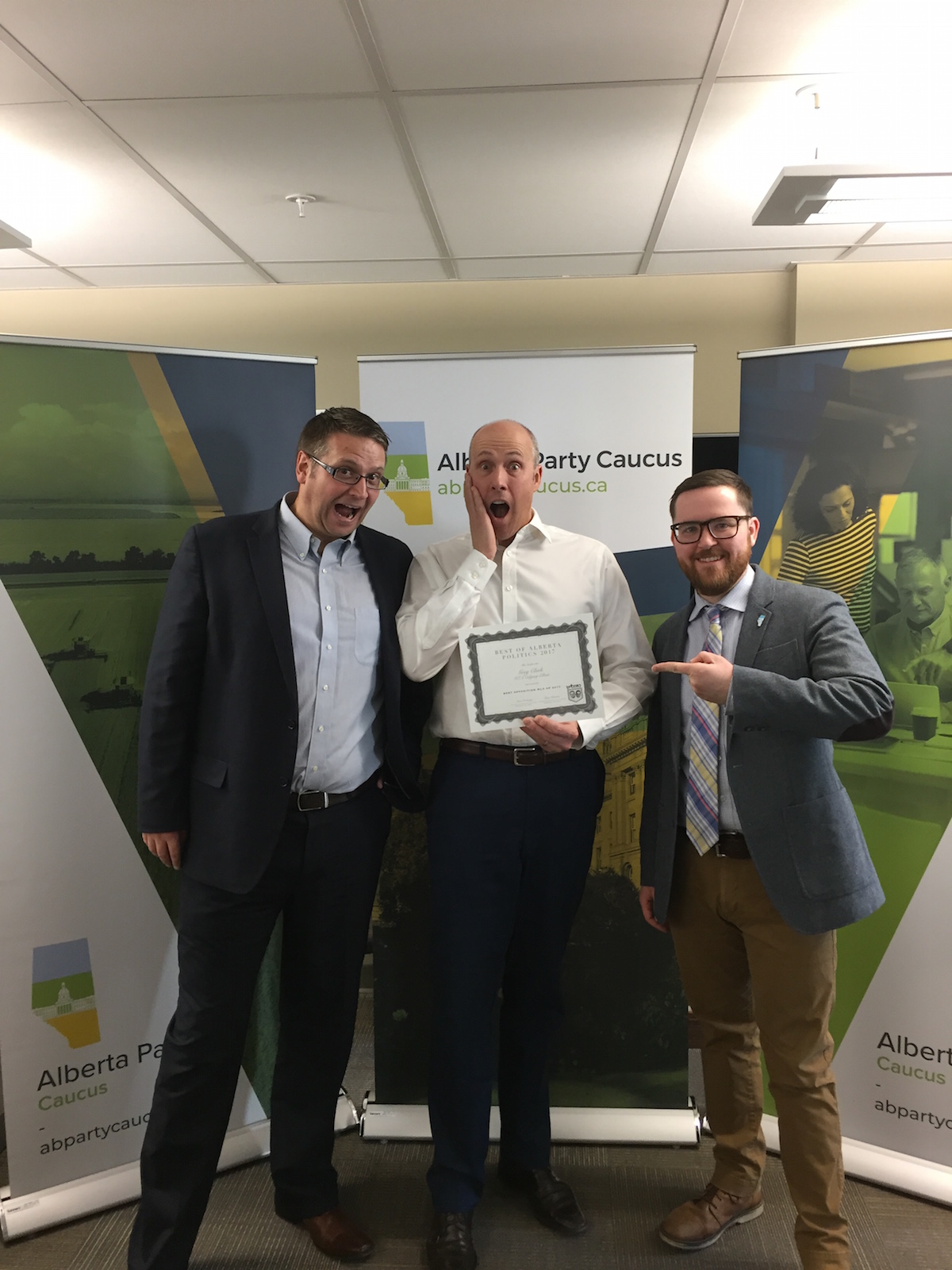
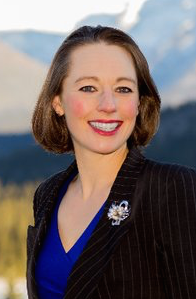
Clark was first elected as the MLA for Calgary-Elbow in the May 2015 election, becoming the first candidate to be elected under the Alberta Party banner. As party leader and a one-man caucus for most of the past three years, Clark was known for punching above his weight as an opposition critic and was sometimes referred to by political watchers as the leader of the unofficial opposition.
He currently serves as the House Leader for the now 3-MLA Alberta Party Caucus and sits on the Standing Committee on the Alberta Heritage Savings Trust Fund and the Standing Committee on Alberta’s Economic Future.
We would also like to recognize the runners-up in this category, Nathan Cooper, UCP MLA for Olds-Didsbury-Three Hills and David Swann, Liberal MLA for Calgary-Mountain View.
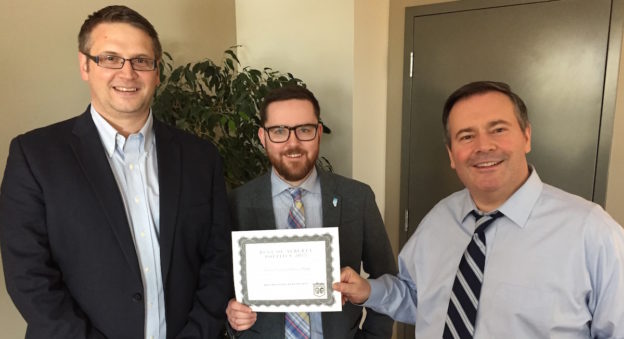
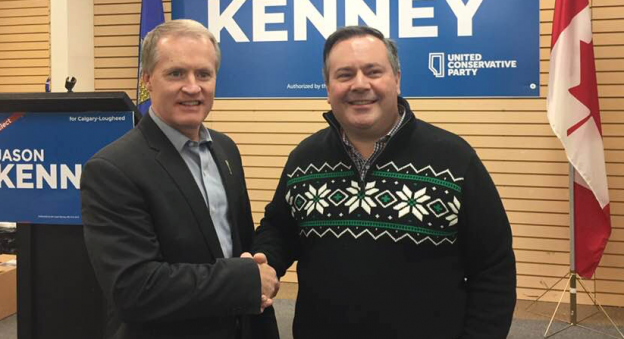
Photo: Ryan Hastman, Dave Cournoyer, and Jason Kenney.
Photo: Ryan Hastman, Dave Cournoyer, and Jason Kenney.
It was the clear winner in the first round of voting in the Best of Alberta Politics 2017 survey. With a solid 59 percent of votes, readers of this blog and listeners of The Daveberta Podcast chose the formation of the United Conservative Party as the biggest political play of 2017.
Dave Cournoyer and Ryan Hastman were pleased to present the Best Political Play of 2017 award to UCP leader Jason Kenney today at his office in the Federal Building near the Alberta Legislature.
Established in July 2017 as a merger between the Progressive Conservative Association of Alberta and the Wildrose Party, the UCP currently forms the Official Opposition in the Legislative Assembly of Alberta. Its formation dramatically changed the political landscape in Alberta and mended some of the tears in a conservative movement that had been deeply divided for more than a decade.
We would like to thank Mr. Kenney for taking some time out his day to sit down with us for an interview that will be included in the next episode of the Daveberta Podcast.
With Finance Minister Joe Ceci scheduled to table Alberta’s budget in the Legislative Assembly on Thursday, March 22, there was plenty of activity today by advocates wanting to see big changes in provincial education.
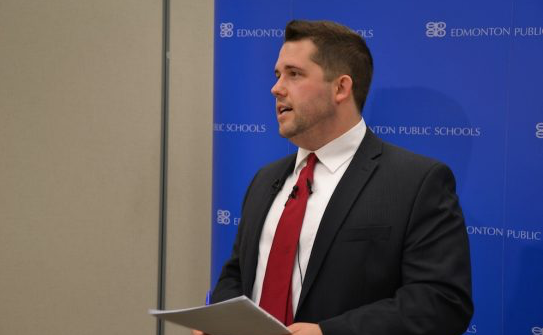
Public schools should be the priority, says Janz
Edmonton Public School Board Trustee Michael Janz is calling on the province to prioritize the construction of public schools in new communities. Janz will introduce a motion encourging the board seek a commitment from the provincial government that ‘the first school built in any community or neighbourhood be a public school or a shared public, separate, and/or francophone board facility.’
As of September 2017, around 100,000 students were enrolled in Edmonton’s public school system, a 3.4 percent increase from the previous year. According to Janz, the board’s draft projections indicate an increase of an additional 3,000 students in the 2018-2019 school year.
The board is currently debating its Three Year Capital Plan.
3 out of 4 taxpayers say no money for elite and exclusive private schools
Some school boards falling behind on protecting sexual minority students
Public Interest Alberta has released a new report on four school boards’ policies and procedures on sexual and gender minorities that points to the need for changes to protect students and their rights. “Policies should be clear, comprehensive and unequivocal in their support for LGBTQ students, staff and families. Students shouldn’t need a lawyer to make sense of their school policies, or to find out if they’re fully protected or not,” University of Alberta assistant professor Kristopher Wells told Metro Edmonton.
Photo: Edmonton Public School Trustee Michael Janz
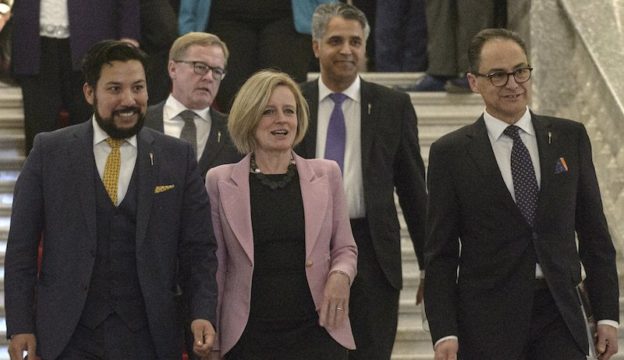
Photo: Culture Minister Ricardo Miranda, Education Minister David Eggen, Premier Rachel Notley, Community and Social Services Minister Irfan Sabir and Finance Minister Joe Ceci walk out of the Legislative chambers following the Speech from the Throne. (photography by Chris Schwarz/Government of Alberta)
Ryan leads this week’s ‘So you want to be a candidate‘ segment with useful tips for Albertans wanting to run in next year’s election. And we answer some of the questions you sent us.
Listen and subscribe on Apple Podcasts, Google Play, and wherever you find podcasts online. It would be a big help if you could leave a review where you download this podcast and share this episode with a friend.
We’d love to hear what you think of this episode, so feel free to leave a comment on this blog, Facebook or Twitter or send us an email at podcast@daveberta.ca..
And once again, we are eternally thankful to our producer, Adam Rozenhart, for his help in making this podcast a reality.
Thank you for listening!
Photo: Culture Minister Ricardo Miranda, Education Minister David Eggen, Premier Rachel Notley, Community and Social Services Minister Irfan Sabir and Finance Minister Joe Ceci walk out of the Legislative chambers following the Speech from the Throne. (photography by Chris Schwarz/Government of Alberta)
We are excited to announce that The Daveberta Podcast has joined the growing roster of great podcasts in the Alberta Podcast Network. Powered by ATB Financial, the Network includes more than 30 Alberta-based podcasts covering a wide-range of topics.
The Daveberta Podcast joins The Broadcast and the Highlevel Showdown in bolstering the Network’s contingent of politics podcasts.
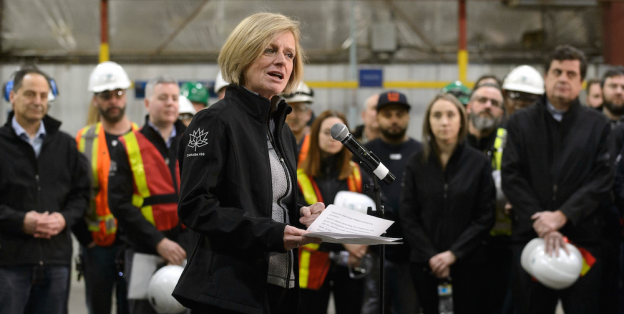
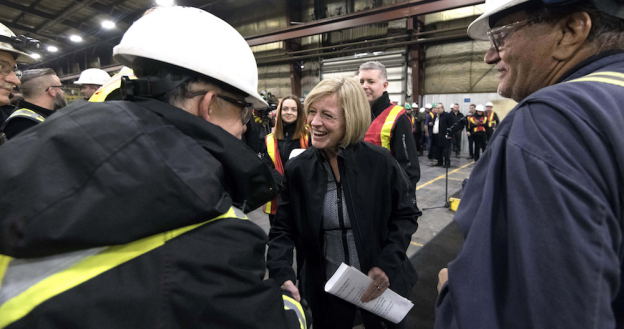
Premier Rachel Notley met with steel workers during a tour of the Tenaris Prudential welded pipe mill in Calgary on Feb. 8, 2018. (photography by Chris Schwarz/Government of Alberta)
With the next provincial election expected to be a little more than one year away, Alberta’s MLAs will return to the Legislative Assembly for the new session on Thursday.
This session will mark the first time that Premier Rachel Notley and Official Opposition leader Jason Kenney will publicly face each other in debate. Expectations are high. But while both leaders are talented debaters and skilled politicians, don’t expect high-minded debate. Thick partisan rhetoric and talking points will continue to dominate the discourse in this Legislative session.
And with one year left until the next election, much attention will be paid to the provincial budget.
With the province’s economic fortunes improving, expect pipeline-champion Notley to boast about her government’s decision to weather the recession without making the deep funding cuts to health care and education that the opposition conservatives have called for.
The decision not to impose deep budget cuts was smart, but the government still faces a significant revenue shortfall. A decades long over dependence on revenue from natural resource royalties to pay for the day to day operations of public services needs to be addressed to provide long-term financial stability for Alberta.
While it is unlikely that this issue will be addressed in this Legislative session, Albertans deserve an honest discussion about our low levels of taxation and the role taxes play in funding the public services Albertans depend on each day.
The final year before the writ is dropped is typically seen as a period where governments conduct house-keeping and tie up loose ends as they prepare to enter full re-election mode. Here is a look at some of the legislation that the NDP government is expected to introduce in this spring session of the Legislature:
The government will introduce supports for economic diversification initiatives including the renewal of existing tax credits and the creation of new tax incentives, including an Interactive Digital Media Tax Credit.
With the federal government planning to implement the legalization of marijuana this year, the Alberta government is also expected to introduce two bills creating a regulatory framework and rules around the creation of a tax structure for the cannabis industry.
Following the introduction of a private members’ bill related to Henson Trusts by Calgary-Currie MLA Brian Malkinson last year, the government is expected to introduce a bill related to discretionary and non-discretionary trusts as assets when determining individual eligibility for the AISH program.
Recognizing the role of Alberta grown food, the government is expected to proclaim an annual Local Food Week.
And after numerous recent natural disasters, the government is expected to introduce a bill expanding the authority of the enforcement of evacuation orders and creating a Municipal Emergency Management regulation to define the responsibilities of municipalities under the Act.
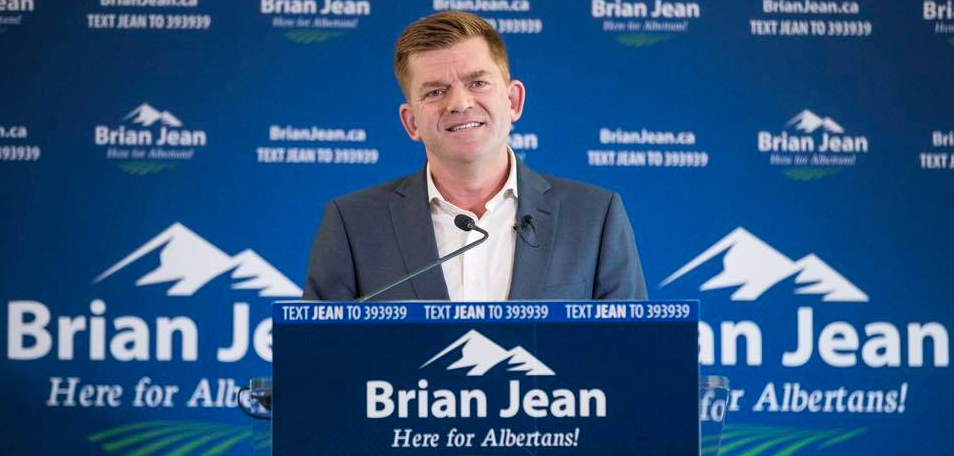
Jean’s departure is not a surprise. His lack of critic role in the United Conservative Party caucus after his defeat to Kenney in the party’s 2017 leadership race signalled that Jean was likely looking to depart the provincial scene.
A former Member of Parliament, Jean took over the thankless role of leader of the Wildrose Party as his party was teetering on the brink of the abyss following the mass floor crossing of most of the party’s MLAs in late 2014. To most people’s surprise, he led his party to win 21 seats in the 2015 election.
A by-election will be called in Fort McMurray-Conklin within the next six months.
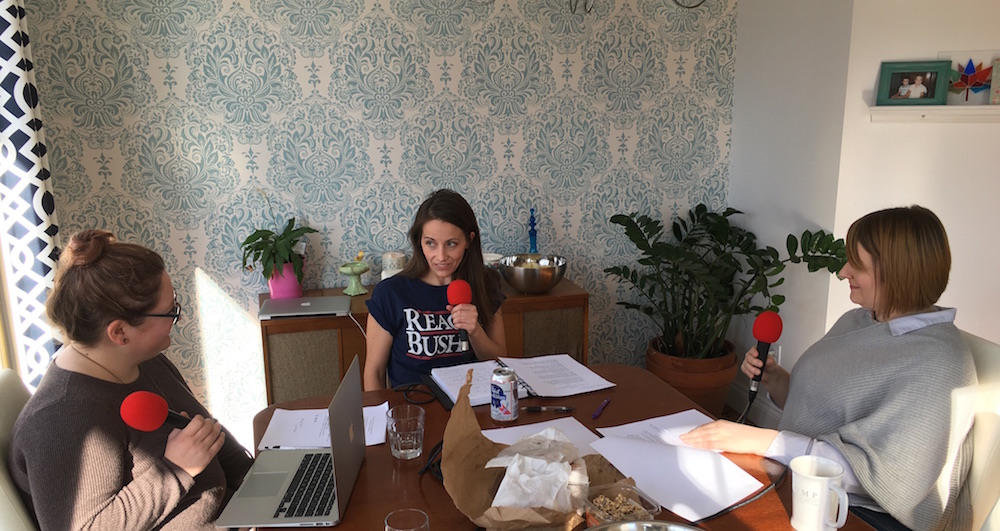
This week on the Daveberta Podcast, guest hosts Lianne Bell, Kyla Fisher and Janelle Morin discuss the #MeToo movement and how it has impacted them and the latest on Alberta’s political landscape, including Stephen Mandel’s win in the Alberta Party leadership race. They also answer some of the questions you submitted to us.
This week’s guest co-hosts.
And Lianne and Janelle lead the second entry of our new regular segment – So you want to be a candidate – where we try to share helpful tips and advice for aspiring politicians hoping to run in the 2019 election.
Listen and subscribe on Apple Podcasts, Google Play, and wherever you find podcasts online. We’d love to hear what you think of this episode, so feel free to leave a comment on this blog, Facebook or Twitter or send us an email at podcast@daveberta.ca.
Also, it would be a big help if you could leave a review where you download this podcast and share this episode with a friend.
And once again, we are deeply thankful to our producer, Adam Rozenhart, for his help in making this podcast a reality.
Photo: Liberal Party leader Kevin Taft speaks to a rally of supporters on the weekend before the 2008 election. Taft, in my opinion, was one of the best premiers Alberta never had.
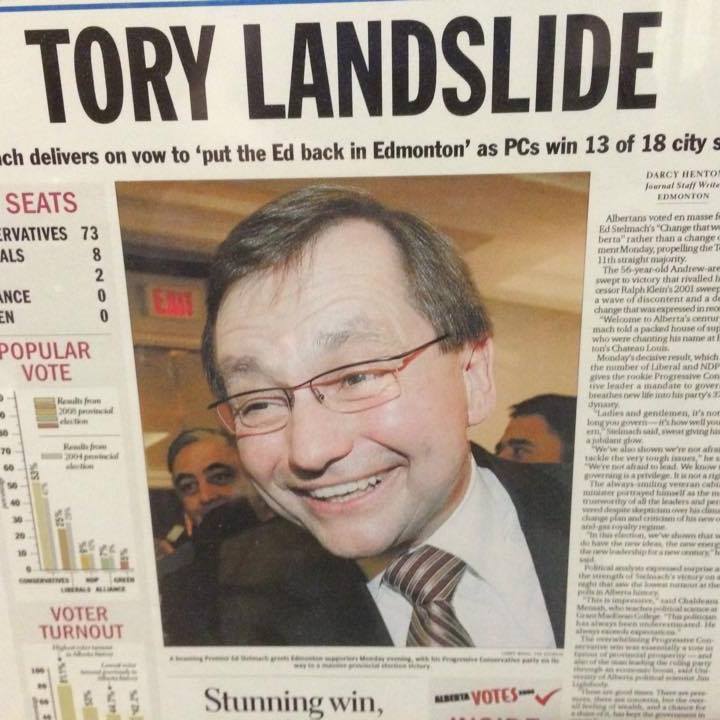
March 3, 2008 was an optimistic day to be a Liberal Party supporter, at least up until 8:22 p.m that night. The polls had only closed for 22 minutes when the news channels began declaring that the long in the tooth Progressive Conservatives would form another majority government in Alberta.
The front page of the Edmonton Journal on March 4, 2008 (Photo originally shared by Les Stelmach on Facebook).
It was a heartbreaking loss for those of us who were involved in the Alberta Liberal Party campaign that year.
I had been involved with the Liberal Party since the early 2000s and played a behind the scenes role in that year’s election campaign.
While I spent a considerable amount of time knocking on doors for candidates in Edmonton, I was also working with a group of MLAs, lawyers and former PC cabinet ministers on what would have been the plan to transition the Liberals into government if the party had won that election ten years ago today.
The whole project felt like a silly effort at 8:22 p.m. that night, but there were moments in the campaign where it did feel like Albertans were looking for a change.
After a divisive PC leadership race and a surprise win in the Calgary-Elbow by-election, it looked as if the Liberals led by Edmonton MLA Kevin Taft were about to build significant gains after their Calgary breakthrough in the 2004 election.
The Liberals did make gains in Calgary that night, electing five MLAs including rookies Kent Hehr and Darshan Kang, but the party suffered huge losses in its traditional base of Edmonton. Liberal MLAs were defeated in seats the party had held since the 1980s and 1990s and gains they had made in the city in the previous election were competely erased. When the dust settled, there were only 3 Liberal MLAs left in the capital city.
It was also bittersweet night for our opponents in the New Democratic Party campaign. Star candidate Rachel Notley was elected in Edmonton-Strathcona, retaining the seat held by former party leader Raj Pannu. But the party’s caucus was reduced to two after MLAs David Eggen and Ray Martin were swept away in the PC’s Edmonton wave.
It really felt like Edmonton that night.
The Progressive Conservative Party’s new leader, Ed Stelmach, had been underestimated by just about everybody inside and outside his party. Even as he led a party that had been in power for almost 40 years, his campaign tipped their hat to an energetic campaign south of the border by using the slogan “Change that works for Albertans.”
For those involved in the PC campaign, it was a remarkable landslide. And the last big landslide of the party’s more than four consecutive decades in office.
Stelmach ended up being a fairly decent premier, who I believe history will treat kindly, but landslide victories like these can be a doubled-edged sword. The large PC caucus of 72 MLAs, which included rookie MLAs Alison Redford and Raj Sherman, proved to be too unruly to manage. And the politics of a bitter conservative establishment festered as aspiring leadership contenders jockeyed for power. It was less than four years later that Stelmach resigned from the Premier’s Office.
The 2008 election was a real formative political period for me. Despite the disappointing and depressing outcome, I learned so much from my time working with the dedicated and passionate Albertans involved that campaign. It was a real honour.
To this day, I think Albertans were looking for change on March 3, 2008. It just took them another seven years to decide that the change they were looking for wouldn’t come from inside the PC Party.
But when talking about his decision to run in the new Taber-Warner district, rather than challenging his caucus colleague Dave Schneiderfor the UCP nomination in the new Cardston-Siksika district, he made another statement that caught my attention.
“…the NDP have put us in a bad position in this southern part here, in that when the boundaries were redrawn, they split Cardston-Taber-Warner into two different ridings.”
The Cardston-Taber-Warner district Hunter currently represents will see significant changes when the next election is called. While he may have legitimate concerns about the redistribution of the electoral boundaries in southern Alberta, it is misleading to blame the NDP for putting him “…in a bad position…”
The new district boundaries for the 2019 election were drawn by a commission composed of an independent chairperson (Justice Myra Bielby), two NDP Caucus appointees (Bruce McLeod of Acme and Jean Munn of Calgary) and two Wildrose Caucus appointees (Laurie Livingstone of Calgary and Gwen Day of Carstairs). The commission was appointed in October 2016 and held public hearings and received hundreds of submissions from Albertans throughout 2017.
Of the Wildrose appointees, Livingstone supported the final report recommending the new electoral map, including the changes to Hunter’s district, and Day submitted a minority report opposing changes to rural district boundaries.
The process used to redraw Alberta’s electoral boundaries certainly has its flaws (I will write more about this soon), but with Hunter’s own party’s handpicked appointees deeply involved in the process it is misleading for him to blame the party in power for changes he might not like.
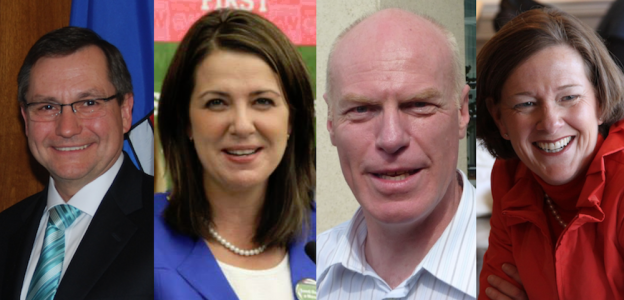
Ed Stelmach, Danielle Smith, Kevin Taft, and Alison Redford.
Photo: Ed Stelmach (elected leader of the PC Party in 2006), Danielle Smith (elected leader of the Wildrose Alliance in 2009), Kevin Taft (elected leader of the Liberal Party in 2004), and Alison Redford (elected leader of the PC Party leader in 2011).
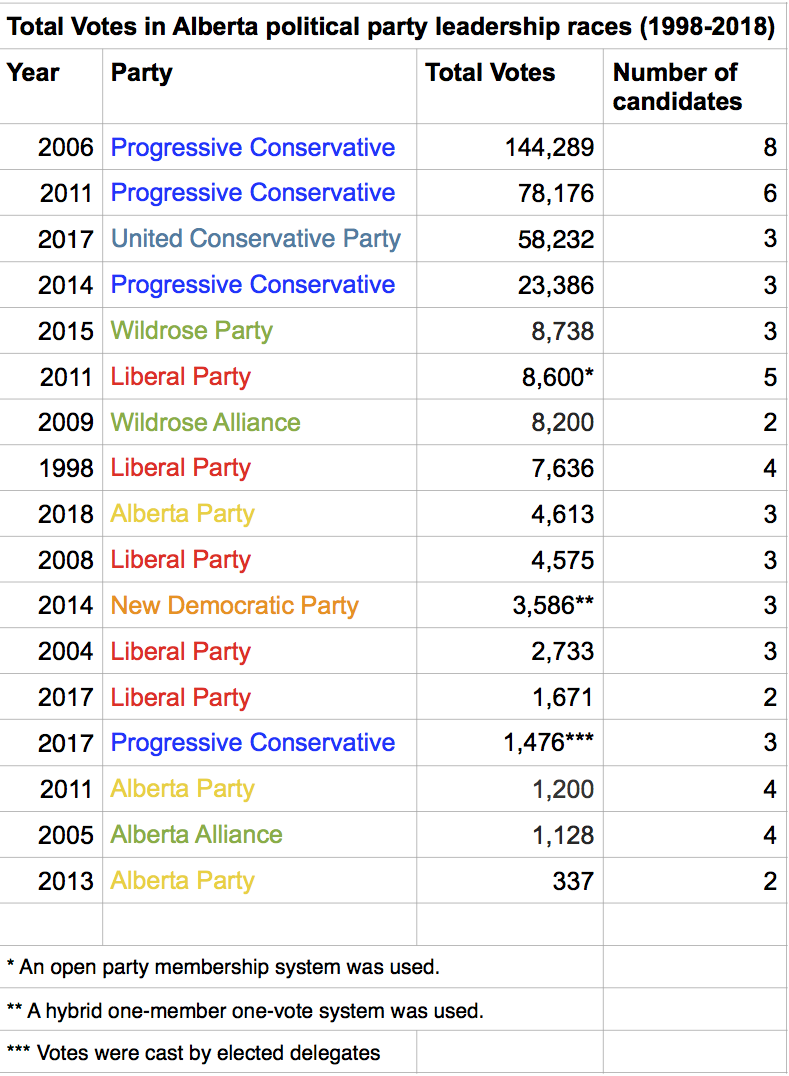
Following the announcement this week of the results of the Alberta Party leadership race, I thought it would be interesting to look at the voter participation in party leadership races in Alberta over the past twenty years.
The largest participation in a party leadership race in the past two decades, and in Alberta’s history, took place during the Progressive Conservative leadership race in 2006. More than 144,000 members voted in the race and it is believed that more than 200,000 memberships were sold. The party had a very open membership sales policy, which allowed any Albertan to purchase a membership at their local voting station on the day of the vote. This vote chose Ed Stelmach to replace Ralph Klein as PC Party leader and Premier of Alberta.
The 2011Liberal Party leadership vote, which selected Raj Sherman as party leader, used an open membership system. This allowed any Albertan to participate in the vote without having to actually purchase a party membership.
The 2014New Democratic Party leadership vote that selected Rachel Notley to replace Brian Mason used a hybrid one-member one-vote system which allocated 25 percent of the total vote to affiliate organizations. The lack of clarity around how many organizations took part in the vote and who they may have supported makes it unclear how many individual votes were actually cast in that leadership election.
The 2017United Conservative Party leadership vote was conducted by delegates who were elected by party members in each district. The party membership consisted of new UCP members, as well as individuals who had been members of the Wildrose Party and Progressive Conservative Party until that point.
Acclamations occurred in the 2000 and 2004 NDP leadership contests, the 2001 Liberal Party leadership contest, and the 2003 Alberta Alliance leadership contest.
1. Song of Batoche – Maia Caron
2. The Boat People – Sharon Bala
3. American War – Omar El Akkad
4. Forgiveness: A Gift from My Grandparents – Mark Sakamoto
5. A Wake for the Dreamland – Laurel Deedrick-Mayne *
6. The Sun and Her Flowers – Rupi Kaur
7. The Marrow Thieves – Cherie Dimaline
8. In a Wide Country – Robert Everett-Green *
9. This Wound is a World – Billy Ray Belcourt *
10. This is All A Lie – Thomas Trofimuk *
EDMONTON NON-FICTION BEST-SELLERS
1. Real Medicine Alternative Hockey – Dr. Guy Robert Blais *
2. 12 Rules for Life: An Antidote to Chaos – Jordan Peterson *
3. Fire & Fury – Michael Wolff
4. Joy on Demand – Chade-Meng Tan
5. Precious Cargo – Craig Davidson
6. Firestorm: How Wildfire Will Shape Our Future – Edward Struzik *
7. Welcome to Radio- Bob Layton *
8. Hillbilly Elegy – J.D. Vance
9. Elon Musk: Tesla, SpaceX, and the Quest for a Fantastic Future – Ashlee Vance
10. The Subtle Art of Not Giving a F*ck – Mark Manson
* Alberta Author + Alberta Publisher
Photo: Tom Olsen, Michaela Glasgo, Thana Boonlert, and Nathan Cooper
With just over one year left until the next provincial election is expected to be called, I am continuing to track potential candidates as they step up to run for party nominations. While some New Democratic Party MLAs have announced their intentions to seek re-election, most activity on the nomination front has come from prospective United Conservative Party nominees.
More candidates have stepped up to run for party nominations in other districts across the province:
Brooks-Medicine Hat – Michaela Glasgo is seeking the UCP nomination in this newly redrawn southeastern Alberta district. Glasgo is a Constituency Assistant for Cypress-Medicine Hat UCP MLA Drew Barnes and is a contributor to the Story of a Tory blog.
Calgary-Bow – Demetrios Nicolaides is seeking the UCP nomination. Nicolaides is an Associate with the Humphrey Group and is the former vice president of communications for the Progressive Conservative Party and the former president of the PC association in this district. According to his online bio, he holds a PhD in Political Science and Conflict Resolution from the University of Cyprus.
Calgary-Buffalo – Lobbyist Tom Olsen is seeking the UCP nomination in this downtown Calgary district. Olsen is a former Calgary Herald reporter and columnist, and a former Press Secretary for premier Ed Stelmach. He is also the lead singer of Tom Olsen and the Wreckage, who headlined the 2014 PC leadership vote results party.
Calgary-Foothills – Connor Staus is seeking this UCP nomination in this northwest Calgary district. Staus works as a Constituency Assistant for Calgary-Shepard Conservative Member of Parliament Tom Kmiec. This district is currently represented by UCP MLA Prasad Panda, who was elected as a Wildrose Party MLA in a 2015 by-election.
Calgary-Glenmore – Christopher Grabill is seeking the UCP nomination.
Edmonton-Riverview – Shawn McLeod is seeking the UCP nomination in this district which includes the University of Alberta.
Morinville-St. Albert – Former Sturgeon County mayor Don Rigney is seeking the UCP nomination. Rigney served as mayor from 2007 to 2013. He mounted an unsuccessful campaign for the Wildrose nomination in the Athabasca-Redwater district ahead of the 2012 election and was reported as being an applicant in a legal challenge launched in 2015 to prevent then-premier Jim Prentice from calling an early election.
Olds-Didsbury-Three Hills – Nathan Cooper is seeking the UCP nomination. Cooper has served as the MLA for this district since 2015 and was previously elected to Carstairs town council. He served as the interim leader of the UCP in 2017.
Rimbey-Rocky Mountain House-Sundre – Jason Nixon is seeking the UCP nomination. He has served as the MLA for his district since 2015 and served as the UCP leader in the Legislature in late 2017.
Sherwood Park – Wildrose and UCP caucus researcher Maureen Gough is seeking the UCP nomination in this suburban district east of Edmonton.
Spruce Grove-Stony Plain – Spruce Grove City Councillor Searle Turton is the third candidate to join the UCP nomination race in this district west of Edmonton.
If you know any candidates who have announced their intentions to stand for party nominations, please send me an email at david.cournoyer@gmail.com. I will add them to the list.
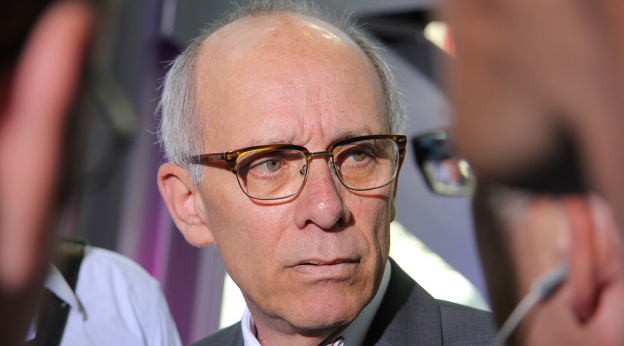
Mandel was elected on the first ballot with 66 percent of the vote, defeating Calgary lawyer Kara Levis, who placed second with 18 percent, and Calgary-South East MLA Rick Fraser, who placed third with 16 percent. 4,613 of the party’s 6,443 members participated in the vote.
Mandel served as mayor of Edmonton from 2004 to 2013 and as a city councillor from 2001 to 2004. He represented the Edmonton-Whitemud district as a Progressive Conservative MLA from 2014 to 2015 and was Minister of Health until his defeat in 2015 to New Democrat Dr. Bob Turner.
He has said he will run in the next election in the Edmonton-McClung district, currently represented by New Democratic Party MLA Lorne Dach.
The Alberta Party currently has three Calgary MLAs in the 87 MLA Legislative Assembly. It is widely rumoured that lone-PC MLA Richard Starke could cross the floor to join the Alberta Party caucus this spring. Starke was endorsed by Mandel in last year’s PC Party leadership race.
While the Alberta Party has framed itself as a “centrist” alternative to the two main political parties in the province – the NDP and the UCP – the party’s policies reveal it to be a conservative party in a similar vein as the old PC Party.
Alberta Advantage Party acclaims leader
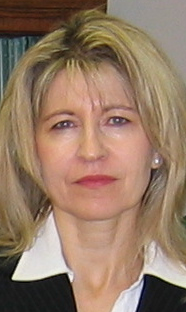
Marilyn Burns
Meanwhile, much further to the fringe populist right, Edmonton lawyer Marilyn Burns has been acclaimed as leader of the anti-UCP Alberta Advantage Party.
A co-founder of the Wildrose Party and vocal critic of the UCP, Burns was the only candidate in the race. She was a candidate for the leadership of the Alberta Alliance Party in 2005 and was a candidate for that party in Stony Plain in the 2004 election.
The party is in the process of registering but is not yet recognized as an official party by Elections Alberta.
Premier Rachel Notley met with steel workers during a tour of the Tenaris Prudential welded pipe mill in Calgary on Feb. 8, 2018. (photography by Chris Schwarz/Government of Alberta)
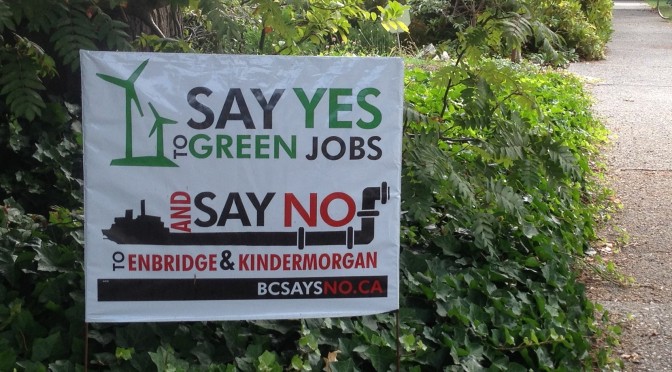
Did Alberta win the pipeline war against British Columbia? No, but the great BC wine boycott of 2018 appears to be over.
The pipeline issue has allowed Notley to drape herself in the Alberta flag while highlighting her government’s action on climate change, most notably the phase-out of dirty coal-fired power plants that were generating a significant amount of Alberta’s carbon emissions.
The Alberta-BC dispute was also the first time United Conservative Party leader Jason Kenney filled the role traditionally reserved for official opposition leaders in our province: Irrelevance. As Notley led the defence of Alberta’s oil industry, Kenney was left on the sidelines, jumping up and down and waving his hands, while pleading ‘pay attention to me!’
This has been a good issue for Notley. She has been able to solidify herself as a champion of an issue that has near unanimous support in Alberta. While it may not be her New Democratic Party‘s golden ticket to re-election in 2019, it certainly won’t hurt her chances (as slim as they might look).
While public support is divided, opposition to the pipeline in BC remains strong and opponents of the pipeline are planning to converge on Burnaby Mountain for a rally on March 10, 2018, the location of Kinder Morgan Inc.’s Burnaby Terminal.
It is still unclear how this will end, but at least we can enjoy an honest glass of BC wine on both sides of the provincial boundary again.
“Hosting the 2018 Cities and Climate Change Science conference gives us the opportunity to share knowledge with other municipalities, while learning, advancing ideas and forming partnerships that will help the world’s cities make progress on climate change,” Edmonton Mayor Don Iveson said in a statement when the conference was announced in 2017.
We’re back! After a brief hiatus because Ryan was down south helping Make America Great Again, we are back with a new episode of The Daveberta Podcast.
And Ryan leads our new regular segment – So you want to be a candidate – where we share some helpful tips and advice for aspiring politicians looking to run in the 2019 provincial election.
We’d love to hear what you think of the podcast, so feel free to leave a review where you download it and share the podcast with a friend. And feel free to leave a comment on this blog, Facebook or Twitter or send us an email at podcast@daveberta.ca.
We’d also like to send a huge thanks to our producer, Adam Rozenhart, for his help in making this podcast a reality.