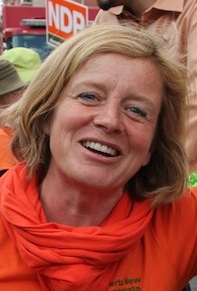
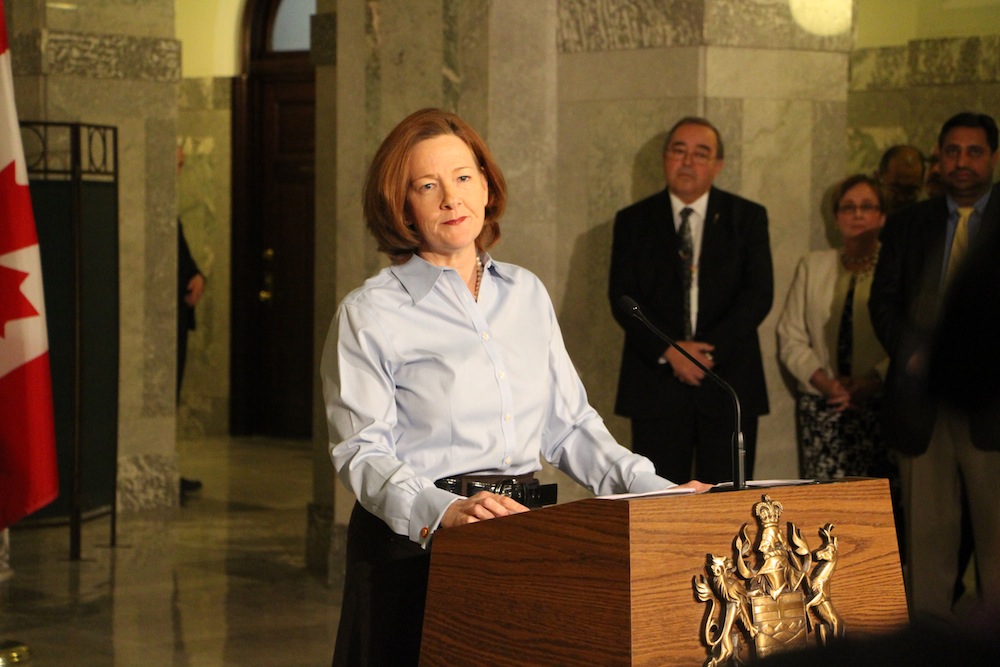
When Members of Alberta’s Legislative Assembly gather on June 11 to choose a new Speaker, the seating chart will be unlike anything Albertans have seen in this province’s 110 year history. Premier Rachel Notley‘s New Democrats will occupy the majority of the seats, the Wildrose Party will sit as Official Opposition, and for the first time in 44 years the Progressive Conservative MLAs will sit in the opposition benches.
The three other political parties that previously held government in Alberta faded into obscurity soon after losing power. With the exception of the Liberal Party, none of the other parties (the United Farmers of Alberta and the Social Credit Party) ever reemerged into Alberta politics a meaningful way (though the UFA transformed into a successful agricultural cooperative).
And with these historical precedents in mind, it will undoubtably be a tough transition for the remaining PC MLAs and their party, who have no institutional memory of how to operate in opposition.
The PC Party has actually appointed a transition team to help navigate the party into opposition. While other provincial conservative parties in Canada can rely on their federal counterpart for assistance, it has been long suspected that many in the Conservative Party of Canada favour the more conservative Wildrose Party over the PCs.
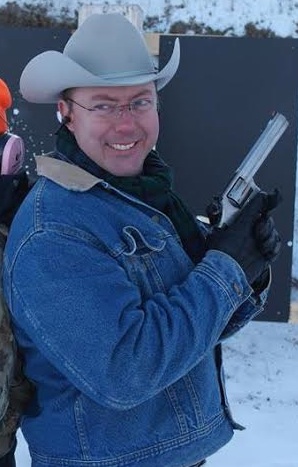
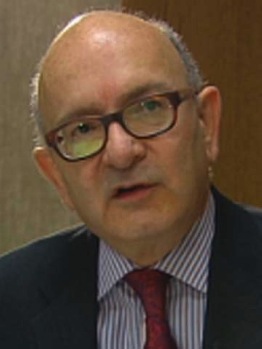
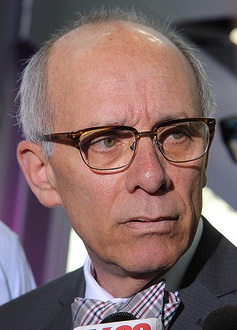
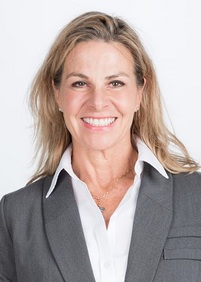
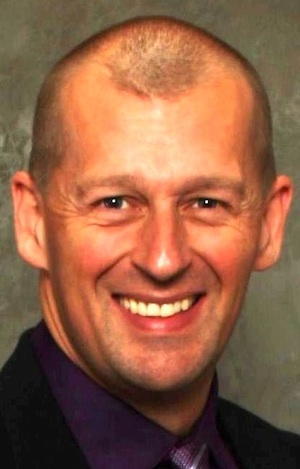
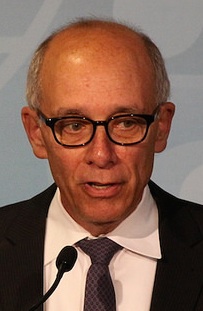
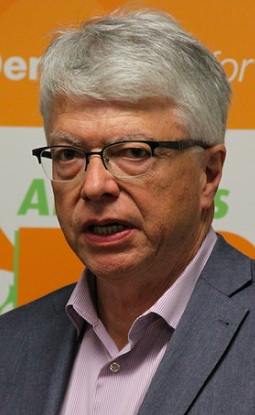
A big challenge facing PC MLAs in the upcoming session of the Legislature is to simply be relevant now that they are no longer in government. Interim leader Ric McIver announced his caucus critic roster today (see the list below) and it will be fascinating to watch how those MLAs perform in their new roles. It is still yet to be seen what the motley crew of nine MLAs that make up the PC Caucus have in common politically, other than wanting to have been elected into government, or if they can even work together as a team.
Who does and does not vie to become the party’s seventh leader in the past ten years will also be telling. Former cabinet ministers Mr. McIver and Manmeet Bhullar are frequently named as possible contenders, as is former deputy premier Thomas Lukaszuk, who was unseated by Nicole Goehring in the NDP sweep of Edmonton. What political direction these potential leaders would lead the new party is unknown.
Losing power after 44 years in office makes the PC Party a brokerage party with nothing left to broker. And while a future in opposition without the comfort of large corporate donations may look bleak, PC Party supporters now have an opportunity to redefine what their party stands for and rebuild its credibility after crippling election defeat. While the memory of PC scandals and arrogance are fresh in the minds of Albertans today, including distasteful comments recently made by a member of the PC Party board, there are four long years before the next election.
We can expect many of the usual suspects, including professional political meddler Preston Manning, to advocate a merger of two main conservative parties. Both PC and Wildrose MLAs should not forget the role Mr. Manning played in manufacturing the disastrous floor-crossing that critically damaged both conservative parties in Alberta before the recent election.
Because of its history and bitter political differences, future floor crossings are not a palatable option and a merger of the PC Party and Wildrose Party would probably not be a match made in heaven. If it is possible for the PC Party to survive outside of government, could it play a role in Alberta politics as an urban based conservative opposition?
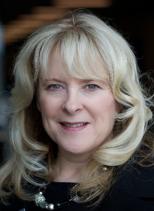
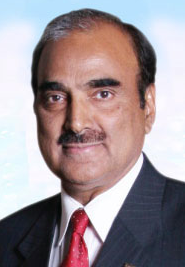
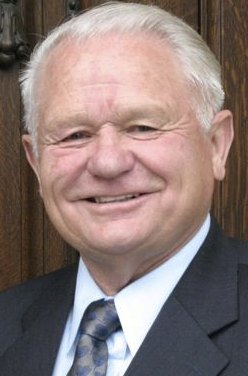
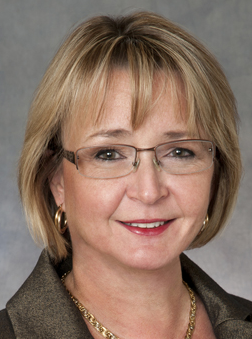
Here is the PC Opposition Caucus critic roster for the upcoming session of the Legislature:
| PC MLA | Critic Role |
| Ric McIver, MLA Calgary-Hays |
|
| Wayne Drysdale, MLA Grande Prairie-Wapiti |
|
| Richard Starke, MLA Vermilion-Lloydminster |
|
| Richard Gotfried, MLA Calgary-Fish Creek |
|
| Manmeet Bhullar, MLA Calgary-Greenway |
|
| Dave Rodney, MLA Calgary-Lougheed |
|
| Sandra Jansen, MLA Calgary-North West |
|
| Rick Fraser, MLA Calgary-South East |
|
| Mike Ellis, MLA Calgary-West |
|