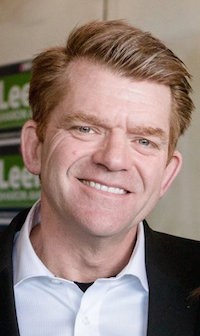
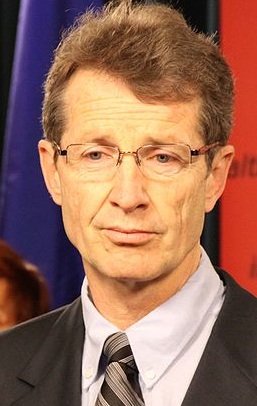
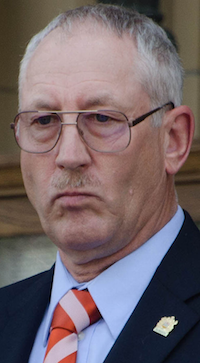
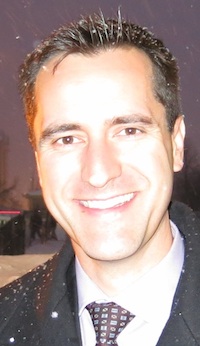
But according to the MLA committee membership list released on Dec. 13, 2016, Fildebrandt is no longer Chair of the Standing Committee on Public Accounts, a role he has filled since June 2015. The chair of the financial oversight committee is traditionally filled by an MLA from the Official Opposition. Fildebrandt has been replaced by Bonnyville-Cold Lake MLA Scott Cyr.
While relinquishing the chair role could be seen as a demotion caused by conflict with his party’s leadership, it likely means that Fildebrandt, a former director of the Canadian Taxpayers Federation and aggressive critic of the NDP, can now play a more active and vocal role on the committee.
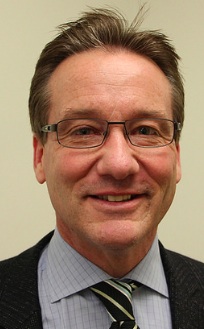
Drew Barnes
The Wildrose shuffle included new assignments for Cypress-Medicine Hat MLA Drew Barnes as Energy critic, Fort McMurray-Wood Buffalo MLA Tany Yao as Health critic, Chestermere-Rockyview MLA Leela Aheer as Education Critic, Airdrie MLA Angela Pitt as Justice & Solicitor General critic, Barrhead-Morinville-Westlock MLA Glenn van Dijken as Jobs & Labour critic, and Little Bow MLA Dave Schneider as Agriculture critic. The capable and quick on his feet Nathan Cooper remains House Leader. (See a full list here)
The Wildrose caucus also shuffled their MLA committee membership:
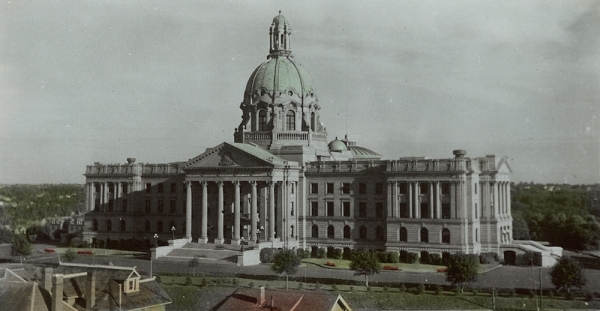
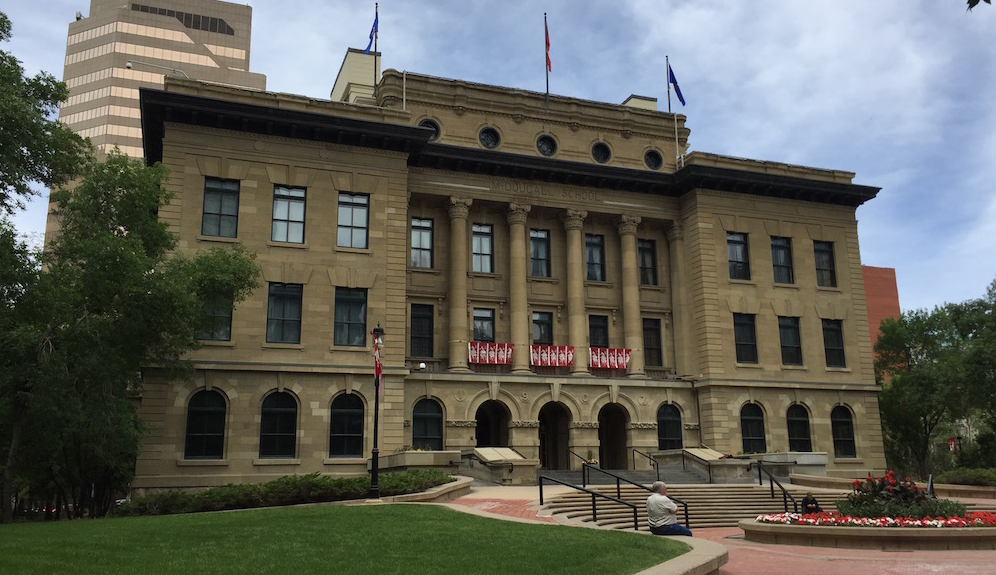
Alberta's Legislature Building (photo licensed by University of Alberta Libraries under the Attribution - Non-Commercial - Creative Commons license)
Gordon Miniely
Combing through Hansard, I frequently come across amusing, witty and interesting transcripts of debates that have occurred in the Alberta Legislature since the record keeping service began 45 years ago.
Over the weekend I came across an amusing exchange between two MLAs on May 16, 1972.
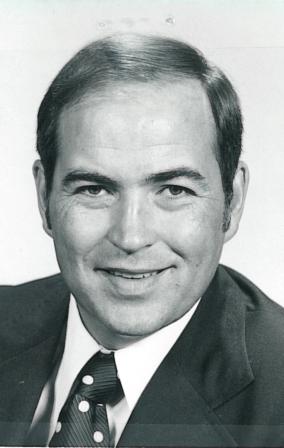
Gordon Miniely, the Progressive Conservative MLA for Edmonton-Centre, interrupted Charles Drain, the Social Credit MLA for Pincher Creek-Crowsnest, during the latter MLA’s lengthly contribution a debate over highway right of way, speed limits and and rules of the road.
May 16, 1972:
Charles Drain
MR. MINIELY: Mr. Chairman, just a short announcement. The members of the press gallery — as a matter of interest to all members — have undertaken to purchase poppy tea laced with hemlock for all members still in attendance at 1:00 a.m.
MR. DRAIN: Mr. Chairman, this is very encouraging and I am just hoping that they include marmalade. I am now impelled to make a 40-minute speech. With the encouragement that I have received from the hon. members of the press, I will just proceed with this. So brace yourselves.
Edmonton-South West MLA Thomas Dangannounced last week that he plans to introduce a private members’ bill into Alberta’s Legislative Assembly in the 2017 spring session that would abolish Daylight Saving Time. The biannual practice of turning the clock forward by one hour in the spring and back one hour in the fall has a long and controversial history in Alberta.
DST was introduced in Alberta after a 1971 province-wide plebiscite resulted in 386,846 votes (61.47%) in favour of adopting the change. This followed the first plebiscite, which took place in 1967 and resulted in a narrow defeat for the Daylight Saving Time change (248,680, or 51.25%, against the change).
While the time change is anecdotally unpopular, a CBC report suggested that lobbyists representing big-box stores, sporting and recreational goods manufacturers, barbecue and charcoal retailers, shopping malls and golf courses remain big supporters of Daylight Saving Time.
National Post columnist Colby Cosh chimed in today, taking a totally reasonable if it’s not broken why fix it? approach to the debate.
Since it was introduced in Alberta, there have been a handful of attempts by opposition critics and government backbenchers to abolish the practice or at least raise concerns about Daylight Saving Time.
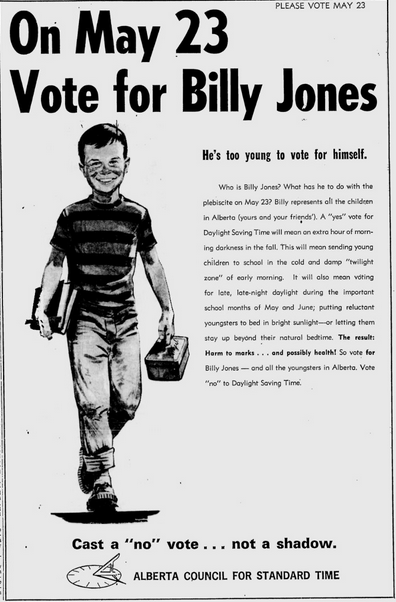
A newspaper advertisement opposing DST in 1967.
In 1978, Spirit River-Fairview MLA and New Democratic Party leader Grant Notley tabled a petition in the Assembly from 36 constituents “living in an area of the province that comes closest to having the midnight sun,” which called on the government to hold a referendum or plebiscite at the time of the next provincial election.
In 1983, Walt Buck, an Independent former Social Credit MLA representing the Clover Bar constituency, asked in Question Period whether the Progressive Conservative government “if any studies have been done as to the feasibility of leaving daylight saving time year-round?”
Premier Peter Lougheed was quick on his feet with a non-response to Buck, “I have to admit I haven’t had a question on that subject since possibly 1972, and I would be somewhat concerned to ask the Minister of Agriculture or the Minister of Economic Development. So the question is quite properly directed to me. I’ll have to take consideration and decide who will be the fortunate person to whom I delegate the answer.”
Lacombe PC MLA Ronald Moore introduced private members’ bill in 1991 and 1992 which proposed the adoption of daylight saving time year-round. Both bills were introduced into the Assembly but did not make it further than first reading and were not debated.
In March 2015, Fort Saskatchewan-Vegreville PC MLA Jacquie Fenske tabled a petition organized by Ruby Kassian calling for an end to Daylight Saving Time. More than year later, in December 2016, Vermilion-Lloydminster PC MLA Richard Starketabled a petition urging the government to introduce legislation to repeal the Daylight Saving Time Act and require the observance of Central Standard Time in Alberta.
Daylight Saving Time now longer than it was in 1972
The first Daylight Saving Time was observed in Alberta at 2:00 a.m. on the last Sunday in April in 1972.
In 2006, Justice Minister Ron Stevens introduced Bill 4: Daylight Saving Time Amendment Act, which moved the start of Daylight Saving Time to the second Sunday in March and ending the first Sunday in November. This was in response to the same change made by the United States Congress in 2005.
Alberta MLAs to watch in 2017: Shannon Phillips, Sarah Hoffman, Sandra Jansen, Derek Fildebrandt, Brian Jean, RIchard Starke, Thomas Dang, Christina Gray, Jessica Littlewood, and David Swann.
Despite its past reputation, Alberta politics has become extraordinarily unpredictable over the past decade. This makes forecasting the future a very tricky business for political pundits. As is tradition on this blog, each December I sit down by the open fire and pen a list of Alberta MLAs that I will be watching closely in the new year. Beyond the obvious choices, like Premier Rachel Notley or Finance Minister Joe Ceci, I try to look into the government and opposition benches to see who could make the news next year.
Here is my list of MLAs to watch in 2017:
Shannon Phillips (Lethbridge-West): The implementation of Alberta’s much lauded and much derided Climate Leadership Plan will be central to the government’s agenda in 2017. Navigating attacks against the incoming carbon tax, which led to the approval of two oil pipelines, will be critical to the success of the plan. Environment and Parks Minister Shannon Phillips will also have to navigate the politics of replacing Alberta’s dirty coal fired power plants with renewable electricity generation, which could include potentially controversial hydro electric dam projects in northern Alberta.
Sarah Hoffman (Edmonton-Glenora): Now as Alberta’s Deputy Premier, Sarah Hoffman continues to prove that she is one of the toughest MLAs in the government benches. She has managed to navigate her role as Health Minister, a large and challenging department, and continue to serve as Ms. Notley’s chief political lieutenant. As I noted in last year’s list, she is a contender for strongest member of cabinet, and I place her in the “future Premier material” category.
Sandra Jansen (Calgary-North West): The former Progressive Conservative cabinet minister who crossed the floor to join the NDP in November 2016 could find herself with a cabinet post in 2017. Speculation is rampant that Ms. Notley could shuffle the cabinet early next year. Appointing Ms. Jansen as Minister of Energy could help shore up NDP support in Calgary, especially with the recent approval of two oil pipelines. Or perhaps she could replace embattled Human Services Minister Irfan Sabir?
Derek Fildebrandt (Strathmore-Brooks): The outspoken attack dog of the Official Opposition is unleashed, as was demonstrated by his rant against “political correctness” at a recent event organized by Ezra Levant’s fringe advocacy group. Afterbeingmuzzled by Wildrose leader Brian Jean in early 2016, Mr. Fildebrandt is already feeling empowered in 2017 by the rise of Jason Kenney in Alberta’s Conservative movement. Like Mr. Kenney, he is a former Alberta Director for the Canadian Taxpayers Federation and a rigid conservative ideologue. Expect Mr. Fildebrandt to be one of Mr. Kenney’s chief lieutenants in his bid to merge the PC Party with the Wildrose Party in 2017.
Brian Jean (Fort McMurray-Conklin): What lies ahead for the leader of the Wildrose Party? After Mr. Kenney succeeds in his hostile takeover of the PC Party leadership in May 2017, Mr. Jean might be the only obstacle standing in the way of the two parties merging. He saved his party from the electoral abyss in 2015, but the well-meaning Fort McMurray politician will face significant pressure from his party and the federal Conservatives to step aside to let Mr. Kenney take over. It seems unlikely that his leadership will survive 2017.
Richard Starke(Vermilion-Lloydminster): If PC Party members want to preserve their party, rallying behind the MLA for Vermilion-Lloydminster might be their only, and last, chance. Standing in opposition to Mr. Kenney’s hostile takeover, Mr. Starke appears to understand that his party’s success over the past four decades was not based in rigid ideology but in the ability to build a big tent that invited conservatives, moderates and liberals to the table. If he cannot win, then 2017 will be the final year for the PC Party in Alberta.
Thomas Dang (Edmonton-South West): Alberta’s youngest MLA could become known as the Daylight Saving Time Slayer in 2017. He announced this week that he plans to introduce a private members’ bill in the spring session of Assembly that would abolish the unpopular annual time-shift.
Christina Gray (Edmonton-Mill Woods): Labour Minister Christina Gray is not the most high profile cabinet minister but she is charged with steering some of the NDP government’s important policy changes. This fall she introduced reforms to Alberta’s electoral finance laws, and next year she will face the government’s much-needed review of the Workers’ Compensation Board, expected changes to the Labour Relations Code and implementation of Occupational Health & Safety rules under the controversial Bill 6 farm safety law.
Jessica Littlewood (Fort Saskatchewan-Vegreville): She had a rough time while serving as chair of the Special Select Committee on Ethics and Accountability, but the trial by fire was more than most of her rookie MLA colleagues have experienced. Despite the committee fumble, Ms. Littlewood stands out as a well-spoken and articulate member of the NDP caucus. A junior cabinet position could be in her future.
David Swann (Calgary-Mountain View): The ernest and hardworking interim leader of the Liberal Party will step down from that role in June 2017. It is not clear who will succeed Dr. Swann, who is currently Alberta’s only Liberal MLA (he is serving his fourth-term as MLA for Calgary-Mountain View), which makes it difficult to predict what his role will be in a Liberal Party led by someone from outside the Legislature.
Compare this list of Alberta MLAs to watch to previous lists from 2016, 2015 and 2014.
Elimination of local arts news coverage in Edmonton means the Audreys Books weekly bestseller list has found itself without a home.
As a result, my colleague David Climenhaga at AlbertaPolitics.ca and I were delighted to offer Audreys Books and the Book Publishers Association of Alberta a home on our blogs for the weekly Edmonton Bestseller List, so that this important information will continue to be provided to Edmonton readers.
Here is the first instalment, compiled on December 14, showing the top 10 fiction and non-fiction titles sold in Edmonton the previous week.
EDMONTON FICTION BESTSELLERS
Almost a Full Moon (Children’s) – Hawksley Workman, Jensine Eckwall
Wenjack – Joseph Boyden
The Darkest Dark (Children’s) – Chris Hadfield, Kate Fillion, Eric Fan, Terry Fan
A Wake for the Dreamland – Laurel Deedrick-Mayne *
Do Not Say We Have Nothing – Madeleine Thien
A Still and Bitter Grave – Ann Marston *
The Tattooed Queen: #3 of The Tattooed Witch Trilogy – Susan MacGregor *
The Break – Katherena Vermette
Art Lessons – Katherine Koller *
The Spawning Grounds – Gail Anderson-Dargatz
EDMONTON NON-FICTION BESTSELLERS
Edmonton Cooks: Signature Recipes from the City’s Best Chefs –
Leanne Brown, * Tina Faiz *
Colouring It Forward: Discover Blackfoot Nation Art and Wisdom – Diana Frost *
Notley Nation: How Alberta’s Political Upheaval Swept the Country – Don Braid, * Sydney Sharpe *
Secret Path – Gord Downie, Jeff Lemire
The Valiant Nellie McClung: Selected Writings by Canada’s Most Famous Suffragist – Barbara Smith *
The McDavid Effect: Connor McDavid and the New Hope for Hockey – Marty Klinkenberg *
The Hidden Life of Trees: What They Feel, How They Communicate: Discoveries from a Secret World – Peter Wohlleben
Behind the Kitchen Stove – Ella Drobot *
Flapper Pie and a Blue Prairie Sky: A Modern Baker’s Guide to Old-
Fashioned Desserts – Karlynn Johnston *
Brian Topp has resigned as Chief of Staff to Premier Rachel Notley.
As the fall Legislative session ends and MLAs prepare to return home to their constituencies for the holiday season, Premier Rachel Notley announced big changes in the senior ranks of her political office.
John Heaney
Gone is Brian Topp, the veteran political operative who became Ms. Notley’s Chief of Staff after the NDP formed government in 2015. He is reportedly becoming a fellow with the Ottawa-based Public Policy Forum.
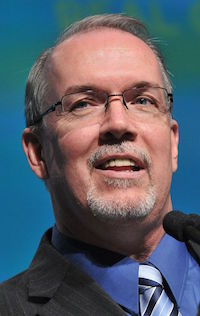
Mr. Topp is replaced by John Heaney, a former British Columbia NDP political operative who served as Chief of Staff to John Horgan until moving east to Alberta last year. He was filling the role as Alberta’s policy czar as Deputy Minister of the Policy Coordination Office.
The McDougall Centre in Calgary
Former federal NDP campaign manager Anne McGrath, who was hired as Ms. Notley’s Principal Secretary after the 2015 federal election, moves south to run the Premier’s Calgary office at the McDougall Centre.
Ms. McGrath, who lived in the city and studied at the University of Calgary, replaces former alderman and MLA Bob Hawkesworthas Executive Director. It is hard to interpret this move as anything but a demotion. But the addition of Calgary-North West MLA Sandra Jansen to the government caucus, placing a campaign manager in the role could signal that the NDP are beginning to realize the need to shore up support in Alberta’s largest city before the next election.
Anne McGrath
Back in Edmonton, Ms. McGrath will be replaced by ministerial chief of staff and former BC NDP advisor Jim Rutkowski, who rounds up the group of recently imported BC NDP operatives now filling the two most powerful political jobs in Alberta.
Alberta’s NDP government has pursued an aggressive policy and legislative agenda since defeating the 44-year old Progressive Conservative regime in May 2015. And while the economic recession caused by the decline in the international price of oil has created significant challenges, it has not slowed down the political agenda.
The recent approval of two oil pipelines suggests the NDP government flagship Climate Leadership Plan is already achieving political results for the province but the political battle over the carbon tax and phase of dirty coal fired power plants will continue into 2017.
It is too soon to tell what today’s staff changes will mean or how they will impact how the NDP government operates. The NDP focused on introducing policy and legislative changes during its first year in office, and now the government will need to shift political gears as it moves to implement its ambitious Alberta-changing policy goals.
PC leader Ric McIver, Wildrose MLA Nathan Cooper, Alberta Party leader Greg Clark, Liberal leader David Swann and Wildrose leader Brian Jean.
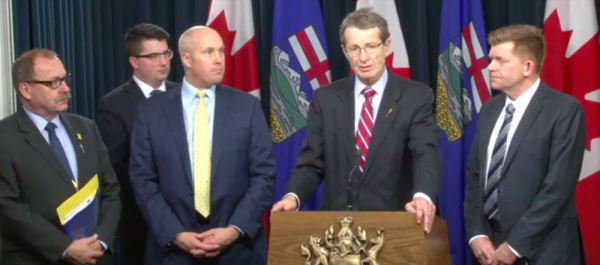
While it has become common to watch the leaders of Alberta’s one Liberal and three Conservative opposition parties vote together against the New Democratic Party government in the Legislative Assembly, it is not everyday that those leaders hold a joint press conference. That happened yesterday as the four leaders pledged unity in boycotting a proposed all-party MLA panel tasked to study the childrens’ services system.
The opposition parties have raised concerns about the panel’s terms of reference, duplication of unimplemented recommendations made by previous reports, and the role played by embattled Human Services Minister Irfan Sabir.
Wildrose leader Brian Jean: “We have seen panels and reports gather dust for years. This is a real opportunity to provide important changes for our children in care system, but we need to get this right. The opposition parties in Alberta are unified in making real change in our system, and we trust the NDP will accept our conditions.”
Progressive Conservative interim leader Ric McIver: “Each and every member of the Legislative Assembly is responsible for ensuring that the children in our care are protected. We cannot in good conscience go home and spend Christmas with our families without knowing that an open and transparent process has been established to address Alberta’s deeply flawed child intervention system. We urge the NDP to accept these conditions and move this process forward.”
Alberta Party leader Greg Clark: “The time for studies has passed, it’s time for action. Albertans want to know that real changes are being made to ensure all children in government care are safe. This panel should focus on ensuring the Serenitys in the system today are protected now and in the future. This issue transcends partisanship, and I ask the Minister to accept these good-faith changes.”
Liberal Party leader David Swann: “The parents, families and loved ones of children who’ve died in our care are not interested in yet another government document on how government has failed them – they want to know why nothing has been done about it. The opposition parties are united in our belief that this panel must be about implementing the solutions recommended in past reports.”
I do not have much to add to this debate that has not already been said about the sobering and heartbreaking stories of deaths of children in the care of government and government agencies. While the current NDP government is not to blame for the systematic problems that have existed in Alberta’s child welfare system for decades, they will be judged by how they now act to improve the system.
As I wrote back in 2013, as Albertans, we have a responsibility to protect our most vulnerable citizens, particularly those in care and especially children.
The Senate Chamber in Canada's Parliament Buildings in Ottawa.
The Senatorial Selection Act, the law that governs Alberta’s unique Senate nominee elections, expires on Dec. 31, 2016. With the current session of the Legislature expected to end at the end of this week, it is unlikely the law will be renewed.
The longstanding policy of the Alberta New Democratic Party which supports the abolition of the Canadian Senate likely means the Act will be allowed to expire, into the dust of legislative history.
Alberta has held Senate Nominee elections in 1989, 1998, 2004 and 2012. Only the Progressive Conservative, Wildrose and Evergreen parties nominated candidates in the April 2012 contest, which was marred by low turnout and a high-percentage of spoiled ballots. Three PC candidates were “elected” in 2012 and two – Doug Black and Scott Tannas – were appointed to the Senate in 2013.
Looking for that special gift for the political junkie in your family? Or maybe you’re searching for a good book to read by an open fire on a cold winter night? If so, here are a few Alberta politics books that might look good under your Christmas tree this year:
An enjoyable mix of politics and intrigue make this fictional murder mystery a must-read for political watchers in Alberta. “Lisac’s backdrop may be the political scene, but his story is in the heart of his main characters, their flaws and aspirations. He is an elegant and efficient writer and sets lovely scenes and characters, creating a murder mystery with twists and engaging characters,” wrote Samantha Power in Vue Weekly.
Calgary author Sydney Sharpe and Postmedia columnist Don Braid look at how decades of one-party rule, right-wing discontent and a growing progressive streak in Alberta led to the election of Rachel Notley’s NDP in our province’s historic 2015 election.
This book was launched today, so I have not yet had a chance to read it. Here is the description from U of A Press:
Bill 6, the government of Alberta’s contentious farm workers’ safety legislation, sparked public debate as no other legislation has done in recent years. The Enhanced Protection for Farm and Ranch Workers Act provides a right to work safely and a compensation system for those killed or injured at work, similar to other provinces.
In nine essays, contributors to Farm Workers in Western Canada place this legislation in context. They look at the origins, work conditions, and precarious lives of farm workers in terms of larger historical forces such as colonialism, land rights, and racism. They also examine how the rights and privileges of farm workers, including seasonal and temporary foreign workers, conflict with those of their employers, and reveal the barriers many face by being excluded from most statutory employment laws, sometimes in violation of the Canadian Charter of Rights and Freedoms.
Written by his former executive assistant, this biography provides a look into the compelling life story of Grant Notley, the father of Alberta Premier Rachel Notley, who led the NDP from 1968 until his death in 1984. His passion for our province and social democratic politics is a refreshing reminder of a level of respect that used to exist among political opponents and adversaries in our province.
Thin Power is the unauthorized biography of former mayor of Calgary, Rod Sykes, featuring the achievements and bitter controversies of his eight-year term ending in 1977. David Climenhaga wrote a review of the book over at AlbertaPolitics.ca.
The Tar Sands: Syncrude and the Politics of Oil
Larry Pratt
Hurtig Press
Hard to find but worth the read, this 1976 book provides a thorough background background to the politics and economics that led to the creation of the Syncrude project and development of the Athabasca oil sands. A review by ActiveHistory.ca describes the book as an essential text on the history of Alberta’s tar sands. Used copies can be found on amazon.com.
A compendium of John Dickerson’s favourite moments from US Presidential election history. The host of Face the Nation on CBS News and columnist for Slate Magazine does an excellent job translating stories from his popular Whistlestop podcast into this fun to read political history book.
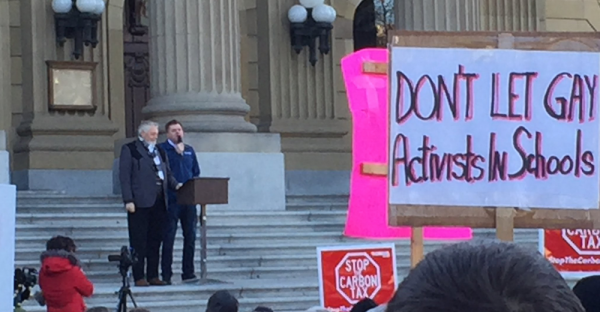
The rally featured Neal Bernard “The Roughneck” Hancock removing his shoes and throwing them at the doors of the Legislature, former federal cabinet minister Chris Alexander appearing to nod as protesters chanted “lock her up” in reference to Premier Rachel Notley, and climate change denying, anti-gay and anti-immigration messages on signs and pamphlets.
Also present was Edmonton-Griesbach Conservative MP Kerry Diotte, who later posted a message on Facebook attacking the media for alleged biased coverage of the rally.
While the crowd certainly included Albertans who are frustrated and angry at the economy and the government, the bizarre program and assortment of weird fringe groups distracted from any anti-carbon tax message they hoped to send.
“We don’t lock people up in Canada for bad policy, we vote them out,” Ms. Ambrose said. “I don’t know what to say — it’s people acting like idiots.”
Unless the Wildrose Party’s election strategy is to remind Albertans about the Lake of Fire, Mr. Jean and his Wildrose MLAs should probably avoid any public association with this crowd in the future.
On pipelines and climate change, Alberta’s New Democratic Party appears to be more in sync with the federal Liberals than with their NDP cousins in Ottawa and Victoria.
Ms. Notley was in Ottawa last week as Prime Minister Justin Trudeau announced the approval of the Trans Mountain pipeline. At the press conference, Mr. Trudeau heaped praise on Alberta’s flagship climate change policy, which includes a price on carbon.
Christy Clark
Premier Christy Clark, leader of the conservative BC Liberals, is now touting Ms. Notley’s pipeline boosterism.
“I would certainly say that Rachel Notley is very different from the leader of the NDP in B.C.,” Ms. Clark told the Vancouver Sun. “They are deeply split on the issue of Kinder Morgan and whether or not it should go ahead.”
The NDP-schism over pipelines could further complicate the inner-politics of the party.
Senior political staffers at the Alberta Legislature, including Brian Topp, the premier’s Chief of Staff, John Heaney, Deputy Minister of the Policy Coordination Office, and ministerial chiefs of staff Jim Rutkowski and Steve Stringfellowhave strong ties to the BC NDP. Mr. Topp was the BC NDP campaign manager in 2013 and Mr. Heaney served as Mr. Horgan’s Chief of Staff until he joined Ms. Notley’s office in 2015.
Brian Topp
It is well-known that the NDP operates a national network of political organizers who travel the country to work on election campaigns. This was an asset during Alberta’s 2015 election when experienced NDP campaigners from across Canada descended on our province. Some of those organizers now occupy political jobs in the Alberta government, which is now the only NDP government in Canada.
A few Alberta NDP staffers, including at least one current cabinet minister, traveled to BC to work for the NDP in the last election campaign.
John Horgan
But now that Mr. Horgan opposes the pipeline that Ms. Notley has staked her political future on, will the Alberta NDP lend their political staff to the BC NDP during next year’s election?
They shouldn’t.
The attack ads write themselves.
“The NDP promises pipelines in Alberta but campaigns against them in BC. Whose side are they on?” an ad from Jason Kenney‘s Wildrose-PC Party might ask.
There are many New Democrats and progressive Albertans who would like to see Mr. Horgan’s NDP win the next election for reasons that go beyond pipelines (when I met Mr. Horgan in Victoria last year I found him to be quite engaging and likeable). But it would be foolish for the Alberta NDP government to allow its political staffers to campaign to elect a BC NDP government that will oppose Ms. Notley’s pipeline agenda and undermine all the work she is doing in BC this week.
Obviously Ms. Notley cannot stop individuals from campaigning on their own time, but if political staffers from Alberta are going to work against the pipelines in BC, they should not expect to have political jobs waiting for them back in Edmonton.
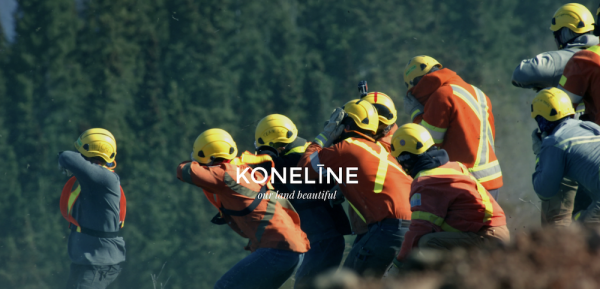
KONELĪNE: our land beautiful, a new documentary film about resource development in the far north of British Columbia, is screening at the Globe Cinema in downtown Calgary this weekend. Featuring amazing cinematography, the film focuses on the natural beauty and complex future facing the wilderness and the people of northern BC as resource development expands in the remote region.
“An art film with politics, drama, and humour, KONELĪNE: our land beautiful explores different ways of seeing—and being. A guide outfitter swims her horses across the vast Stikine River. The world’s biggest chopper flies 16,000-pound transmission towers over mountaintops. KONELĪNE‘s characters delight while smashing stereotypes: white hunters carry bows and arrows; members of the Tahltan First Nation hunt out of a pickup with high-powered rifles. There are diamond drillers—both Native and white—and elders who blockade them. There’s a Tahltan son struggling to preserve a dying language, and a white guy who sings “North to Alaska ” to his stuffed moose.”
Documentary filmmaker Nettie Wild spoke about Koneline in an interview on CBC Radio’s The Current.
Chemical Engineer Omar Masood is the first candidate nominated to run in Alberta’s next provincial election, which is expected to be held in early 2019. Members of the Alberta Party association in the Calgary-Buffalo constituency acclaimed Mr. Masood as their candidate at a meeting on November 29, 2016.
He recorded a video endorsement of former Calgary-Buffalo Liberal MLA Kent Hehr during his federal election bid in 2015, in which Mr. Hehr was ultimately elected.
Calgary-Buffalo is represented by NDP MLA Kathleen Ganley, who serves as Minister of Justice and Solicitor General. Before the NDP sweep in the 2015 election, voters in this downtown constituency had a track record of electing Liberal MLAs (Mr. Hehr from 2008 to 2015, Gary Dickson from 1992 to 2000, and Sheldon Chumir from 1986 to 1992).
The Alberta Party did not run a candidate in this constituency in 2015.
Alberta Party-PC Party merger?
After years of wrangling over a merger with the Liberal Party, some Alberta Party members are reportedly now pondering a merger with the Progressive Conservatives. This merger feels unlikely, considering the conservative forces pushing for the PCs to merge with the Wildrose Party. But it does raise to the question of where moderate conservative voters and political activists will find a new home if Alberta’s Conservative parties shift further to the political right.
During the 2015 election, a local Alberta Party association formally endorsed and did not run a candidate against Liberal Party candidate Laurie Blakeman in Edmonton-Centre.
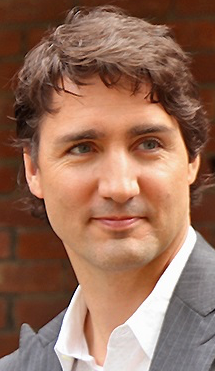
Prime Minister Justin Trudeau announced today the fate of three pipelines that have dominated political debate in Alberta over the past six years. Yes to Kinder Morgan Trans-Mountain Pipeline. No to the controversial Enbridge Northern Gateway Pipeline. Yes to the Enbridge Line 3 Pipeline replacement. Plus, a ban of tanker traffic along British Columbia’s North Coast.
Justin Trudeau
Mr. Trudeau heaped praise on Premier Rachel Notley for Alberta’s flagship climate change policy, which includes a price on carbon, the elimination coal-fired power plants, a cap on carbon emissions, and significant investments in renewables, as a central reason for the pipeline approval.
“Alberta’s Climate Plan is a vital contributor to our national strategy,” Mr. Trudeau said. “This would not be possible without the leadership of the Notley government,” he said.
Mr. Trudeau basically said everything but “Hey Alberta, Rachel Notley is the reason you got a pipeline.”
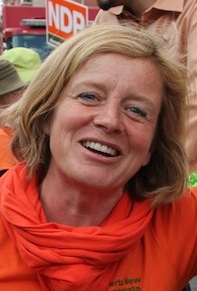
“It has been a long, dark night for the people of Alberta… Today we are finally seeing some morning light,” Ms. Notley said in a statement released from Ottawa this afternoon. That morning light could help drive up the Alberta NDP’s support in the polls, which has dwindled over their first 18 months in office.
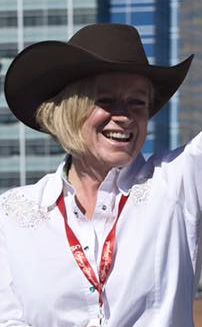
Rachel Notley
The pipeline approval is a big political win for Ms. Notley’s government as it deals with an economic downturn caused by the low international price of oil. Her conservative critics have attacked her for not being a more vocal cheerleader for pipelines, but it appears a strategy of quiet climate change diplomacy with Ottawa may have been more effective.
It is odd that after years of hearing pro-pipeline rhetoric from Conservative political leaders about the need for more privately-owned and operated pipelines, it was an NDP Premier and a Liberal Prime Minister who secured their approval.
Interim federal Conservative leader Rona Ambrose criticized the government for not approving Northern Gateway, saying it cost the creation of 4,000 jobs, and claimed that Mr. Trudeau does not have enough political capital to make the Trans-Mountain project a reality.
While the pipeline has been approved on paper, it has not been built yet. The Kinder Morgan website projected a September 2017 start of construction.
Support for pipelines is high in Alberta, but not so much in British Columbia, where there will be fierce opposition to Kinder Morgan Trans-Mountain Pipeline expansion.
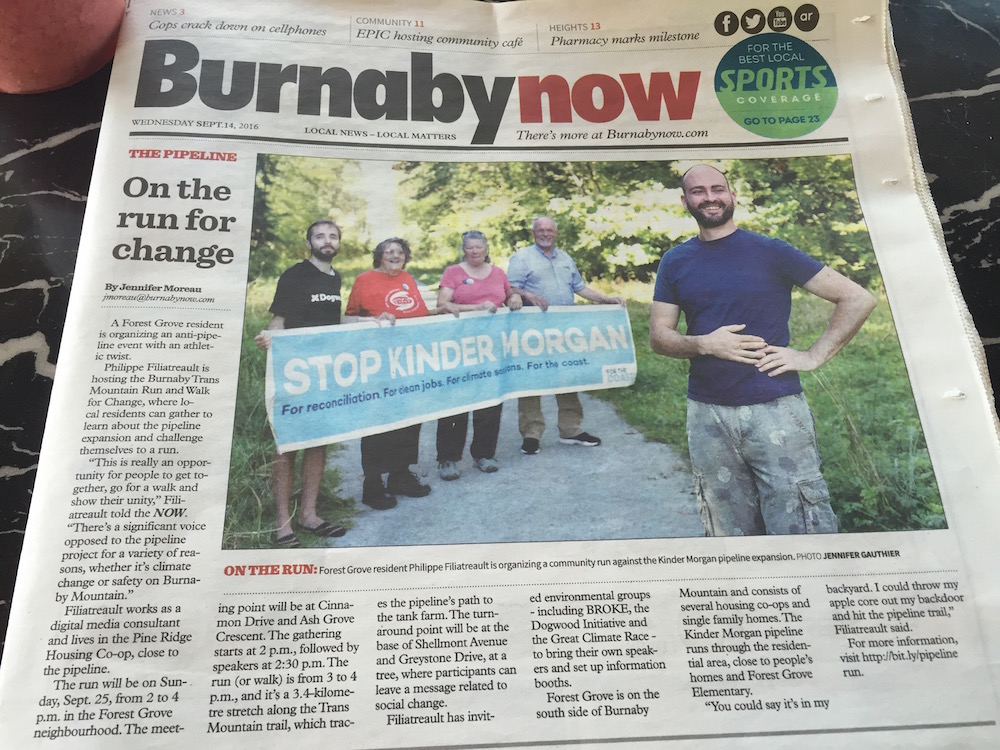
While visiting B.C. last September, I picked up a copy of Burnaby Now, a major newspaper in the City of Burnaby. Reported on the front page was a story about a charity-run style event against the expansion of the Kinder Morgan pipeline. In the same newspaper, an editorial cartoon lambasted BC NDP leader John Horgan for his then-indecisive position on the Kinder Morgan pipeline (he is now against it).
As an Albertan, I was unaccustomed to seeing positive mainstream media coverage of a pipeline protest. Editorial views in Alberta’s mostly-Postmedia owned newspapers are typically boiled down to ‘NDP bad, pipelines good.’
But the view in Burnaby was different, literally.
Unlike Alberta, where oil and gas is a large employer and many large oil projects are hidden from public view in the far north, the Kinder Morgan pipeline staging area is clearly visible on the side of Burnaby Mountain near Simon Fraser University. It is a powerful symbol.
If you believe that carbon emissions are a key cause of climate change, it makes sense that you would oppose the expansion of a permanent piece of infrastructure to transport oil. But stopping the Trans Mountain pipeline will not stop the development of Canada’s oil industry. Oil will continue to be shipped by truck or by rail but the policies included in the Climate Leadership Plan may lead to reduced carbon emissions.
With a provincial election in BC scheduled for early next year, expect the pipeline debate to take a central role in the campaign.
But in the meantime, Ms. Notley and Mr. Trudeau can enjoy their political victory.
The symbolism of today’s announcement is great, because Mr. Trudeau’s father was the great antagonist to western Canadian interests, and because it affirms the national direction on carbon pricing in the climate change policy debate.
As a friend and frequent observer of Alberta politics pointed out today, this might be the most politically significant pro-western decision made by a non-conservative Prime Minister in modern Canadian history.
For decades, Progressive Conservative candidates outspent their electoral opponents by filling their coffers with corporate donations. The first law passed after the NDP formed government banned corporate donations to political parties.
The Alberta NDP are pushing forward with their plans to reform Alberta’s outdated election finance laws.
The bill introduced today includes a handful of the reform ideas that were debated by the now-defunct Special Select Committee for Ethics and Accountability, which was created during the euphoria that followed the election of the NDP. The political mood soured quickly after the election and the committee quickly succumbed to a year of partisan wrangling and procedural brinksmanship until the Legislature allowed the committee to disband in September 2016.
David Swann
The new bill has already received the support of committee member and Liberal Party leader David Swann. Dr. Swann, who is believed to be quite sympathetic to the NDP on many issues, was quoted in a government press released praising the changes.
Bill 35 would lower the limit that individuals can contribute annually to political parties to $4,000, which is a positive move, and is a reform that NDP and Wildrose MLAs on the all-party committee found room to agree on. The current annual contribution limits are $15,000 outside election periods and $30,000 during election periods.
Eric Rosendahl
The bill imposes a spending limit of $50,000 for each individual candidate’s campaigns and a $2 million limit for political parties (the Progressive Conservatives were the only party to spend more than $2 million in the last election). I am in favour of spending limits but I do believe that a $50,000 limit for constituency campaigns could be too low. I expect this could lead to some candidate campaigns spending additional funds in advance of the election being called in order to circumvent the low limit.
There are currently no spending limits in Alberta and our province is currently the only province in Canada without spending limits. The lack of spending limits has led to some significant disparities in what is spent in elections campaigns. For example, Edmonton-Whitemud PC candidate Stephen Mandel‘s campaign spent $132,991 in 2015, while candidates like West Yellowhead New Democrat Eric Rosendahl spent $748. Generally, the rule is that the candidate who spends the most money is likely to win, but 2015 was an exception to that rule (Mr. Mandel was defeated and Mr. Rosendahl was elected).
Rob Anderson
The NDP have allowed a handful of costs to be exempted from the limit, including travel costs, parking and gas, childcare expenses, expenses related to a candidate living with a disability, and financial audits required by law. I suspect the exemption of travel and gas costs are meant to address some concerns that MLAs on the committee raised about additional expenses incurred when campaigning in geographically large rural constituencies. This issue was raised by Wildrose MLAs on the committee who represent some of these large rural areas.
The bill also proposes limiting spending by candidates running in party nomination contests, which currently does not exist in Alberta. Nomination candidates would now have to register their candidacy with Elections Alberta, which is similar to a system that already exists for federal political parties.
Rick Strankman
Perhaps most controversially, Bill 35 seeks to limit the total amount of money that third-party advertisers can spend during elections campaigns. The proposed limit of $150,000, of which no more than $3,000 could used in an individual constituency, is severely limiting. The high costs associated with advertising campaigns would mean that it would be very difficult, if not impossible, for any third-party group to run an effective province-wide campaign during an election period in Alberta.
Perhaps somewhat ironically, considering the vastly different political environment in 2016, the third-party advertising laws passed by the PCs in 2009 were seen as a reaction to the Albertans for Change advertising campaign targeted then-premier Ed Stelmach. The ads, which became infamous for the spooky “Noooo Plaaan” tagline, were sponsored by a handful of Alberta labour unions.
It was during the 2009 debate in the Legislative Assembly over Mr. Anderson’s bill that the rookie MLA for Edmonton-Strathcona, Rachel Notley, foreshadowed what seven years later would become her government’s reforms to Alberta’s elections finance system:
“…in Alberta we should have a much more comprehensive set of rules around our own election financing as candidates, as members of political parties, we should have much more substantial limits on how much we can spend as political parties, and we should have much more substantial rules on the maximum donation that we can receive, all of that designed to ensure it is the individual voter whose activity and whose engagement ultimately makes the day one way or the other at the end of the process and that it’s not one person or a group of 20 people with $15,000 each who can decide a particular campaign in a particular riding.”
Where is Strankman’s bill?
Post media columnist Graham Thomson raises an important point in his latest column. Earlier this year Wlidrose MLA Rick Strankman introduced a Private Members’ Bill calling for a blackout of government announcements during election period in order to prevent a governing party from using public funds to influence the election.
The bill was introduced in the Assembly but then referred to the Special Select Committee for Ethics and Accountability, which never had the opportunity to debate it before it was disbanded. It is unclear whether Mr. Strankman’s bill will ever resurface in a future sitting.