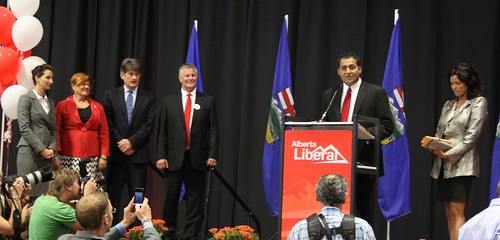
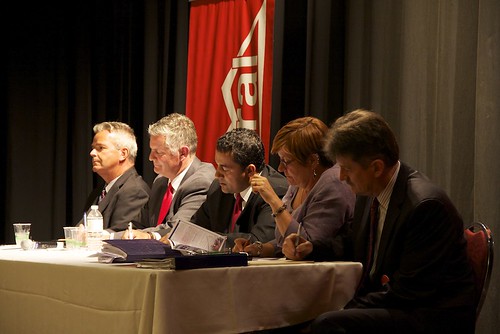
It is a flash from the past, but it made the latest issue of Avenue Edmonton Magazine as one of the five most entertaining battles of the last five years. Thanks to Chris Labossiere for snapping this photo.

It is a flash from the past, but it made the latest issue of Avenue Edmonton Magazine as one of the five most entertaining battles of the last five years. Thanks to Chris Labossiere for snapping this photo.
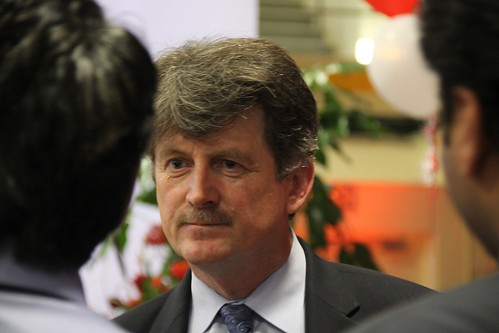
What kind of leader will Raj Sherman be?
This is a tough question to answer. As Edmonton Journal columnist Graham Thomson somewhat dramatically described yesterday:
Sherman – energetic, intelligent, charismatic – could prove to be a political white knight riding to the Liberals’ rescue. Or Sherman – inexperienced, mercurial, impetuous – could yet prove to be one of the horsemen of the apocalypse.
Simply put, Dr. Sherman is a mixed-bag. (Don Braid, David Climenhaga, and Maurice Tougas have all penned opinions on what Dr. Sherman’s acendency to the leadership might mean for Alberta’s Official Opposition party).
The Caucus
Former Tory MLA Dr. Sherman will walk into his new office as the Leader of the Official Opposition this week surrounded by an eight MLA Liberal caucus, which has had a tense relationship with its leaders since the 2008 general election. The caucus includes two of his leadership competitors (Edmonton-Centre MLA Laurie Blakeman and Edmonton-Gold Bar MLA Hugh MacDonald) and two of the party’s former leaders (Calgary-Mountain View MLA David Swann and Edmonton-Riverview MLA Kevin Taft). Of the group of eight, two (Dr. Taft and Calgary-Varsity MLA Harry Chase) are planning to retire at the next election.
The Big Four
It is my experience that the Chief of Staff, Caucus Communications Director, Party President, and Party Executive Director are four key positions that a Liberal party leader needs support from in order to successfully command the leadership of the party. Two of these positions are about to be vacated.
As noted in a recently Globe & Mail article, Erick Ambtman has resigned as President. Corey Hogan, executive director since 2009, has announced his plans to move on to future challenges. Chief of Staff Rick Miller, a former MLA and nominated candidate in Edmonton-Rutherford, may want to focus his energies on his election campaign. In his short time in the job, Communications Director Brian Leadbetter has proven to be an effective communication manager in a position that has turned into a rotating door over the past few years.
The Liberals need a ground game
While only around a paltry 8,600 out of almost 27,000 eligible voters actually participated in the leadership vote, the party is still left with a vast list of almost 30,000 potential volunteers, sign locations, and voters to help them in the next provincial election. One of the areas that Mr. MacDonald and Mr. Payne stressed during the leadership campaign was the need for the Liberals to build their strength on the ground.
Currently, the Liberals do not have functional organizations in most constituencies across the province, including in constituencies that they held up until the 2008 election. The lack of local organization and funds will pose a challenge in finding credible candidates to run in an expected fall 2011 or spring 2012 general election.
Mending fences
A significant number of the party’s staunch loyalists supported Mr. MacDonald’s candidacy and his criticisms of the open voting leadership process. Many of these Liberals were furious at former leader Dr. Swann’s attempts to cooperate with other opposition parties in response to his party’s shrinking political fortunes. Dr. Sherman will need to mend fences with this sometimes unreasonable group of stalwarts while cementing his own activists into the party ranks.
It will also be interesting to see if right-wing leadership candidate Bill Harvey remains in the Liberal Party (it is suspected that he may join the Wildrose Party). The two-time candidate, who was supported by right-wing agitator Craig Chandler, earned 7% of the vote in this contest.
Of interesting note, party Vice-President (Policy) Debbie Cavaliere challenged Dr. Sherman for the PC nomination in 2007 and later ran as the Liberal candidate against him in the 2008 general election.
Other Parties
The Progressive Conservatives will be voting for the first ballot in their leadership contest on September 17. If no candidate receives more than 50% of the vote, then a second ballot with the top three candidates will be held on October 1. The victor of that leadership contest will determine the tone and calendar of the next provincial election, which many political watchers are expecting to be held later this fall or early next spring.
Since 2010, the Wildrose Party led by Danielle Smith have moved into second place in the polls, with the NDP led by Brian Mason are competing with the Liberals for third place. The question is whether Dr. Sherman’s star power can write the Liberals back into the political narrative they have been largely absent from over the past two years.
There is also the question of what effect Dr. Sherman’s victory will have on the new Alberta Party, which continues to organize, but has dropped to a lower-profile since Hinton Mayor Glenn Taylor was chosen as its leader earlier this year.
Alberta Liberals chose their new leader today in Edmonton. Former Tory MLA Raj Sherman was selected on their first ballot over veteran MLAs Hugh MacDonald and Laurie Blakeman, and Calgarians Bill Harvey and Bruce Payne. Here are some photos of today’s event:
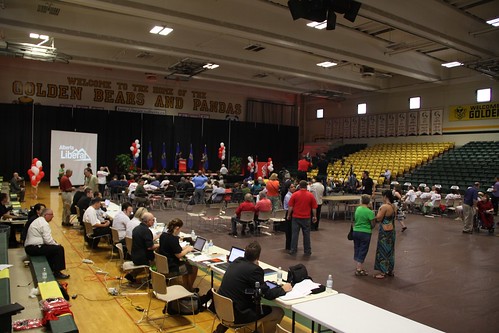
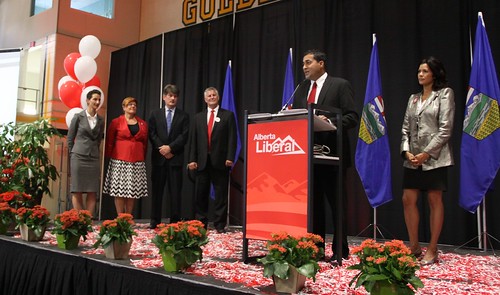
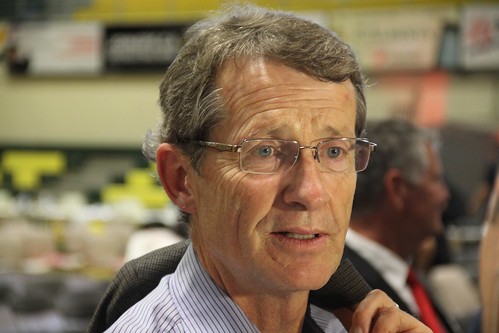
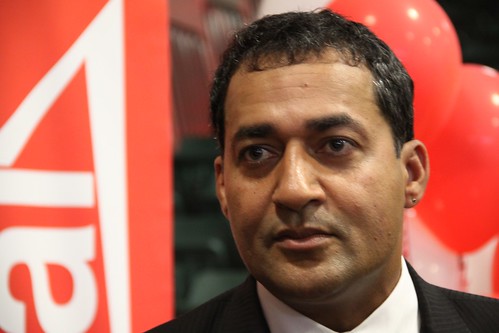
Find more photos of the Alberta Liberal Party leadership event on Flickr.
Results of the first ballot voting in today’s Alberta Liberal leadership vote:
Raj Sherman 54% 4684 votes
Hugh MacDonald 26% 2239 votes
Laurie Blakeman 9% 854 votes
Bill Harvey 7% 626 votes
Bruce Payne 2% 197 votes
Total: 8640 votes out of 27,567 eligible voters
Dr. Raj Sherman was first elected as the Progressive Conservative MLA for Edmonton-Meadowlark in 2008. In 2010, he sent an email to Premier Ed Stelmach, his caucus colleagues, and medical contacts that led to him being kicked out of the PC caucus. He sat as an Independent MLA while joining the Liberal Party leadership race earlier this year.
Dr. Sherman defeated four-term Liberal MLAs Hugh MacDonald and Laurie Blakeman.
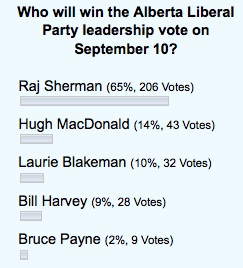
When asked who will win the Alberta Liberal Party leadership vote on September 10, readers of this blog overwhelmingly chose former Tory MLA Raj Sherman.
Four-term Edmonton-Gold Bar Liberal MLA Hugh MacDonald placed a distant second and Edmonton-Centre MLA Laurie Blakeman and conservative Calgarian Bill Harvey placed a close third and fourth in this online poll. Calgarian Bruce Payne barely registered on the online poll.
Although the contest has drawn the interest of 27,000 supporters, accusations of irregularities in the voters list by Mr. MacDonald have dominated the media coverage of the contest. Yesterday, Mr. Harvey claimed that the party office had added dozens (and maybe hundreds) of last minute names to the voters list and had not yet provided his campaign with the full list. The names of these supporters were collected by former Edmonton-Ellerslie MLA Bharat Agnihotri, who is supporting Dr. Sherman’s candidacy.
For more on the Liberal leadership contest, read Justin Archer‘s guest post, Decision Time for Alberta Liberals.
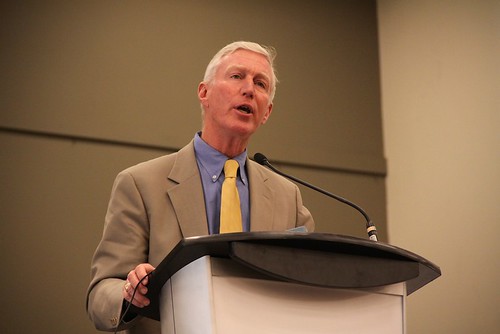
After a week of dodging questions from intrepid CBC reporter Charles Rusnell about a covert email alias and shredded ministerial documents, former Finance Minister Ted Morton‘s campaign for Alberta’s Progressive Conservative leadership has taken its first big hit with just more than a week before the first ballot vote.
After making ‘government transparency’ a key theme of his campaign, squeaky clean conservative Dr. Morton’s commitment to the pledge is being questioned when it was revealed that he used a covert email address under his little known full first- and middle-names “Frederick Lee” to conduct government business. It is being suggested that Dr. Morton’s covert email alias could have foiled Freedom of Information requests.
CBC discovered that correspondence and documents, including those connected to the covert email alias, were shredded or destroyed when Dr. Morton left his ministry to seek the PC leadership earlier this year.
A spokesperson for Alberta’s Information and Privacy Commissioner told the media that the Office would be launching an immediate investigation into the shredding allegations.
Dr. Morton downplayed the criticisms yesterday, but that did not stop his right-wing competitors Rick Orman and Wildrose leader Danielle Smith from tackling him in the media. Ms. Smith claimed that because the documents belonged to the people of Alberta, Dr. Morton’s staff had no right to feed them to the paper shredder on a whim.
Will these revelations hurt Dr. Morton’s chances in next week’s leadership vote? It is difficult to say. Dr. Morton has run a stealth campaign during this contest, which has focused on low-profile events and selling memberships. This is very different from his run in 2006, which publicly stressed his social conservative values on issues like same-sex marriage.
Watch for the other PC candidates to train their guns on Dr. Morton’s last minute weakness in the final week.
By Justin Archer
On Saturday September 10, the Alberta Liberals will select their next leader following current leader David Swann’s resignation from the post, announced this past January.
An understanding of the dynamics that lead to the initiation of this leadership race is helpful in interpreting the parry and thrust that has played out among the candidates running to be Swann’s successor. It’s probably not quite accurate to say that Swann was forced out—he left of his own volition, but he certainly didn’t have an easy time of it throughout most of his tenure as leader. Job one for the new leader will be to unite the caucus and inspire the membership as Alberta moves ever closer to the next election.
Don Braid’s piece in the Calgary Herald last weekend was a bang-on analysis of the recent and not so recent dynamic within the Party.
I found this section particularly apropos:
“There was another flicker of losing mentality recently when MLAs and leadership candidates suddenly discovered the party has 25,000 members.
The reaction was not joy, or even a touch of pride, but claims of duplicity from candidates who thought Raj Sherman was pushing the rules.”
It has been written elsewhere that this election will be a defining moment in the history of the Party, and I don’t disagree. When Daveberta left the ALP a few years ago he explained to me how his decision was motivated by the Party’s culture that put fealty to the Liberal brand above all else. At the time I didn’t know what he meant. Perhaps I hadn’t spent enough time in the trenches to see it up close. Now, a few years later, I see that Dave was absolutely right: there are elements within the Liberal Party that would take “being a Liberal” over “being in a progressive government that shares my values and does things the way I think it ought to” ten times out of ten. It’s weird, and kind of hard to explain until you’ve seen it. But it’s there.
This leadership election is an opportunity for the Liberal Party to decide what it wants to be: a band of true believers who will always be safe in the knowledge that they remained loyal to the Liberal brand through thick and thin; or a pragmatic, progressive group of people who are willing to stretch their boundaries and open up the organization to new people, new thinking, and ultimately a shot at real relevance again.
The various potential paths for the Liberal Party have been foreshadowed during this leadership campaign. I’ve been to a few of the debates and watched the campaign closely. By my best estimation, the candidates have offered visions as such:
Laurie Blakeman: Solid traditional Liberal credentials as well as an eye towards pragmatism. A Laurie Blakeman Liberal Party would not close itself off to outsiders, and would likely make some attempt to establish consensus with the Alberta Party and the NDP.
Bill Harvey: Move the Party far to the right of its traditional space on the political spectrum, to the point where many members would no longer feel comfortable with policy positions. Harvey has a very small natural constituency within the Party. If he were to win it would be in large part due to his organizational skills.
Hugh MacDonald: A die-hard Liberal if ever there was one. MacDonald has staked out the traditional Liberal territory with a vengeance during this campaign. He is an unapologetic devotee of the brand, and has played up his Party renewal strategy of empowering constituency associations.
Bruce Payne: A kind and decent human being who doesn’t quite have the backstory that explains why he should be the Liberal Leader. If he can hold Calgary-Varsity when incumbent Harry Chase retires at the start of the next election he would make a strong Alberta Liberal MLA.
Raj Sherman: His policy strength is in health care, but he speaks frequently about the social determinants of health and the correlative relationship between government actions and social outcomes across many policy areas. Sherman’s participation is the story of this campaign. He brings strong name recognition and folk hero status to this race. However his history as a Conservative MLA makes him an unknown and perhaps unsettling quantity in some Liberal circles.
I could certainly be wrong, and in fact I usually am (just ask Premier Jim Dinning and LPC Leader Gerard Kennedy), but I think this race is essentially between Hugh MacDonald and Raj Sherman.
MacDonald represents the true believers; the ones with a Liberal tattoo. Those people who look at traditional Liberal policies like the Canadian Charter of Rights and Freedoms, multiculturalism, the right to marry who you love, environmentalism, non-violence, fiscal responsibility, and at a host of other Liberal policy positions and say “yes, I am a Liberal.” MacDonald’s supporters come from the noblest of places within the human spirit. They see a set of values that they call “Liberal”, and they won’t be pushed off that brand come hell or high water. However, the dedication to Liberalism exemplified by MacDonald supporters is myopic: though they have the best outcomes in mind, their inflexibility and inability to understand the bigger picture have trapped them in a perpetual state of being “right”, while being marginalized. And what’s the good in that?
On the other hand, Raj Sherman brings a whole new dynamic to the Liberal Party. He’s famous. He’s smart. He’s brash. He stood up to the government and lived to tell the tale. I’ve spent a fair amount of time with Raj this summer and I can attest to the fact that he is an incredibly hard worker and the most pure retail politician I’ve ever seen. He is totally comfortable in his own skin and loves being with people. During the leadership race Sherman has signed up a large number of new Party supporters, giving the ALP a big new list of people to build its constituency and campaign teams with for the next election.
Over the past several years the Liberal Party has been pulling in two different directions. On the one hand there are the traditional loyalists who think the Party must do the same things, but better. On the other hand there are the younger, more pragmatic activists who wish to reshape the Party in a way that will allow it to continue to be relevant in the 21st Century. MacDonald and Sherman are two nearly perfect proxy candidates for this debate.
When the Party selects a new Leader on September 10, a Raj Sherman victory will indicate a willingness to work outside the Party’s traditional comfort zone with the aim of greater electoral success, while maintaining its commitment to Liberal values and philosophy; a Hugh MacDonald victory will represent a decision to redouble efforts to build the traditional Liberal Party along the same lines that have failed for so long.
This is an important conversation for the Party to have, and I’m genuinely interested in seeing which way the Party decides to go. If nothing else, the Liberal Party leadership contest has been passionate, surprising and interesting. The Party feels exciting again, which is a step in the right direction.
—-
Justin Archer is an Edmonton-based public relations consultant and political watcher. www.archerstrategies.com.
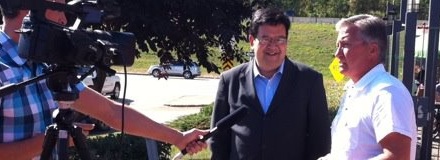
Former Newfoundland and Labrador Premier Danny Williams traveled to Fort McMurray this week to support Alberta PC leadership candidate Gary Mar and to give the candidate a boost in support from Newfoundland’s diaspora in the northern Alberta community.
The retired Newfoundland Premier’s support may be one of the former Calgary MLAs most significant endorsement in northern Alberta, where most MLAs are backing former Deputy Premier Doug Horner.
The endorsement could play well among regular conservative voters, who could respect Mr. Williams as a crusader for provincial-rights, but his battles with Ottawa also pitted him against Calgary-based Conservative Prime Minister Stephen Harper.
Mr. Williams led the charge against Prime Minister Harper’s Conservatives in the 2008 federal election, which ended with the Conservatives being shut out of that province. They failed to elect any Members of Parliament on the island again in the 2011 federal election [edit: Peter Penashue was elected as the Conservative MP for Labrador, on the mainland portion of that province].
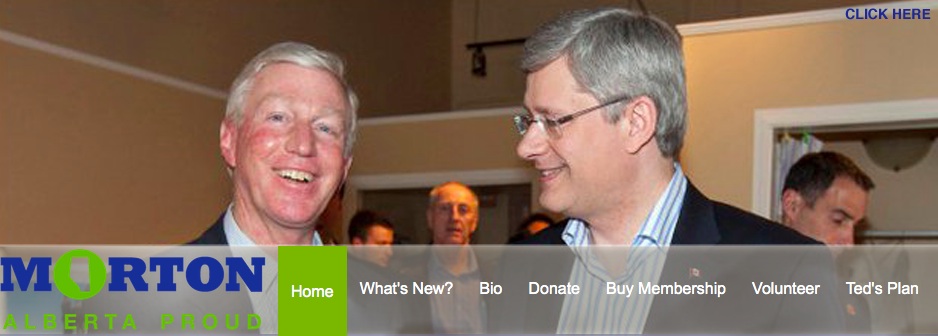
Seen by many as Mr. Mar’s main competition, former Finance Minister Ted Morton has a photo of Prime Minister Harper and himself prominently placed on the front-page of his website. Earlier in the race, online conservative pundits piled on Mr. Mar’s campaign for gaining the support of Federal Liberal fundraiser Daryl Fridhandler.
This is not the first time that Alberta’s political parties have tried to use a Newfoundland connection to get votes in Fort McMurray. In 2007, former Premier Brian Tobin was expected to join then-Liberal leader Kevin Taft at a fundraiser in Fort McMurray. Mr. Tobin had to cancel at the last minute.
I have updated the list of declared and nominated candidates standing in the next provincial election.
Airdrie: The Airdrie City View is reporting that former Airdrie Mayor Linda Bruce is volunteering for Gary Mar‘s PC leadership campaign, adding to the speculation that she may seek the PC nomination to challenge Wildrose MLA Rob Anderson.
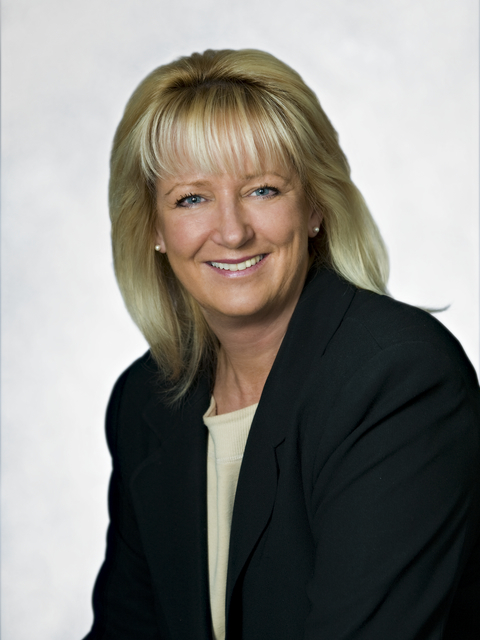
Banff-Cochrane: Transport worker Jamie Kleinsteuber has been nominated as the Alberta NDP candidate in this mountain constituency. Incumbent PC MLA Janis Tarchuk is being tight lipped about whether she will seek re-election. Ms. Tarchuk was first elected in 1997 and served in cabinet until she was dropped from cabinet in 2010.
Calgary-Currie: Alberta Party MLA Dave Taylor has announced that he will be retiring at the next election. This is not a complete surprise, but it is not good news for the new party, who will lose their only incumbent MLA at the next election. Mr. Taylor was first elected as a Liberal in 2004 and left that party to sit as an Independent in 2010. He joined the Alberta Party in 2011.
Calgary-Mackay-Nose Hill – Collin Anderson has been nominated as the NDP candidate in this north Calgary constituency. Ms. Anderson ran in the recent federal election as the NDP candidate in Calgary-Nose Hill and in the 2008 provincial election in Calgary-North West. has served in positions with Telecommunications Workers Union and the Calgary & District Labour Council.
Calgary-McCall: Depending on who you believe, the Wildrose either disqualified them for breaking the nomination rules or they quit, but candidates Deepshikha Brar, Khalil Karbani, and Braham Luddu are no longer eligible to run for that party. Candidate Grant Galpin appears to be the only candidate left standing.
Drumheller-Stettler: Hanna Town Councillor Chris Warwick has withdrawn his nomination for the Wildrose candidacy in this constituency. Candidates Dave France, Rick Strankman, and Patrick Turnbull remain declared in the nomination contest,.
Edmonton-Castle Downs: Former pharmaceutical employee John Oplanich is the nominated Wildrose candidate in this north Edmonton constituency. Mr. Oplanich ran for Edmonton City Council in 2010, placing third in Ward 3.
Edmonton-McClung: Varscona Theatre executive director John Hudson has been nominated as the Alberta Party candidate in this west Edmonton constituency.

Edmonton-Strathcona: NDP MLA Rachel Notley is expected to be acclaimed at a nomination meeting planned for October 11. Vancouver-Kingsway NDP Member of Parliament Don Davies is the guest speaker.
Lethbridge-West: Candidates Shannon Phillips and James Moore will face-off in a contested NDP nomination meeting on September 11.
Olds-Didsbury-Three Hills: The race to replace retiring Progressive Conservative MLA Richard Marz is on. Mountain View County councillor and former reeve Al Kemmere has announced his candidacy to seek the PC nomination. Mr. Kemmere is also a director for the Association of Alberta Rural Municipalities and Districts.
Also seeking the nomination is William Stevenson, who has been endorsed by PC leadership candidate Ted Morton and Wild Rose Member of Parliament Blake Richards.
St. Albert: Former St. Albert alderman James Burrows is the nominated Wildrose candidate. Liberal Party activist Alex Bosse is seeking his party’s nomination.
Sturgeon-St. Albert: Linda Robinson, co-chair of the Indigenous Peoples caucus of the NDP, is seeking her party’s nomination in this constituency. Ms. Robinson works for the Alberta Federation of Labour.

Is Alberta Liberal leadership candidate Hugh MacDonald‘s continuing criticism of the legitimacy of the new “registered supporters” voting system hurting the chances of his party’s next leader?
“This list, as it exists, is a mess,” said MacDonald, a longtime Edmonton MLA. “This is not democracy.” (Edmonton Journal, August 31, 2011)
Over the course of the Liberal Party’s leadership contest, which will come to an end on September 10, Edmonton-Gold Bar MLA Mr. MacDonald has gone to great lengths to pull the media’s attention towards the party’s new leadership selection system. The new system allows anyone to register to vote in the leadership contest without having to purchase a membership, creating a whole new class of instant-Liberals, who’s numbers now greatly outnumber the party’s loyalist membership.
Mr. MacDonald criticized the initial party voting list on August 19, after it was discovered that a number of illegitimate names were added (people’s cats, dead people, and former Conservative Members of Parliament). This is a normal occurrence during most party leadership contests, and like other parties, the Liberals combed through the lists and eliminated the obvious forgeries.
A partisan stalwart, Mr. MacDonald’s obvious strategy is to unsaddle perceived front-runner in the contest, former Tory MLA Raj Sherman, but he may do well to remember how public criticisms of irregularities in the party’s leadership process in 1994 dogged then-Liberal leader Grant Mitchell in the 1997 election.
With the party tied in third place with the NDP according to the latest poll, will the next Liberal Party leader be handicapped by this controversy before they even leave the starting gate?

Forty years ago today, Albertans voted to end the 36 year rule of the Social Credit League and let the light shine as Peter Lougheed‘s Progressive Conservatives scored their first majority election victory and Albertans voted to adopt Daylight Savings Time.
The August 30, 1971 election saw the Lougheed Tories edge out Premier Harry Strom‘s Social Credit by a narrow vote (296,934 votes to 262,953 votes) that was not reflected in the number of MLAs each party elected (49 PC MLAs and 25 Social Credit MLAs). The NDP also landed their first solid beachhead in the Assembly with the election of leader Grant Notley in the northern Spirit River-Fairview constituency. The only party leader to not win a seat in the Assembly was Liberal leader Bob Russell, who placed third in St. Albert.
Since that day forty years ago, the PC Party has won nearly every general election with ease. With the exception of the 1993 election, where the Liberals led by former Edmonton Mayor Laurence Decore appeared to snatch defeat from the jaws of victory against rookie Premier Ralph Klein, the PCs have thrown every opposition leader into a meat grinder.
The PCs have not survived as one of the most successful political organizations in Canada by being nice guys. While driven by a vague set of principles, Alberta’s natural governing entity is essentially an amorphous blob on the subject of policy, following trends and public opinion – straddling the ideological centre while appeasing the various corners of its very large political tent. This positioning has allowed the PC Party to appeal to a wide-range of Albertans, who already largely self-identify as “conservative.” Being the sure bet for an election win has also helped the PC Party recruit talented candidates from across the political spectrum and build strong (and well-funded) local organizations across the province.
The PC Party is also ruthless on the subject of keeping its hold on power. As PC members vote select a new leader on September 17, 2011 it may be smart for the leadership candidates to reflect on the historical fact that only one PC leader, Premier Lougheed, was allowed to leave gracefully on his own time. Each leader following Premier Lougheed – Don Getty, Ralph Klein, and Ed Stelmach – were in one way or another shown the door when they appeared to be a threat to the PC Party’s continued political success.
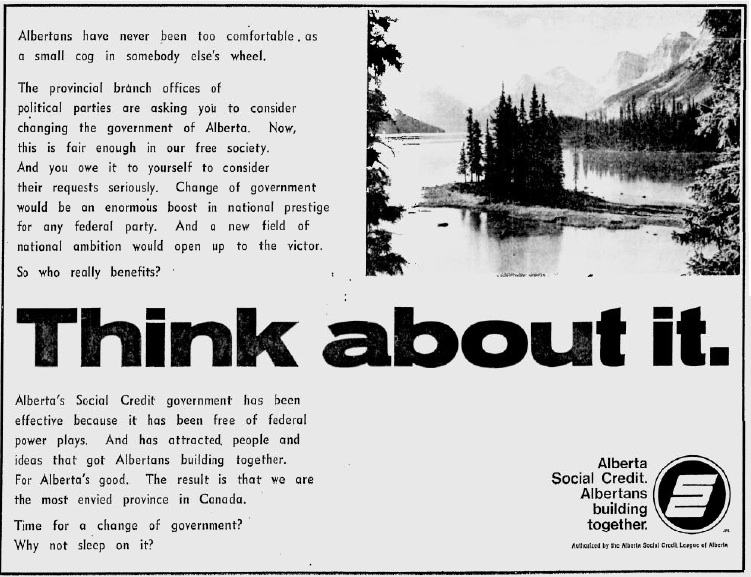
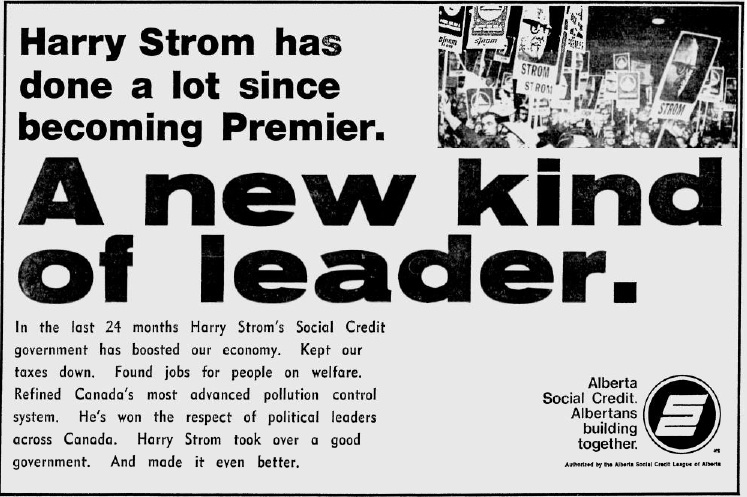
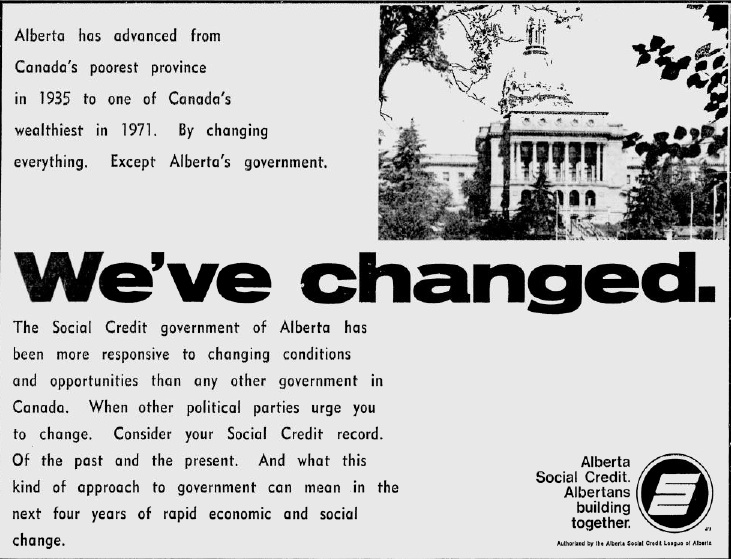
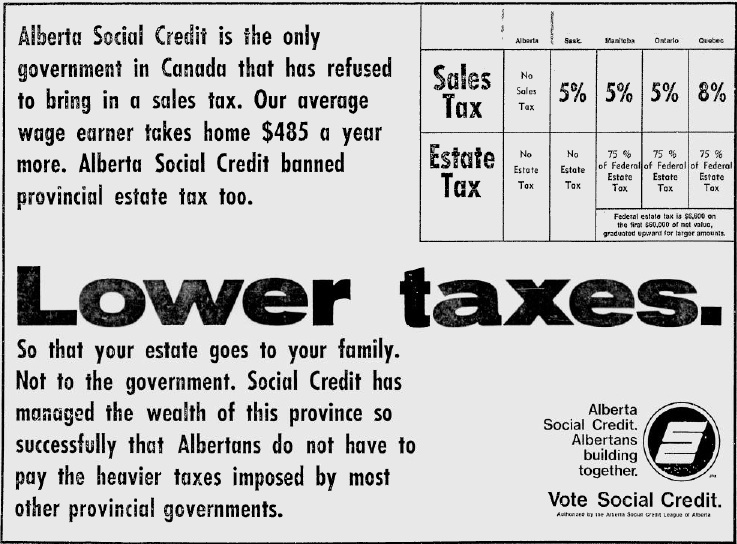
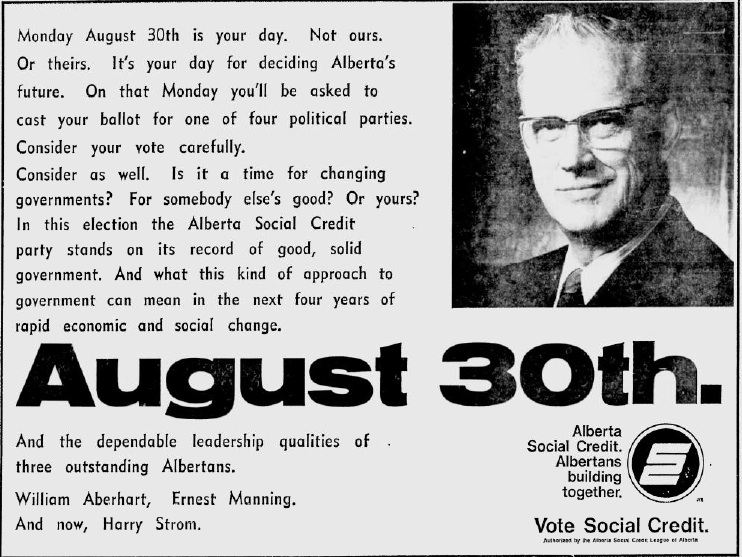
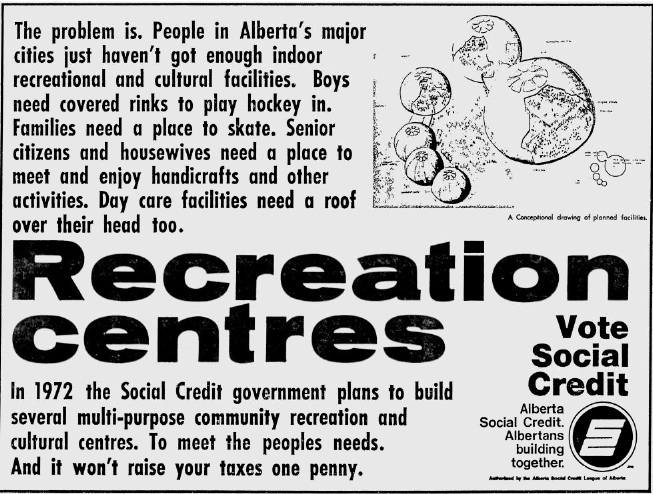
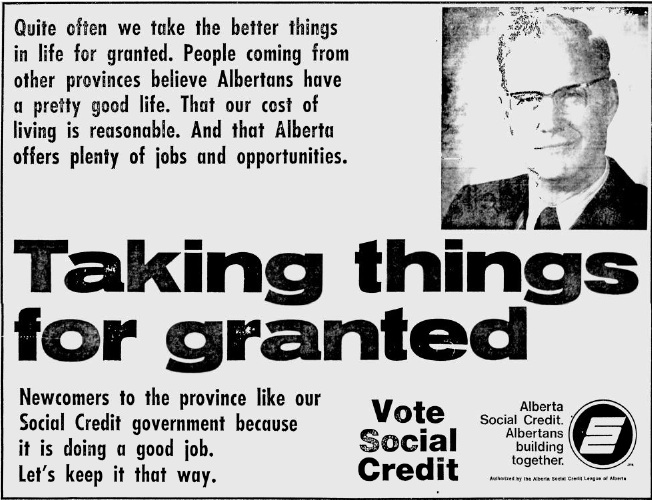
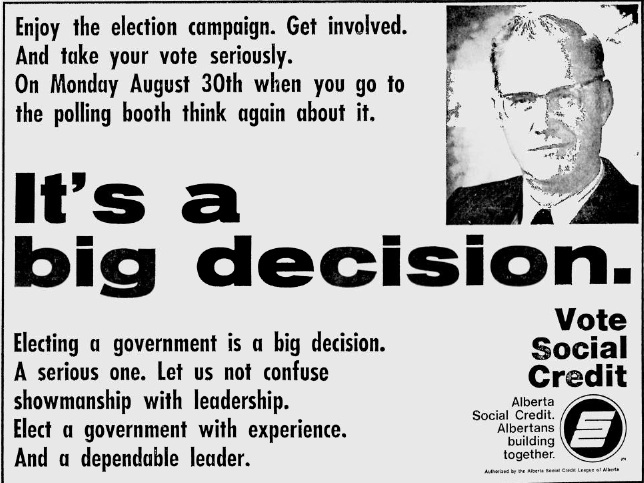
Tomorrow, August 30, 2011, is the fortieth anniversary of the Alberta Progressive Conservative Association’s first election victory. In that election the Alberta PCs, led by Peter Lougheed, defeated the 36-year governing Social Credit League led by Premier Harry Strom, and has been re-elected in each election since. Here is a look back at some of the campaign advertisements published in Alberta newspapers during that monumental election:




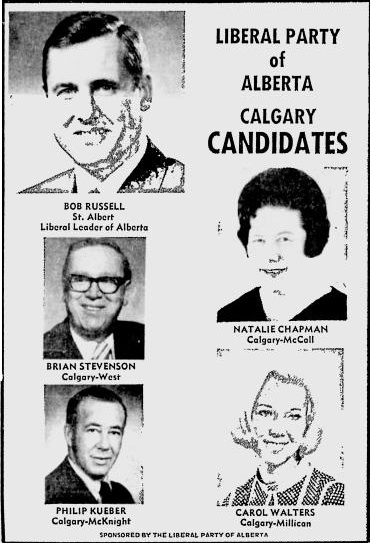

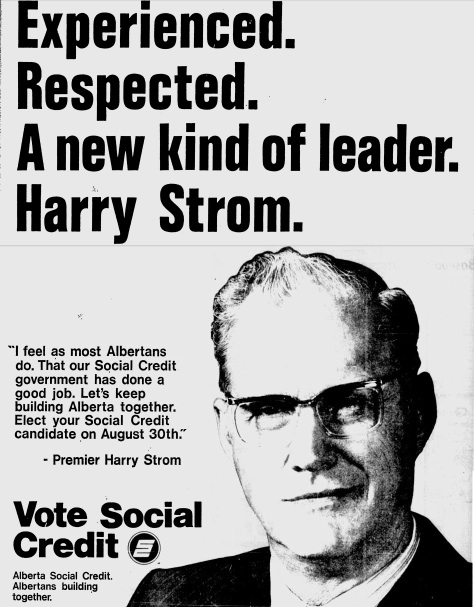
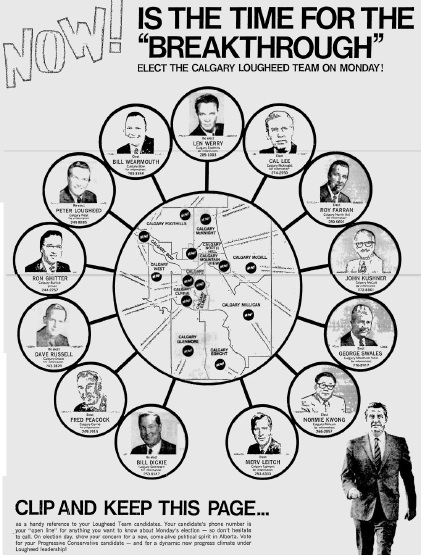
As reported on this blog earlier this week, and reported by the mainstream media yesterday, Joe Anglin has been nominated as the Wildrose candidate in the newly created constituency of Rocky Mountain House-Sundre.
Mr. Anglin is a well-known landowners rights advocate and was the last leader of the now defunct Alberta Green Party, but you will not learn that from the short biography released by the Wildrose yesterday. His past party leadership position was omitted from the party’s official media release circulated yesterday.
According to Wildrose Director of Communications William McBeath, the omissions were not the party’s doing, they were Mr. Anglin’s. “Joe provided info for his bio – his wording was used,” wrote Mr. McBeath in an email.
When asked about the omission, Mr. Anglin responded that “the bio was limited to 100 words” and that the two omissions in the short-biography are well-known facts in his constituency. “I will run on my reputation as an advocate of landowner rights,” wrote Mr. Anglin in an email.
Why did Anglin join the Wildrose?
When asked about his conversion from the former Green Party to the right-wing Wildrose, Mr. Anglin told this blogger that he chose his new party because they “supported and recognized the importance of my work advocating for landowner rights, and democratic principles.”
Since becoming leader, Danielle Smith focused on landowners rights one of her party’s key issues to drive a wedge between rural landowners and the party they traditionally support, the Progressive Conservatives.
“Danielle [Smith] met with me multiple times. She listened to me and then convinced me that if I am elected, I will be able to represent the people of my constituency, as they see fit,” wrote Mr. Anglin. “This is an important principle for many voters in my constituency and it is a very sensitive issue for me. People are not asking to be heard anymore, they are demanding to be heard.”
“What is not well known is that many Green Party supporters joined the Wildrose Party before I did, for this very reason,” wrote Mr. Anglin. “In summary, it wasn’t so much the party, as it was the issues. As long as the Wildrose Party walks the talk — this riding will be a Wildrose riding.”
Wildrose candidates write selective biographies.
While Mr. Anglin’s biography may have just included some honest omissions, he is not the first Wildrose candidate to leave certain biographical information off the official record. As pointed out on the talented David Climenhaga‘s blog, Barrhead-Morinville-Westlock candidate Link Byfield‘s online biographies appear to have been scrapped of the fact that he was once the president of the bizarre sounding Society to Explore and Record Christian History.
Seeking the Wildrose nomination in Calgary-North West is candidate Russell Hillier, a founding member of the Canadian Culture and Integration Society, which is dedicated to reducing mass-immigration and eliminating official multiculturalism in Canada. Mr. Hillier’s involvement in this anti-immigration group is omitted from his campaign website biography and the organization’s website has mysteriously disappeared since I first wrote about his connections to the group in July 2011.
Even the recently nominated Wildrose candidate in St. Albert, former Alderman James Burrows, pumped up his biography, claiming to be a “Corporate Sales Specialist” (a more vague job title could not be found). I am told that he actually works for Lowe’s Canada in South Edmonton Common and runs his own television installation company, two respectable occupations that do not need to be omitted or hidden behind a vague job title. Yet they are.
Perhaps a creative editing course is a requirement for Wildrose candidates?
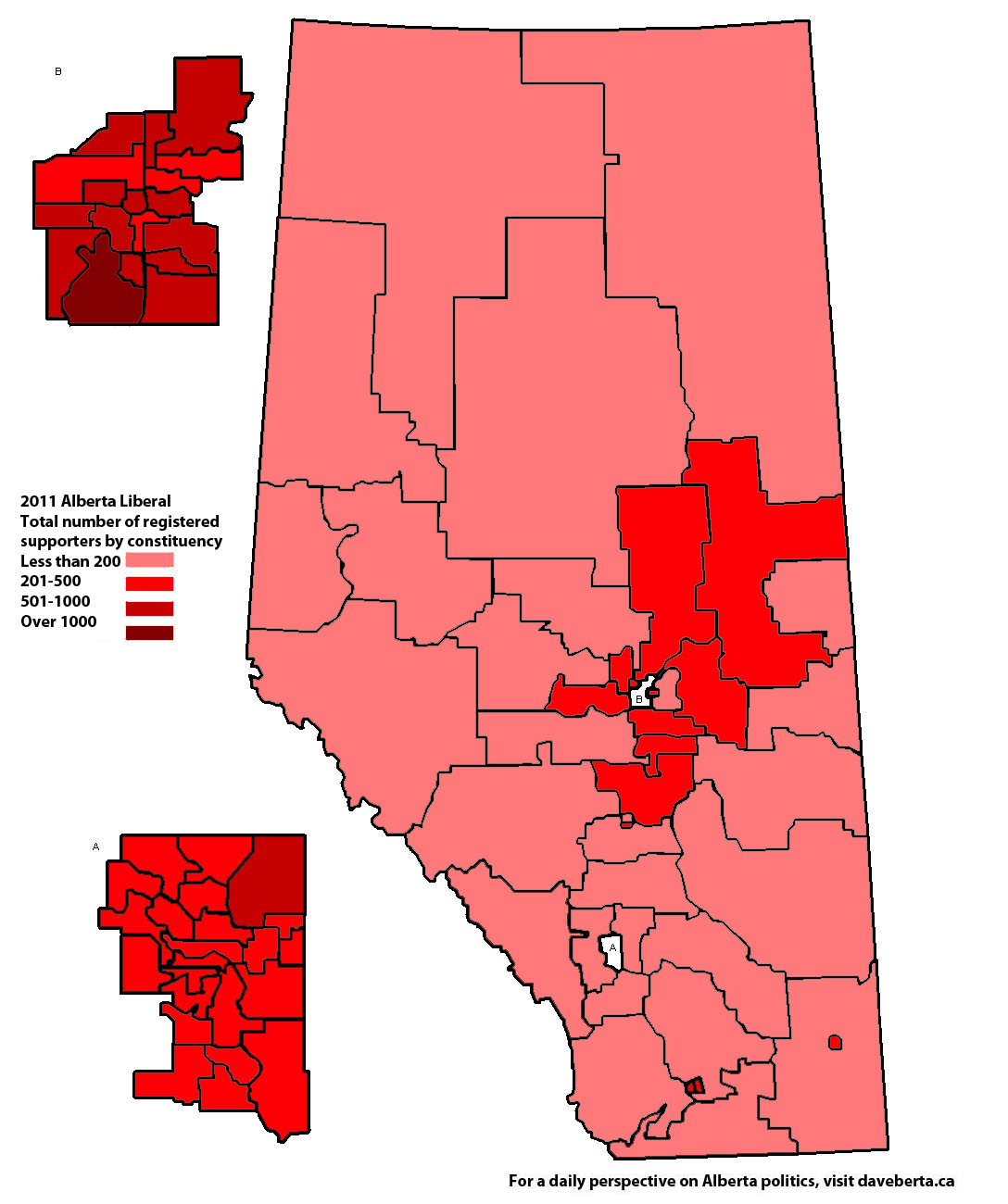
The Alberta Liberal Party announced yesterday that over 27,567 Albertans are eligible to vote in their party’s September 10 leadership contest. The eligible group of supporters include 3,690 paid members and 23,877 “registered supporters” who could participate by registering their name and contact information without a fee.
Following complaints from leadership candidate and Edmonton-Gold Bar MLA Hugh MacDonald that the list was filled with fake names, including a cat, a dead woman, and former Conservative MP Rahim Jaffer, the Liberals have culled the list of obvious forgeries (which are to be expected in any leadership contest). Former Edmonton-Meadowlark Tory MLA Raj Sherman claims to have registered over 18,000 of the 27,000 eligible voters. Edmonton-Centre MLA Laurie Blakeman claims that her campaign submitted names for around 1,000. The two other candidates in the contest are Calgarians Bill Harvey and Bruce Payne.
Although the Liberal leadership contest has by far been overshadowed by the more glamorous Progressive Conservative leadership contest set for September 17 (in which over 150,000 Albertans are expected to participate), I am impressed that the Liberals have been able to collect the names of over 27,000 potential supporters. Regardless if these registered supporters actually vote in their leadership contest, their names are now entered into a database that will be useful for the Liberals in the next provincial election.
Not surprisingly, eligible voters in this contest are largely centered in the two main cities of Calgary and Edmonton, highlighting Liberal Party’s almost non-existent levels of support in rural Alberta. Even in a constituency like Fort McMurray-Wood Buffalo, with a population estimated to be more than 100,000, the Liberals only attracted 134 people to register to vote in their leadership contest.
Unlike traditional one-member-one-vote leadership selection structures, the Liberals have opted to use a weighted-preferential system in constituencies with large numbers of voters. The slightly confusing system is explained on the party’s leadership website:
Each constituency in Alberta is allocated up to 500 points, where each vote up to that number represents one point. Should more than 500 voters cast a ballot in a constituency, each vote in the constituency is applied a weighing formula.
As there are only 15 constituencies with more than 500 eligible voters, it is likely that this system may only be implemented in a handful of them. The only constituency to register more than 1,000 supporters was Edmonton-Whitemud.
Click here to view a breakdown of eligible voters by constituency (pdf)
Former Green Party leader chosen as Wildrose candidate in Rocky Mountain House-Sundre
I have updated the list of declared and nominated candidates standing for the next provincial election. Here are some of the updates:
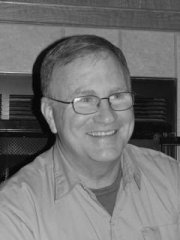
Rocky Mountain House-Sundre: According to Wildrose provincial director Krista Waters, landowners rights advocate and former leader of the Alberta Green Party leader Joe Anglin won the Wildrose nomination on August 13. Mr. Anglin defeated Rocky Mountain House town councillor Sheila Mizera and former constituency association president Ed Wicks. Mr. Anglin earned 22% of the vote as his former party’s candidate in Lacombe-Ponoka in the 2008 provincial election. He was elected to Rimbey Town Council in October 2010.
Cypress-Medicine Hat: Scott Raible, a teacher at Eagle Butte High School, was acclaimed at an NDP joint-nomination meeting last night in Medicine Hat. According to his biography on the school website, he is currently teaching Grade 10, 11 and 12 English Language Arts and in 2002 he founded the radio station CJLT 99.5 FM (currently Power 93.7 FM) and was awarded “Best New Business of the Year” by the Medicine Hat Chamber of Commerce.
Edmonton-McClung: Peter Janisz will face Carrie Kohan for this west Edmonton constituency’s Wildrose nomination. He is the owner of Peter’s Paving Stones.
Grande Prairie-Smoky: Todd Loewen is seeking the Wildrose nomination. Mr. Loewen was his party’s candidate in the 2008 provincial election, earning 13% of the vote, and until recently was the Northern Director for the Wildrose Alliance. He is a Director of the Alberta Professional Outfitters Association.
Little Bow: Psychologist Bev Muendel-Atherstone was acclaimed as the NDP candidate a nomination meeting earlier this week in the southern Alberta constituency. Ms. Muendel-Atherstone is the President of the Lethbridge Federal NDP Riding Association and Co-Chair of the Alberta NDP Women’s Caucus. She is listed as the Secretary of the Lethbridge East Rotary Club.
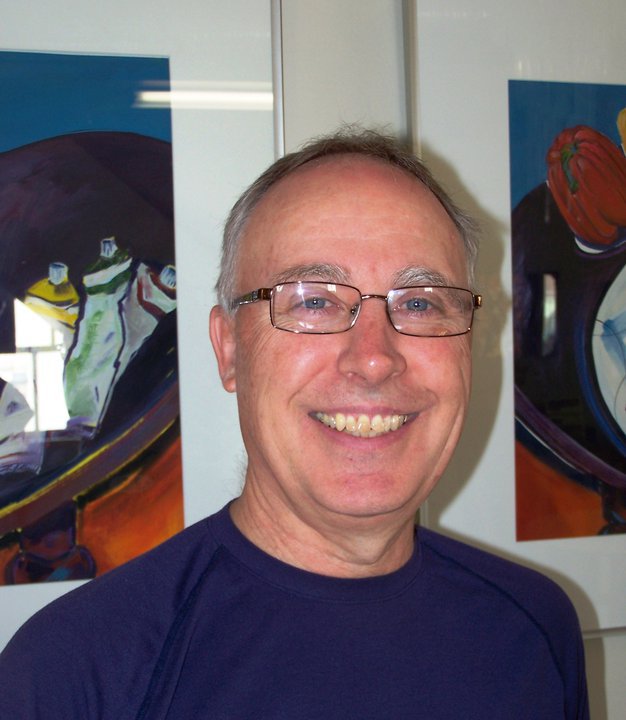
Medicine Hat: Dennis Perrier defeated Manuel Martinez at the NDP’s joint-nomination meeting last night in Medicine Hat. Mr. Perrier was the federal NDP candidate in the 2011 federal election and placed second with 13% of the vote, behind Conservative LaVar Payne (who earned 71% of the vote). Mr. Martinez was his party’s candidate in the 2008 provincial election in the Cypress-Medicine Hat constituency, where he earned 3.9% of the vote to PC MLA Len Mitzel‘s 63%.
St. Albert: Management consultant Tim Osborne and local firefighter Victor Fernandez are seeking the Alberta Party nomination in this Capital Region constituency. Before starting his own business, Mr. Osborne worked for the United Way of the Capital Region. Mr. Fernandez is a founder of the charity Canadian Aid for Fire Services Abroad.
Sherwood Park-Strathcona: Strathcona County Councillor Jason Gariepy was defeated by Paul Nemetchek in a contested nomination for the Wildrose. Mr. Nemetchek ran for the PC nomination against current MLA Dave Quest in 2008. He was a founding board member for the Strathcona Wildrose and previously worked as a campaign manager for former Conservative Member of Parliament Ken Epp.
