Categories
Alberta Politics

Who would win a Fort McMurray-Wood Buffalo by-election?

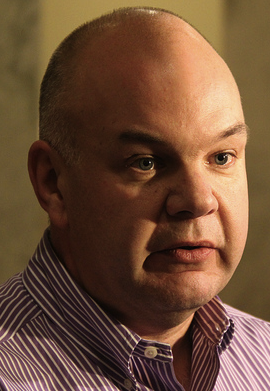
Mike Allen MLA
Mike Allen MLA

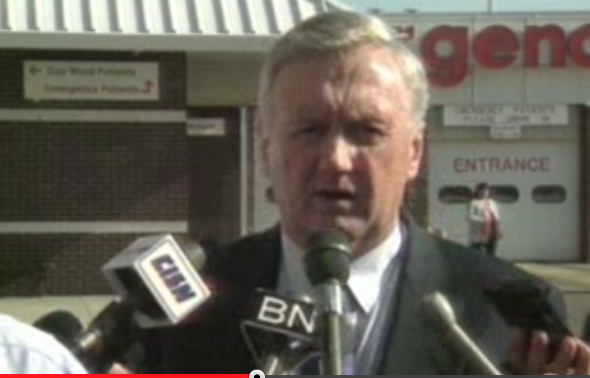
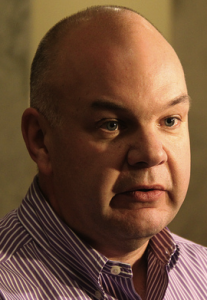
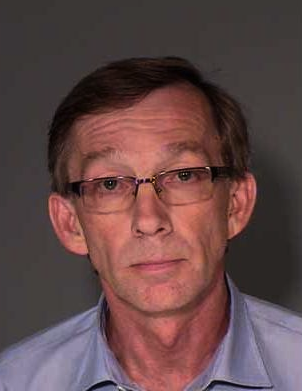
After being arrested in a prostitution sting in St. Paul, Minnesota, Fort McMurray-Wood Buffalo MLA Mike Allen resigned from the Progressive Conservative caucus. For the time-being, Mr. Allen will remain an Independent MLA, as police in St. Paul have yet to place charges against him. Barring charges and a conviction, Mr. Allen could reasonably be expected to complete his term in Legislative Assembly, albeit sitting outside the PC caucus.

The opposition, including Airdrie Wildrose MLA Rob Anderson, have been calling on Mr. Allen to resign as MLA. If, by chance, Mr. Allen did resign as MLA, voters in the northern Alberta constituency would choose a new representative in a by-election.

A key battlefield in the 2012 provincial election, how would Alberta’s political parties fare in a Fort McMurray-Wood Buffalo by-election?

Fort McMurray-Wood Buffalo (image from wikipedia)

In 2012, Mr. Allen was elected with 3,609 votes (49%), defeating Wildrose MLA Guy Boutilier, who earned 3,164 votes (42.9%). A unique election, Mr. Boutilier served as a PC MLA since his first election in 1997 until he left the Tory caucus in 2009 and joined the Wildrose in 2010. According to Elections Alberta financial reports, Mr. Allen’s campaign spent $72,825 in the campaign, compared to Mr. Boutilier’s $65,457.

In the 2012 Elections Alberta financial disclosures, the PC constituency association in Fort McMurray-Wood Buffalo reported net assets of $11,438.40. The Wildrose constituency association listed $549.58 in net assets at the end of 2012.

Low voter turnout, 34%, in the 2012 general election suggests that many voters in the constituency are undeclared or unidentified by the parties.

Despite electing candidates in both Fort McMurray-Wood Buffalo and neighbouring Fort McMurray-Conklin (where Tory Don Scott defeated Wildrose candidate Doug Faulkner), the Wildrose candidates earned strong second place finishes in the 2012 election.

Fort McMurray Today reports Mr. Boutilier remains silent on a possible comeback, but a by-election triggered by a Tory sex scandal would be the ideal scenario an opposition politician could hope for.
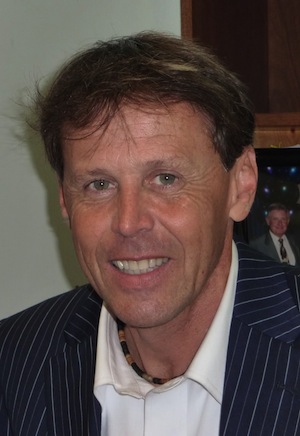
Guy Boutilier
Guy Boutilier

A Liberal base in Fort McMurray, which elected MLA Adam Germain in the 1993 election, has near completely eroded with that party earning 3% of the vote in both constituencies. The NDP saw a spike of support in constituency in the the 2001 election, but have not had much success in the three elections held since.

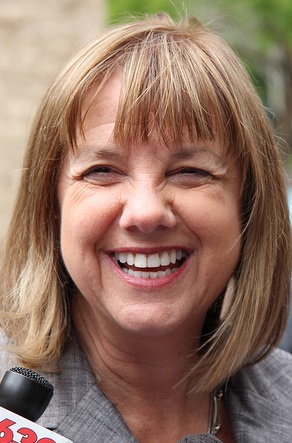
Who would the Tories look to for a by-election candidate? Would any of Mr. Allen’s challengers in last year’s PC nomination step up? Candidates in last year’s PC nomination race included Andrew Highfield, Nick Sanders, and school trustee Jeff Thompson. Popular Wood Buffalo mayor Melissa Blake, who is seeking re-election in this year’s municipal vote, would be seen as a star candidate for any party and could easily fill a top cabinet position if elected into government.

A rash of automobile accidents caused deaths on the busy highway 63 put heavy pressure on the governing Tories last year. The heavy pressures of a being boom-town have created many unique growth and social challenges in this northern Alberta community that could easily become an issue in a locally-focused by-election.

But Premier Alison Redford‘s Tories may want to avoid an embarrassing by-election defeat. Two of the three most recent provincial by-elections held in Alberta have resulted in opposition parties electing candidates in formerly government-held constituencies.

Categories
Alberta Politics

Fort McMurray MLA Mike Allen arrested in U.S. prostitution sting

Mike Allen MLA
Mike Allen MLA

Mike Allen is the second MLA to resign from the Progressive Conservative caucus since last year’s election. The Fort McMurray-Wood Buffalo MLA resigned today from the Tory caucus after he was arrested in a prostitution sting in St. Paul, Minnesota.

The first-term MLA and former Wood Buffalo municipal councillor was in St. Paul to represent the Government of Alberta at the Council of State Governments Midwestern Legislative Conference. According to a Government press release, Calgary-Fort MLA Wayne Cao was also attending the conference.

This was Mr. Allen’s fourth trip to the United States as an official representative of the Alberta Government since he was elected. In 2012, he attended conferences in Cleveland, Ohio and Madison, Wisconsin and in 2013 he attended a conference in Washington state as a representative of the Premier’s Standing Committee on Resource Stewardship.

Mr. Allen’s resignation letter was published on the Edmonton Journal website:

“Today, I informed the Chief Government Whip of a legal incident that I have been involved in. Pending resolution of this incident, I have resigned from the government caucus and all legislative committee effective immediately. I apologize to my family, my friends, my constituents, my colleagues, my staff, and to all Albertans for the embarrassment I have caused in failing to live up to the standards expected of me and the standards I expect of myself. I made this mistake as a result of a profound lapse in my personal judgment. It is a mistake for which there are no excuses and for which I accept full responsibility. This is deeply embarrassing moment and all I can say is that I am sorry and I humbly ask for forgiveness. I will work long and hard to regain the trust of the many I have let down.”

Mr. Allen was first elected in 2012, defeating former Tory cabinet minister-tuned-Wildrose MLA Guy Boutilier. In 2012, he was appointed by Premier Alison Redford as the special advisor to the Minister of Transportation for highway 63.

Mr. Allen is the second MLA to resign from the governing Tory caucus since the 2012 election. In May 2013, Edmonton-Manning MLA Peter Sandhu resigned from the PC caucus after a CBC investigation revealed that a company owned by the politician had accumulated a trail of unpaid debt and that he made a false statement in a sworn affidavit.

Categories
Alberta Politics

Beer man Jim Gibbon runs for Edmonton City Council

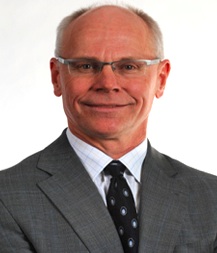
Jim Gibbon Edmonton City Council Ward 5
Jim Gibbon

Jim Gibbon, the founder and president of Amber’s Brewing Company, announced this week that he will run for City Council in west Edmonton’s Ward 5.

Speaking over the phone this week, the owner of the popular local craft beer company explained his reasons for wanting to run in the October 21 elections. Last year, Amber’s Brewing was forced to find a new location because of a sharp rise in rent at its former location in the Ritchie neighbourhood in south central Edmonton. Mr. Gibbon looked for a new location in Edmonton and enlisted the help of Ward 8 City Councillor Ben Henderson, who he described as being a great help.

But after meeting with city staff, who proved to be less helpful in responding to his requests to rezone a potential new location for the brewery, which could have included Petrolia Mall, he decided to look outside Edmonton. According to Mr. Gibbon, city staff told him it would take 18 months to properly rezone a new location, which was an unrealistic time frame for the local business to wait to find a new home. After inquiring with the City of Calgary, who told him they could quickly rezone a space for his brewery if he moved south, Mr. Gibbon told me he looked north to the City of St. Albert, where Amber’s is now brewed in a brewery owned by the Hog’s Head Brewing Company.

“We chase business out,” said Mr. Gibbon, who wants to make the city more friendly and flexible to local entrepreneurs who want to lay down roots in Edmonton.

Not just a simple beer man, Mr. Gibbon is a director of Edmonton’s Heritage Festival and holds a Masters in Business Administration, Bachelor of Arts and Bachelor of Sciences from the University of Alberta. Mr. Gibbon is the nephew grandson of Ray Gibbon, who served as mayor of St. Albert from 1968 to 1974 and as interim mayor in 1989.

In Ward 5, Mr. Gibbon faces five other declared candidates: former Catholic school trustee Rudy Arcilla, past provincial Liberal Party candidate Arif Khan, former city council executive assistant Terry Demers, Dan St. Pierre, and Michael Oshry. Ward 5 is currently represented by Councillor Karen Leibovici, who is running for mayor.

Categories
Alberta Politics

A new look. A work in progress.

After three years with the same template, this week I decided to update the look of daveberta.ca.

It is still a work in progress, but feedback is welcomed!

Categories
Alberta Politics

News from parties not named PC or Wildrose

With Alberta’s daily political scene dominated by the loud and partisan voices of the governing Progressive Conservatives and the official opposition Wildrose, it has become easy to miss what is happening in Alberta’s other political parties. Here is a quick look at some news from the other parties represented in the Legislative Assembly – the Liberals and NDP – and the parties sitting outside the dome – the Alberta Party,  Green Party, and Social Credit Party.

Alberta Liberals

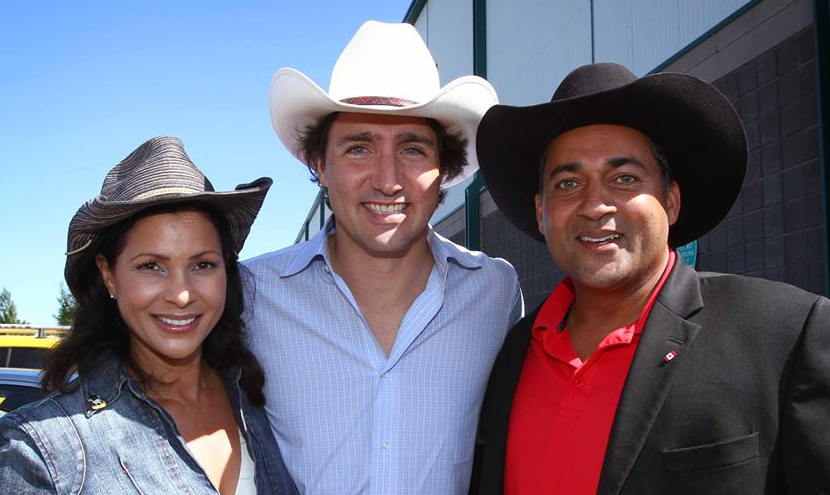
Alberta Liberal leader Raj Sherman (right), Justin Trudeau (centre), and Sherman's partner Sharon (left) at the Calgary Stampede.
Alberta Liberal leader Raj Sherman (right), Justin Trudeau (centre), and Sherman’s partner Sharon (left) at the Calgary Stampede. (Photo from Raj Sherman’s Facebook Page).

At a recent annual meeting, the Alberta Liberals abandoned their controversial “supporter” category of party involvement. Described by some Liberals as groundbreaking, gargantuanreal renewal, and politics re-imagined when the party first adopted the new category in May 2011, the idea remained controversial among party loyalists. Some long-time Liberals believed the creation of a “free” category opening leadership selections to non-members gave former Tory MLA Raj Sherman an advantage over loyalist favourite Hugh MacDonald  in the party’s 2011 vote.

According to the Edmonton Journal, the Liberal Party current has about 1,200 registered members, compared to about 3,500 members in August 2011. While the party signed up 27,000 members and supporters in the 2011 leadership race, only 8,900 voted.

A surprise win by past candidate Mike Butler in the party’s vice-president (communications) contest surprised many Liberals at the annual meeting. Mr. Butler is a supporter of cooperation with other parties like the NDP, Alberta Party and Greens, and has helped organize ‘soapbox’ events in Edmonton to promote cross-party dialogue.

The cooperation debate has been heated among Liberals. Last year, party president Todd Van Vliet publicly rebuked Calgary-Buffalo MLA Kent Hehr for a guest post published on this blog promoting the idea of cooperation.

Alberta NDP

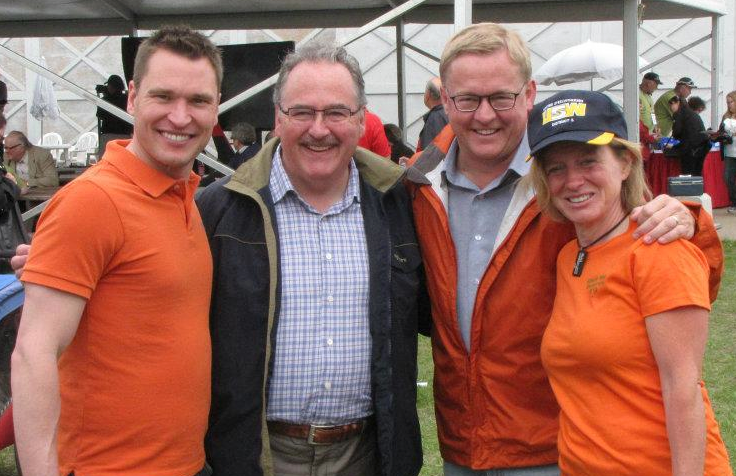
Alberta NDP MLAs Deron Bilous, Brian Mason, David Eggen, and Rachel Notley (photo from Rachel Notley's Facebook page).
Alberta NDP MLAs Deron Bilous, Brian Mason, David Eggen, and Rachel Notley (photo from Rachel Notley’s Facebook page).

The Alberta NDP will  hold their annual conference in Lethbridge in November, hoping to build on recent gains in the southern Alberta city. The NDP have seen significant growth in Lethbridge, with both federal candidate Mark Sandilands and provincial candidate Shannon Phillips significantly increasing their party’s support in recent elections.

NDP executive member Chris O’Halloran was chosen to serve as the interim president following Nancy Furlong‘s departure to accept a new job in Ontario. A new president will be selected at the November annual meeting.

Alberta Party

Following the resignation of leader Glenn Taylor after the last election, the Alberta Party  set September 21, 2013 as the date it will choose their next leader. Calgary businessman Greg Clark is so far the only candidate to step into the race to lead the party.

Not unfamiliar with Alberta politics, Mr. Clark worked as a spokesperson for the Liberal Caucus in the mid-1990s after that party first formed official opposition under Laurence Decore. He ran against Premier Alison Redford in Calgary-Elbow during last year’s election, placing 6th 5th with 518 votes.

Green Party

Reformed after a divisive internal party split and poor party financial audits led to the dissolution of the former Alberta Greens and the creation of the Evergreen Party, the newly renamed Green Party of Alberta is now led by Calgary-based civil liberties advocate Janet Keeping.

Social Credit

In April, the Social Credit Party held a policy convention in Innisfail where members of the small party affirmed policies that support human rights of the preborn, disallowing casino gambling and no sales tax. The Socreds also pledge to make the Alberta Treasury Branch the “economic engine of Alberta.”

Leader Len Skowronski ran in Calgary-Hawkwood in the last election, placing 7th out of 8 candidates with 105 votes. The Social Credit Party ran 3 candidates in the 2012 election.

Categories
Alberta Politics

Redford shines in flood aftermath, but political problems not washed away

Premier Alison Redford shakes the hand of a Canadian Forces member providing relief for flooding in southern Alberta.
Premier Alison Redford shakes the hand of a Canadian Forces member providing relief for flooding in southern Alberta (photo from @Premier_Redford on Twitter)

The day to day melee of provincial politics in Alberta was thrown out the window two weeks ago as rising rivers flooded communities in southern Alberta and forced the evacuation of more than 100,000 Albertans from low-lying Calgary neighbourhoods and surrounding communities.

Caring, compassionate, and pro-active, Premier Alison Redford has been front and centre since the flooding began, quickly flying back from a trip to New York two weeks ago, where she was speaking at a conference and meeting with oil industry investors. Only Calgary Mayor Naheed Nenshi, the calm and confident voice of his city, has been more front and centre in the media during this natural disaster.

Abandoning the government’s austerity agenda, Premier Redford announced $1 billion in recovery funding and the appointment of three new cabinet ministers to lead the recovery: Lethbridge-West MLA Greg Weadick for south east regions, Calgary-Klein MLA Kyle Fawcett for south west regions, and Calgary-South East MLA Rick Fraser for High River.

Creating a more purposeful version of ‘Ralph Bucks,’ the government provided pre-paid debit cards to residents affected by the flooding.

 Almost immediately after the government announced the appointment of new cabinet ministers, Innisfail-Sylvan Lake Wildrose MLA Kerry Towle took to Twitter to ask why Wildrose leader Danielle Smith, whose Highwood constituency includes High River, was not approached to fill one of these positions (although Wildrose MLAs represent all but three southern Alberta constituencies outside of Calgary, it still would be highly irregular for an opposition leader to be appointed to cabinet).

Despite some initial skepticism, the Wildrose leader quickly began to cooperate with the new minister.

As the flooding started, Ms. Smith was on the ground as a volunteer in High River and, after residents were evacuated from the town, she butted heads with Mayor Emile Blokland about when residents should be allowed back into the town.

With $1 billion in support promised for the flood ravaged communities, it will be difficult for the opposition Wildrose to criticize the Premier’s decision to abandon her promise to balance the provincial budget by 2014, especially as Ms. Smith’s constituency includes one of the hardest hit areas.

Overall, the Premier has assumed a pro-active position, a contrast to a 2010 in Medicine Hat, when then-Premier Ed Stelmach was criticized for not visiting the city in the aftermath.

Former MLA George Groeneveld, who represented  Highwood until last year’s election, told CBC last week that allowing development in flood zones has been a mistake. Mr. Groeneveld is the author of a shelved 2006 report that had the potential to cause major political problems for Premier Redford as the flood waters raged. “The one-in-100-year flood seems to be coming every two years, even more, especially in southern Alberta,” Mr. Groeneveld told the Calgary Herald in 2006.

While the blame for the shelved 2006 report can not personally be placed on Premier Redford, who was not even an MLA at the time, her government  furiously spun its support for the report and flood relief with Municipal Affairs Minister Doug Griffiths and Environment Minister Diana McQueen  aggressively promoting the government’s support for recommendations.

Despite these pro-active stances, the flood has not washed away Premier Redford’s political problems. The Premier has been known to keep her distance from domestic issues in Alberta, allowing cabinet ministers to take the lead on local issues while she focuses on Alberta’s international agenda.

A handful of senior cabinet ministers appear to have caused all sorts of problems and turmoil that may require the personal attention of the Premier, or new cabinet appointments, to resolve. Questions loom about the Alberta Health Services $100-million surplus in the midst of nurse layoffs and whether Health Minister Fred Horne approved the agency’s controversial bonuses for its senior executives before he fired the entire board of directors. Confusion also continues about the future of home care services.

On the education front, post-secondary staff layoffs continue and the University of Alberta remains defiant of Deputy Premier Thomas Lukaszuk‘s attempts to control their institutional agenda. Under the watch of Education Minister Jeff Johnson, school boards, like Edmonton Public Schools, have been forced to eliminate hundreds of full-time staff. Meanwhile, Alberta’s booming population is set to exceed 4-million.

Premier Redford has shined during the flood, but still faces plenty of problems once the reality of politics returns.

Categories
Alberta Politics

Don Iveson brings new energy to Edmonton’s mayoral election.

Don Iveson Edmonton Election Mayor
Councillor Don Iveson launched his campaign for Mayor of Edmonton this week.

Councillor Don Iveson announced his candidacy for mayor this week, rounding out the list of the most likely candidates expected to run for Mayor of Edmonton this year. Councillor Iveson has represented south Edmonton on city council for two terms and is well-known as an advocate of sustainability and smart growth.

First elected to city council in 2007, Councillor Iveson defied expectations when he unseated Councillor Mike Nickel in the then-sprawling south Edmonton Ward 5. He was easily re-elected in 2010 in the new Ward 10 with 76% of the vote. He has served as chair of the Capital Region Board’s Transit Committee and as a strong advocate for public education as a member of Edmonton’s Public Library Board. At age 34, he is the youngest Councillor in the race and brings a wealth of unconventional ideas and energy to the contest.

Kerry Diotte Edmonton Mayor
Kerry Diotte

Over the past few months, I have attended the announcements of the three city councillors competing for the mayor’s chair and it has been interesting to observe the differences in atmosphere and attendance.

On May 16, the day after Edmonton City Council voted to move forward on the downtown arena project, Councillor Kerry Diotte announced his candidacy to a group of seniors in a windowless hotel conference room. Councillor Diotte was not particularly articulate when he spoke with the media at this event, but his anti-downtown arena and anti-pothole agenda will resonate with a surprising number of Edmontonians frustrated with the current leadership in City Hall.

On June 12, Councillor Karen Leibovici stood in front of a crowd of supporters, including many of of Edmonton’s corporate elite and political establishment, to announce her candidacy for mayor. Her campaign chose the brand new CKUA building, an institution embraced by our city’s baby boomers, to launch her campaign. A formidable candidate with four-terms on city council and two-terms in the provincial legislature under her belt, Councillor Leibovici brings 27 years of electoral experience to her well-funded campaign. As she positions herself as the heir-apparent to Mayor Stephen Mandel’s legacy, she may run into difficulties if she is too overcautious not to criticize the outgoing mayor.

Karen Leibovici
Karen Leibovici

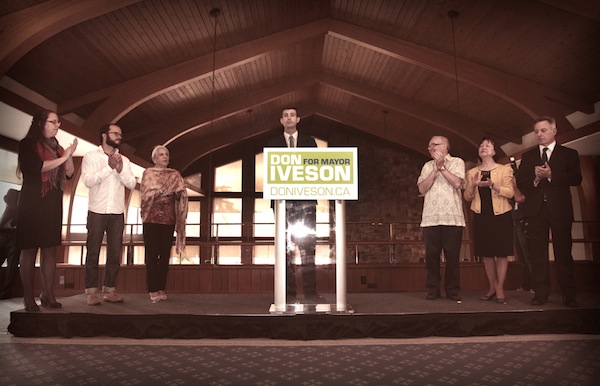
On June 18, with supporters by his side, Councillor Iveson took to the podium at Edmonton’s Petroleum Club to announce his entry into the mayoral contest. The venue was an odd choice for the articulate and nerdy policy wonk known for his smart growth politics and love of bicycles. Perhaps to ease the worries of some voters who may feel uncomfortable with this younger and more progressive candidate, Councillor Iveson sent a message that while we need to look at new ways of developing our city, the industries and business that drive our economy are essential.

While praising the work of retiring Mayor Mandel, Councillor Iveson has not been shy to provide examples of where Edmonton city council could have done better over the past six years – including doing a better job of convincing the provincial and federal governments to share the cost of the downtown arena project.

The vibe of the youthful crowd at the Petroleum Club was different than the other candidate’s events. There was an unmistakable mood of optimism among those attending Councillor Iveson’s announcement, many who looked like they would be ready to start knocking on doors for the candidate that afternoon. In many ways, this diverse group of young Edmontonians – entrepreneurs, lawyers, university students, and public servants – represent the new face of our city.

Edmontonians now have three contenders who realistically stand a chance of winning the October 21 mayoral election. It is going to be an exciting four months!

(Note: I have known Don Iveson for many years and volunteered on his successful City Council campaigns in the 2007 and 2010 elections and will be volunteering on his campaign in this election)

Categories
Alberta Politics

Scott McKeen, Bev Esslinger enter open city council races

With three of Edmonton’s City Councillors in the mayoral election and two councillors retiring, there are now five open Wards in this year’s municipal election. With five out of twelve city councillors not running for re-election, the open races are attracting a handful of eager candidates.

Scott McKeen Edmonton Ward 6
Scott McKeen

As first reported on this blog, former Edmonton Journal columnist Scott McKeen is seeking election in the downtown Ward 6. Mr. McKeen announced his candidacy to a crowd of supporters at the Westmount Community League hall this afternoon. Also recently announced their candidacies in Ward 6 are Kyle Brown and past-candidate Bryan Kapitza.

Twitter diva Kathleen Smith is rumoured to be preparing to launch her candidacy in southwest Edmonton’s Ward 5. Known on Twitter as @kikkiplanet, the feisty Mrs. Smith has developed a loyal following online. Can she translate her social media capital into a real world campaign?

With three-term City Councillor Kim Krushell not seeking re-election, two candidates have stepped up in Ward 2. Past candidate Shelley Tupper and former trustee Bev Esslinger announced their entries into the Ward 2 City Council race this week. Ms. Esslinger served on the public school board, representing north Edmonton’s Ward A from 2004 until 2010. In 2012, she was the Progressive Conservative candidate in the provincial constituency of Edmonton-Calder, where she placed second to New Democrat David Eggen.

Past candidate Don Koziak is rumoured to be interested in running in Ward 2. In 2010, Mr. Koziak earned a close second place finish behind Councillor Krushell.

Click here for the latest list of Edmonton municipal election candidates

Categories
Alberta Politics

Twenty years since Alberta’s epic 1993 election.

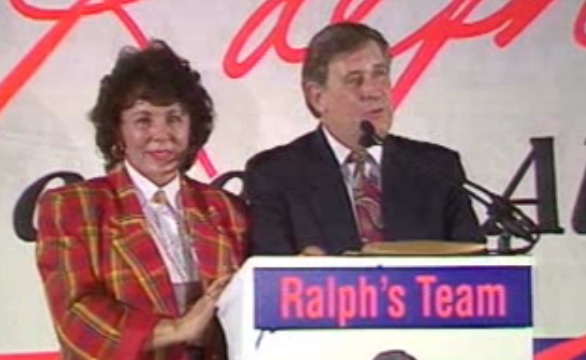
Colleen and Ralph Klein (screenshot from CBC news archive)

Today marks the 20th anniversary of Alberta’s 1993 election, known in Tory political circles as “the miracle on the Prairies” and to others as the election that interrupted the 1993 Stanley Cup Finals (in which the Montreal Canadiens defeated the Wayne Gretzky-led Los Angeles Kings). This election was Alberta’s most competitive in decades and saw the 22 year governing Progressive Conservatives led by former Calgary Mayor Ralph Klein face-off against the reenergized Liberals led by former Edmonton Mayor Laurence Decore.

The Tories emerged as the victors of the closely fought election, successfully distancing themselves from the unpopular former Premier Don Getty, who Premier Klein had only replaced the year before the election. Significant retirements of long-time Tory MLAs brought a new batch of candidates on “Ralph’s Team” to compete with an impressive and well-funded slate of Liberal candidates.

Hoping to ride the wave of electoral discontent that the Reform Party would ride in the federal election later that year, the Liberals challenged the Tories on many traditional conservative issues and attracted some social conservative candidates who might not find a natural home in the Liberal Party. A few of these successful social conservative Liberal candidates, including Edmonton’s Julius Yankowsky, would later cross the floor to the Tories.

With both the PCs and Liberals campaigning on fiscal conservative platforms geared toward eliminating budget deficits and paying down debts, there may have been less policy difference between the two parties than could normally be expected.

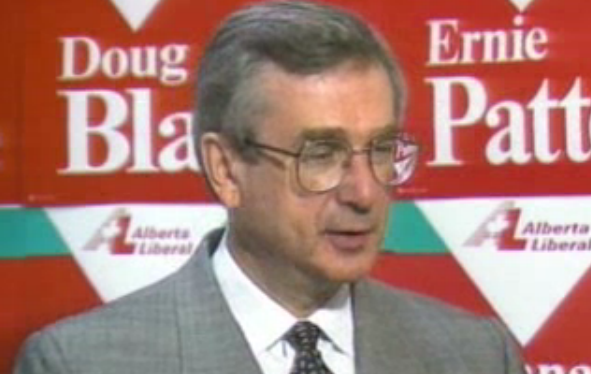
Laurence Decore (screenshot from CBC news archive)

Similar to last year’s provincial election, where a “Lake of Fire” helped cost Danielle Smith‘s Wildrose Party more than a few votes in  closely fought campaign, a controversial social issue played a defining role in the 1993 election. Political scientist Peter McCormick wrote in the Canadian Annual Review of Politics and Public Affairs, 1995, “…it was generally agreed the Liberal leader Laurence Decore’s causal raising of the abortion issue was one of the reasons his party lost the 1993 provincial election.”

On June 15, 1993, Premier Klein’s PC Party was re-elected with 51 seats out of 83 and 44% of the provincial vote. Premier Klein would lead his party through three more election victories before he retired in 2006. Winning every seat in Edmonton and a handful in rural Alberta, Calgary and Lethbridge, the Liberals elected 32 MLAs and earned 39% of the provincial vote.

A number of Tory stalwarts, including Bonnyville‘s Ernie Isley, Leduc‘s Donald Sparrow and St. Albert’s Dick Fowler were unseated by Liberal candidates. A Liberal candidate was even successful in capturing Calgary-West, the coveted constituency represented by Premier Peter Lougheed from 1967 to 1986. The Liberals have never again come this close to forming government in Alberta.

Ray Martin (screenshot from CBC news archive)

Led by Edmonton-Norwood MLA Ray Martin, the official opposition New Democrats lost the 16 seats they had won in the previous election. Electoral boundary redistribution, retiring incumbents, and the defection of Stony Plain NDP MLA Stan Woloshyn to the Tories did not help. With a rise of support for the Liberals in Edmonton and the Tory’s new popular leader Premier Klein, the NDP were abandoned by many of their traditional supporters in this election.

Watch this archived CBC news report on the 1993 election (points to anyone who can name the journalist narrating the CBC report).

Categories
Alberta Politics

Karen Leibovici launches Mandel 2013 campaign

Karen Leibovici Edmonton
Karen Leibovici

Councillor Karen Leibovici launched her campaign for mayor of Edmonton at a press conference this morning at the CKUA building in downtown Edmonton. The four-term city councillor kicked-off her campaign by delivering a speech that sounded as if it should have been delivered by outgoing Mayor Stephen Mandel, had he decided to seek re-election in this October’s election.

She echoed Mayor Mandel’s oft-heard comment that Edmontonians should not settle for “good-enough” and spent much of her speech praising his progress on infrastructure, transportation and arts issues over the past nine-years.

While Councillor Leibovici spoke about continuing along the current path laid by the mayor, she gave little explanation as to what she would do to build upon the ambitious past nine years. She did talk about the need to return to “bread and butter issues,” and was overly cautious not to criticize the outgoing mayor, vaguely responding that she only wanted to do better on some issues.

It is no surprise that Councillor Leibovici is trying to position herself as the heir to the current mayor. She is expected to have the backing of a swath of Edmonton’s political establishment, including the mayor’s former deputy chief of staff Catherine Keill, now an employee of Hill & Knowlton, and veteran Progressive Conservative Party campaign manager Hal Danchilla, who is rumoured to be a key strategist. Her campaign is also sending a message that it is well-financed, as demonstrated by the slick branding and glossy media kits handed out at her press conference.

Karen Leibovici GQ
Slick branding: The Three Leibovici’s.

She also used her remarks to target one of her competitors. “Edmonton needs a mayor with experience, one who doesn’t reduce significant issues to one-liners,” she told reporters, taking an obvious direct shot at Councillor Kerry Diotte.

Councillor Leibovici will be a formidable contender for the mayor’s chair, bringing with her 27 years of election campaign experience at the provincial and municipal levels.

After two unsuccessful runs as a Liberal Party candidate in the 1986 and 1989 provincial elections, Leibovici was first elected as the MLA for Edmonton-Meadowlark in the 1993 provincial election. She was re-elected as MLA in 1997 and in 1998 she placed third in the Liberal Party’s leadership contest, behind former Tory cabinet minister Nancy MacBeth and Lethbridge MLA Ken Nicol. She was elected to City Council less than a year after the Liberal Party’s rout in the 2001 provincial election, of which she was a surprising casualty. She was re-elected to City Council in 2004, 2007, and 2010.

Edmonton’s last mayor with any lengthy amount of prior elected experience was Jan Reimer, who served three-terms on City Council before being elected as mayor in 1989. Mayor Bill Smith had only run for elected office once before his win and Mayor Mandel served only one-term on Council before being elected as mayor in 2004.

More council candidates enter the fray

Past provincial Liberal Party candidate Arif Khan is expected to run in Councillor Leibovici’s soon-to-be-incumbentless Ward 5. The Edmonton-based consultant placed second to Tory Steven Young in Edmonton-Riverview in the 2012 vote.

Citizenship judge Sonia Bitar and former Edmonton City Councillor Mike Nickel announced their candidacies in southeast Edmonton’s Ward 11. Edmontonians may remember Mr. Nickel from his unsuccessful mayoral bids in 1998 and 2001, and his one-term on city council from 2004 to 2007. In 2007, Mr. Nickel was unseated by Don Iveson in southwest Edmonton’s sprawling former Ward 5.

Councillor Iveson is expected to enter the mayoral race before the end of the month.

See an updated list of declared election candidates here.

Categories
Alberta Politics

Firing AHS board a short-term solution to a Tory political problem.

Fred Horne Alberta Health Minister
Fred Horne

Yesterday I asked “who’s the boss” in the battle between Health Minister Fred Horne and Alberta Health Services board chairman Stephen Lockwood over executive bonuses. We found out the answer early yesterday morning when Minister Horne not only fired Mr. Lockwood, but he fired the entire AHS super board, replacing them with one administrator to oversee the entire agency.

There is little doubt that the Tories decision to fire the entire AHS board puts them on the side of public opinion. Whether the decision proves to be right in the long-term, there is little doubt the centralized super board was almost universally disliked by Albertans since it was created in 2008 and the firing of the board will likely be widely supported by many Albertans. This makes it difficult to believe that Minister Horne’s heavy handed decision was made in the spur of the moment. The skeptic in me says the Tories must have been paying attention to public opinion polling and knew that enough political points could be gained by firing their own appointed AHS board. They were looking for a win and they found it, at least in the short-term.

Short-term political wins aside, the Tories will continue to face the long-term problem which is their inability to stop themselves when it comes to imposing control over those they appoint to as administrators of the health care system.

The centralized AHS-model was imposed in 2008 when Health Minister Ron Liepert dissolved the nine remaining regional health authorities, as well as the Alberta Cancer Board, Alberta Mental Health Board and Alberta Alcohol and Drug Abuse Commission. The previous regional boards, which were stacked with card carrying Progressive Conservative Party appointees, had become a political problem for Tories.

Alberta Finance Minister Ron Liepert
Ron Liepert

The normally passive boards of handpicked government appointees had become restless following the selection of Ed Stelmach as Premier in the 2006 PC Party leadership contest. Or perhaps more accurately, they had become restless after the defeat of Jim Dinning, the choice of the Tory establishment.

As I have written before, it is widely suspected that the creation of the provincial health superboard was a reaction to the political brazenness of former Calgary Health Region CEO and Ralph Klein-loyalist Jack Davis. As the Calgary Health Region recorded a $85 million deficit, Mr. Davis went public to get more money from Premier Stelmach’s government before the 2008 election, which threatened to make it an campaign issue. After Premier Stelmach’s Tories were re-elected, the regional boards were dissolved and AHS was created.

But that was not the first time in recent history that the Tories have tinkered with the health authorities to solve a political problem. In 2003, Tory Health Minister Gary Mar ended the short-lived experiment of elected regional health boards by firing most of the members who had been elected in the 2001 vote. It was widely suspected that the Tories disliked the results of their health board elections, which saw Albertans elect more than a few Liberal and New Democratic Party supporters to the new positions.


Categories
Alberta Politics

Who’s the boss? Fred Horne and Stephen Lockwood spar over AHS performance pay.

“Regardless of how people feel about the decision of the AHS board, I don’t think anybody would want me or a colleague to interfere with the terms of their employment they’ve agreed to. It’s a decision for the AHS board.” – Health Minister Fred Horne on Alberta Health Services performance pay (Edmonton Journal, March 28, 2013)

Health Minister Fred Horne did exactly the opposite yesterday when he issued a statement calling on the Alberta Health Services Board to withhold performance pay for its executives. In response, AHS board chairman and trucking magnate Stephen Lockwood rebuked the minister’s statement and the appointed board voted to move forward with the performance payments at a meeting in Calgary.

Fred-Horne-Alberta
Fred Horne

This issue has become a political problem for Premier Alison Redford‘s government. Unlike the government’s relationship with school boards, Albertans do not seem to perceive a difference between AHS and the Government. This has left many Albertans confused as to why the health authority is eliminating frontline staff while senior executives collect bonuses.

When it comes to picking his battles, I am not sure that Mr. Lockwood could have picked a issue where he was more off-side with public opinion.

But will this burst of independence last? The political showdown could come to an abrupt end this morning, when the government is expected to hold a press conference in response to AHS’s decision to approve the payments. The Calgary Herald’s Don Braid writes that Mr. Lockwood’s time as board chair could end today.

Of course, this is not the first time the government has demonstrated its influence over the supposedly arms-length agency.

Stephen Lockwood Alberta Health Services
Stephen Lockwood

In 2010, then-Health Minister Gene Zwozdesky pressed the AHS board to fire CEO and President Stephen Duckett after his infamous “I’m eating a cookie” incident. Dr. Duckett’s departure helped deflect other criticisms the government was facing at the time over Emergency Room wait-times and the suspension of its former legislative assistant for health, Raj Sherman.

The chairman of the AHS board at the time of Dr. Duckett’s firing was Ken Hughes, who is now a Tory MLA and Minister of Energy.

Remind me again why some people perceive the government and AHS as being the same thing?

UPDATE: I guess we now know who the boss is. Minister Horne has fired the entire AHS board over the bonuses issue.

Categories
Alberta Politics

How Brent Rathgeber changed Edmonton’s political map and why the Tories might like it

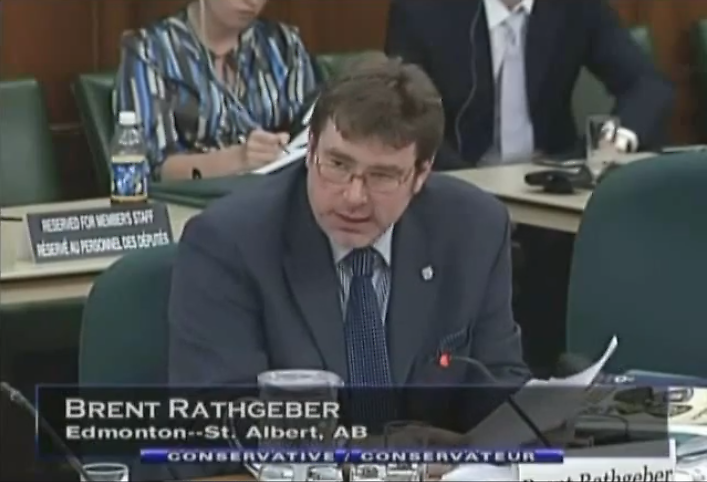
Brent Rathgeber Edmonton MP
Brent Rathgeber

Edmonton-St. Albert MP Brent Rathgeber unleashed a political storm last night when he announced on Twitter that he is leaving the Conservative Party of Canada caucus. Initially citing a “a lack of commitment to transparency and open government,” he expanded his criticisms to the control Prime Minister Stephen Harper‘s office exercises over backbench MPs as interfering with the ability to represent his representing his constituents.

“When you have a PMO that tightly scripts its backbenches like this one attempts to do, MPs don’t represent their constituents in Ottawa, they represent the government to their constituents,” Mr. Rathgeber told reporters at an afternoon press conference in Edmonton.

First elected to Parliament in 2008, Mr. Rathgeber has built a case for leaving the Tories by earning a reputation as being one of the only Conservative politicians in Ottawa to purposely deviate from the party discipline enforced by Prime Minister Harper. This is certainly embarrassing for Prime Minister Harper’s government, which has been scandal plagued for the past few months, but it is yet to be seen how damaging the departure will be for the Tory government in Ottawa.

His positions have not always been consistent with one ideology. For example, he is a Conservative who opposes the government’s anti-union legislation yet has introduced a private members bill that could undermine the independence of crown corporations like the Canadian Broadcasting Corporation (which was amended by Justice Minister Rob Nicholson). Perhaps he was just bored with being one of the only contrarians in the Ottawa Tory backbenches?

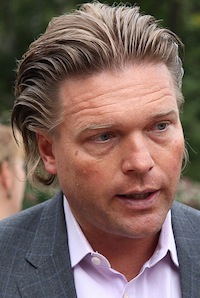
Thomas Lukaszuk
Thomas Lukaszuk

Starting his political career at the provincial level in 2001, Mr. Rathgeber became an unlikely politician when he stepped in as a last minute candidate after the already nominated PC candidate, Don Koziak, decided against challenging popular Liberal MLA Lance White (Mr. Rathgeber won the election). He served one term as the Progressive Conservative MLA for Edmonton-Calder until 2004, when he was defeated by New Democrat David Eggen. This means Mr. Rathgeber holds the dubious honour of being the only Alberta Conservative to have unseated an incumbent Liberal and been defeated by a New Democrat.

Rumours are already circulating that he could be eyeing a return to provincial politics, perhaps using his new-found fame to propel him as the Wildrose Party‘s challenger to Deputy Premier Thomas Lukaszuk in Edmonton-Castle Downs.

Before he makes his decision, Mr. Rathgeber could learn a lesson from former Edmonton Tory MLA Raj Sherman. Dr. Sherman was treated as a saint when he split with the provincial Tories to sit as an Independent, he fell from grace just as quickly as had risen when he decided to join the Liberal Party.

Rathgeber’s departure could help Tories

Unexpectedly, Mr. Rathgeber’s departure from the Tory caucus may have helped save his former party from an even more devastating political storm. With electoral boundary changes being imposed in the next federal election, local Tories were not looking forward to the prospect of some incumbent MPs having to challenge each other for riding nominations.

South Edmonton ridings
The Edmonton Shuffle

In south Edmonton, new boundaries have forced Tory MPs Mike Lake, James Rajotte, and Blaine Calkins to uncomfortably position themselves for the prospect of nomination fights in new ridings. Making the shuffle more complicated are rumours that north Edmonton MP Tim Uppal may seek a nomination in a south Edmonton riding, as his Edmonton-Sherwood Park riding is being dissolved. Add to this the rumours that Minister Rona Ambrose may opt to retire instead of seeking a fifth-term in the new Edmonton-West riding.

Peter Goldring
Peter Goldring

If the nomination contest tension reaches the point of fisticuffs, the Tories could offer one of these MPs an easy nomination race in the now non-Conservative Edmonton-St. Albert. This is similar to when Mr. Uppal was offered an easy nomination win in Edmonton-Sherwood Park after Mr. Lake him for the Edmonton-Mill Woods-Beaumont nomination in 2006 (Mr. Uppal was that riding’s Conservative candidate in 2000 and 2004).

Edmonton-East MP Peter Goldring said recently he would like to seek a Conservative (or even a Liberal) nomination in the next election. Mr. Goldring was welcomed back into the Conservative caucus today after he was suspended in 2011 for refusing to give a breath sample to police. Today he was found not guilty.

Mr. Goldring’s departure from the Conservative caucus a year and a half ago sparked interest among prospective Conservative nominees. Lawyer Michael Cooper, who is seeking the Conservative nomination in the new Edmonton-Griesbach riding, and PC MLA Janice Sarich, who is rumoured to be eyeing a federal candidacy, could see Mr. Rathgeber’s departure as an opening to run instead in Edmonton-St. Albert now that Mr. Goldring has been readmitted to the Tory caucus in Ottawa.

Categories
Alberta Politics

Disaster tourism hits Toronto Mayor Rob Ford’s office

Yesterday, I paid a visit to Toronto Mayor Rob Ford's office.
Yesterday, I paid a visit to Toronto Mayor Rob Ford’s office.

From the Toronto Sun’s Don Peat:

Alberta residents David Climenhaga and David Cournoyer stopped at the mayor’s office for pictures during a break in the conference they were in Toronto to attend.

Both men run political blogs back in Edmonton – Climenhaga’s is called albertadiary.ca and Cournoyer’s blog is called daveberta.ca.

“We’ve been following the story of your mayor with great interest,” Climenhaga said.

While Climenhaga said he’s not a fan of even “polite conservatives” , he admitted the visit to City Hall was a bit of “tourism” and (with a bit of prompting) even acknowledged it was a case of “disaster tourism.”

“You’re putting words in my mouth but yeah, I’d call this disaster tourism,” he said.

Cournoyer said visiting Ford’s office made sense while they were in town.

“We thought about going to the CN Tower but we thought the mayor’s office would probably be a more exciting visit considering everything that has been going on,” Cournoyer said.

Next stop on the disaster tourism tour: Senator Mike Duffy‘s summer cottage in Cavendish, PEI.

Categories
Alberta Politics

Pipelines before persons with developmental disabilities?

Alison Redford Christy Clark
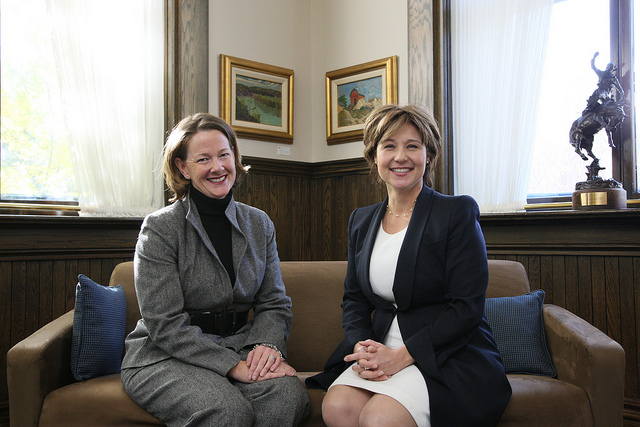
Alberta Premier Alison Redford and BC Premier Christy Clark in October, 2011. Photo: PremierofAlberta via Flickr.

Fresh from a surprise election win, British Columbia Premier Christy Clark‘s government formally announced its opposition this week to the Enbridge Northern Gateway Pipeline that would carry bitumen from Alberta to Kitimat. A controversial issue during the heated election campaign, BC Environment Minister Terry Lake told the media that evidence supporting the pipeline “simply is insufficient for us to think it should go forward.”

Perhaps sending a political message to her western counterpart, Alberta Premier Alison Redford is flying to New Brunswick this week, hoping to use Premier David Alward‘s idea of an eastbound pipeline to kickstart her still undefined National Energy Strategy.

Thomas Lukaszuk
Thomas Lukaszuk

Maintaining a presence on the national and international stage appear to be continuing priorities for Premier Redford. The Premier has recently travelled twice to Washington D.C. to advocate for the construction of the TransCanada Keystone XL Pipeline and numerous cabinet ministers have been scouting the globe in name of the PC Government’s new slogan – “Building Markets.” Deputy Premier Thomas Lukaszuk is currently travelling in Europe, and Finance Minister Doug Horner and Agriculture Minister Verlyn Olsen recently returned from trips to China and Kazakhstan.

There is certainly value in government leaders travelling internationally, but in Alberta’s case, the perception has become that the Premier is more comfortable travelling outside of Alberta than dealing with the day-to-day domestic issues in the province.

Frank Oberle MLA Peace River
Frank Oberle

For example, a week after the Premier re-announced plans to open five new international trade offices, hundreds of Albertans with developmental disabilities and their families rallied at the Legislature and outside Premier Redford’s Calgary-Elbow constituency office to protest deep cuts to service providers.

The minister responsible for explaining the cuts, Peace River‘s mild-mannered MLA Frank Oberle, has been tongue-tied and delivering confusing diversionary messages to Albertans.

While Minister Oberle correctly states that the entire budget of his department is increasing, he has yet to convincingly explain why $42 million is being cut from programs designed to help the province’s most vulnerable citizens become more employable.