An eleven week election campaign may seem like a long time but it will pass quickly. To be sure you are prepared to vote in the October 19, 2015 federal election, visit the Elections Canada website to make sure you are registered to vote and find out what federal electoral district you live in.
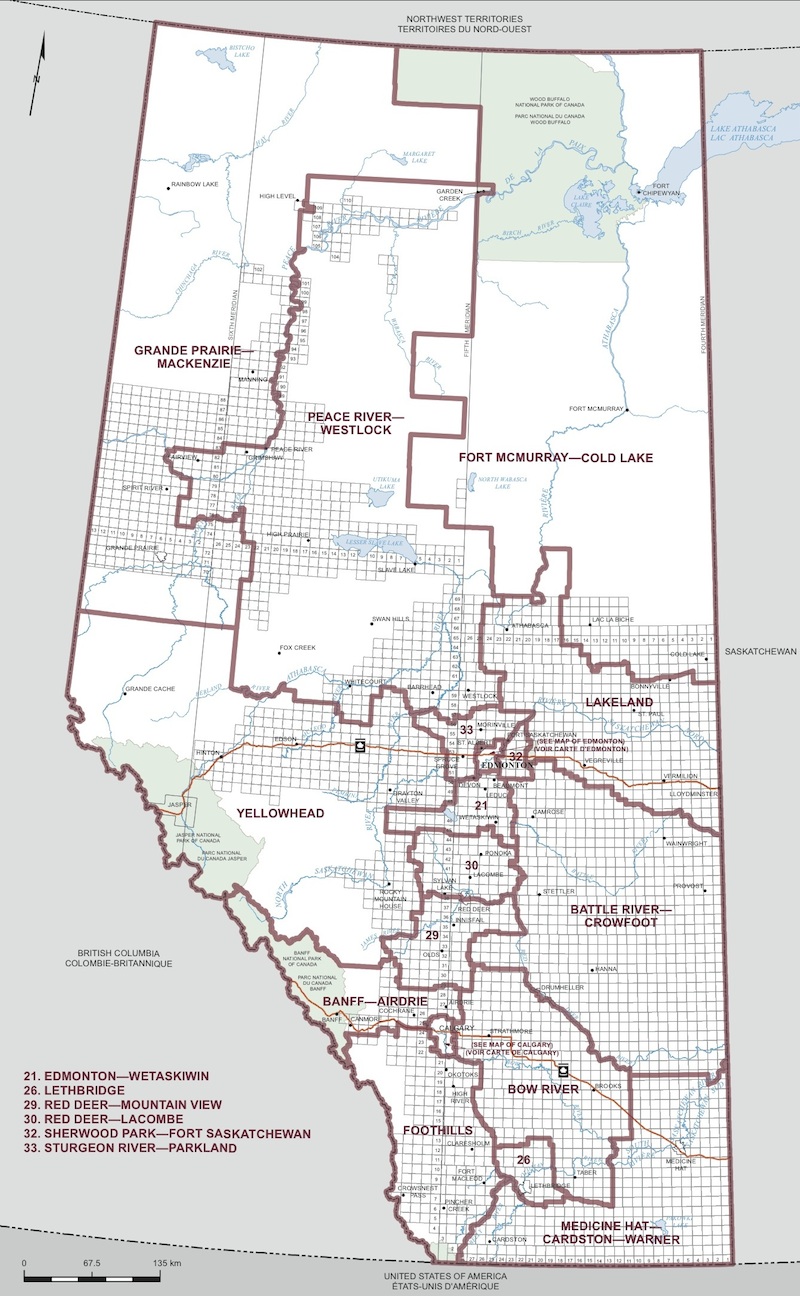
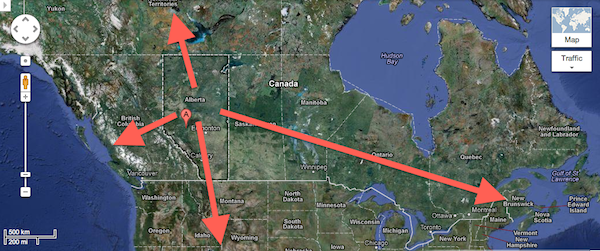
New riding boundaries in Alberta.
The federal electoral district boundaries have changed since the last election and six new ridings have been created in Alberta. There is a chance you may now live in a different electoral district than you did in the 2011 federal election.
How to vote
Voting stations will be open for twelve hours on October 19, 2015. Voters who have already registered should receive a voter identification card in the mail by October 1, 2015. This card will include the address of your voting station.
Elections Canada allows voters several ways to vote if they cannot cast their ballot in-person on October 19, 2015.
Advance voting will take place on October 9, 10, 11 and 12.
I am maintaining a list of federal candidates running in Alberta ridings and will continue to update the list as new candidates are nominated. According to Elections Canada, an full official list of federal candidates will be listed online on September 30, 2015.
Watch the debate
It appears that the only televised debate between party leaders during the 11-week election campaign will be held on August 6, 2015. The debate will be hosted by Maclean’s Magazine and broadcast on CityTV and the internet from 6:00 p.m. to 8:00 p.m. Alberta time.
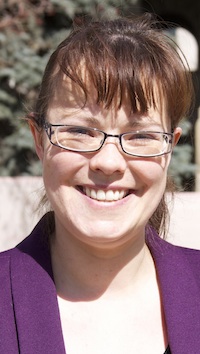
Haley Brown was acclaimed as the Liberal Party candidate in Calgary-Midnapore.
With reports that the Conservatives may call the next federal election as soon as next week, resulting in an potential eleven week election campaign, parties are still nominating candidates in Alberta. The Conservatives and Liberals are close to nominating a full-slate of candidates, with 33 and 25 candidates nominated in the province’s 34 ridings. The New Democratic Party is quickly choosing candidates after pausing nominations earlier this year to focus on the provincial election (which appears to have paid off for the NDP, as they won the provincial election).
Here is the latest list of federal nomination updates from Alberta:
– Haley Brown defeated Harbaksh Sekhon and Tanya MacPherson to become the Liberal candidate in Calgary-Midnapore.
– Teacher Bruce Kaufman has announced plans to seek the NDP nomination in the Calgary-Nose Hill riding. The nomination meeting is tentatively scheduled for August 25, 2015.
– Teacher and lawyer Kerry Cundal was acclaimed as the Liberal candidate in Calgary-Signal Hill. She is an adjudicator with the Immigration and Refugee Board of Canada. Mrs. Cundal replaces Katherine Kowalchuk, who withdrew as the Liberal candidate to focus on her legal business.
– Lucas Cleveland, Jasvir Deol and Colin Stubbs are seeking the NDP nomination in Edmonton-Mill Woods scheduled for August 26, 2015.
– Geoffrey Cappannounced plans to run for the far-right Christian Heritage Party in Lethbridge. Mr. Capp previously ran in this riding in the 2011 and 2008 elections. He was the Christian Heritage candidate in Yukon in the 1993, 1997, 2001 and 2004 federal elections.
– Erin Weir, a registered nurse, has been acclaimed as the NDP candidate in southern Alberta’s Medicine Hat-Cardston-Warner riding.
These updates have been added to the list of nominees and nomination candidates planning to run in Canada’s 2015 general election in Alberta. Please email david.cournoyer [at] gmail.com if there are additions to the list. Thank you.
Free money might sound too good to be true but if you have kids and apply before July 31, you can get a free $500 towards your child’s post-secondary education. This is available for all Alberta children under 6. After July 31 the Alberta Government is cancelling the Alberta Centennial Education Savings (ACES) grant. You can claim this $500 when you open a Registered Education Savings Plan (RESP) and watch it grow over time especially if parents contribute some of their own money as well.
RESPs and incentives to encourage parents to save are an important poverty reduction tool. Twenty-five percent of children raised in poverty will remain in poverty throughout their life. Education is one way to end this cycle. In addition, children with education savings, like an RESP, are up to six times more likely to complete high school and enroll in post-secondary education. As little as $3,000 saved can change the mindset of a low income child and make them see post-secondary education as an attainable, realistic goal. In a province like Alberta with an exceptionally high dropout rate anything that can be done to reduce this number and boost post-secondary enrollment is a good step.
What is more confusing about the government’s cancellation of this grant is that it hasn’t been properly cancelled. The current government contends that the program was cancelled by the previous Progressive Conservative government. However, as the ACES grant was introduced through legislation in 2005, in fact as the flagship Bill 1, it must be cancelled through legislation. Prior to the election call the PCs introduced a Bill to cancel the grant. It only ever received first reading. The new NDP government never reintroduced the Bill. During the recent election campaign the NDP, when asked about the ACES program, committed to keep it in place.
The new government will be ending eligibility to a legislated program without debating it in the Legislature and passing repealing legislation. If the program must be cancelled then why not do so in the fall after public and legislature debate? The $18 million annual price tag of the program is not so prohibitive that the government cannot push this deadline until proper debate and legislation can be had.
The program is being cancelled because of low uptake, especially among families living on low incomes, according to the government. However, the program was never meant only for low income families. Overall uptake of the program has more than doubled between 2008 and 2013 from 13.2% to 32.3%. According to the initial intent of the program it is successful. It creates the habit of saving money for a child’s education. Given the high cost of post-secondary education parents really do need to look at saving.
For now, those of you who are parents, go to your bank and open a RESP. Get this money before July 31. The government should extend the deadline until the proper steps for program cancellation have been fulfilled. Even then, ACES has a role to play in poverty reduction and should at least be available still for families on low incomes.
Mike Brown is Public Policy Coordinator at Momentum, a non-profit Community Economic Development organization in Calgary. His work includes research and writing on developing a poverty reduction strategy for Alberta and research into payday loans and predatory lending reform in Alberta.
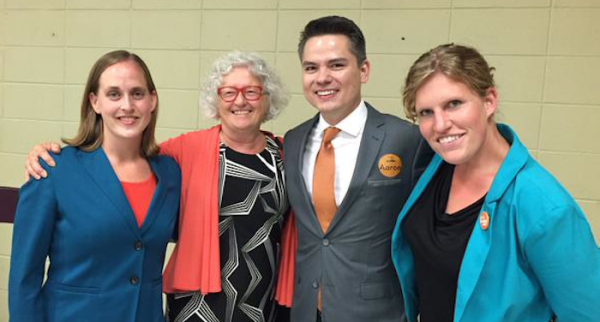
Nominated Edmonton NDP candidates Heather MacKenzie (Edmonton-West), Linda Duncan (Edmonton-Strathcona), Aaron Paquette (Edmonton-Manning) and Janis Irwin (Edmonton-Griesbach).
There are 84 days until the October 19, 2015 federal election. Here is the latest news from federal candidate nomination updates in ridings across Alberta.
Calgary-Confederation: Noel Keough has entered the NDP nomination contest. He will face Arti Modgill, Kirk Heuser and Marc Power. Dr. Keough is an assistant professor of urban design at the University of Calgary. Earlier this year Dr. Keough withdrew his name from the ballot as the Green Party candidate in Calgary-Klein to endorse provincial NDP candidate Craig Coolahan. Mr. Coolahan defeated Progressive Conservative MLA Kyle Fawcett by 40.2% to 26.6%.
Calgary-Heritage: Artist and country music singer Matt Masters Burgener is seeking the NDP nomination to run against Prime Minister Stephen Harper in southwest Calgary. Mr. Burgener is the son of former PC MLA Jocelyn Burgener, who represented Calgary-Currie from 1993 to 2001.
Calgary-Midnapore: Three candidates will contest the Liberal Party nomination scheduled for July 28. Candidates include Haley Brown, Harbaksh Sekhon and Tanya MacPherson. Mr. Sekhon was the Liberal candidate in Calgary-Hawkwood in the recent provincial election.
Edmonton-Mannng: Artist Aaron Paquette defeated community activist Jeanne Lehman, and University of Alberta english instructor Glenda Baker to win the NDP nomination.
Edmonton-Riverbend: Registered Nurse Ruth Alexander,Meheret Worku and University of Alberta Engineering Professor Brian Fleck is seeking the NDP nomination. Dr. Fleck was the provincial NDP candidate in Edmonton-Whitemud in 2004. Edmonton realtor Sandy Pon has entered the Conservative Party nomination contest triggered by the retirement of Member of Parliament James Rajotte. Also contesting the nomination are former PC MLA Matt Jeneroux and past Wildrose candidate Ian Crawford.
Edmonton-Strathcona: Donovan Eckstrom announced through a YouTube video that he will run for the Rhinoceros Party. In 2011, he was the Rhino Party candidate in the Peace River riding, where he earned 0.72% of the vote.
Edmonton-West: Former Edmonton Public School Trustee Heather MacKenzie defeated hotel manager Jim Hill to win the NDP nomination. Ms. Mackenzie represented west Edmonton’s Ward E on the public school board from 2010 to 2013. She has been endorsed by Catholic School Trustee Patricia Grell, former public trustee Dave Colburn and current public trustee and former NDP MLA Ray Martin.
Lakeland: Duane Zaraska has been nominated as the NDP candidate in this northeast Alberta rural riding. Mr. Zaraska is Vice-President of Region 2 of the Metis Nation of Alberta.
Red Deer-Lacombe: Registered Nurse Doug Hart is expected to enter the NDP nomination contest. As the NDP candidate in Lacombe-Ponoka in provincial election, Mr. Hart finished with 30.1% behind Wildrose candidate Ron Orr with 35.7%. Mr. Hart will face former provincial NDP candidate Katherine Swampy for the nomination.
Red Deer-Mountain View: Lawyer Gary Wanless is seeking the NDP nomination. Mr. Wanless was the lawyer for Red Deer lawyer Robert Goddard, who, in 1999, filed a defamation lawsuit against former MLA and federal party leader Stockwell Day for comments he made in a letter to a local newspaper. Mr. Wanless has withdrawn his name from the NDP nomination contest. Public School Trustee Dianne McCauley is seeking the NDP nomination.
St. Albert-Edmonton: Aretha Greatrix is challenging Darlene Malayko for the NDP nomination. Ms. Greatrix is the Chair of the Wicihitowin Circle of Shared Responsibility and Stewardship and a member of a working group of Mayor Don Iveson’s Poverty Elimination Task Force.
I have added these updates to the list of nominees and nomination candidates planning to run in Canada’s 2015 general election in Alberta. Please email david.cournoyer [at] gmail.com if there are additions to the list. Thank you.
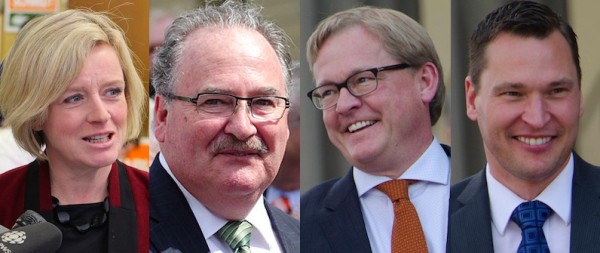
The four members of the NDP opposition who are now leading the Alberta government. Premier Rachel Notley, Infrastructure Minister Brian Mason, Education Minister David Eggen and Municipal Affairs Minister Deron Bilous.
“The Tories have bet $2 billion taxpayer dollars and our oil and gas industry’s sustainability on CCS. There’s no scientific consensus that the technology is safe in the long term. Any report of a failed CCS project should have the Tories thinking twice about their lopsided reliance on CCS.” – Rachel Notley, NDP MLA Edmonton-Strathcona (January 11, 2011)
“Ed Stelmach has no trouble handing out billions of real tax dollars for carbon-capture to his friends in the oil and gas sector. But when it comes to a plan that could create jobs and improve our environment, the money’s just not there.” Brian Mason, NDP MLA Edmonton-Highlands-Norwood (June 22, 2010)
I want to remind the House that this government has chosen to spend $1.3 billion on an unproven, unfounded technology, carbon capture and storage, and on other priorities of theirs. There’s money for them. Yet when it comes to supporting Alberta families and Alberta’s hardest workers, this government couldn’t be bothered to support or to find the money. – Deron Bilous, MLA Edmonton-Beverly-Clareview (December 3, 2013)
This whole idea of investing, giving industry so much money for carbon capture and storage – right? – is an absolute waste of money. We know full well that this is just another way for enhanced oil recovery. It’s another way for large energy corporations to receive public funding, and there’s very little evidence that this very expensive public investment will pay any significant returns either to our environment or to the original plant to which it was intended. – David Eggen, MLA Edmonton-Calder (April 17, 2014).
In opposition, NDP MLAs were harshly critical of the governing Progressive Conservatives investments in the private energy projects (see the quotes listed above).
During the recent election, the NDP platform pledged to end the carbon capture contracts during the recent election campaign, proposing to reinvest hundreds of millions of dollars into public transit programs.
We will end the PCs’ costly and ineffective Carbon Capture and Storage experiment and reinvest the 2015/16 component of this project into construction of public transit, which will help reduce families’ transportation costs and reduce greenhouse gases and other air pollutants. – NDP 2015 election platform, page 18.
Originally marketed as part of the provincial government’s 2008 climate change plan, the Auditor General reported in July 2014 that “the total emissions reductions are expected to be less than 10% of what was originally anticipated.” The technology is unproven and unlikely to actually reduce carbon emissions in Alberta.
Ms. McCuaig-Boyd said in a statement that no further funding for carbon capture and storage is planned beyond the existing projects, but regardless of future plans, the NDP needs to better communicate why it is not fulfilling their promise to cancel the contracts.
If the financial penalties are too steep or investments already made are too large to justify cancelling the contracts, then Ms. McCuaig-Boyd should explain to Albertans how large these penalties would be or what the cost of withdrawing from the projects would be.
If the old Progressive Conservative government negotiated contracts for carbon capture and storage projects that were not in the best interest of Albertans, then the new government should say so.
Ghosts of the Progressive Conservative Party's 44-year long reign continue to haunt Alberta politics.
After forty-four years of Progressive Conservative government in Alberta, it still feels surreal to believe that another party has been elected into government. Two and a half months after the NDP victory, Premier Rachel Notley is putting her stamp on Alberta politics. But Alberta’s new government is left to deal with some of the more unhelpful legacies created by the previous government. Here is a look at a few of the Progressive Conservative scandals that continue to haunt Alberta politics.
Funeral Homes
CBC reports that it has obtained documents showing how the Alberta Funeral Service Association pressured former minister Jonathan Denisand the Department of Justice to reopen a contract and abandon earlier efforts to control spending. CBC reports the contract was reopened and revised against the advice of a government lawyer and chief medical examiner Dr. Anny Sauvageau.
Wildrose MLA Derek Fildebrandt, who chairs the Standing Committee on Public Accounts, has said he hopes to compel former PC cabinet ministers, including Diana McQueen, to appear at a committee meeting. Critics have criticized the 1983 contract as a “sweetheart deal.”
Airplane sale
The rushed sale of the government’s fleet of airplanes led to a $5 million loss for Albertans. This contradicts claims by former PC premier Jim Prentice that the sale of the planes netted $6.1 million for the government. The planes were sold after Ms. Redford and PC MLAs faced harsh criticism for alleged misuse of the government air fleet for personal and partisan activities.
Public Sector Pensions
Alberta public sector pension liabilities dropped by more than $400 million last year, suggesting evidence that changes planned to the funds by former premier Alison Redford and finance minister Doug Horner were not necessary. The attacks on public sector pensions alienated thousands of public sector workers in Alberta, many who voted for Ms. Redford’s PC Party in the 2012 election. The PC government’s planned changes to the pension plan were scrapped after Ms. Redford resigned as premier in early 2014.
Cowboy welfare
The auditor general reported that the government has been forgoing an estimated $25 million in annual revenue by not limiting surface rights compensation paid by the energy companies to holders of provincial grazing leases. The report states the province does not track which leases have oil and gas activity on them or how much was paid to the leaseholders for access to the natural resources.
“Current legislation allows an unquantified amount of personal financial benefit to some leaseholders over and above the benefits of grazing livestock on public land,” the report says.
The government’s large investments in carbon capture and storage development has not paid off, according to a July 2014 report from the auditor general. Marketed as a key piece of the PC government’s climate change plan, the auditor general reported that “with only two carbon capture and storage projects planned, the total emissions reductions are expected to be less than 10% of what was originally anticipated.”
The NDP pledged to end the carbon capture contracts and instead reinvest hundreds of millions of dollars into public transit programs, but high cost of cancelling binding contracts with private sector corporations developing the projects could solidify this PC legacy.
Heritage Fund
When premier Peter Lougheed created the Heritage Savings Trust Fund in 1976, the government dedicated 30% of annual revenues into the rainy day fund “to save for the future, to strengthen or diversify the economy, and to improve the quality of life of Albertans.” The PC government halted non-renewable resource transfers to the fund in 1987, when it was worth $12.7 billion. Investments into the fund were only started again in 2004.
Despite Alberta’s immense natural wealth, the fund is now only worth an estimated $17.4 billion.
Preparation for the 2015 federal election continues as parties nominate their candidates in Alberta’s 34 ridings. The Conservatives and Liberals have most of their candidates in place, with the New Democratic Party now holding a flurry of nomination meetings across the province.
Here are the latest candidate nominations in Alberta:
Calgary-Confederation: University of Calgary PhD Arti Modgill, consultant Marc Power, and former journalist Kirk Heuser are seeking the NDP nomination. Mr. Power has received the endorsements of Calgary-Currie MLA Brian Malkinson and Calgary-Hawkwood MLA Michael Connolly.
Calgary-Forest Lawn: Myra D’Souza and Abdou Souraya is seeking the NDP nomination. Mr. Souraya is the Executive Assistant to the Director of Calgary Transit.
Calgary-Rocky Ridge: Policy analyst Stephanie Kot is seeking the NDP nomination.
Calgary-Skyview: Mohammad Tayyab is seeking the NDP nomination.
Calgary-Signal Hill: Lawyer Katherine Kowalchuk has withdrawn as the Liberal candidate in this west Calgary riding to focus on her legal business.
Edmonton-Centre: Athabasca University professor Mark Crawford has entered the NDP nomination contest. He will face community activist Reakash Walters and labour federation president Gil McGowan at a August 23, 2015 nomination meeting.
Edmonton-Griesbach: University of Alberta instructor Brian Gold has replaced Daniol Coles as the Liberal candidate. NDP candidate Janis Irwin launched her campaign this month in the company of many supporters, including local NDP MLAs Sarah Hoffman, David Eggen, Deron Bilous, Chris Nielson and Heather Sweet.
Edmonton-Riverbend: Two-time Wildrose Party candidate Ian Crawford is challenging former Progressive Conservative MLA Matt Jeneroux for the Conservative Party nomination. Mr. Crawford ran in Edmonton-Whitemud in 2012 and Edmonton-Riverbend in 2015.
Edmonton-Wetaskiwin: Nadine Bailey and Fritz Kathryn Bitz are seeking the NDP nomination scheduled for August 17, 2015 in Leduc. Ms. Bailey was the NDP candidate in Edmonton-Mill Woods-Beaumont in the 2011 federal election and Edmonton-Centre in the 2012 provincial election.
Medicine Hat-Cardston-Warner: Fort Macleod nurse Erin Weir is seeking the NDP nomination.
Red Deer-Mountain View: Red Deer public school board trustee Dianne Macaulay is seeking the NDP nomination. Ms. Macaulay was first elected as a trustee in 2004.
St. Albert-Edmonton: Transit Operator Darlene Malayko is seeking the NDP nomination.
This week’s Council of the Federation meeting in St. John’s, Newfoundland marked Alberta Premier Rachel Notley’s first appearance on the national stage since the NDP won a stunning victory in the May 5, 2015 provincial election. The new premier used the meeting to strike a more collaborative tone than her Conservative predecessors, who sometimes appeared more interested in chest-thumping than negotiating with their counterparts from other provinces.
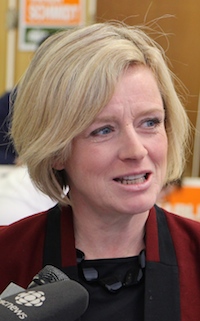
Rachel Notley
Taking a different approach raised the ire of one of Ms. Notley’s staunchest conservative critics, Saskatchewan Premier Brad Wall. Mr. Wall lashed out against Ms. Notley for her willingness to negotiate with Quebec Premier Philippe Couillard over the TransCanada corporation’s Energy East pipeline.
Three weeks ago, Mr. Couillard told reporters that he saw little economic value for his province from the Energy East pipeline. He was not alone in this opinion. Two-thirds of Quebecois are opposed to that pipeline, according to one poll released in late 2014. This opposition is likely the reason why Mr. Couillard laid out some potential conditions related to climate change and environmental issues in exchange for his support of the pipeline going through his province.
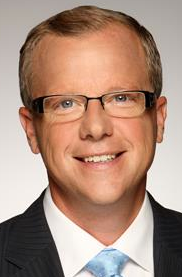
Brad Wall
Mr. Couillard may have opposed the pipeline without a compromise and may still oppose it, but Ms. Notley has succeeded in keeping the dialogue open.
Like every other premier sitting around the table at this week’s meeting, Ms. Notley, Mr. Couillard and Mr. Wall have their own political agendas in mind.
While conservatives have fallen over themselves praising Mr. Wall as a voice for Canada’s oil industry, we should not believe for a moment that he has Alberta’s best interests in mind. In the days after Albertans elected Ms. Notley’s government on May 5, Mr. Wall and his ministers were inviting the oil industry to abandon Alberta and move east to Saskatchewan.
If you believe Mr. Wall that compromise on national issues is not acceptable, remember that he has asked the rest of Canada for concessions in the past, most recently when Saskatchewan agreed to sign on to the National Securities Regulator in 2014.
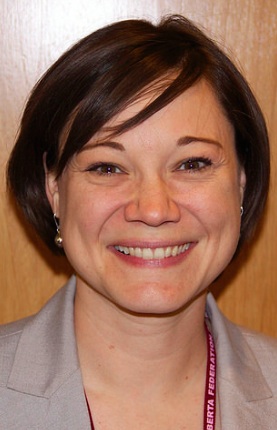
Shannon Phillips
The premiers signed on to a Canadian Energy Strategy, which could be an important first step in national cooperation but does not approve pipelines or targets to reduce carbon emissions. As long as Prime Minister Stephen Harper and the federal Conservative government refuse to participate in these meetings, there is only so much that can be achieved.
What is clear is that previous strategies used by Alberta premiers to promote expansion of pipelines from Alberta’s oilsands has fallen flat. And with this week’s major oil pipeline leak in northern Alberta, critics and opponents of pipeline expansion to change their minds without assurances of stricter environmental regulations.
Compromise and negotiation should be part of politics in any democratic country. On any controversial projects, like cross-Canada pipeline expansion, it should be expected that local political realities in provinces and First Nations will slow, or block, attempts to force through industrial projects.
Alberta’s poor environmental record has helped fuel opposition to the oilsands and the proposed pipelines that would carry our natural resources to ports in all directions. Our province’s status as a national laggard on environmental issues is a big reason Ms. Notley and Environment Minister Shannon Phillips announced last month that University of Alberta economist Andrew Leach would lead a panel to recommend a new climate change plan for Alberta.
With a new government, Alberta has an opportunity to show our critics, through collaboration, negotiation and action, that strong leadership on economic and environmental issues are not mutually exclusive. That would be a refreshing change.
On June 22, 2015, Alberta’s new NDP Government passed Bill 1: An Act to Renew Democracy in Alberta, imposing a retroactive ban on corporate and union donations to provincial political parties starting on June 15.
Don Iveson
Since that law passed, pressure has been building for the provincial government to extend that ban to municipal elections. The level of spending by some candidates in the last municipal election was described as “insane” by Calgary Mayor Naheed Nenshi, after some Calgary city council candidates raised more than $270,000 largely through corporate donations.
During the debate about the provincial law, Edmonton Mayor Don Iveson called for the ban to be extended to municipal elections. Last week, Edmonton City Council voted in favour of a motion introduced by Councillor Andrew Knack to ask the provincial government to ban corporate and union donations in municipal elections.
Edmonton Public School Board trustees endorsed a similar motion introduced by trustee Michael Janz on June 23, 2015.
While the committee is not specifically reviewing the Local Authorities Elections Act, the law that governs municipal elections, the MLAs on that committee should be encouraged to ask Municipal Affairs Minister Deron Bilous to extend the changes municipal elections before the 2017 municipal elections.
Christina Gray
Any move to ban on corporate and union donations in municipal elections must also include resources to enforce the law, which has been lacking under the current legislation. Some municipalities have even refused to enforce the existing legislation.
Here is the motion approved by Edmonton City Council:
That the Mayor write a letter and/or advocate to the Minister of Municipal Affairs and Premier:
1. Requesting that the city be given be the ability to independently establish campaign finance and disclosure rules in advance of the 2017 Municipal Election, either via the City Charter or other means.
2. Notwithstanding desiring the autonomy for municipalities to set the other campaign finance and disclosure rules, Edmonton calls for amendments to the Local Authorities Elections Act to eliminate corporate and union donations for all local election candidates.
3. Requesting that should the legislature move to limit corporate and union contributions for all local elections, that the province level the playing field by introducing tax credit eligibility for local election donations.
4. That restrictions on contributions and related disclosure requirements be the same for third party advocacy groups/individuals as they are for municipal candidates.
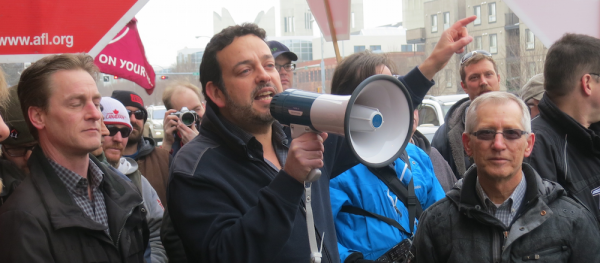
Mr. McGowan was first elected President of the AFL in 2005 and previously worked as journalist with the Canadian Press and Edmonton Journal.
This is not Mr. McGowan’s first time seeking an NDP nomination in Alberta. In 1996, he challenged Raj Pannu for the provincial NDP nomination in Edmonton-Strathcona and in 2000 he sought the nomination in Edmonton-Mill Creek.
He will face at least one other candidate in the nomination race. Reakash Walters, an activist and Alberta NDP Government Caucus staffer, has been campaigning for the nomination since 2014. The NDP nomination meeting in Edmonton-Centre has been scheduled for August 23, 2015.
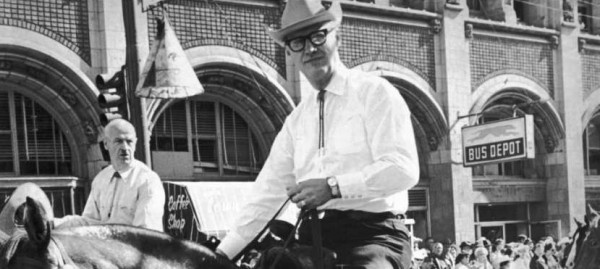
Before the last major political change in Alberta: Harry Strom, the last Social Credit Premier of Alberta, rides in the Calgary Stampede Parade alongside Lieutenant Governor Grant MacEwan.
Billed as the Greatest Outdoor Show on Earth, the Calgary Stampede is a must-stop destination for political leaders of all stripes and all levels of government. The event also provides a good historical marker of how quickly the political winds of change can sweep through Alberta.
Now to this year’s Stampede, Rachel Notley is Premier of Alberta and there are 53 NDP MLAs in the Alberta Legislative Assembly (including 15 from the Calgary area), a former Member of Parliament named Brian Jean leads the Wildrose Official Opposition, former Calgary alderman Ric McIver leads a 9-MLA PC Caucus, Alberta Party leader Greg Clark is an MLA, and Mr. Prentice has disappeared from the political landscape.
Stephen Harper
The changes that took place between the two Stampedes are an important reminder about how quickly political change can happen, even in a province that is known for turning political parties into governing dynasties.
With the October 19 federal election less than four months away, it is also an important reminder to Conservative Prime Minister Stephen Harper that even voters in the Canadian conservative movement’s spiritual homeland cannot be taken for granted. That thought must have crossed Mr. Harper’s mind as he met with Ms. Notley for the first time this week in Calgary.
The provincial election win has boosted the NDP’s credibility and organizational strength, especially in Edmonton, but it is not clear how this will translate in the federal election. Ms. Notley’s win has created opportunity for the federal NDP in Alberta, especially for candidates like Janis Irwin in Edmonton-Griesbach and Linda Duncan in Edmonton-Strathcona. As Tom Mulcair‘s federal NDP focus their resources in Quebec, Ontario and British Columbia, it is to their advantage to put the Conservatives on the defensive in Alberta, a situation that has not happened very often.
Kent Hehr
Meanwhile, Liberal leader Justin Trudeau has reason to be optimistic after his party’s candidate’s came close to winning by-elections in Calgary-Centre in 2012 and Fort McMurray-Athabasca in 2014. The Liberals have also nominated a slate of high profile candidates that includes Kent Hehr in Calgary-Centre, Darshan Kang in Calgary-Skyview and Amarjeet Sohi in Edmonton-Mill Woods.
The Conservatives are still expected to hold most of Alberta’s ridings in the upcoming federal election but the NDP and Liberals could make gains in the major urban centres.
The truth is that federal Conservatives have always taken Alberta voters for granted, and they have had reason to. Albertans have not elected more than 2 non-conservative MPs in any federal election since 1993. The Conservatives even held all 28 of the province’s federal ridings between 2006 and 2008.
With a federal election fast approaching and and increasingly stale government approaching ten years in Ottawa, the Conservatives may need to spend more time campaigning in Alberta in the next few months, or else there could be a whole new cast of federal politicians wearing plaid shirts and cowboy boots at next year’s Calgary Stampede.
A map of the electoral district of Calgary-Foothills.
Voters in Calgary-Foothills will face their third election in less than a year when a by-election is called to replace Jim Prentice in the next few months. I’ve created a special page to track candidate nominations and news about the upcoming by-election. Here are the latest candidate updates:
New Democratic Party: Past candidate Anne Wilson and former MLA and city councillor Bob Hawkesworth, are seeking the NDP nomination. Ms. Wilson was the NDP candidate in the recent election and earned 32% of the vote. Mr. Hawkesworth represented Calgary-Mountain View from 1986 to 1993 and was elected as a city councillor for a ward south of the Foothills constituency. This will be the first electoral test faced by the new NDP government since Rachel Notley led them to victory on May 5. The nomination meeting has been scheduled for July 27, 2015.
Wildrose: Retired police officer Kathy Macdonald will seek the Wildrose nomination. Ms. Macdonald placed second with 30% in the 2014 by-election in this constituency.
Liberal: Ali Bin Zahid announced on Twitter that he would once again seek the Liberal Party nomination. He was that party’s candidate in the recent election and earned 7.2% of the vote.
I’m pleased to announce that I will once again be seeking the nomination for @ABLiberal in the #yycfoothills by-election.
I have not yet heard any rumours about who might seek the Progressive Conservative nomination. Voters in this constituency have elected PC MLAs since 1971 but following Mr. Prentice’s abrupt resignation in May 2015 they may not be sympathetic to the next PC candidate (who will now represent the third place party).
Update: Green Party leader Janet Keeping has confirmed she will stand as a candidate in the Calgary-Foothills by-election.
Matt Jeneroux, Aaron Paquette, Heather MacKenzie, and Katherine Kowalchuk.
With only 111 days left until Canada’s next federal election, parties are scrambling to nominate candidates in Alberta’s thirty-four new electoral ridings. Despite their win in the recent provincial election and a sharp rise in the polls, the federal NDP are still far behind in choosing candidates in Alberta, with only fourfive of thirty-four candidates nominated. The Conservatives recently lost one incumbent following the surprise announcement by MP James Rajotte that he would not seek re-election. The federal Liberals have nominated at least 23 candidates.
Calgary-Forest Lawn:Myra D’Souza is seeking the NDP nomination in this east Calgary riding. Ms. D’Souza was a candidate for the Calgary Catholic School Board elections in 2013 and is currently serving her third term as a member of Calgary’s Co-op.
Calgary Heritage: Dr. Brendan Miles has been nominated as the Liberal candidate in this southwest Calgary riding. The physician will challenge Conservative Party leader and Prime Minister Stephen Harper in the October 2015 election.
Calgary-Midnapore: Laura Weston has been nominated as the NDP candidate in this south Calgary constituency. Formerly nominated candidate Michael Connolly was elected as the MLA for Calgary-Hawkwood on May 5, 2015.
Calgary Nose Hill: The Liberals have nominated Ala Buzreba as their candidate. Ms. Buzreba currently studies at the University of Calgary and works with the City of Calgary’s Community and Neighbourhood Services.
Calgary Shepherd: Mechanical engineer Jerome James is the nominated Liberal candidate.
Calgary Signal Hill: The Liberals have nominated lawyer Katherine Kowalchuk to challenge former Progressive Conservative Finance Minister Ron Liepert in this west Calgary riding. She is the founder of Law Boutique and has served on the boards of the Association of Women Lawyers, Commercial Real Estate Women, and the Calgary Women’s Emergency Shelter.
Edmonton-Manning: Artist and advocate Aaron Paquette, community activist Jeanne Lehman, and University of Alberta english instructorGlenda Baker are seeking the NDP nomination in this newly redrawn north east Edmonton riding. Mr. Paquette was one of the creators of the #Ottawapiskat hashtag, that satirized criticisms of the Idle No More protests.
Edmonton Riverbend: With the announcement last week by Mr. Rajotte that he would not seek re-election, former PC MLA Matt Jeneroux has announced plans to seek the Conservative nomination. Mr. Jeneroux was first elected in the 2012 provincial election and was unseated in May 2015 by NDP candidate Thomas Dang.
Edmonton-West: Former Edmonton Public School Board trustee Heather Mackenzie and hotelier Jim Hill are seeking the NDP nomination. The Liberals have nominated former city councillor and mayoral candidate Karen Leibovici as their candidate.
Lethbridge: Michael Pyne has been nominated as the Liberal candidate.
Sherwood Park – Fort Saskatchewan: JoanneCave and Adam Comartin are seeking the NDP nomination. Mr. Comartin is the son of retiring NDP MP Joe Comartin, who has represented a Windsor-area riding since 2000.
Sturgeon River-Parkland: Guy Desforges has announced plans to seek the NDP nomination in this new riding, which includes areas west and north of Edmonton.
Premier Rachel Notley (centre) and Infrastructure Minister Brian Mason (right) announce that former Bank of Canada Governor David Dodge (left) will advise the new government. (Photo Credit to premierofalberta on Flickr)
Banning corporate and union donations: Check. Restoring funding to health, education and human services: Check. Increasing corporate taxes: Check. Introducing a new climate change strategy: Coming soon. Phasing in a $15 per hour minimum wage: Coming soon. Reviewing Alberta’s natural resource royalty framework: Coming soon.
Progress is the order of business in Canada’s so-called Conservative heartland as Premier Rachel Notley’s newly elected Alberta NDP government begins implementing the main promises from their winning election platform. Leaders of the previous PC regime, Alison Redford and Jim Prentice, styled themselves as Progressive Conservatives, their actions rarely matched their words. The NDP proposed a fairly moderate progressive agenda and it is refreshing to see it take action so quickly after the election.
Marg McCuaig Boyd
Revenue and tax reform was a big issue before and during the recent election, with Mr. Prentice and the opposition argued over how best to remove Alberta from the oil revenue roller coaster. It remains clear that Alberta cannot continue to rely on revenues generated from oil and gas royalties to fund the provincial operating budget. Both the PCs and NDP proposed tax increases in the recent election, but Mr. Prentice’s refusal to increase corporate taxes, even symbolically, was a huge miscalculation.
While conservatives preach doom and gloom, our province still has corporate and personal tax rates lower than when Ralph Klein was premier, no provincial sales tax, and huge reserves of oil and gas. Alberta will now have the same corporate tax rate as Saskatchewan and Manitoba.
Apologizing for previous governments lack of action to stop residential schools and calling for a national inquiry into missing and murdered aboriginal women was absolutely the right step to take but action needs to follow. Justice and Aboriginal Affairs Minister Kathleen Ganley needs to show through government policy that this apology is more than just political posturing.
The government also announced it will soon take action to improve Alberta’s record of poor environmental management and lack of action of climate change, which has helped fuel international opposition to pipeline expansion and the oil sands. On climate change, the PCs lost the public relations battle years ago. Now the challenge will fall to Ms. Notley, Environment Minister Shannon Phillips and Energy Minister Marg McCuaig-Boyd to win the policy war on climate change.
Shannon Phillips
I do not have enough room in this post to even begun to discuss the challenges facing Health Minister Sarah Hoffman and Education Minister David Eggen(which will be included in a series of future posts).
As the new government moves forward with what in most other provinces would be considered a moderate progressive agenda, Canada’s conservative outrage industry is gearing up its attacks on the Alberta’s new government.
Ms. Notley and Infrastructure Minister Brian Mason moved quickly to quell criticism of their fiscal plan by announcing last week that former Bank of Canada Governor David Dodge will be advising the Premier on infrastructure investment issues. Hiring Mr. Dodge is a smart move and shows a willingness to bring in talent from outside traditional NDP circles.
Aside from the angry conservatives, the new government appears to still enjoy popular support from Albertans, who tossed out the scandal-ridden and tone deaf Tories on May 5. Recent polling shows Ms. Notley, still in her honeymoon period, enjoying the approval of 53% of Albertans, making her the second most popular premier in Canada next to Saskatchewan’s Brad Wall.
The NDP need to be careful not to cut short their honeymoon by making small mistakes. They have already faced criticism for hiring too many provincial outsiders and the media is poking around the perceived influence of Ms. Notley’s husband. These are minor issues that I am sure most Albertans will look past today but the small mistakes can pile up quickly if the new government is not careful.
If the NDP can continue to limit their missteps, focus on implementing their popular platform, and remember why Albertans endorsed Ms. Notley’s charismatic leadership, they will enjoy a warm welcome on the summer political barbecue and parade circuit.
The 604,515 Albertans who voted NDP should be pleased that the new government is following through with its promises to end corporate and union donations, increase corporate taxes from 10% to 12%, create a more progressive income tax system, and temporarily restore funding to health care, education and human services that was cut by the previous Progressive Conservative government.
The speech also signalled that the NDP will not rush haphazardly into a review of Alberta’s natural resource royalties, which was a key promise during the election. Despite the increasingly bizarre arguments being published in conservative newspapers, Ms. Notley is smart to take a careful and calm approach to ensuring that Albertans are receiving the best value for their natural resources.
One of the NDP’s largest challenges during this spring sitting of the Legislature falls upon Finance Minister Joe Ceci, who will be responsible for shepherding the Interim Supply Bill that will allow the government to continue operating until a new budget is introduced later in 2015.
Tories tone deaf on corporate donations
Ric McIver
From their new home in the opposition benches, the message from PC interim leader Ric McIver against banning corporate donations was incredibly tone deaf. Mr. McIver’s opposition to the ban is not ideological (the Wildrose Party supports the ban) but purely practical. The PC Party relies heavily upon corporate donors for the large majority of its donations, unlike the NDP and Wildrose parties which have cultivated a large individual donor base.
A report released by the Parkland Institute last week showed that the PC Party received more than $630,000 from corporate donors during the first three-months of 2015, compared to $151,000 in individual donations of $251 or over.
During the recent election, PC leader Jim Prentice faced harsh criticism for refusing to raise corporate tax in the provincial budget while personal income taxes and many fees were increased. Culminating with a disastrous press conference held by four CEOs supporting the PCs, the corporate taxes issue led many Albertans to believe that the PCs were protecting their major donors rather than the best interests of the province.
Canadian Energy Strategy
Shannon Phillips
Perhaps signalling that Alberta will once again seek an important role on the national stage, the throne speech alluded to plans to “forge a much stronger partnership with our fellow provinces and with the federal government, in order to build a Canadian Energy Strategy.”
Reaching out to opposition parties, setting a new tone
Marking a clear break from the previous PC government, Ms. Notley reached out to the opposition parties in the first day of the new legislative session, announcing the formation of two new multi-party committees.
Lesser Slave Lake NDP MLA Danielle Larivee, a Registered Nurse, and Calgary-Mountain View Liberal MLA David Swann, a physician, will co-chair a mental health review committee. And Ms. Notley announced that she and Wildrose leader Brian Jean will cooperate in the creation of a special legislative committee composed of nine government MLAs and eight opposition MLAs that will “review Alberta’s elections, whisteblower and conflict of interest legislation” (they should look at banning corporate and union donations in municipal elections as well).