Categories
Alberta Politics

Delaying Alberta Liberal leadership vote until 2017 might break the party’s bylaws


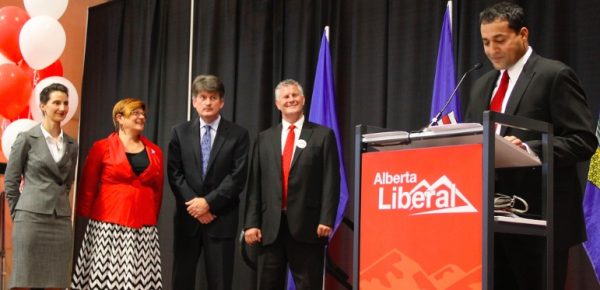
The Alberta Liberals have decided to postpone the selection of their next party leader until spring 2017. The party had originally scheduled to hold a leadership vote in April 2016.

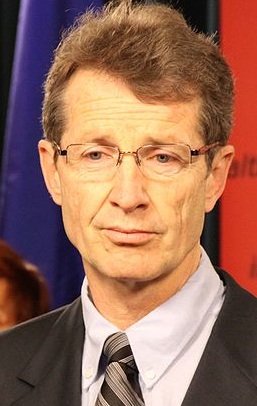
David Swann Liberal MLA Calgary-Mountain View
David Swann

The only current Liberal MLA, Calgary’s David Swann, has declined to seek the permanent job. Dr. Swann was first elected as MLA in 2004 and served as leader from 2008 to 2010 before taking over as interim leader after Raj Sherman’s resignation in January 2015.

There is question whether delaying the leadership violates the Alberta Liberal Party’s bylaws, which state:

5.4 In the event the Leadership becomes vacant for any cause the Board of Directors shall either, in its absolute discretion:

a) convene to call a Leadership Convention, or

b) convene to appoint an interim leader of the Party for a period of time not to exceed one (1) year during which period of interim leadership the Board of Directors shall call a Leadership Convention to be held prior to the conclusion of the term of interim leadership.

Liberal Party did amend their bylaws at a meeting held in late 2015 but the list of proposed amendments on their website are unclear whether this section was changed. If the section was not changed, the party would have already broken its bylaws if Dr. Swann’s interim leadership exceeded the one year period (which will take place on January 27, 2016).

It is also unclear if there are any consequences for violating the party’s bylaws.

Regardless of the bylaws, the party’s executive board is reported to have endorsed Dr. Swann’s continued role as interim leader until spring 2017.

Delaying the vote is probably a good idea for the Liberals, as it appears unlikely the party could attract many serious candidates to contest an April 2016 leadership race.

The Liberals formed the official opposition from 1993 until 2012, when a significant percentage of their supporters migrated to Alison Redford’s Progressive Conservatives and later to Rachel Notley’s New Democrats.

Despite recent Alberta breakthroughs in the October 19, 2015 federal election, the provincial party does not appear to have benefited from Justin Trudeau‘s popularity.

New voting system

The Liberals abandoned the ‘open membership system’ that was used to select Dr. Sherman in the 2011 leadership vote. Under the open system, any Albertan who provided the party with their name and contact information could vote for a leadership candidate without having to actually purchase a membership.

Although more than 27,000 members were eligible to vote in the 2011 leadership contest, only 8,640 actually participated in the vote.

Under the new system proposed at the party’s meeting in late 2015:

a. Each electoral district in the province of Alberta is allocated one point for each eligible vote cast, to a maximum as determined by the Board of Directors.

b. Should the number of eligible persons who cast ballots in the leadership vote in an electoral division exceed the number of points allocated, the points allocated to the electoral division are allocated to each leadership candidate on the basis of the 17 ratio the number of the votes received by that leadership candidate to the total number of votes counted.

c. Should the number of eligible persons who cast ballots in the leadership election not exceed the number of points allocated to the electoral division each vote for a leadership candidate shall be one point awarded to the leadership candidate.

d. The total number of points allocated to each leadership candidate from all electoral divisions in Alberta are added to produce a total for the “provincial count”

But changing the voting system and the date of the leadership race still does not solve the Liberal Party’s problem of attracting credible candidates.

I expect the Liberal Party executives are hoping that disillusion with the NDP government in one year could lead to a resurgence in party support, which, given the unexpected twists in Alberta politics over the past year, might be their best strategy.

One prominent former Liberal MLA who ran in the party’s 2011 leadership race appears unlikely to take up her party’s banner again. Laurie Blakeman, who represented Edmonton-Centre as a Liberal MLA from 1997 to 2015 posted her feelings about the Liberal Party officials on Twitter today.

Categories
Alberta Politics

Keystone XL is dead. New government means climate change back on the agenda.

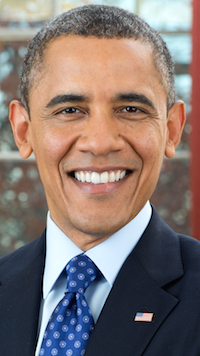
President Barack Obama

Having enjoyed the last week in the sunny Berkeley, California, it felt odd to turn on the car radio to hear the local disc jockeys discussing the tarsands and the merits of a pipeline that would pump unrefined bitumen from Canada to Texas. Being one of the most liberal areas in the U.S. – there were more than a few cars sporting “Bernie Sanders 2016″ bumper stickers – the discussion revolved around climate change and the environmental impact of the tarsands.

So, to the shock of no one who was paying attention, American President Barack Obama rejected the TransCanada corporation’s application for the cross-border permit needed to link the Keystone XL pipeline across the Canada-United States border.

It had become clear over the past few years that the project was unlikely to be approved by the American President. While counter-messages from the oil industry and environmental groups set the tone internationally, opposition to the pipeline by a handful of rural landowners in Nebraska is what ended up tying the pipeline project in the courts.

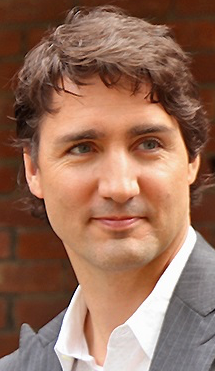
Justin Trudeau
Justin Trudeau

While the rejection of Keystone XL represents a victory for the projects opponents, it also represents a failure of Canadian foreign policy. For the past decade, the federal and provincial governments have been subsidizing TransCanada by spending significant amount of time and resources providing public funding for the pipeline through lobbying activities.

Elected officials like former Premier Alison Redford and her cabinet ministers were essentially publicly-funded lobbyists as they travelled to the U.S. dozens of times to advocate for Keystone XL and other oil industry projects. The decision by Jim Prentice to appoint well-connected Member of Parliament Rob Merrifield to the post of Alberta’s representative in Washington D.C. was supposed to give a boost to the government’s pipeline lobbying goals (he was later dismissed by Premier Rachel Notley). And the government led by Saskatchewan Premier Brad Wall was reported to have paid at least $3 million to lobbyists in Washington D.C.

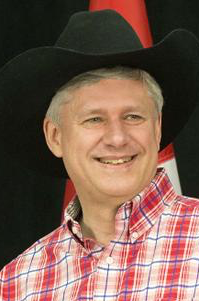
Stephen Harper Calgary Stampede
Stephen Harper

The Conservative government of Stephen Harper, which was rejected by Canadians on Oct. 19, had arguably been the most pro-oil industry administration we have seen in decades. But instead of trying to build a national consensus in favour of projects like Keystone XL, the Conservative government demonized opposition to the pipelines in Canada. Opponents of Bill C-51 claimed that new spy laws passed by the former Conservative government with support from the Liberals could target Canadian citizens who oppose the expansion of oil pipelines.

Prime Minister Justin Trudeau declared his support for TransCanada’s Keystone XL pipeline in a speech to the Calgary Petroleum Club in October 2013 while also criticizing the Conservative government’s approach to lobbying for the pipeline in Washington D.C. “They have poked and prodded, annoyed and irritated the Obama administration at every turn. Largely, I suspect, because they don’t know how to work with people who don’t share their ideology,” Mr. Trudeau told Calgary’s oil elite.

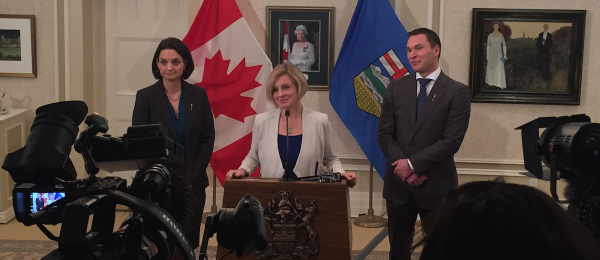
Premier Rachel Notley Calgary Stampede Alberta
Rachel Notley

While Mr. Trudeau has not publicly supported TransCanada’s other major pipeline project, the Energy East pipeline, new Natural Resources Minister Jim Carr faces a challenging task of managing the interprovincial politics of pipelines. An Energy East pipeline that would would pump oil from Alberta to port terminals in New Brunswick or Quebec, keeping jobs in Canada, was endorsed by Ms. Notley and New Brunswick Premier Brian Gallant last month.

The appointment of Ottawa MP Catherine McKenna as Minister of Environment and Climate Change, and former environment minister Stephane Dion as Minister of Foreign Affairs signals that the new federal government may not be as singularly focused on pipelines as the previous government. Mr. Dion is well versed in environmental policy after serving as environment minister from 2004 to 2006 and spearheading the Green Shift policy while leading the Liberal opposition in the 2008 election.

Catherine McKenna
Catherine McKenna

One of the new federal government’s first major tasks will be to bring its ideas to address climate change to COP21, the 2015 United Nations Climate Change Conference, being held Nov. 30 to Dec. 11 in Paris, France. Ms. McKenna will be advised by a strong Alberta voice in these matters, with former Pembina Institute executive director Marlo Reynolds, a Canmore, Alberta resident, as her chief of staff.

Ms. Notley and Alberta Environment Minister Shannon Phillips will also be attending the conference in Paris.

The Pembina Institute may have spotted one of the biggest changes that the rejection of TransCanada’s Keystone XL signifies for Canada’s new foreign relations and energy strategies. In a statement released yesterday, Alberta director Simon Dyer said the “decision by President Obama reiterates that climate change is a key consideration for all energy infrastructure projects going forward.”

Categories
Alberta Politics

Notley creates Economic Development ministry, appoints rural Municipal Affairs minister

Alberta’s provincial cabinet grew from twelve to thirteen today with the appointment of Lesser Slave Lake MLA Danielle Larivee to the posts of Minister of Municipal Affairs and Service Alberta.

Ms. Larivee takes over those roles from Deron Bilous. Mr. Bilous, one of the four NDP MLAs elected before this year’s orange chinook swept across Alberta, is now the Minister of Economic Development and Trade, a new department created from elements of the Ministry of Advanced Education and Innovation and International and Intergovernmental Affairs.

With Finance Minister Joe Ceci scheduled to table the provincial budget in the Legislative Assembly on Oct. 27, the creation of this new ministry is meant to send a message about the importance of job creation and economic diversification. It was announced today that the budget will also include an “economic development plan” that will help provide some direction for this initiative.

The provincial budget is expected to include significant investment in public infrastructure and job creation projects to compensate for the loss of jobs caused by the drop in the international price of oil.

Calgary No Longer the Centre of Alberta’s Political Universe

The appointment of a rural northern Alberta MLA to cabinet has already generated complaints from some Calgary-based pundits. Only four of thirteen cabinet ministers represent constituencies south of Edmonton, including Finance Minister Joe Ceci, Justice Minister Kathleen Ganley and Environment Minister Shannon Phillips.

Over the course of its 44 years in power, the old Progressive Conservative government was led by Calgarians for more than three decades – Premiers Peter Lougheed (1971 to 1985), Ralph Klein (1992 to 2006), Alison Redford (2011-2014) and Jim Prentice (2014-2015).

It is suspected that former Alderman Bob Hawkesworth would have been appointed to cabinet as Minister of Municipal Affairs if he had won a September by-election in the Calgary-Foothills riding. If this is true, Calgarians can rightfully ask why one of the other eleven NDP MLAs in Calgary wasn’t appointed to cabinet. But they would be mistaken to believe they are the only group the provincial government is trying to represent.

As an MLA representing a large rural constituency, Ms. Larivee’s appointment to the Municipal Affairs post is more likely a tip of the hat to the Alberta Association of Municipal Districts and Counties. An incredibly well-connected lobby group during the PC Party’s time in power, the AAMDC has found itself sitting on the outside of political power for the first time in decades.

The group was known in political circles as the PC Party’s “farm team,” because many of its officials have used the group as a springboard in attempts to win PC candidate nominations (including current president Al Kemmere and former cabinet minister Jack Hayden).

As a registered nurse who worked in a community health care setting, Ms. Larivee will understand some of the challenges facing the rural and remote communities represented by the AAMDC. It just so happens that Ms. Larivee’s new job starts a month before her first large event as minister – the AAMDC’s annual general meeting on November 17 and 18.


Alberta’s New Cabinet

Rachel Notley (Edmonton-Strathcona) – Premier

Deron Bilous (Edmonton-Beverly-Clareview) – Economic Development and Trade

Oneil Carlier (Whitecourt-Ste. Anne) – Agriculture and Forestry

Joe Ceci (Calgary-Fort) – Finance and Treasury Board President

David Eggen (Edmonton-Calder) — Education and Culture and Tourism

Kathleen Ganley (Calgary-Buffalo) Justice and Aboriginal Affairs

Sarah Hoffman (Edmonton Glenora)— Health and Seniors

Danielle Larivee (Lesser Slave Lake) – Municipal Affairs and Service Alberta

Brian Mason (Edmonton-Highlands-Norwood) –  Infrastructure and Transportation

Margaret Mccuaig-Boyd (Dunvegan-Central Peace-Notley) – Energy

Shannon Phillips (Lethbridge-West) – Environment and Parks and Status of Women

Irfan Sabir (Calgary-McCall) – Human Services.

Lori Sigurdson (Edmonton-Riverview) – Advanced Education, and Jobs, Skills, Training & Labour

Categories
Alberta Politics

Notley’s NDP can’t afford to ignore Wildrose attacks

‘Risky,’ ‘ideological,’ ‘experimental,’ and ‘uncertain’ are all words that the conservative Wildrose Party opposition is using to describe Alberta’s New Democratic Party government.

Sarah Hoffman NDP MLA Edmonton-Glenora
Sarah Hoffman

Responding to Health Minister Sarah Hoffman‘s decision to cancel a $3 billion laboratory services contract with the Australian-based Sonic corporation, the Wildrose claimed the New Democratic Party government was imposing an “ideological” agenda.

The Wildrose appear to have succeeded in turning the tables on the NDP, who, while in opposition criticized the old conservative government of an ideological obsession with privatization of laboratory services. All of a sudden, the government is being accused of being too ideological for protecting Alberta’s public health care system.

Like the old Progressive Conservative government, I am sure the Wildrose would like to increase privatization of the health care system. The NDP could have framed this debate as one of protecting Alberta jobs and an Alberta-based company, rather than just about cancelling a contract with a giant Australian company (it was later announced that an appeal panel determined that Alberta Health Services breached its duty of procedural fairness in the RFP process in a substantive manner).

Vitor Marciano Wildrose
Vitor Marciano

Premier Rachel Notley‘s three-month old NDP government need to understand that the Wildrose Party is running a permanent negative campaign, and their track record as an attack-based opposition is impressive. The Wildrose Party can lay claim to playing a central role in ending the careers of PC Party premiers Ed Stelmach, Alison Redford and Jim Prentice.

And while the Wildrose Party’s purpose for existence was momentarily questioned during the infamous MLA floor crossings, the demise of the PC government and rise of the Alberta NDP has given the party a new lease on life and a new target to attack. And the conservative opposition has many right-wing allies in its fight against the new government spanning from the editorial pages of the Financial Post to the far corners of the internet.

While Brian Jean is party leader, one of the real brains behind the operation is the venerable press secretary Vitor Marciano. Perhaps the largest mistake that Mr. Prentice and Danielle Smith made during the floor crossings was not to secure Mr. Marciano in a government job where the PCs could keep a close eye on him.

Joe Ceci Calgary NDP
Joe Ceci

After retreating into political exile for a few months, the veteran political operator returned with a vengeance to lead the Wildrose election campaign that brought the party from the depths of the abyss to 21 MLAs, more than they won in 2012.

But despite the Wildrose’s part in destroying the PC dynasty, they lost 81,814 votes in the recent election, while the NDP gained an astonishing 477,441 and formed government.

The Wildrose is attempting to tie the new government to economic conditions caused by the decline of the international price of oil, but the Alberta NDP was elected on a moderate progressive platform and have moved swiftly to implement it. Funding was returned to health care, education and human services, two panels studying climate change and natural resource royalties were struck, corporate taxes were increased, a 3-year minimum wage increase was implemented, and a provincial budget is expected to be tabled in the fall.

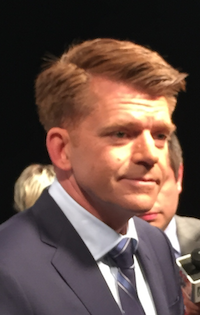
Brian Jean Wildrose
Brian Jean

There is no doubt the new government faces challenging economic and revenue challenges but after a summer of reading briefing binders and moving into new offices, the NDP need to reengage in the political debate.

The recent verbal skirmish between federal Conservative leader Stephen Harper and Finance Minister Joe Ceci shows the new government does have cabinet ministers who can articulately respond to the partisan barbs of critics. Along with Ms. Notley and Mr. Ceci, I would also add Environment Minister Shannon Phillips, Justice Minister Kathleen Ganley , Education Minister David Eggen and Infrastructure Minister Brian Mason in this category.

When the legislature returns on October 26, the twenty-one Wildrose MLAs will have a daily platform in Question Period to target government ministers. The NDP can learn from some of the major communications mistakes made by the PC Party and respond promptly to the Wildrose attacks, otherwise the opposition and its conservative allies will set the agenda.

Here are a few examples of Wildrose attacks in recent press releases:

  • August 20, 2015 “Bad economic policies from the NDP continue to harm Alberta’s economy…”
  • August 19, 2015: “…the NDP government must move away from their risky, ideological experiments that will drive jobs out of Alberta…
  • August 18, 2015: “…Ms. Hoffman wants Albertans to believe she made the decision based on a lack of information, but it’s clear she made it based on ideology.
  • August 14, 2015: “…the actions this government decides to take cannot keep kicking our economy while it is down.”
  • August 13, 2015: “While Albertans are losing jobs by the thousands with the NDP piling on with damaging economic policies…”
  • August 13, 2015: “…driven by ideology and not evidence-based decision making…”
  • August 13, 2015: “…NDP government has contributed directly to uncertainty and job losses…“
  • August 13, 2015: “…more ideologically driven experiments from the NDP and career politicians…”
Social Credit was risky and ideological
William Aberhart
William Aberhart

August 22, 2015 marks eighty years since the Social Credit League formed government in Alberta. In the 1935 election, the party went from zero to fifty-six MLAs and did not even have a leader during the election campaign (William Aberhart was chosen as Premier on September 3, 1935).

During its first decade in government, Mr. Aberhart’s administration tried to print its own currency, legislate control over the media, tried to nationalize the banking system and banned alcohol sales.

Categories
Alberta Politics

7 Conservatives scandals that still haunt Alberta politics

After forty-four years of Progressive Conservative government in Alberta, it still feels surreal to believe that another party has been elected into government. Two and a half months after the NDP victory, Premier Rachel Notley is putting her stamp on Alberta politics. But Alberta’s new government is left to deal with some of the more unhelpful legacies created by the previous government. Here is a look at a few of the Progressive Conservative scandals that continue to haunt Alberta politics.

Funeral Homes

CBC reports that it has obtained documents showing how the Alberta Funeral Service Association pressured former minister Jonathan Denis and the Department of Justice to reopen a contract and abandon earlier efforts to control spending. CBC reports the contract was reopened and revised against the advice of a government lawyer and chief medical examiner Dr. Anny Sauvageau.

Kananaskis Golf Course

Alberta’s auditor general is reviewing a controversial contract between the government and a private company operating a publicly-owned Kananaskis golf course. During this year’s election, NDP MLA Brian Mason asked the auditor general to investigate why the government paid $9.3 million to the company, which is known to have connections to the PC Party. The golf course has been closed since the 2013 floods in southern Alberta.

Wildrose MLA Derek Fildebrandt, who chairs the Standing Committee on Public Accounts, has said he hopes to compel former PC cabinet ministers, including Diana McQueen, to appear at a committee meeting. Critics have criticized the 1983 contract as a “sweetheart deal.”

Airplane sale

The rushed sale of the government’s fleet of airplanes led to a $5 million loss for Albertans. This contradicts claims by former PC premier Jim Prentice that the sale of the planes netted $6.1 million for the government. The planes were sold after Ms. Redford and PC MLAs faced harsh criticism for alleged misuse of the government air fleet for personal and partisan activities.

Public Sector Pensions

Alberta public sector pension liabilities dropped by more than $400 million last year, suggesting evidence that changes planned to the funds by former premier Alison Redford and finance minister Doug Horner were not necessary. The attacks on public sector pensions alienated thousands of public sector workers in Alberta, many who voted for Ms. Redford’s PC Party in the 2012 election. The PC government’s planned changes to the pension plan were scrapped after Ms. Redford resigned as premier in early 2014.

Cowboy welfare

The auditor general reported that the government has been forgoing an estimated $25 million in annual revenue by not limiting surface rights compensation paid by the energy companies to holders of provincial grazing leases. The report states the province does not track which leases have oil and gas activity on them or how much was paid to the leaseholders for access to the natural resources.

“Current legislation allows an unquantified amount of personal financial benefit to some leaseholders over and above the benefits of grazing livestock on public land,” the report says.

Previous attempts to change the law governing the leases met fierce opposition from rural leaseholders, including a posse of sixty cowboys on horseback who tried to block premier Ralph Klein from visiting the Royal Tyrrell Museum in 1999.

Carbon Capture and Storage

The government’s large investments in carbon capture and storage development has not paid off, according to a July 2014 report from the auditor general. Marketed as a key piece of the PC government’s climate change plan, the auditor general reported that “with only two carbon capture and storage projects planned, the total emissions reductions are expected to be less than 10% of what was originally anticipated.”

The NDP pledged to end the carbon capture contracts and instead reinvest hundreds of millions of dollars into public transit programs, but high cost of cancelling binding contracts with private sector corporations developing the projects could solidify this PC legacy.

Heritage Fund

When premier Peter Lougheed created the Heritage Savings Trust Fund in 1976, the government dedicated 30% of annual revenues into the rainy day fund “to save for the future, to strengthen or diversify the economy, and to improve the quality of life of Albertans.” The PC government halted non-renewable resource transfers to the fund in 1987, when it was worth $12.7 billion. Investments into the fund were only started again in 2004.

Despite Alberta’s immense natural wealth, the fund is now only worth an estimated $17.4 billion.

Categories
Alberta Politics

Calgary Stampede an important marker of political change in Alberta

Billed as the Greatest Outdoor Show on Earth, the Calgary Stampede is a must-stop destination for political leaders of all stripes and all levels of government. The event also provides a good historical marker of how quickly the political winds of change can sweep through Alberta.

Premier Rachel Notley Calgary Stampede Alberta
Rachel Notley

One year ago at last year’s Stampede, Dave Hancock was Premier of Alberta, Jim Prentice was an unstoppable candidate in the Progressive Conservative leadership race, the memory of Alison Redford was fresh in the minds of Albertans, Danielle Smith led the Wildrose Official Opposition, the Alberta Party was still on the fringe, and the NDP were in the midst of a leadership race many political watchers saw as a sideshow.

Now to this year’s Stampede, Rachel Notley is Premier of Alberta and there are 53 NDP MLAs in the Alberta Legislative Assembly (including 15 from the Calgary area), a former Member of Parliament named Brian Jean leads the Wildrose Official Opposition, former Calgary alderman Ric McIver leads a 9-MLA PC Caucus, Alberta Party leader Greg Clark is an MLA, and Mr. Prentice has disappeared from the political landscape.

Stephen Harper Calgary Stampede
Stephen Harper

The changes that took place between the two Stampedes are an important reminder about how quickly political change can happen, even in a province that is known for turning political parties into governing dynasties.

With the October 19 federal election less than four months away, it is also an important reminder to Conservative Prime Minister Stephen Harper that even voters in the Canadian conservative movement’s spiritual homeland cannot be taken for granted. That thought must have crossed Mr. Harper’s mind as he met with Ms. Notley for the first time this week in Calgary.

The provincial election win has boosted the NDP’s credibility and organizational strength, especially in Edmonton, but it is not clear how this will translate in the federal election. Ms. Notley’s win has created opportunity for the federal NDP in Alberta, especially for candidates like Janis Irwin in Edmonton-Griesbach and Linda Duncan in Edmonton-Strathcona. As Tom Mulcair‘s federal NDP focus their resources in Quebec, Ontario and British Columbia, it is to their advantage to put the Conservatives on the defensive in Alberta, a situation that has not happened very often.

Kent Hehr Liberal Calgary Centre
Kent Hehr

Meanwhile, Liberal leader Justin Trudeau has reason to be optimistic after his party’s candidate’s came close to winning by-elections in Calgary-Centre in 2012 and Fort McMurray-Athabasca in 2014. The Liberals have also nominated a slate of high profile candidates that includes Kent Hehr in Calgary-Centre, Darshan Kang in Calgary-Skyview and Amarjeet Sohi in Edmonton-Mill Woods.

The Conservatives are still expected to hold most of Alberta’s ridings in the upcoming federal election but the NDP and Liberals could make gains in the major urban centres.

The truth is that federal Conservatives have always taken Alberta voters for granted, and they have had reason to. Albertans have not elected more than 2 non-conservative MPs in any federal election since 1993. The Conservatives even held all 28 of the province’s federal ridings between 2006 and 2008.

With a federal election fast approaching and and increasingly stale government approaching ten years in Ottawa, the Conservatives may need to spend more time campaigning in Alberta in the next few months, or else there could be a whole new cast of federal politicians wearing plaid shirts and cowboy boots at next year’s Calgary Stampede.

Categories
Alberta Politics

Notley NDP waste no time implementing popular progressive agenda in former conservative heartland

Banning corporate and union donations: Check.
Restoring funding to health, education and human services: Check.
Increasing corporate taxes: Check.
Introducing a new climate change strategy: Coming soon.
Phasing in a $15 per hour minimum wage: Coming soon.
Reviewing Alberta’s natural resource royalty framework: Coming soon.

Progress is the order of business in Canada’s so-called Conservative heartland as Premier Rachel Notley’s newly elected Alberta NDP government begins implementing the main promises from their winning election platform. Leaders of the previous PC regime, Alison Redford and Jim Prentice, styled themselves as Progressive Conservatives, their actions rarely matched their words. The NDP proposed a fairly moderate progressive agenda and it is refreshing to see it take action so quickly after the election.

Marg McCuaig Boyd
Marg McCuaig Boyd

Revenue and tax reform was a big issue before and during the recent election, with Mr. Prentice and the opposition argued over how best to remove Alberta from the oil revenue roller coaster. It remains clear that Alberta cannot continue to rely on revenues generated from oil and gas royalties to fund the provincial operating budget. Both the PCs and NDP proposed tax increases in the recent election, but Mr. Prentice’s refusal to increase corporate taxes, even symbolically, was a huge miscalculation.

While conservatives preach doom and gloom, our province still has corporate and personal tax rates lower than when Ralph Klein was premier, no provincial sales tax, and huge reserves of oil and gas. Alberta will now have the same corporate tax rate as Saskatchewan and Manitoba.

Deron Bilous Edmonton Alberta MLA Minister
Deron Bilous

But there is still plenty more for the new government to do. Agriculture Minister Oneil Carlier should extend protections to farmworkers injured on the job. Municipal Affairs Minister Deron Bilous should follow calls from Calgary’s Naheed Nenshi and Edmonton’s Don Iveson and Michael Janz to reform municipal election finance laws. And the province can do much more to clean up provincial election laws, something that a new all-party committee will be tasked to do soon (and they should consider adopting some of the amendments made by Wildrose MLAs during recent debates in the Legislature).

Kathleen Ganley NDP Calgary Buffalo
Kathleen Ganley

Apologizing for previous governments lack of action to stop residential schools and calling for a national inquiry into missing and murdered aboriginal women was absolutely the right step to take but action needs to follow. Justice and Aboriginal Affairs Minister Kathleen Ganley needs to show through government policy that this apology is more than just political posturing.

The government also announced it will soon take action to improve Alberta’s record of poor environmental management and lack of action of climate change, which has helped fuel international opposition to pipeline expansion and the oil sands. On climate change, the PCs lost the public relations battle years ago. Now the challenge will fall to Ms. Notley, Environment Minister Shannon Phillips and Energy Minister Marg McCuaig-Boyd to win the policy war on climate change.

Shannon Phillips
Shannon Phillips

I do not have enough room in this post to even begun to discuss the challenges facing Health Minister Sarah Hoffman and Education Minister David Eggen (which will be included in a series of future posts).

As the new government moves forward with what in most other provinces would be considered a moderate progressive agenda, Canada’s conservative outrage industry is gearing up its attacks on the Alberta’s new government.

Talking heads like Ezra Levant are fuelling the paranoia of right-wing fringe conservatives afraid we are witnessing a Red Dawn-style communistic coup (federal Conservative candidate Kerry Diotte and Wildrose MLAs Drew Barnes and Rick Strankman were among the registered spectators at one of Mr. Levant’s travelling circus shows). And recent opinion editorials by critics like conservative economist Jack Mintz, who suggested Alberta could be the next Greece, have verged on the bizarre.

Drew Barnes Wildrose MLA Cypress Medicine Hat
Drew Barnes

Ms. Notley and Infrastructure Minister Brian Mason moved quickly to quell criticism of their fiscal plan by announcing last week that former Bank of Canada Governor David Dodge will be advising the Premier on infrastructure investment issues. Hiring Mr. Dodge is a smart move and shows a willingness to bring in talent from outside traditional NDP circles.

Aside from the angry conservatives, the new government appears to still enjoy popular support from Albertans, who tossed out the scandal-ridden and tone deaf Tories on May 5. Recent polling shows Ms. Notley, still in her honeymoon period, enjoying the approval of 53% of Albertans, making her the second most popular premier in Canada next to Saskatchewan’s Brad Wall.

The NDP need to be careful not to cut short their honeymoon by making small mistakes. They have already faced criticism for hiring too many provincial outsiders and the media is poking around the perceived influence of Ms. Notley’s husband. These are minor issues that I am sure most Albertans will look past today but the small mistakes can pile up quickly if the new government is not careful.

If the NDP can continue to limit their missteps, focus on implementing their popular platform, and remember why Albertans endorsed Ms. Notley’s charismatic leadership, they will enjoy a warm welcome on the summer political barbecue and parade circuit.

Categories
Alberta Politics

Alberta’s new political insiders mostly come from outside Alberta

Edmonton Journal report Karen Kleiss published a story this week naming the new Chiefs of Staff hired to advise Alberta’s twelve NDP cabinet ministers and manage their offices at the Legislature. The new government has faced criticism for hiring too many staff from outside of the province and Premier Rachel Notley‘s NDP have responded that the new government needs to hire the best people for the job no matter where they come from (even Alberta’s premiere Tory lobbyist companies are hiring British Columbia New Democrats to advise them about Alberta’s new political landscape).

The criticism is valid. A balance of experience and local knowledge is required within the senior ranks of the new government, and as a Alberta’s first new government in 44 years, there might not be many operatives in-province with non-Progressive Conservative governing experience to rely on.

As previous premier’s Alison Redford and Jim Prentice discovered, filling senior political jobs with outsiders who may not be familiar with the provincial political environment can alienate party loyalists and MLAs and lead to embarrassing mistakes.

List of Alberta’s Ministerial Chiefs of Staff

Lisa Blanchette, Education, Culture and Tourism: Former organizer for ACTRA Toronto, previous employee of SEIU, and national political action coordinator for the United Steelworkers.

Jessica Bowering, Justice and Solicitor General and Aboriginal Relations: Lawyer and former director of Legal Services for the British Columbia Nurses Union.

Tony Clark, Human Services: Former research for the Alberta Federation of Labour and staffer for the NDP Opposition Caucus.

Brent Dancey, Environment and Parks and the Status of Women: Former Special Assistant to Premier Greg Selinger‘s Office for Manitoba Hydro.

Scott Harris, Agriculture and Forestry: Former Political Research Coordinator in Office of the Leader of the NDP Official Opposition in Ottawa.

Graham Mitchell, Energy: Former Director of Training and Leadership at the Broadbent Institute and former Executive Assistant to Toronto City Councillors Jack Layton.

Bill Moore-Kilgannon, Health and Seniors: Former Executive Director of Public Interest Alberta, President of the Riverdale Community League.

Nathan Rotman, Finance and Treasury Board: Former National Director of the NDP, former campaign manager for Toronto mayoral candidate Olivia Chow, former national director of  Political Action and Campaigns at the Canadian Labour Congress.

Nathaniel Smith, Municipal Affairs and Service Alberta: Former organizer for the NDP in Halifax, former executive assistant to NDP cabinet ministers in Nova Scotia.

Steve Stringfellow, Innovation and Advanced Education and Jobs, Skills, Training and Labour: Former CUPE National Representative in Alberta and BC NDP campaign manager.

Robin Steudel, Infrastructure and Transportation: Former Principal Secretary to the Alberta NDP Caucus, former Communications Officer at the NDP Official Opposition in British Columbia, former spokesperson for the Yukon NDP, and federal NDP communications officer.

Brian Topp, International and Intergovernmental Relations (Premier): NDP campaign manager, former federal NDP leadership candidate, deputy chief of staff to former Saskatchewan Premier Roy Romanow.

Journos flee the fourth estate for NDP jobs

Intrepid CBC reporter John Archer announced this week that he has accepted a job in the Premier’s Media Relations Office. Mr. Archer is one of a handful of journalists who have recently accepted jobs with the new NDP government, including Veronica Jubinville and Laura Tupper from CTV, and Jeremy Nolais and Leah Holoiday from Metro.

Categories
Alberta Politics

Are Albertans afraid of changing their government?

Four days before Election Day, Progressive Conservative Party leader Jim Prentice stood on a stage in front of hall of supporters who paid $500 per plate to attend the evening fundraiser in downtown Edmonton. Mr. Prentice warned his audience of the dire consequences of voting for Rachel Notley’s NDP, which has been his key message since the televised leaders’ debate.

Five polls released on April 29, 2015 show the NDP leading the PC and Wildrose parties across Alberta, and with a massive lead in Edmonton. Most political watchers expected the Mr. Prentice to use the massive PC campaign war-chest to launch a massive negative advertising campaign against the NDP, but it has not materialized.

The PC Party has released some radio ads and its supporters in corporate Calgary, like oil company CEO Brian Ferguson, have spoken out against the NDP proposal to review natural resource royalties. But aside from Mr. Ferguson (and the supporters who paid $500 to hear Mr. Prentice speak last night), I am not sure most voters believe the government should not regularly review royalties to ensure Albertans are getting the best value for their resources.

Brian Jean Wildrose
Brian Jean

[The Globe & Mail reported on September 5, 2014 that Mr. Ferguson was among 39 donors who gave Mr. Prentice’s leadership campaign between $10,001 and $30,000]

The attacks do not seem to have weakened Ms. Notley, who is an articulate and likeable politician. Her party has presented a moderate platform focused on reinvesting in health care and education, raising corporate tax rates from 10% to 12%, and carefully reviewing royalties collected for the province’s natural resources.

As Mr. Prentice tries to scare conservatives into re-electing his party to a 13th term in government, one poll conducted by ThinkHQ shows most Albertans surveyed said they were more afraid of a re-elected PC government than a Wildrose or NDP government.

Alison Redford Alberta Election 2012 Conservative leader
Alison Redford

“…68% of those interviewed said they would be very or somewhat concerned about Alberta’s future if the PCs were re-elected as government. Meanwhile, 58% would have concerns about a Wildrose government, and only 47% say they would have reservations if the NDP win the election.”

In the 2012 election, conservative voters in rural Alberta abandoned the PCs in favour of the opposition Wildrose Party. The PCs were re-elected with the support of moderate voters, many former Liberal voters, who were both scared of the Wildrose and excited by Alison Redford’s promise of a progressive government.

Fast forward through three years of scandals, controversy and broken promises, and now many of the same voters who saved Ms. Redford’s PC Party in 2012 are now leaning toward voting for Ms. Notley’s NDP.

With trust and accountability having become the defining issues of the election campaign, Mr. Prentice has not presented a compelling reason for Albertans to trust that the PC Party will be any different in the next three years (especially after he called the election one year earlier than the PC Government’s fixed election date).

There is also a feeling among many Albertans that the PCs have mismanaged our province’s vast resource wealth, especially following the drop in oil prices earlier this year.

Despite years of economic prosperity, the PCs have run deficit budgets since 2008 and do not appear to have planned for any economic downturns (even though the price of oil has always been cyclical in nature).

Unlike previous elections that were dominated by the PCs, there is an increasing permissive environment among Alberta voters that it is okay not to support the governing party in this election.

Calgary Mayor Naheed Nenshi has predicted the election of a PC minority government but said that Albertans should not be afraid of voting for the other parties. Mr. Nenshi has met with all five main party leaders and said any of them would do a “pretty decent job” for Calgary.

We’re a place of entrepreneurs. We’re a place of risk-takers, yet we don’t take risks in government except in 2010. And I think that one worked out OK for Calgary,” Mr. Nenshi told the Calgary Herald.

In a recent blog post, former Edmonton PC MLA and cabinet minister David King asked “Should Albertans vote for a P.C. candidate, in any constituency, and elect a cog in a machine that is running amuck?”

With NDP support concentrated in urban areas of the province, the PCs also face a major challenge from Brian Jean‘s Wildrose Party in rural Alberta. For the first time in their 44 years in power, the PCs are facing a two front campaign. It is never a safe bet to count the PCs out, but they may be facing their toughest challenge since forming government in 1971.

And with four days left until Election Day, it is still not clear which party will form government on May 5, 2015, but a minority government could be a likely result.

A minority government would breathe new life into Alberta’s Legislative Assembly, which has largely become a rubber-stamp for decisions made behind closed doors by PC cabinet ministers and MLAs. A minority government would also, for the first time in Alberta’s history, force the governing party to meaningfully work with the other parties when passing legislation.

Changing our government is not something Albertans should be afraid of. It is something we should probably do on a regular basis.

Categories
Alberta Politics

Notley wins the debate. Now it’s time to manage expectations

Last night’s leader’s debate was the biggest opportunity for Progressive Conservative leader Jim Prentice to knock NDP leader Rachel Notley off-balance. Since the start of the campaign, the PC Party has focused most of its attacks on Wildrose leader Brian Jean, who has proven to be an easier target. But Ms. Notley has been a more difficult target for the PCs.

Rachel Notley NDP Alberta
Rachel Notley

Expectations were high for Ms. Notley, whose party appears to be enjoying a surge in support, and she exceeded those expectations by not falling into Mr. Prentice’s traps. She was calm, concise, and set herself apart from the three other leaders.

Mr. Prentice performed as was expected, despite sounding patronizing at moments, and spent most of the debate on the offensive. His focus on Ms. Notley could signal a shift in focus by the PC campaign against the NDP in Edmonton, Calgary and Lethbridge.

Mr. Jean started the debate slowly, but caught his stride in the second half of the event. He stuck to his notes, sometimes too closely, and overall performed well for someone who only accepted the party leadership less than one month ago. If you missed the debate, the one takeaway from Mr. Jean’s discussion points would be that the Wildrose Party will not raise your taxes. And in case you missed it a first time, he repeated that message numerous times for good measure.

Brian Jean Wildrose
Brian Jean

Earnest Liberal leader David Swann faced low expectations and performed as well as expected. Not a natural politician, Dr. Swann managed to present his party’s platform, but struggled at times to compete with the three other leaders.

With the leader’s debate over, we have now entered the final stretch of Alberta’s 2015 provincial election campaign. With limited polling available, I refuse to jump on the “PCs are going down to defeat” bandwagon. In uncertain times like these, it is important to remember the first unwritten rule of Alberta politics: that the PCs always win, and they always win a big majority [this is me, managing my own expectations].

With the leader’s debate behind them, what do the leaders need to do to manage their own party’s expectations?

Rachel Notley

Rachel Notley is making orange waves in Alberta, but how far will they splash? At the start of the campaign, she said the NDP are aiming to form government in Alberta, but perhaps more realistically Official Opposition is within their grasp. I know many New Democrats who would love for Ms. Notley to lead the party to win at least 17 MLAs, more than the 16 seats the party won in the 1986 and 1989 elections. Any more than the four the party currently holds should be considered a win for the NDP in Alberta.

Jim Prentice

Jim Prentice must lead his party to form a majority government. If the PCs win less than 44 seats in the Assembly, Mr. Prentice will have led his party to its first major electoral humiliation in 44 years. But even within a majority government, there are thresholds for Mr. Prentice’s political survival. What happens to Mr. Prentice if, for example, the PCs elect less MLAs than Alison Redford led them to in 2012 (61)? Or less than Ralph Klein led them to win in 1993 (51)?

Brian Jean

For new Wildrose leader Brian Jean, holding the party’s current number of constituencies – five – while personally winning election in Fort McMurray-Conklin is probably enough to secure his political leadership. Holding on to Official Opposition would be a bonus and electing more than 17 MLAs – the number the party elected under Danielle Smith in 2012 – would be golden.

David Swann

Expectations are low for the Liberals. Re-electing the party’s two incumbent MLAs – David Swann in Calgary-Mountain View and Laurie Blakeman in Edmonton-Centre – would be considered a win for the Liberals in this election.

Greg Clark

Electing leader Greg Clark in Calgary-Elbow, which is the Alberta Party’s best shot in this campaign, would be considered a big win for the party. Mr. Clark placed a strong second to PC candidate Gordon Dirks in the 2014 by-election.

Categories
Alberta Politics

Prentice amending the budget on the fly as polls suggest PC Party in trouble

This was supposed to be an election campaign about the provincial budget, or at least that is what Progressive Conservative leader Jim Prentice told Albertans when he called the election one year earlier than the legislated fixed election day.

Despite ignoring the results of own government’s online budget survey, Mr. Prentice and his party plotted forward with their own pre-election budget and “10-year plan,” which was designed to also serve as the PC Party’s re-election platform. Mr. Prentice claimed he needed to call the early election to seek a mandate for a budget that would usher in “generational change” but that same budget is now being amended on the campaign trail.

Mr. Prentice announced today that, despite weeks of defending the decision, he will reverse the unpopular decision to slash the Charitable Donations Tax Credit included the budget. Cutting tax credit for charitable donations from 21% to 12.75% was expected to have dramatically impacted the abilities of not-for-profit organizations and charities to raise funds.

[Note: The generous tax credit for donations made to political parties was not touched.]

While reversing the cut to the charity tax credit is positive, it is disappointing that his party’s plummeting support in the polls was the apparent impetus for Mr. Prentice’s reversal. Cutting the charity tax credit was a bad decision from the beginning. If the polls continue to show the PC Party in a tough electoral position, it now might not be unexpected for Mr. Prentice to reverse more decisions that only a few weeks ago were set in stone in the provincial budget.

The charity tax credit flip flop is eerily reminiscent of what Albertans witnessed under the PC Party recently led by Alison Redford from 2011 to 2014. Numerous times during her premiership, Ms. Redford would make an unpopular decision and spend weeks defending her position only to change her position after it had already damaged her politically (see: the $45,000 flight to South Africa).

Now that Mr. Prentice has reopened the provincial budget for discussion, here are a few other items that the PC Party should consider changing:


Edmonton-Castle Downs PC candidate Thomas Lukaszuk is calling for increases to the Corporate Tax Rate, breaking from his party’s spin that each 1% increase in corporate taxes would lead to 8,900 job layoffs. Mr. Prentice has called NDP leader Rachel Notley an “extremist” for wanting modest increases to corporate taxes in Alberta. It is unclear whether Mr. Prentice will now label Mr. Lukaszuk as an extremist.


Categories
Alberta Politics

Alberta’s 2015 election could be more interesting than expected!

Albertans are heading to the polls on May 5, 2015 to elect the next Legislative Assembly of Alberta. Like the past twelve elections since 1971, the May 5 vote will almost certainly result in the re-election of the Progressive Conservative Party, Alberta’s natural governing party. But despite the mostly pre-determined outcomes, provincial elections in this province can be interesting and sometimes exciting.

Alison Redford Alberta Election 2012 Conservative leader
Alison Redford

After 43 years as government, the PC Party is not running on its record.

Campaigning under the slogan “Choose Alberta’s Future,” Team Jim Prentice will try to ensure that Albertans are not reminded of the past three years of scandals and broken promises while their party was led by Alison Redford.

Mr. Prentice wants the next 27 days to be an election focused on the latest provincial budget and proposed “ten year plan.” The PCs do not want this election to be a referendum on their record as government, at least not beyond the past seven months since Mr. Prentice became their leader.

Rachel Notley Alberta NDP leader
Rachel Notley

Claiming that a vote for his party is not a vote for the status quo, Mr. Prentice took shots at the New Democratic Party and Wildrose Party, and challenged the opposition to unveil their plans for governing the province. As we are entering an election campaign, I am sure the opposition parties will do just that, while also taking every opportunity to remind voters of the PC Party’s record.

NDP leader Rachel Notley says she wants to form a government, while Wildrose Party leader Brian Jean is aiming for a more modest post as Official Opposition leader. Liberal leader David Swann is also aiming for opposition and the Alberta Party is focused on electing Greg Clark in Calgary-Elbow, where he placed a close second in a 2014 by-election.

Brian Jean Wildrose Leader
Brian Jean

Unlike previous elections when the Liberals and NDP would compete in a handful of constituencies in Edmonton to form Official Opposition, there are almost no constituencies in this election where the Wildrose and NDP are both contenders. This could be the first election in a generation where the PCs find themselves facing serious opposition challenges in both rural and urban Alberta.

While it is unlikely that the PCs will lose government in this election, it is possible that both main opposition parties could surprise Albertans by making gains at the expense of the governing party.


Metro Edmonton reports that Edmonton-Mill Woods PC MLA Sohail Quadri filed an expense claim for $5,000 to hold a banquet to celebrate his first year in office. Mr. Quadri replaced controversial former PC MLA Carl Benito in the 2012 election.


Categories
Alberta Politics

Bill 45 deserved to die. Kudos to Prentice for killing it.

One year ago, the PC Party was on verge of meltdown as Alison Redford resigned as leader and Premier. Since then, the political landscape has shifted so dramatically that the only significant thing that remains the same is the PC Party is still in government and will almost certainly extend its 44 year reign in the upcoming spring election.

Alberta Legislature Building Alison Redford
Thousands of Albertans protested the Redford Government’s anti-labour laws in November 2013.

Jim Prentice is being praised as a saviour by conservatives for turning around his party’s electoral fortunes, but he is no magician. Like each of his predecessors over the past 44 years, Mr. Prentice’s goal is to ensure the PC Party remains in government. And also like these predecessors, he is succeeding.

Most of Mr. Prentice’s success has been based on his ability to reverse many of Ms. Redford’s most unpopular decisions. And this week, with an election expected to be called soon, he announced the government would repeal the unpopular Bill 45: Public Sector Services Continuation Act.

Dave Hancock MLA Edmonton-Whitemud
Dave Hancock

Introduced into the Assembly by former minister Dave Hancock, the unnecessary and probably unconstitutional Bill 45 was part of Ms. Redford’s attack on public sector workers. The bill was passed with the support of 33 PC MLAs and one Wildrose MLA in December 2013 but was never proclaimed into law (five Wildrose MLAs, two New Democrats and one Liberal voted against it). If made into law, it would have significantly increased the fines for public sector strikes and made it illegal for any person to publicly suggest that government employees take job action.

The bill also appeared to give significant powers to the Minister of Human Services to issue fines to government employees if there has even been a hint of discussion about an illegal strike or strike threat.

Robin Campbell Alberta Finance Yellowhead
Robin Campbell

When the bill was passed in December 2013, one constitutional law expert told the National Post it was “ripe for challenge” to the Supreme Court of Canada. Athabasca University professor Bob Barnetson suggested that because free speech is protected by Section 2 of the Charter of Rights and Freedoms, it is unlikely that these sections Bill 45 would survive a challenge to the Supreme Court of Canada (court challenges had already been launched by United Nurses of Alberta and the Alberta Union of Provincial Employees).

Killing Bill 45 is only one step in repairing the government’s damaged relationship with its front-line workers. Five months ago, Mr. Prentice said he found low morale and high turnover in the public service “shocking.” But with Finance Minister Robin Campbell warning of 9 percent across the board funding cuts in next week’s provincial budget, it is difficult to see how Mr. Prentice plans to change this situation.

It remains embarrassing that so many of our elected officials supported this bill, but today Mr. Prentice deserves some kudos for committing to repeal Bill 45.


Wildrose Leadership Candidates
Wildrose Party leadership candidates Brian Jean, Linda Osinchuk and Drew Barnes.

Wildrose Party leadership candidates Drew Barnes, Brian Jean and Linda Osinchuk will be guests on the next AbVote Google Hangout on Tuesday, March 24, 2015. Tune in to abvote.ca at 7:00 p.m. and ask questions to the candidates using the #abvote hashtag on Twitter.

Categories
Alberta Politics

Candidate nomination update on International Women’s Day

In recognition of International Women’s Day, today’s candidate update focuses specifically on the total number of women nominated to run for Alberta’s political parties in the upcoming provincial election. Women make up the majority of our population, but they rarely come even close to being the majority in electoral politics.

Women in Alberta politics have accomplished a number of milestones in recent years, including the election of Alison Redford as our first female premier, but the total percentage of women elected to the Legislative Assembly has actually decreased since the late-1990s.

Alberta’s 2012 election was notable for many reasons, most notably because it marked the first time the two major parties were led by women – Progressive Conservative leader Ms. Redford and Wildrose leader Danielle Smith. Three years later, only one major party will be led into the 2015 spring election by a women – the New Democratic Party’s Rachel Notley. Wildrose Party interim leader Heather Forsyth, who has served as MLA for Calgary-Fish Creek since 1993, is not seeking re-election. The Green Party, with no MLAs in the Assembly, is led by Janet Keeping, who is nominated to run in Calgary-Foothills.

The Liberal and NDP have had women lead them in past elections – Pam Barrett led the NDP during the 1997 election and Nancy MacBeth led the Liberals in 2001 – and former Edmonton school trustee Sue Huff led the Alberta Party until 2011. Edmonton-Gold Bar Liberal MLA Bettie Hewes became the first woman to lead a major political party when she served as interim leader of the Official Opposition in 1994.

There are currently 22 women MLAs serving in the Alberta Legislature (25%), down from a high-mark of 23 women MLAs (27%) in 1998. This number decreased upon Ms. Redford’s resignation in 2014, the percentage was still lower than 1998 because the total number of MLAs increased from 83 to 87 in 2012.

Only four of the twenty members of Jim Prentice‘s current cabinet are women.

The longest serving woman in the Assembly is Lesser Slave Lake PC MLA Pearl Calahasen, who was first elected in 1989 and has been acclaimed as her party’s candidate in the next election. First elected in 1997, Edmonton-Centre Liberal MLA Laurie Blakeman is the longest serving opposition MLA.

With the next election expected to be called in the next few weeks, Alberta’s political parties are still in the process of nominating candidates. Here is a look at how many women have been nominated so far by the five main parties.

The NDP, with a commitment to nominate a high percentage of women candidates, has so far chosen the most women candidates of the political parties contesting the 2015 election. By my count, the NDP has chosen 18 women out of 41 candidates (43%) already nominated or acclaimed. This is slightly less than the full NDP slate from the 2012 election, when that party nominated 40 women out of 87 candidates (45%).

The Progressive Conservatives have chosen 13 women out of the 58 candidates nominated to run in the next election (22%) as of today. In the last election, the PCs nominated 22 women in their slate of 87 candidates (25%), which was up slightly from 17 out of 83 candidates in the 2008 election (20%).

The Wildrose Party has nominated 33 candidates, 5 who are women (15%). In the last election, led by Ms. Smith, the Wildrose Party nominated 11 women in a slate of 87 candidates (12%).

The Liberal Party, with 12 candidates currently nominated, has nominated 2 women (16%). The Liberals saw a decrease of women candidates nominated in the 2012 election, down to 18 of 87 (20%) from 22 of 83 in 2008 (26%).

Five of the 17 candidates currently nominated by the Alberta Party are women (29%).

Number of women candidates by party

2015 election nominated/acclaimed (as of March 8, 2015)
NDP: 18 of 41 – 43%
Alberta Party: 5 of 17 – 29%
PC: 13 of 58 – 22%
Liberal: 2 of 12 – 16%
Wildrose: 5 of 33 – 15%

2012 election
NDP: 40 out of 87 – 45%
Alberta Party: 6 out of 21 – 28%
PC: 22 out of 87 – 25%
Liberal: 18 out of 87 – 20%
Wildrose: 11 out of 87 – 12%

2008 election
NDP: 38 out of 83 – 45%
Liberal: 22 out of 82 – 26%
PC: 17 out of 83 – 20%
Wildrose: 6 out of 61 – 9%

Categories
Alberta Politics

Alberta Politics Round-Up: Redford and the Opposition

Premier Alison Redford Alberta
Premier Alison Redford

An investigation into former Premier Alison Redford‘s use of government airplanes has been closed and no charges will be laid, the RCMP announced yesterday. In 2014, Premier Dave Hancock and Justice Minister Jonathan Denis asked the RCMP to investigate findings made by the Auditor General that Ms. Redford and her staff had misused government aircraft.

Ms. Redford resigned as Premier and leader of the Progressive Conservatives in March 2014 after facing a caucus and party revolt against her scandal-plagued administration.

Alberta Liberals and Alberta Party
Greg Clark Calgary-Elbow Alberta Party
Greg Clark

The never-ending dance between the Alberta Liberals and the Alberta Party continued last week as party leader Greg Clark presented another “cooperation” offer to the Liberal Party. Not surprisingly the offer was declined by interim Liberal leader David Swann, who was chosen by his party’s executive because he did not share MLA Laurie Blakeman‘s pro-cooperation stance.

The Alberta Party is hosting its Annual General Meeting this weekend, an event that will feature guest speakers Stephen Carter and Dave Taylor (former Liberal and Alberta Party MLA for Calgary-Currie from 2004 to 2012).

Meanwhile, a poll commissioned by former Liberal Party executive director Corey Hogan shows that both parties could be shut out of Calgary’s inner-city constituencies in the next election. If defeat is not a powerful motivator to cooperate, I do not know what else would be.

NDP nab a big candidate in Calgary
Joe Ceci NDP Calgary Fort
Joe Ceci

Rachel Notley‘s NDP have grabbed their biggest name candidate in decades – former five-term Alderman and Homeless advocate Joe Ceci announced this week that he will seek the NDP nomination in Calgary-Fort. Mr. Ceci supported the Liberal Party when it was led by Kevin Taft and endorsed Mr. Swann when he ran for the party’s leadership in 2008.

Calgary-Fort has been represented by PC MLA Wayne Cao since 1997. Mr. Cao is not seeking re-election.

Three candidates have stepped up to run for the PC nomination: Christopher PrimeauBeverly DeSantis and David Aftergood.

Mr. Aftergood recently appealed to the CBC Ombudsman for the removal of an article reporting his jail sentencing in 2007 for improper handling of ballots in the 2004 Calgary municipal election. According to the CBC, Mr. Aftergood was sentenced to 14 days in jail in May 2007 but never served out the sentence, because upon appeal, he was granted a new trial and the charge against him was stayed in January 2010.

Much of the area was represented by NDP MLA Barry Pashak from 1986 to 1993. The NDP have not elected an MLA in Calgary since 1989, but Ms. Notley has said she hopes her party can increase its support in the next election.

Former Tory MP eyes Wildrose leadership
Brian Jean
Brian Jean

Former Fort McMurray-Athabasca Conservative MP Brian Jean is considering a run for the leadership of the Wildrose Party. The crossword loving former Ottawa politician served as MP from 2006 to 2014. He retired in 2014 to return to private life.

Although Wildrose MLA Guy Boutilier was unseated in the 2012 election, he and former Mayor Doug Faulkner were only narrowly defeated in Fort McMurray’s two provincial constituencies.

Former Strathcona County Mayor Linda Osinchuk confirmed on Facebook yesterday that she plans to run for the Wildrose Party leadership.

Seven PC nominations today

The Progressive Conservatives will be holding candidate nomination contests today in Bonnyville-Cold Lake, Calgary-Fish Creek, Calgary-Mountain View, Calgary-North West, Medicine Hat, Rimbey-Rocky Mountain House-Sundre and Spruce Grove-St. Albert.

#ABvote Google Hangout

With a provincial election expected in the coming month, we kicked off the first #AbVote Google Hangout last night. Watch the archived version online at abvote.ca.