Categories
Alberta Politics

Calgary-Foothills by-election vote on Sept 3. Here’s what the parties are saying.

Taking place in the backdrop of a federal election, the September 3 provincial by-election in the Calgary-Foothills constituency could have a profound impact on the federal election in Alberta.

A win by the NDP would almost certainly boost momentum for the federal NDP in Alberta, a win by the Wildrose would solidify that party’s dominance over the third-place Progressive Conservatives, and a win by the PCs would be that party’s first sign of a pulse since its defeat in the May 2015 election.

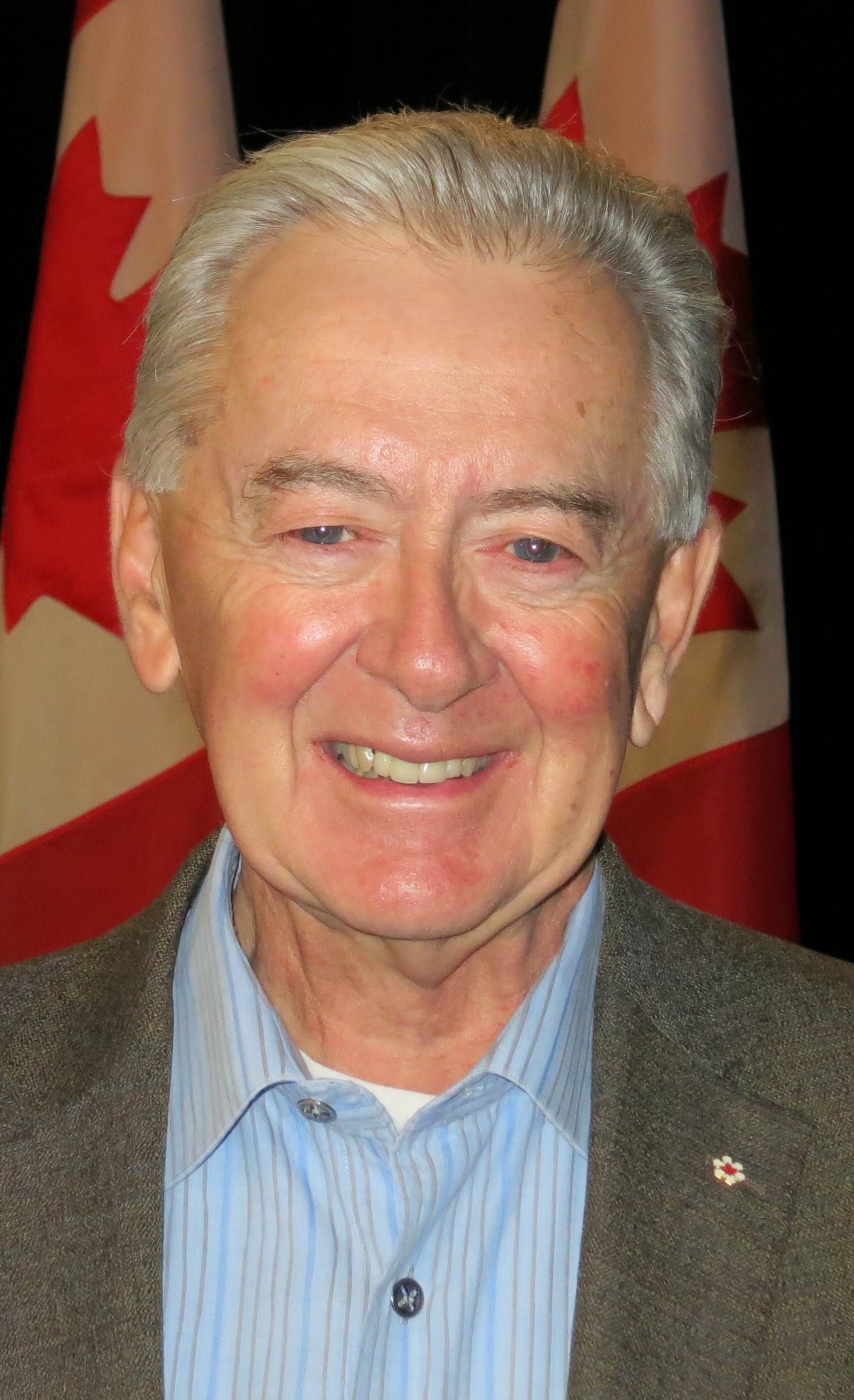
This is the third time voters in this constituency have gone to the polls to select a new MLA since October 2014, when PC leader Jim Prentice entered the Legislature. When it became clear the PC Party has lost the election on May 5, Mr. Prentice resigned as MLA before the votes were even finished being counted.

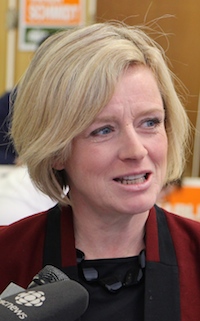
New Democratic Party: Premier Rachel Notley was the guest of honour at NDP candidate Bob Hawkesworth campaign launch this weekend. Mr. Hawkesworth is a well-known figure in Calgary politics, having served on city council from 1980 to 1986 and 1993 to 2010 and as MLA for Calgary-Mountain View from 1986 to 1993. He received a surprise endorsement last week from Alderman Diane Colley-Urquhart, who is a former PC Party candidate.

Agreeing with calls from opposition parties, the NDP government committed to not making any government announcements in Calgary until after the by-election. This follows criticism levelled at the former PC government, which used its office for political gain to boost support for candidates in four 2014 by-elections.

Progressive Conservative: The PCs have chosen past city council candidate and bar owner Blair Houston as their candidate. Before the 2015 provincial election, Mr. Houston ran for the PC nomination in Calgary-North West against incumbent MLA Sandra Jansen.

Wildrose: The Wildrose Party nominated Prasad Panda as their candidate in a three-way contest with more than 700 Wildrose members voting in the nomination selection. Mr. Panda was the 2012 and 2015 Wildrose candidate in the neighbouring Calgary-Northern Hills constituency.

Alberta PartyMark Taylor has been nominated to run as the Alberta Party candidate. Mr. Taylor was President of the Wildrose Party’s Highwood association from 2012 until 2013 (at the time, the constituency was represented by Wildrose leader Danielle Smith). His campaign released an interview with a local business owner criticizing the NDP government’s 3-year phased increases of the minimum wage.

Liberal: Candidate Ali Bin Zahid issued a press release urging the NDP government to delay their promised royalty review, which is being chaired by Alberta Treasury Branches CEO and President Dave Mowatt. “The last thing the people of Foothills want at this moment is another career politician who will contribute to the NDP’s stubborn determination to do this review now,” said Mr. Zahid.

Green: Green Party leader Janet Keeping criticized the NDP for a lack of basic amenities in the Calgary-Foothills constituency and for an end to the political polarization in the debate about oilsands development. “Sustainability is about more than the physical environment. It is also about maintaining a healthy employment climate. The rate of oilsands development should be reduced decisively but gradually,” said Ms. Keeping.

Categories
Alberta Politics

Notley should avoid getting dragged into oilsands election trap

Rachel Notley Alberta NDP leader
Rachel Notley

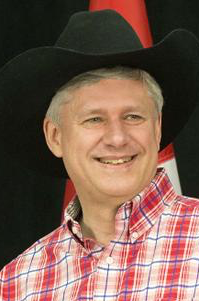
When Conservative Party leader Stephen Harper claimed on the campaign trail last week that Alberta’s new government was “a disaster,” Premier Rachel Notley and Finance Minister Joe Ceci calmly and cautiously responded.

But when Mr. Harper again criticized Alberta’s new government during a brief stop in Edmonton this week, Mr. Ceci delivered a sharply worded response criticizing the federal Conservatives eight consecutive years of budget deficits.

Stephen Harper Calgary Stampede
Stephen Harper

The decision to stay out of the personal fight was typical of Ms. Notley, who already demonstrated her ability to fly above the political fray when Saskatchewan Premier Brad Wall attempted to goad her into a political war of words last month.

Mr. Harper’s bluster is a sign of larger problems for the Ottawa Conservatives across Canada. Nationally, they are in a three-way race with the NDP and Liberals. Provincially, the political environment in Alberta has undergone a seismic shift and the Conservatives no longer have natural allies sitting in government in Edmonton.

Should Notley respond to McQuaig?
Linda McQuaig Oilsands Alberta
Linda McQuaig

Acting as if the topic of natural resource policy should be taboo in election campaigns, Conservative politicians and columnists have wasted no time pilling on Toronto Centre NDP candidate Linda McQuaig and other NDP and Liberal candidates for comments made about Canada’s oil sands .

Ms. McQuaig is known for her strong opinions about Canada’s natural resources, she should not be demonized for staking a position in the public debate (well-known public deviants such as former Bank of Canada Governor Mark Carney and former Premier Peter Lougheed also questioned the speed of growth and environmental impact of oil development).

Alberta Premier Peter Lougheed
Peter Lougheed

While support for the oilsands and pipeline construction is high in Alberta and Saskatchewan, there is significant public opposition in other parts of Canada.

A lax approach to environmental concerns has cost Alberta in political currency and a visceral reaction to these criticisms will not help build a successful public case for oilsands expansion and pipeline construction across Canada.

Having already described the oilsands as a “tremendous public asset,” Ms. Notley should not get caught in the trap of rebutting every political candidate or commenter who criticizes the province’s natural resource track record. The appointment of an expert panel to recommend a new approach to climate change has the potential to have a more positive impact on public opinion.

But what Ms. McQuaig’s comments do suggest is that a future divide between elements of the federal NDP and Ms. Notley’s provincial NDP over the future of natural resource development is almost inevitable. And when it comes to national debates about energy, Albertans will rally behind their Premier, regardless of who sits in office in Ottawa.

Categories
Alberta Politics

What’s at stake for who in the Calgary-Foothills by-election

The Calgary-Foothills by-election to replace former Progressive Conservative leader Jim Prentice, who resigned on the evening he was re-elected as MLA on May 5, will take place on September 3, 2015.

Jim Prentice Alberta Premier
Jim Prentice

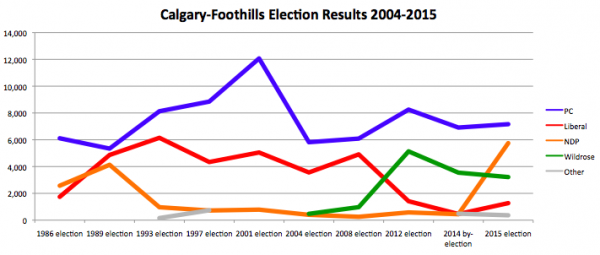
Like most constituencies in Calgary before this year’s election, Foothills has been a traditionally conservative voting area that elected PC MLAs since the party began its 44-year run as government in 1971. But unlike most constituencies in Calgary in the recent election, enough voters in Calgary-Foothills supported Mr. Prentice to avoid Rachel Notley‘s orange wave.

This by-election is the first electoral test for Ms. Notley’s new government since it was voted into office on May 5.

Rachel Notley Alberta NDP leader
Rachel Notley

The NDP have nominated former alderman Bob Hawkesworth, who also served as the NDP MLA for Calgary-Mountain View from 1986 to 1993.

With a comfortable majority of 53 MLAs in the Legislature, the NDP do not need to win this by-election, but a win would demonstrate that the NDP sweep in May can be expanded into new areas of the province. A very poor showing would be seen as a rebuke of Ms. Notley’s policies.

Showing how serious the party is taking the by-election opportunity, one of the Premier’s top communications staffers, former CBC reporter John Archer, tweeted last week that he would be taking a leave of absence from his job at the Legislature to work on Mr. Hawkesworth’s campaign.

Joe Ceci Calgary NDP
Joe Ceci

Expect Calgary NDP MLAs and cabinet ministers Finance Minister Joe Ceci, Justice Minister Kathleen Ganley and Human Services Minister Irfan Sabir to be flooding through this constituency many times over the next month.

Although the by-election will take place in the depths of summer, it also falls in the midst of a federal election campaign, which could create some fascinating political scenarios.

Ric McIver
Ric McIver

Federal Conservatives united behind Stephen Harper‘s federal party may be forced to choose sides between the old Progressive Conservatives now led by former Calgary alderman Ric McIver and the opposition Wildrose Party led by former Fort McMurray Conservative MP Brian Jean.

It is well known that many federal Conservative MPs, including Rob Anders and Jason Kenney, support the Wildrose but recent polls show the PCs remain popular in Calgary while the Wildrose opposition caucus is almost entirely based in rural Alberta. But in 2015, three former PC MLAs are running as federal Conservative candidates – Ron Liepert in Calgary-Signal Hill, Matt Jeneroux in Edmonton-Riverbend and former Calgary-Foothills PC MLA Len Webber in Calgary-Confederation.

Brian Jean Wildrose
Brian Jean

The by-election will be an important indicator showing if the PC still have a political pulse.The party remains in shock after their stunning electoral defeat and has yet to nominate a candidate to run in the by-election.

Update: AlbertaPolitics.ca author David Climenhaga reports that past city council candidate Blair Houston is expected to be nominated as the PC candidate.

Stakes are also high for the Wildrose Party and Mr. Jean. The Wildrose was unable to elect any candidates in Alberta’s two largest urban centres in the recent election, despite having elected two MLAs in Calgary in 2012. A Wildrose win in Foothills could torpedo activities by conservative operatives to merge the two conservative parties.

Greg Clark Calgary-Elbow Alberta Party
Greg Clark

Originally scheduled for August 15, the Wildrose has moved up their nomination vote to August 11, 2015 (John Huang, Kathy Macdonald, and Prasad Panda are contesting the nomination).

The by-election could also be an important test for the Alberta Party, whose leader Greg Clark was elected in Calgary-Elbow and has earned a reputation as a vocal critic of the NDP over the past three months. While still new to the Legislature, Mr. Clark has an opportunity to turn his party into the moderate conservative alternative to the PC Party and Liberal Party. The Alberta Party has yet to nominate a candidate.

The Liberals have nominated electrical engineer and past candidate Ali Bin Zahid, and Green Party leader Janet Keeping, who ran against Mr. Prentice in May, is running again.

Categories
Alberta Politics

NDP needs to explain why they changed their mind on Carbon Capture and Storage

“The Tories have bet $2 billion taxpayer dollars and our oil and gas industry’s sustainability on CCS. There’s no scientific consensus that the technology is safe in the long term. Any report of a failed CCS project should have the Tories thinking twice about their lopsided reliance on CCS.” – Rachel Notley, NDP MLA Edmonton-Strathcona (January 11, 2011)

“Ed Stelmach has no trouble handing out billions of real tax dollars for carbon-capture to his friends in the oil and gas sector. But when it comes to a plan that could create jobs and improve our environment, the money’s just not there.” Brian Mason, NDP MLA Edmonton-Highlands-Norwood (June 22, 2010)

I want to remind the House that this government has chosen to spend $1.3 billion on an unproven, unfounded technology, carbon capture and storage, and on other priorities of theirs. There’s money for them. Yet when it comes to supporting Alberta families and Alberta’s hardest workers, this government couldn’t be bothered to support or to find the money. – Deron Bilous, MLA Edmonton-Beverly-Clareview (December 3, 2013)

This whole idea of investing, giving industry so much money for carbon capture and storage – right? – is an absolute waste of money. We know full well that this is just another way for enhanced oil recovery. It’s another way for large energy corporations to receive public funding, and there’s very little evidence that this very expensive public investment will pay any significant returns either to our environment or to the original plant to which it was intended. – David Eggen, MLA Edmonton-Calder (April 17, 2014).

Yesterday’s statement by Energy Minister Marg McCuaig-Boyd that Alberta’s new government would honour the contracts signed with Shell for the Quest project and Enhanced Energy for the Alberta Carbon Trunk Line carbon capture and storage projects is a significant about face for the New Democratic Party government. The two projects are expected to begin operating in 2016.

In opposition, NDP MLAs were harshly critical of the governing Progressive Conservatives investments in the private energy projects (see the quotes listed above).

During the recent election, the NDP platform pledged to end the carbon capture contracts during the recent election campaign, proposing to reinvest hundreds of millions of dollars into public transit programs.

We will end the PCs’ costly and ineffective Carbon Capture and Storage experiment and reinvest the 2015/16 component of this project into construction of public transit, which will help reduce families’ transportation costs and reduce greenhouse gases and other air pollutants. – NDP 2015 election platform, page 18.

Originally marketed as part of the provincial government’s 2008 climate change plan, the Auditor General reported in July 2014 that “the total emissions reductions are expected to be less than 10% of what was originally anticipated.” The technology is unproven and unlikely to actually reduce carbon emissions in Alberta.

Ms. McCuaig-Boyd said in a statement that no further funding for carbon capture and storage is planned beyond the existing projects, but regardless of future plans, the NDP needs to better communicate why it is not fulfilling their promise to cancel the contracts.

If the financial penalties are too steep or investments already made are too large to justify cancelling the contracts, then Ms. McCuaig-Boyd should explain to Albertans how large these penalties would be or what the cost of withdrawing from the projects would be.

If the old Progressive Conservative government negotiated contracts for carbon capture and storage projects that were not in the best interest of Albertans, then the new government should say so.

Categories
Alberta Politics

7 Conservatives scandals that still haunt Alberta politics

After forty-four years of Progressive Conservative government in Alberta, it still feels surreal to believe that another party has been elected into government. Two and a half months after the NDP victory, Premier Rachel Notley is putting her stamp on Alberta politics. But Alberta’s new government is left to deal with some of the more unhelpful legacies created by the previous government. Here is a look at a few of the Progressive Conservative scandals that continue to haunt Alberta politics.

Funeral Homes

CBC reports that it has obtained documents showing how the Alberta Funeral Service Association pressured former minister Jonathan Denis and the Department of Justice to reopen a contract and abandon earlier efforts to control spending. CBC reports the contract was reopened and revised against the advice of a government lawyer and chief medical examiner Dr. Anny Sauvageau.
Kananaskis Golf Course

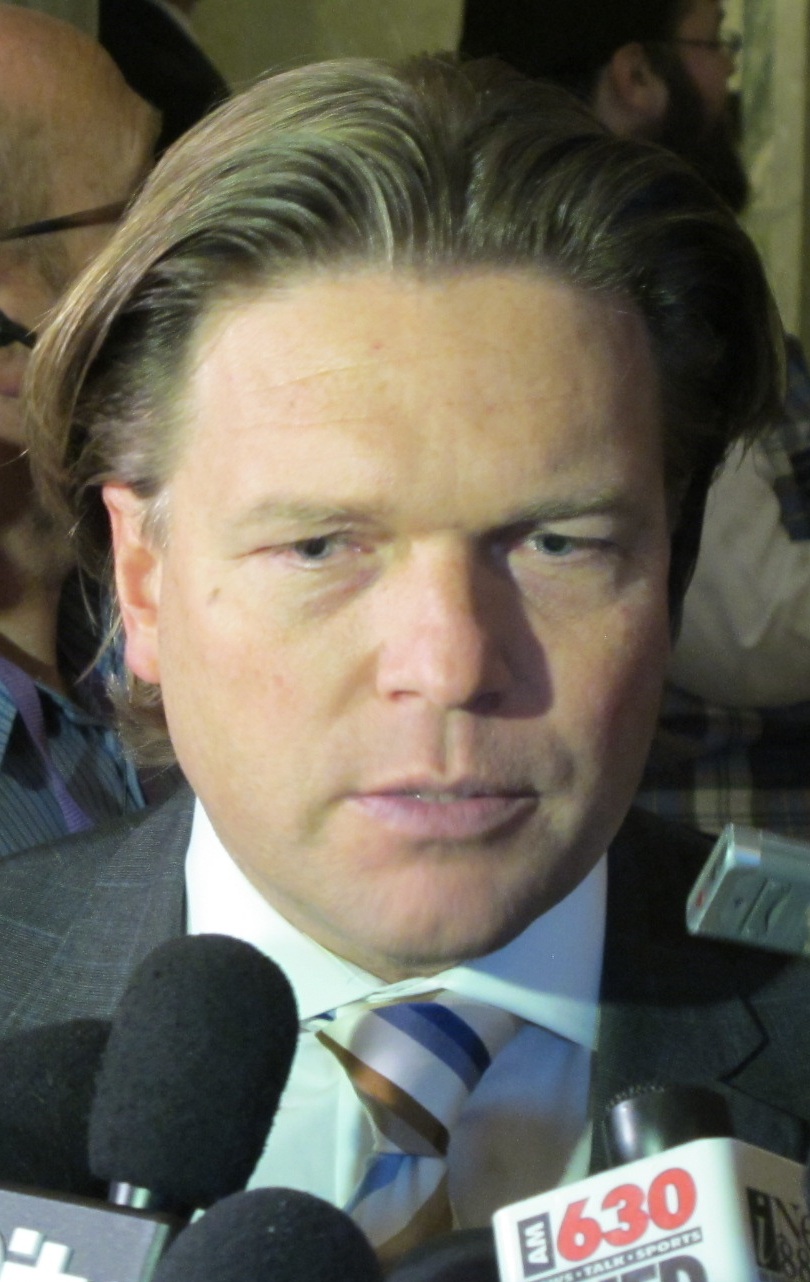
Alberta’s auditor general is reviewing a controversial contract between the government and a private company operating a publicly-owned Kananaskis golf course. During this year’s election, NDP MLA Brian Mason asked the auditor general to investigate why the government paid $9.3 million to the company, which is known to have connections to the PC Party. The golf course has been closed since the 2013 floods in southern Alberta.

Wildrose MLA Derek Fildebrandt, who chairs the Standing Committee on Public Accounts, has said he hopes to compel former PC cabinet ministers, including Diana McQueen, to appear at a committee meeting. Critics have criticized the 1983 contract as a “sweetheart deal.”
Airplane sale

The rushed sale of the government’s fleet of airplanes led to a $5 million loss for Albertans. This contradicts claims by former PC premier Jim Prentice that the sale of the planes netted $6.1 million for the government. The planes were sold after Ms. Redford and PC MLAs faced harsh criticism for alleged misuse of the government air fleet for personal and partisan activities.

Public Sector Pensions

Alberta public sector pension liabilities dropped by more than $400 million last year, suggesting evidence that changes planned to the funds by former premier Alison Redford and finance minister Doug Horner were not necessary. The attacks on public sector pensions alienated thousands of public sector workers in Alberta, many who voted for Ms. Redford’s PC Party in the 2012 election. The PC government’s planned changes to the pension plan were scrapped after Ms. Redford resigned as premier in early 2014.

Cowboy welfare

The auditor general reported that the government has been forgoing an estimated $25 million in annual revenue by not limiting surface rights compensation paid by the energy companies to holders of provincial grazing leases. The report states the province does not track which leases have oil and gas activity on them or how much was paid to the leaseholders for access to the natural resources.

“Current legislation allows an unquantified amount of personal financial benefit to some leaseholders over and above the benefits of grazing livestock on public land,” the report says.

Previous attempts to change the law governing the leases met fierce opposition from rural leaseholders, including a posse of sixty cowboys on horseback who tried to block premier Ralph Klein from visiting the Royal Tyrrell Museum in 1999.

Carbon Capture and Storage

The government’s large investments in carbon capture and storage development has not paid off, according to a July 2014 report from the auditor general. Marketed as a key piece of the PC government’s climate change plan, the auditor general reported that “with only two carbon capture and storage projects planned, the total emissions reductions are expected to be less than 10% of what was originally anticipated.”

The NDP pledged to end the carbon capture contracts and instead reinvest hundreds of millions of dollars into public transit programs, but high cost of cancelling binding contracts with private sector corporations developing the projects could solidify this PC legacy.

Heritage Fund

When premier Peter Lougheed created the Heritage Savings Trust Fund in 1976, the government dedicated 30% of annual revenues into the rainy day fund “to save for the future, to strengthen or diversify the economy, and to improve the quality of life of Albertans.” The PC government halted non-renewable resource transfers to the fund in 1987, when it was worth $12.7 billion. Investments into the fund were only started again in 2004.

Despite Alberta’s immense natural wealth, the fund is now only worth an estimated $17.4 billion.

Categories
Alberta Politics

Notley strikes a collaborative tone in Canada’s pipeline debate

This week’s Council of the Federation meeting in St. John’s, Newfoundland marked Alberta Premier Rachel Notley’s first appearance on the national stage since the NDP won a stunning victory in the May 5, 2015 provincial election. The new premier used the meeting to strike a more collaborative tone than her Conservative predecessors, who sometimes appeared more interested in chest-thumping than negotiating with their counterparts from other provinces.

Rachel Notley Alberta NDP leader
Rachel Notley

Taking a different approach raised the ire of one of Ms. Notley’s staunchest conservative critics, Saskatchewan Premier Brad Wall. Mr. Wall lashed out against Ms. Notley for her willingness to negotiate with Quebec Premier Philippe Couillard over the TransCanada corporation’s Energy East pipeline.

Three weeks ago, Mr. Couillard told reporters that he saw little economic value for his province from the Energy East pipeline. He was not alone in this opinion. Two-thirds of Quebecois are opposed to that pipeline, according to one poll released in late 2014. This opposition is likely the reason why Mr. Couillard laid out some potential conditions related to climate change and environmental issues in exchange for his support of the pipeline going through his province.

Brad Wall
Brad Wall

Mr. Couillard may have opposed the pipeline without a compromise and may still oppose it, but Ms. Notley has succeeded in keeping the dialogue open.

Like every other premier sitting around the table at this week’s meeting, Ms. Notley, Mr. Couillard and Mr. Wall have their own political agendas in mind.

While conservatives have fallen over themselves praising Mr. Wall as a voice for Canada’s oil industry, we should not believe for a moment that he has Alberta’s best interests in mind. In the days after Albertans elected Ms. Notley’s government on May 5, Mr. Wall and his ministers were inviting the oil industry to abandon Alberta and move east to Saskatchewan.

If you believe Mr. Wall that compromise on national issues is not acceptable, remember that he has asked the rest of Canada for concessions in the past, most recently when Saskatchewan agreed to sign on to the National Securities Regulator in 2014.

Shannon Phillips
Shannon Phillips

The premiers signed on to a Canadian Energy Strategy, which could be an important first step in national cooperation but does not approve pipelines or targets to reduce carbon emissions. As long as Prime Minister Stephen Harper and the federal Conservative government refuse to participate in these meetings, there is only so much that can be achieved.

What is clear is that previous strategies used by Alberta premiers to promote expansion of pipelines from Alberta’s oilsands has fallen flat. And with this week’s major oil pipeline leak in northern Alberta, critics and opponents of pipeline expansion to change their minds without assurances of stricter environmental regulations.

Compromise and negotiation should be part of politics in any democratic country. On any controversial projects, like cross-Canada pipeline expansion, it should be expected that local political realities in provinces and First Nations will slow, or block, attempts to force through industrial projects.

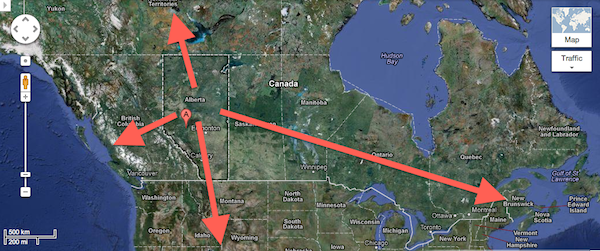
Alberta’s poor environmental record has helped fuel opposition to the oilsands and the proposed pipelines that would carry our natural resources to ports in all directions. Our province’s status as a national laggard on environmental issues is a big reason Ms. Notley and Environment Minister Shannon Phillips announced last month that University of Alberta economist Andrew Leach would lead a panel to recommend a new climate change plan for Alberta.

With a new government, Alberta has an opportunity to show our critics, through collaboration, negotiation and action, that strong leadership on economic and environmental issues are not mutually exclusive. That would be a refreshing change.

Categories
Alberta Politics

Calgary Stampede an important marker of political change in Alberta

Billed as the Greatest Outdoor Show on Earth, the Calgary Stampede is a must-stop destination for political leaders of all stripes and all levels of government. The event also provides a good historical marker of how quickly the political winds of change can sweep through Alberta.

Premier Rachel Notley Calgary Stampede Alberta
Rachel Notley

One year ago at last year’s Stampede, Dave Hancock was Premier of Alberta, Jim Prentice was an unstoppable candidate in the Progressive Conservative leadership race, the memory of Alison Redford was fresh in the minds of Albertans, Danielle Smith led the Wildrose Official Opposition, the Alberta Party was still on the fringe, and the NDP were in the midst of a leadership race many political watchers saw as a sideshow.

Now to this year’s Stampede, Rachel Notley is Premier of Alberta and there are 53 NDP MLAs in the Alberta Legislative Assembly (including 15 from the Calgary area), a former Member of Parliament named Brian Jean leads the Wildrose Official Opposition, former Calgary alderman Ric McIver leads a 9-MLA PC Caucus, Alberta Party leader Greg Clark is an MLA, and Mr. Prentice has disappeared from the political landscape.

Stephen Harper Calgary Stampede
Stephen Harper

The changes that took place between the two Stampedes are an important reminder about how quickly political change can happen, even in a province that is known for turning political parties into governing dynasties.

With the October 19 federal election less than four months away, it is also an important reminder to Conservative Prime Minister Stephen Harper that even voters in the Canadian conservative movement’s spiritual homeland cannot be taken for granted. That thought must have crossed Mr. Harper’s mind as he met with Ms. Notley for the first time this week in Calgary.

The provincial election win has boosted the NDP’s credibility and organizational strength, especially in Edmonton, but it is not clear how this will translate in the federal election. Ms. Notley’s win has created opportunity for the federal NDP in Alberta, especially for candidates like Janis Irwin in Edmonton-Griesbach and Linda Duncan in Edmonton-Strathcona. As Tom Mulcair‘s federal NDP focus their resources in Quebec, Ontario and British Columbia, it is to their advantage to put the Conservatives on the defensive in Alberta, a situation that has not happened very often.

Kent Hehr Liberal Calgary Centre
Kent Hehr

Meanwhile, Liberal leader Justin Trudeau has reason to be optimistic after his party’s candidate’s came close to winning by-elections in Calgary-Centre in 2012 and Fort McMurray-Athabasca in 2014. The Liberals have also nominated a slate of high profile candidates that includes Kent Hehr in Calgary-Centre, Darshan Kang in Calgary-Skyview and Amarjeet Sohi in Edmonton-Mill Woods.

The Conservatives are still expected to hold most of Alberta’s ridings in the upcoming federal election but the NDP and Liberals could make gains in the major urban centres.

The truth is that federal Conservatives have always taken Alberta voters for granted, and they have had reason to. Albertans have not elected more than 2 non-conservative MPs in any federal election since 1993. The Conservatives even held all 28 of the province’s federal ridings between 2006 and 2008.

With a federal election fast approaching and and increasingly stale government approaching ten years in Ottawa, the Conservatives may need to spend more time campaigning in Alberta in the next few months, or else there could be a whole new cast of federal politicians wearing plaid shirts and cowboy boots at next year’s Calgary Stampede.

Categories
Alberta Politics

Gearing up for another Calgary-Foothills By-Election

Voters in Calgary-Foothills will face their third election in less than a year when a by-election is called to replace Jim Prentice in the next few months. I’ve created a special page to track candidate nominations and news about the upcoming by-election. Here are the latest candidate updates:

New Democratic Party: Past candidate Anne Wilson and former MLA and city councillor Bob Hawkesworth, are seeking the NDP nomination. Ms. Wilson was the NDP candidate in the recent election and earned 32% of the vote. Mr. Hawkesworth represented Calgary-Mountain View from 1986 to 1993 and was elected as a city councillor for a ward south of the Foothills constituency. This will be the first electoral test faced by the new NDP government since Rachel Notley led them to victory on May 5. The nomination meeting has been scheduled for July 27, 2015.

Wildrose: Retired police officer Kathy Macdonald will seek the Wildrose nomination. Ms. Macdonald placed second with 30% in the 2014 by-election in this constituency.

LiberalAli Bin Zahid announced on Twitter that he would once again seek the Liberal Party nomination. He was that party’s candidate in the recent election and earned 7.2% of the vote.


I have not yet heard any rumours about who might seek the Progressive Conservative nomination. Voters in this constituency have elected PC MLAs since 1971 but following Mr. Prentice’s abrupt resignation in May 2015 they may not be sympathetic to the next PC candidate (who will now represent the third place party).

Update: Green Party leader Janet Keeping has confirmed she will stand as a candidate in the Calgary-Foothills by-election.

Categories
Alberta Politics

Notley NDP waste no time implementing popular progressive agenda in former conservative heartland

Banning corporate and union donations: Check.
Restoring funding to health, education and human services: Check.
Increasing corporate taxes: Check.
Introducing a new climate change strategy: Coming soon.
Phasing in a $15 per hour minimum wage: Coming soon.
Reviewing Alberta’s natural resource royalty framework: Coming soon.

Progress is the order of business in Canada’s so-called Conservative heartland as Premier Rachel Notley’s newly elected Alberta NDP government begins implementing the main promises from their winning election platform. Leaders of the previous PC regime, Alison Redford and Jim Prentice, styled themselves as Progressive Conservatives, their actions rarely matched their words. The NDP proposed a fairly moderate progressive agenda and it is refreshing to see it take action so quickly after the election.

Marg McCuaig Boyd
Marg McCuaig Boyd

Revenue and tax reform was a big issue before and during the recent election, with Mr. Prentice and the opposition argued over how best to remove Alberta from the oil revenue roller coaster. It remains clear that Alberta cannot continue to rely on revenues generated from oil and gas royalties to fund the provincial operating budget. Both the PCs and NDP proposed tax increases in the recent election, but Mr. Prentice’s refusal to increase corporate taxes, even symbolically, was a huge miscalculation.

While conservatives preach doom and gloom, our province still has corporate and personal tax rates lower than when Ralph Klein was premier, no provincial sales tax, and huge reserves of oil and gas. Alberta will now have the same corporate tax rate as Saskatchewan and Manitoba.

Deron Bilous Edmonton Alberta MLA Minister
Deron Bilous

But there is still plenty more for the new government to do. Agriculture Minister Oneil Carlier should extend protections to farmworkers injured on the job. Municipal Affairs Minister Deron Bilous should follow calls from Calgary’s Naheed Nenshi and Edmonton’s Don Iveson and Michael Janz to reform municipal election finance laws. And the province can do much more to clean up provincial election laws, something that a new all-party committee will be tasked to do soon (and they should consider adopting some of the amendments made by Wildrose MLAs during recent debates in the Legislature).

Kathleen Ganley NDP Calgary Buffalo
Kathleen Ganley

Apologizing for previous governments lack of action to stop residential schools and calling for a national inquiry into missing and murdered aboriginal women was absolutely the right step to take but action needs to follow. Justice and Aboriginal Affairs Minister Kathleen Ganley needs to show through government policy that this apology is more than just political posturing.

The government also announced it will soon take action to improve Alberta’s record of poor environmental management and lack of action of climate change, which has helped fuel international opposition to pipeline expansion and the oil sands. On climate change, the PCs lost the public relations battle years ago. Now the challenge will fall to Ms. Notley, Environment Minister Shannon Phillips and Energy Minister Marg McCuaig-Boyd to win the policy war on climate change.

Shannon Phillips
Shannon Phillips

I do not have enough room in this post to even begun to discuss the challenges facing Health Minister Sarah Hoffman and Education Minister David Eggen (which will be included in a series of future posts).

As the new government moves forward with what in most other provinces would be considered a moderate progressive agenda, Canada’s conservative outrage industry is gearing up its attacks on the Alberta’s new government.

Talking heads like Ezra Levant are fuelling the paranoia of right-wing fringe conservatives afraid we are witnessing a Red Dawn-style communistic coup (federal Conservative candidate Kerry Diotte and Wildrose MLAs Drew Barnes and Rick Strankman were among the registered spectators at one of Mr. Levant’s travelling circus shows). And recent opinion editorials by critics like conservative economist Jack Mintz, who suggested Alberta could be the next Greece, have verged on the bizarre.

Drew Barnes Wildrose MLA Cypress Medicine Hat
Drew Barnes

Ms. Notley and Infrastructure Minister Brian Mason moved quickly to quell criticism of their fiscal plan by announcing last week that former Bank of Canada Governor David Dodge will be advising the Premier on infrastructure investment issues. Hiring Mr. Dodge is a smart move and shows a willingness to bring in talent from outside traditional NDP circles.

Aside from the angry conservatives, the new government appears to still enjoy popular support from Albertans, who tossed out the scandal-ridden and tone deaf Tories on May 5. Recent polling shows Ms. Notley, still in her honeymoon period, enjoying the approval of 53% of Albertans, making her the second most popular premier in Canada next to Saskatchewan’s Brad Wall.

The NDP need to be careful not to cut short their honeymoon by making small mistakes. They have already faced criticism for hiring too many provincial outsiders and the media is poking around the perceived influence of Ms. Notley’s husband. These are minor issues that I am sure most Albertans will look past today but the small mistakes can pile up quickly if the new government is not careful.

If the NDP can continue to limit their missteps, focus on implementing their popular platform, and remember why Albertans endorsed Ms. Notley’s charismatic leadership, they will enjoy a warm welcome on the summer political barbecue and parade circuit.

Categories
Alberta Politics

First NDP Throne Speech on message. McIver Tories totally tone deaf in opposition.

The NDP throne speech was predictable and on message

Joe Ceci Calgary NDP
Joe Ceci

The first Speech from the Throne of Alberta NDP Premier Rachel Notley‘s administration included many of the key promises made during the recent provincial election.

The 604,515 Albertans who voted NDP should be pleased that the new government is following through with its promises to end corporate and union donations, increase corporate taxes from 10% to 12%, create a more progressive income tax system, and temporarily restore funding to health care, education and human services that was cut by the previous Progressive Conservative government.

The speech also signalled that the NDP will not rush haphazardly into a review of Alberta’s natural resource royalties, which was a key promise during the election. Despite the increasingly bizarre arguments being published in conservative newspapers, Ms. Notley is smart to take a careful and calm approach to ensuring that Albertans are receiving the best value for their natural resources.

One of the NDP’s largest challenges during this spring sitting of the Legislature falls upon Finance Minister Joe Ceci, who will be responsible for shepherding the Interim Supply Bill that will allow the government to continue operating until a new budget is introduced later in 2015.

Tories tone deaf on corporate donations

Ric McIver
Ric McIver

From their new home in the opposition benches, the message from PC interim leader Ric McIver against banning corporate donations was incredibly tone deaf. Mr. McIver’s opposition to the ban is not ideological (the Wildrose Party supports the ban) but purely practical. The PC Party relies heavily upon corporate donors for the large majority of its donations, unlike the NDP and Wildrose parties which have cultivated a large individual donor base.

A report released by the Parkland Institute last week showed that the PC Party received more than $630,000 from corporate donors during the first three-months of 2015, compared to $151,000 in individual donations of $251 or over.

During the recent election, PC leader Jim Prentice faced harsh criticism for refusing to raise corporate tax in the provincial budget while personal income taxes and many fees were increased. Culminating with a disastrous press conference held by four CEOs supporting the PCs, the corporate taxes issue led many Albertans to believe that the PCs were protecting their major donors rather than the best interests of the province.

Canadian Energy Strategy

Shannon Phillips
Shannon Phillips

Perhaps signalling that Alberta will once again seek an important role on the national stage, the throne speech alluded to plans to  “forge a much stronger partnership with our fellow provinces and with the federal government, in order to build a Canadian Energy Strategy.”

A new approach to energy cooperation on the national stage, which could include increased support for the proposed TransCanada Energy East Pipeline, along with a new climate change strategy promised by Environment Minister Shannon Phillips, could lead to Alberta being a more involved player at the July 15-17, 2015 Council of the Federation meeting in St. John’s, Newfoundland.

Reaching out to opposition parties, setting a new tone

Marking a clear break from the previous PC government, Ms. Notley reached out to the opposition parties in the first day of the new legislative session, announcing the formation of two new multi-party committees.

Lesser Slave Lake NDP MLA Danielle Larivee, a Registered Nurse, and Calgary-Mountain View Liberal MLA David Swann, a physician, will co-chair a mental health review committee. And Ms. Notley announced that she and Wildrose leader Brian Jean will cooperate in the creation of a special legislative committee composed of nine government MLAs and eight opposition MLAs that will “review Alberta’s elections, whisteblower and conflict of interest legislation” (they should look at banning corporate and union donations in municipal elections as well).

Categories
Alberta Politics

June 15 marks the end of the NDP’s trek through Alberta’s political wilderness

On June 15, 2015, Alberta’s new government will present its first Speech from the Throne. Read by new Lieutenant Governor Lois Mitchell, the speech will represent the first official major statement made by Premier Rachel Notley’s NDP government since its stunning election win on May 5.

Premier Ralph Klein
Ralph Klein

In an important lesson about how political fortunes can change, June 15 also marks the 22nd anniversary of Alberta’s 1993 provincial election, which marked the beginning of the Alberta NDP’s long march through the political wilderness.

On June 15, 1993, the official opposition NDP led by Ray Martin saw their political fortunes plummet from 15 to zero MLAs in an election dominated by the Liberals led by former Edmonton mayor Laurence Decore and Progressive Conservatives led by former Calgary mayor Ralph Klein.

Ray Martin NDP MLA School Trustee Edmonton Alberta
Ray Martin

The NDP regained a beachhead in the Legislature four years later and their tiny caucus spent the next eighteen years fluctuating between two and four MLAs before electing 54 MLAs in the historic 2015 election.

Twenty-two years after Alberta’s Klein-era began, a populist centre-leftish New Democratic Party was elected with a majority government while promising prescriptions to heal much of the damage caused by the short-sighted slash and burn policies of Mr. Klein’s government.

In contrast, the two parties that dominated Alberta’s political landscape 22 years ago today are decimated. After 44 years in power the PC Party has been relegated to opposition benches with 9 MLAs and the Liberals are searching for meaning with only one MLA left in the Assembly.

With a clean slate and a fresh mandate, the first NDP throne speech will lay out the new government’s plans for its four year term as government, marking Alberta’s first change in government since 1971.

Blast from the Past
Anne Wilson NDP Calgary Foothills
Anne Wilson

The resignation of PC leader Jim Prentice on election night means that a by-election will need to be held in Calgary-Foothills within the next six months.

Lawyer Anne Wilson earned 32% while standing as the NDP candidate against Mr. Prentice in the recent election and has announced she is seeking the NDP nomination.

Facebook page has been created to draft former Calgary City Councillor and NDP MLA Bob Hawkesworth to seek the nomination. Mr. Hawkesworth served as a city councillor from 1980 to 1986 and 1994 to 2010, and as the NDP MLA for Calgary-Mountain View from 1986 to 1993 (in 1986 he defeated young PC candidate Mr. Prentice in his first electoral bid).

Retired Calgary police officer Kathy MacDonald has expressed interest in seeking the Wildrose nomination in this by-election. Ms. MacDonald was the Wildrose candidate in the October 2014 Calgary-Foothills by-election and general election candidate in the Calgary-Mackay-Nose Hill constituency. The Wildrose were unable to elect any candidates in Calgary in the May election.

PC Party tossed into the wilderness

Beginning their own trek through the political wilderness, the PC Party has hired Calgary consultant and long-time party loyalist Troy Wason as interim managing director. Amid rumours that the long governing party is deep in debt, the PC Party announced shortly after the election that it was laying off most of its paid staff and could close down its offices in Calgary and Edmonton.

Categories
Alberta Politics

Notley’s NDP should ban corporate and union donations in municipal elections

One of the main promises made by the NDP before their win in the May 2015 provincial election was a commitment to ban corporate and union donations in provincial politics.

Current campaign finance laws allow individuals, corporations and labour unions to donate a maximum of $15,000 per year to a provincial political party in a non-election period and a maximum of $30,000 during an election period. The previous governing party, the Progressive Conservatives, relied heavily on corporate donations to fill their coffers but the new governing New Democratic Party and official opposition Wildrose Party have cultivated large individual donor bases that contribute smaller donations so they do not rely on larger donations.

The NDP should not limit the ban on corporate and union donations to the provincial level, they should also ban corporate and union donations in municipal elections. The provincial legislature approves the law that governs municipal election financing, which allows corporate, union and individual donations up to $5,000 during an election year. The provincial law also allows for an odd exemption that individual municipal candidates can contribute a maximum of $10,000 to their own campaign.

Research compiled by the Edmonton Federation of Community Leagues in June 2014 found that in Edmonton’s recent municipal elections: (1) the most successful fundraiser was the victorious candidate in 100% of ward races; (2) successful candidates raised an average of three times more money than the second place candidate in their respective race, and four times more than all other candidates combined; and (3) on average, successful candidates received more than five times the number of donations be- tween $101 and $4,999 than other candidates, and close to triple the number of $5,000 donations (the maximum contribution).

‘The EFCL is concerned that some of our most dedicated and qualified potential public servants are getting priced out of office. It is also concerned about council members being placed in difficult situations, when the majority of the donations are coming from companies and unions that have a direct interest in decisions made by city council.’ – EFCL

Along with eliminating corporate and union donations, the NDP should also impose a cap on the total amount a candidate or campaign can spend during a campaign. While there are currently no rules, in 2010, Calgary mayoral candidate Naheed Nenshi pledged to cap his campaign’s spending at $0.65 per resident.

The EFCL also wrote in their report that municipal candidates elected to Edmonton’s 12 councillor positions raised more than $80,000 on average in 2013, including three who raised more than $100,000 and two who raised less than $50,000. The most successful fundraiser was the victorious candidate in 100% of the ward races and successful candidates generally raised three times more money than the second place candidate. Many of these donations came from corporations and unions, including building developers who have a special interest in currying good relationships with municipal councillors.

In a recent op-ed in the Edmonton Journal, Public Interest Alberta‘s Larry Booi called on the new NDP government to institute campaign spending limits, lower contribution limits to $1,200 per year, impose much stronger rules on disclosure of contributions and spending and extend the rules on contributions and spending to cover party leadership and constituency contests. While Mr. Booi’s column focused on provincial campaign finance changes, there is no reason why they also cannot be extended to municipal election campaigns.

While the rules governing third-party campaigns in provincial elections are problematic, the provincial government needs to lay out fair rules governing financial disclosures and amounts that third-party campaigns and lobby groups can spend influencing voters in municipal elections. There are already plenty of examples of wealthy individuals attempting to advance their political agendas by supporting unaccountable lobby groups, as was the case with Calgary’s infamous Sprawl Cabal‘s plans to throw more than $1 million behind Preston Manning‘s “Municipal Governance Initiative,” and the anonymous donors behind the shady ‘St. Albert Think Tank.’

The province needs to create a formal enforcement and investigation mechanism to respond to complaints about potential breeches of the municipal campaign donation laws. In one case, both the City of St. Albert and the provincial government refused to verify the candidate financial disclosures or enforce them after complaints were made by members of the public.

“My role as returning officer is to receive the submissions that candidates provide … and to make them publicly available and that’s really the extent of our role in this process,” a St. Albert’s returning officer told the St. Albert Gazette in 2014. If the municipalities will not enforce the provincially-imposed laws, then the provincial government should create an organization that will.

Premier Rachel Notley and Alberta’s new NDP government have pledged to ban corporate and union donations in provincial politics, and they now have what could be a once in a lifetime opportunity to clean up election finance laws in Alberta’s municipal elections as well.

Parkland report calls for political finance reform

The University of Alberta-based Parkland Institute released a new report this morning, Ending Pay to Play: The Need for Political Finance Reform in Alberta: “Given the consensus that exists between the government and official opposition to ban corporate and union donations, it should act immediately to do so. While this in itself would be a major victory for democracy, it is crucial that the government does not stop there, but rather works to fundamentally reform Alberta’s political culture in the public interest.”

Categories
Alberta Politics

Alberta’s new political insiders mostly come from outside Alberta

Edmonton Journal report Karen Kleiss published a story this week naming the new Chiefs of Staff hired to advise Alberta’s twelve NDP cabinet ministers and manage their offices at the Legislature. The new government has faced criticism for hiring too many staff from outside of the province and Premier Rachel Notley‘s NDP have responded that the new government needs to hire the best people for the job no matter where they come from (even Alberta’s premiere Tory lobbyist companies are hiring British Columbia New Democrats to advise them about Alberta’s new political landscape).

The criticism is valid. A balance of experience and local knowledge is required within the senior ranks of the new government, and as a Alberta’s first new government in 44 years, there might not be many operatives in-province with non-Progressive Conservative governing experience to rely on.

As previous premier’s Alison Redford and Jim Prentice discovered, filling senior political jobs with outsiders who may not be familiar with the provincial political environment can alienate party loyalists and MLAs and lead to embarrassing mistakes.

List of Alberta’s Ministerial Chiefs of Staff

Lisa Blanchette, Education, Culture and Tourism: Former organizer for ACTRA Toronto, previous employee of SEIU, and national political action coordinator for the United Steelworkers.

Jessica Bowering, Justice and Solicitor General and Aboriginal Relations: Lawyer and former director of Legal Services for the British Columbia Nurses Union.

Tony Clark, Human Services: Former research for the Alberta Federation of Labour and staffer for the NDP Opposition Caucus.

Brent Dancey, Environment and Parks and the Status of Women: Former Special Assistant to Premier Greg Selinger‘s Office for Manitoba Hydro.

Scott Harris, Agriculture and Forestry: Former Political Research Coordinator in Office of the Leader of the NDP Official Opposition in Ottawa.

Graham Mitchell, Energy: Former Director of Training and Leadership at the Broadbent Institute and former Executive Assistant to Toronto City Councillors Jack Layton.

Bill Moore-Kilgannon, Health and Seniors: Former Executive Director of Public Interest Alberta, President of the Riverdale Community League.

Nathan Rotman, Finance and Treasury Board: Former National Director of the NDP, former campaign manager for Toronto mayoral candidate Olivia Chow, former national director of  Political Action and Campaigns at the Canadian Labour Congress.

Nathaniel Smith, Municipal Affairs and Service Alberta: Former organizer for the NDP in Halifax, former executive assistant to NDP cabinet ministers in Nova Scotia.

Steve Stringfellow, Innovation and Advanced Education and Jobs, Skills, Training and Labour: Former CUPE National Representative in Alberta and BC NDP campaign manager.

Robin Steudel, Infrastructure and Transportation: Former Principal Secretary to the Alberta NDP Caucus, former Communications Officer at the NDP Official Opposition in British Columbia, former spokesperson for the Yukon NDP, and federal NDP communications officer.

Brian Topp, International and Intergovernmental Relations (Premier): NDP campaign manager, former federal NDP leadership candidate, deputy chief of staff to former Saskatchewan Premier Roy Romanow.

Journos flee the fourth estate for NDP jobs

Intrepid CBC reporter John Archer announced this week that he has accepted a job in the Premier’s Media Relations Office. Mr. Archer is one of a handful of journalists who have recently accepted jobs with the new NDP government, including Veronica Jubinville and Laura Tupper from CTV, and Jeremy Nolais and Leah Holoiday from Metro.

Categories
Alberta Politics

The tough road ahead for Alberta’s opposition PC Party

When Members of Alberta’s Legislative Assembly gather on June 11 to choose a new Speaker, the seating chart will be unlike anything Albertans have seen in this province’s 110 year history. Premier Rachel Notley‘s New Democrats will occupy the majority of the seats, the Wildrose Party will sit as Official Opposition, and for the first time in 44 years the Progressive Conservative MLAs will sit in the opposition benches.

Ric McIver
Ric McIver

The three other political parties that previously held government in Alberta faded into obscurity soon after losing power. With the exception of the Liberal Party, none of the other parties (the United Farmers of Alberta and the Social Credit Party) ever reemerged into Alberta politics a meaningful way (though the UFA transformed into a successful agricultural cooperative).

And with these historical precedents in mind, it will undoubtably be a tough transition for the remaining PC MLAs and their party, who have no institutional memory of how to operate in opposition.

The PC Party has actually appointed a transition team to help navigate the party into opposition. While other provincial conservative parties in Canada can rely on their federal counterpart for assistance, it has been long suspected that many in the Conservative Party of Canada favour the more conservative Wildrose Party over the PCs.

Preston Manning
Preston Manning

A big challenge facing PC MLAs in the upcoming session of the Legislature is to simply be relevant now that they are no longer in government. Interim leader Ric McIver announced his caucus critic roster today (see the list below) and it will be fascinating to watch how those MLAs perform in their new roles. It is still yet to be seen what the motley crew of nine MLAs that make up the PC Caucus have in common politically, other than wanting to have been elected into government, or if they can even work together as a team.

Who does and does not vie to become the party’s seventh leader in the past ten years will also be telling. Former cabinet ministers Mr. McIver and Manmeet Bhullar are frequently named as possible contenders, as is former deputy premier Thomas Lukaszuk, who was unseated by Nicole Goehring in the NDP sweep of Edmonton. What political direction these potential leaders would lead the new party is unknown.

Thomas Lukaszuk MLA Edmonton-Castle Downs
Thomas Lukaszuk

Losing power after 44 years in office makes the PC Party a brokerage party with nothing left to broker. And while a future in opposition without the comfort of large corporate donations may look bleak, PC Party supporters now have an opportunity to redefine what their party stands for and rebuild its credibility after crippling election defeat. While the memory of PC scandals and arrogance are fresh in the minds of Albertans today, including distasteful comments recently made by a member of the PC Party board, there are four long years before the next election.

We can expect many of the usual suspects, including professional political meddler Preston Manning, to advocate a merger of two main conservative parties. Both PC and Wildrose MLAs should not forget the role Mr. Manning played in manufacturing the disastrous floor-crossing that critically damaged both conservative parties in Alberta before the recent election.

Because of its history and bitter political differences, future floor crossings are not a palatable option and a merger of the PC Party and Wildrose Party would probably not be a match made in heaven. If it is possible for the PC Party to survive outside of government, could it play a role in Alberta politics as an urban based conservative opposition?


Here is the PC Opposition Caucus critic roster for the upcoming session of the Legislature:

PC MLA Critic Role
Ric McIver, MLA
Calgary-Hays
  • Interim Leader
  • Jobs, Skills, Training and Labour
  • Municipal Affairs
Wayne Drysdale, MLA
Grande Prairie-Wapiti
  • Caucus Whip
  • Agriculture, Forestry and Rural Development
  • Transportation
Richard Starke, MLA
Vermilion-Lloydminster
  • PC Opposition House Leader
  • Culture and Tourism
  • Health
  • Parks and Recreation
Richard Gotfried, MLA
Calgary-Fish Creek
  • International and Intergovernmental Relations
  • Seniors
Manmeet Bhullar, MLA
Calgary-Greenway
  • Finance and Treasury Board
  • Infrastructure
Dave Rodney, MLA
Calgary-Lougheed
  • Aboriginal Relations
  • Innovation and Advanced Education
Sandra Jansen, MLA
Calgary-North West
  • Education
  • Human Services
  • Status of Women
Rick Fraser, MLA
Calgary-South East
  • Energy
  • Environment and Sustainable Resource Development
Mike Ellis, MLA
Calgary-West
  • Justice and Solicitor General
  • Service Alberta


Categories
Alberta Politics

Navigator hires Notley’s press secretary. Former NDP, Wildrose, PC MLAs go into business.

The realm of government relations and lobbying is a world that most Albertans will never be exposed to. The industry of influencing elected officials and government policy as practiced by private lobbying companies and government relations departments has been turned on its head by the recent election of the New Democratic Party in Alberta.

Faced with the reality that the government had not changed since 1971, most companies and lobbyists ignored the opposition parties and focused their efforts entirely on influencing politicians associated with the Progressive Conservative Party.

A search through the public Lobbyist Registry reveals dozens of former PC cabinet ministers, MLAs and staffers working as lobbyists for various companies and organizations. For many decades networking within the PC Party was the only strategy that could produce changes in government policy. That business plan is now obsolete. It is completely shattered.

Now with Premier Rachel Notley’s NDP as government, many companies and lobbyists with deep PC Party connections are searching for and reaching out to any New Democrats who may have connections and influence with the new government and, perhaps most importantly, have some insight into how Alberta’s new political leaders will operate.

  • An email circulated by Navigator Senior Principal Jason Hatcher last week announcing that Sally Housser, Press Secretary to  Ms. Notley during the recent election campaign and former deputy national director of the federal NDP, had been hired as a Senior Consultant in Edmonton. Navigator is known for its political connections to the PC Party, with Managing Principal Randy Dawson serving as the 2015 PC Party campaign manager and Mr. Hatcher as a spokesperson for Jim Prentice‘s 2014 leadership campaign.
  • Impact Consulting, a company run by Premier Ed Stelmach’s former Chief of Staff Elan MacDonald, recently announced the hiring of former NDP Caucus Communications Director Brookes Merritt. Mr. Merritt was a well-respected journalist in Alberta before working for the NDP Caucus and more recently in communications roles with the Government of Alberta.
  • Former NDP MLA Leo Piquette, former Wildrose MLA Shayne Saskiw and former PC and Wildrose MLA Guy Boutilier have joined forces with federal Conservative candidate Shannon Stubbs (Mr. Saskiw’s wife) and former Wildrose Party executive director Jonathon Wescott at the “Legal and Lobby” company Alberta Counsel Ltd. Mr. Piquette’s son, Colin Piquette, was recently elected as the NDP MLA for Athabasca-Sturgeon-Redwater, which raises questions about how much influence the father might have over his son in this new role.
  • The Hill Times reports on the response to the NDP election win by some of Canada’s larger government relations and lobbyist companies.