Categories
Alberta Politics

Notley searches for her Lougheed moment by demanding pipelines for Trudeau’s carbon tax

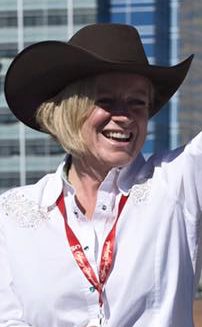
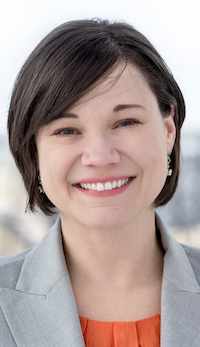
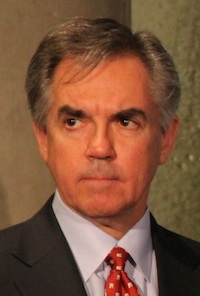
Demanding the federal government help “break the landlock” and support the construction of oil pipelines from Alberta, Premier Rachel Notley and Environment and Parks Minister Shannon Phillips drew a line for Alberta’s support of the Justin Trudeau government’s proposed national carbon pricing plan. In a statement released today, Ms. Notley stated that the Alberta government would not support the federal carbon pricing plan without federal support for increased “energy infrastructure” (a.k.a. oil pipelines).
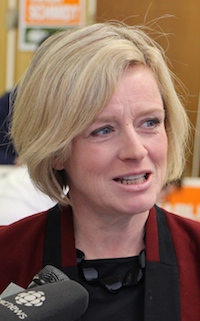
Rachel Notley Alberta NDP leader
Rachel Notley

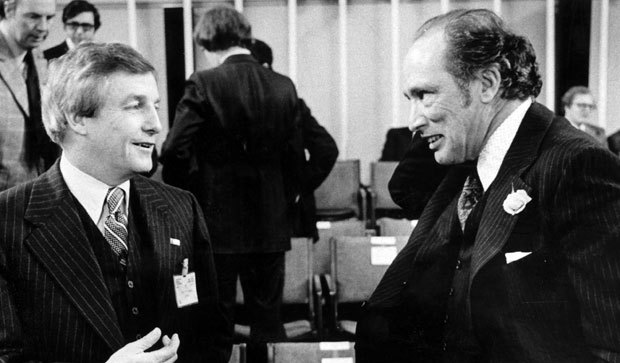
There is nothing more Albertan than a good old fashioned political battle between the provincial government and Ottawa over energy issues. Premier Notley may be hoping this standoff could be reminiscent of the heated political disputes that took place between the governments of Premier Peter Lougheed and Prime Minister Pierre Trudeau in the 1970s and 1980s. In the case of Mr. Lougheed, an iconic figure in Alberta politics, political fights with Ottawa can help boost a politician’s popularity at home.

When Progressive Conservative leader Jim Prentice began casting the New Democratic Party as “extremists” during the 2015 election, Ms. Notley frequently turned to quotes by Mr. Lougheed to support her party’s positions on issues like raising corporate taxes.

Ms. Notley’s NDP have been vocal supporters of the expansion of the Kinder Morgan Trans-Mountain Pipeline and the TransCanada Energy East Pipeline since she became party leader in 2014. Now, as government, the Alberta NDP’s support for oil pipeline expansion has contributed to an increasingly deep divide between the national and provincial NDP in this province. The national NDP, with strong support in anti-pipeline constituencies in British Columbia, Ontario and Quebec, has played a much less supportive role in advocating for Alberta’s oil industry.
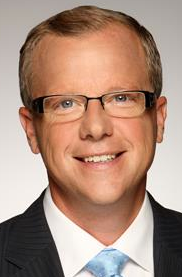
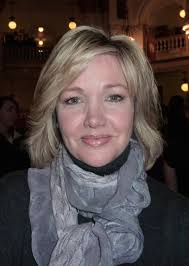
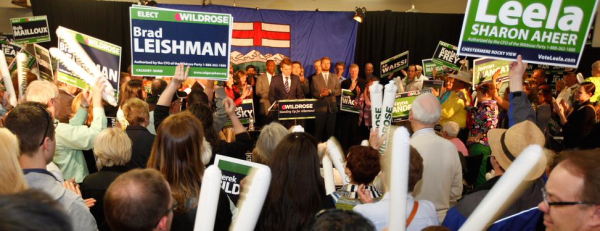
Brad Wall
Brad Wall

The Alberta government’s criticism of the federal government puts Ms. Notley in the company of conservative Saskatchewan Premier Brad Wall, a constant critic of Ottawa. But unlike Mr. Wall’s government, which has dragged its feet on tackling climate change, Ms. Notley’s government cannot be accused of doing nothing to address climate change. Alberta’s NDP government has led the charge with its flagship ‘Climate Leadership Plan‘ which includes its own carbon tax and an aggressive phasing out of dirty coal-fired power plants.

The Alberta NDP plan enjoys the support of environmental groups and oil and gas industry heavyweights like Cenovus, Suncor, CNRL and Shell.

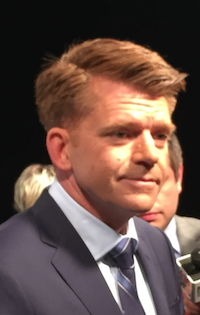
Meanwhile, opposition groups like the Wildrose Party are literally hoping to rehash the political battles of the 1980s. The official opposition Wildrose Party circulated a meme online today comparing the national carbon tax announcement to the unpopular National Energy Program of the 1980s. The Wildrose Party continues to be fierce critics of the federal Liberals and NDP but party leader Brian Jean has yet to offer any alternative solutions to reduce carbon emissions.
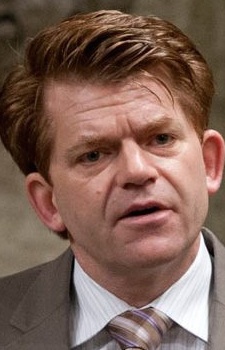
Brian Jean Wildrose
Brian Jean

Ironically, the Wildrose Party’s 2015 election platform proposes to “Ensure Alberta’s standards for CO2 emissions and pollutants are in line with national and international standards.” This statement was written during a time when Stephen Harper was Prime Minister and a national climate change plan was nowhere on the agenda. It is amazing how quickly politics can change in a short seventeen months.

‘Breaking the landlock,’ which I predict will become the latest political buzzword, is analogous to the “bitumen bubble” that former premier Alison Redford warned Albertans of in a televised address in 2014. Both buzzwords are part of a public campaign to build pipelines that would presumably allow for easier export of Alberta’s oil, and allow the private companies exporting the oil to sell Western Canadian Select at a lower discount rate than in previous years. This probably would not make a significant difference to Alberta until the international price of oil rebounds.

Over the past year, Ms. Notley has shown her willingness to work with Mr. Trudeau on a wide-range of issues. This may have led the Prime Minister to expect he would find an ally in Ms. Notley in his bid to implement a national carbon pricing plan. But by attaching strings to Alberta’s support for a national carbon pricing plan, Ms. Notley is playing a political game that could pay out political dividends at home. In a fight between the Alberta government and Ottawa, as Mr. Lougheed discovered, you can bet that nine times out of ten, Albertans will side with Edmonton.


Here is Prime Minister Justin Trudeau’s speech in the House of Commons today announcing the national carbon pricing plan:


Categories
Alberta Politics

PCs kick off leadership race 5 years after choosing Alison Redford

Alberta’s Progressive Conservatives officially kicked off their leadership race on October 1, 2016 at a party event in Lethbridge. The PC Party formed government in Alberta from 1971 until 2015, when it was reduced to third-place in the Legislative Assembly behind the governing New Democratic Party and Official Opposition Wildrose Party.

As party officials celebrated the start of this leadership race, the event marked the fifth anniversary of the party’s 2011 leadership race, which resulted in first-term MLA and justice minister Alison Redford defeating former cabinet minister and establishment favourite Gary Mar. Ms. Redford defeated Mr. Mar in a third-ballot vote 37,104 to 35,491.

At the time, there was plenty of hope and optimism that the election of Ms. Redford, Alberta’s first woman premier and a lawyer with international experience, would signal the start of a new urban and progressive agenda for Alberta. The ensuing years were instead better defined by arrogance, entitlement and abuses of power. This would end up spelling the end of the PC Party’s 44 years of uninterrupted power in Alberta.

Seventeen months after Alberta’s 2015 election, this PC leadership race represents the first time since 1965 that the winner of a PC leadership race will not also immediately step into the Premier’s office.

While the defining narrative of this race until this point has been whether or not the party should merge with the further-right-wing rural-based Wildrose Party, there appears to be little discussion about why Albertans chose to replace the old PCs with Rachel Notley’s moderate NDP.

PC Leadership Candidates

Candidates have until November 10, 2016 to join the race and party delegates will choose a new leader on March 18, 2017.

As of today, the candidates include former Member of Parliament Jason Kenney, former Calgary-Varsity MLA Donna Kennedy-Glans, past candidate Byron Nelson, Town of Devon Councillor Michael Laveck, and current Vermilion-Lloydminster MLA Richard Starke. Calgary-North West MLA Sandra Jansen is also expected to join the race.

I have launched a new webpage tracking the candidates and their social media links.

Categories
Alberta Politics

Postmedia columnists and Fraser Institute team up to attack the Alberta’s climate change plan

The full court press against the Alberta government’s Climate Leadership Plan continued today as Postmedia business columnists Gary Lamphier and Claudia Cattaneo dutifully and uncritically weighed in on the latest report from the right-wing Fraser Institute. The report claims the emissions cap included in Alberta government’s climate change plan will cost Canada’s oil sands industry $250 billion and is the latest in a concerted effort by conservative opponents of the NDP to undermine its flagship policy.

Gary Lamphier
Gary Lamphier

Both columnists unquestioningly quoted in length the dire warnings of the Fraser Institute report, with Ms. Cattaneo giving the closing word in her column to Wildrose Party leader Brian Jean, who surprised no one by describing the emissions cap as “damaging.” Focused on attacking the government’s policy, neither columnist bothered to provide any actual analysis of the report or delve into what a Wildrose government would do, if anything, to reduce carbon emissions.

Some Wildrose MLAs do not appear to believe the science of climate change, and reportedly neither does the person managing Jason Kenney‘s bid to merge the Wildrose and Progressive Conservative parties. The old PC government acknowledged the existence of climate change but never actually bothered to take meaningful action.

Neither columnist bothered to mention that the oilsands emission cap enjoyed rare support from both energy industry and environmental leaders when Premier Rachel Notley and Environment and Parks Minister Shannon Phillips unveiled the government’s Climate Leadership Plan in November 2015.

Premier Rachel Notley and Environment Minister Shannon Phillips release Alberta's climate change plan.
Premier Rachel Notley and Environment Minister Shannon Phillips release Alberta’s climate change plan in November 2015.

Offering their support for the Climate Leadership Plan at the November 2015 press conference were industry heavy hitters like Canadian Natural Resources Limited chair Murray Edwards, who said: “The framework announced will allow ongoing innovation and technology investment in the oil and natural gas sector. In this way, we will do our part to address climate change while protecting jobs and industry competitiveness in Alberta. (Ms. Catteneo actually interviewed Mr. Edwards a few days after this announcement)

And Brian Ferguson, President & Chief Executive Officer of Cenovus Energy, who said: “We fully support the Government’s new climate policy direction. It enables Alberta to be a leader, not only in climate policy, but also in technology, innovation, collaborative solutions and energy development.”

And Steve Williams, President and Chief Executive Officer of Suncor, who said: “Today we reach a milestone in ensuring Alberta’s valuable resource is accompanied by leading carbon policy. It’s time that Alberta is seen as a climate, energy and innovation leader.”

And  Lorraine Mitchelmore, President and Country Chair of Shell Canada and EVP Heavy Oil for Shell, who said: “Today’s announcement sets Canadian oil on the path to becoming the most environmentally and economically competitive in the world.”

And finally, Tim McMillan, president and chief executive officer of the Canadian Association of Petroleum Producers, who said: “…the province’s climate strategy may allow our sector to invest more aggressively in technologies to further reduce per barrel emissions in our sector and do our part to tackle climate change. That’s what the public expects, and that’s’ what we expect of ourselves.”

Not to mention praise the climate change plan has received from Bank of England Governor Mark Carney and a little known political figure by the name of Barack Obama.

It is not to say that these energy executives will agree with every policy the Alberta government will implement over the next three years, but these two Postmedia business columnists owe it to their readers not to omit these important facts from their columns.


Note: The results of the Fraser Institute report are disputed by the Pembina Institute‘s Simon Dyer, who told the CBC that the report “is based on unreasonable production levels that don’t consider the world making progress on climate change.” University of Alberta economist Andrew Leach, who chaired the Climate Change Review Panel, told the CBC that “given what I can tell, the study does not assume any progress in oilsands emissions per barrel and no ability to reduce emissions other than shutting in production.”

Categories
Alberta Politics

Levelling the playing field in Alberta Elections

For many decades, Alberta’s old Progressive Conservative government benefited greatly from large corporate donors which would help keep the governing party’s campaign war-chest flush with cash. It was well-known in Alberta political circles that the PC Party had the goal of always having enough money in their bank account to run two back-to-back election campaigns at any time. And usually they did.

The first law passed by Alberta’s New Democratic Party government after its election in May 2015 banned of corporate and union donations. Limiting contributions to individual donors was the first move in what is expected to be an overhaul of Alberta’s outdated elections laws. It was a good place to start, but there is much more work to be done.

The all-party MLA Special Select Ethics and Accountability Committee was created last year in order to review the Election Act, the Election Finances and Contributions Disclosure Act, the Conflicts of Interest Act, and the Public Interest Disclosure (Whistleblower Protection) Act. The committee will make recommendations to the government for changes to the four laws and any changes introduced by the government will be debated in the Legislative Assembly.

Here are three changes that have been debated by the committee recently:

Rod Loyola Edmonton Ellerslie NDP
Rod Loyola

Reimbursements: A motion introduced by Edmonton-Ellerslie MLA Rod Loyola on August 10, 2016 recommended “that the Election Finances and Contributions Disclosure Act be amended to provide for a rebate of 50 per cent of registered parties’ and registered candidates’ campaign expenditures provided that campaigns receive at least 10 per cent of the vote cast and file all required financial returns.” Similar subsidies exist in federal elections and in many other provinces.

I understand the arguments in favour of this policy, but unfortunately the NDP MLAs are not going into great lengths to explain them. I do not believe these types reimbursements actually “level the playing field,” as Mr. Loyola argued when he proposed the motion. These types of reimbursements reward candidates and parties that spend the most money, even if they lose the election. A very generous tax credit system already exists for individuals who donate to candidates and political parties, and in my opinion that should be sufficient.

If the MLAs truly want to level the playing field through a financial reimbursement program, they should study the funding system that existed federally between 2004 and 2015, which tied a financial reimbursement to political parties to the number of votes they earned in an election.

Graham Sucha MLA
Graham Sucha

Spending Limits: Last week, I wrote about the committee’s recommendation to create campaign spending limits and I was pleased to see Calgary-Shaw MLA Graham Sucha have his original motion amended to raise to initial proposed limits (which I believed were too low). The new proposal would increase the limits per campaign to $70,000 for local campaigns and an $80,000 limit for four northern constituencies. Party province-wide campaign would be limited to spending $0.80 per eligible voter, which is similar to the limit that exists in Ontario.

I do believe it is arbitrary to simply name four constituencies as exemptions, as the province’s electoral boundaries will be redrawn before the next election and these four constituency may not exist in their current form when the next election is called. It might make more sense to create a formula based on population and geography to determine whether special exceptions are required for spending limits in northern and remote rural constituencies.

Chris Nielsen MLA
Chris Nielsen

Donation Limits: Currently, any individual can donate a maximum of $15,000 annually to a political party outside of election periods and $30,000 to a political party during election periods. A motion introduced by Edmonton-Decore MLA Chris Nielsen and amended by Bonnyville-Cold Lake MLA Scott Cyr would lower financial contribution limits to $4,000 during election periods and $2,300 outside election periods.

The committee continues to meet this week, so I am anticipating there will be more to write about in the days to come.

Categories
Alberta Politics

Elections Alberta releases Calgary-Greenway by-election campaign financials

Elections Alberta has released initial campaign finance disclosures from the March 22, 2016 by-election in the Calgary-Greenway constituency. The by-election was held following the death of PC MLA Manmeet Bhullar, who had represented the area in the Legislative Assembly since 2008.

Here is a brief description of what the initial submissions show us:

  • The campaign of Progressive Conservative candidate Prabhdeep Gill spent $78,886.45, including a $23,000 transfer from the PC Party. His campaign ended with a $538.55 surplus.
  • The campaign of Wildrose candidate candidate Devinder Toor spent $53,903.06 and received a $25,000 transfer from the Wildrose Party. His campaign ended with a $500 surplus.
  • The campaign of Liberal candidate Khalil Karbani reported $56,963.34 in expenses while only receiving $11,300 in revenue. His campaign ended with a $45,663.34 deficit.
  • The campaign of New Democratic Party candidate Roop Rai spent $85,613.51, which was entirely a transfer from the provincial party.
  • The campaign of Green Party candidate Thana Boonlert reported expenses of $6,749.52, which was the same as the campaign’s revenue.

Mr. Gill was elected on March 22 with 27 percent of the vote, holding the seat for the PCs in a close four way race. A mere 625 votes separated Mr. Gill from Mr. Toor (23 percent), Mr. Karbani (22 percent) and Ms. Rai (20 percent). Turnout by eligible voters was estimated to be at 29 percent.

When the initial expenses are broken down, each candidate’s campaign spent the following amount of money per vote received:

  • Mr. Gill: $34.40 per vote.
  • Mr. Toor: $27.54 per vote
  • Mr. Karbani: $30.46 per vote
  • Ms. Rai: $51.35 per vote.
Categories
Alberta Politics

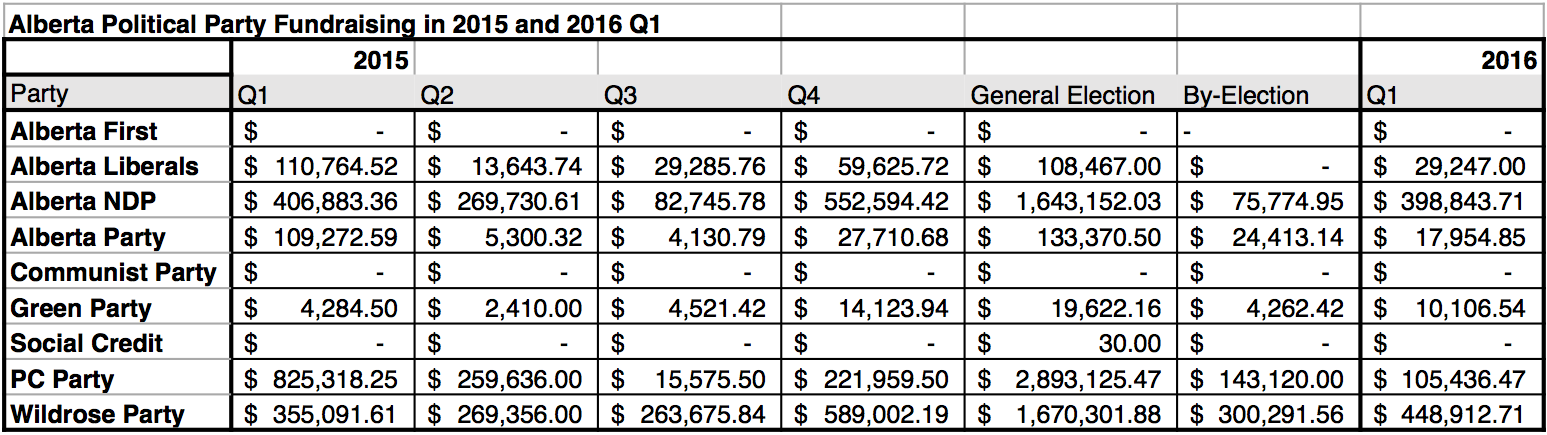
What the 2nd quarter fundraising results mean for Alberta’s political parties

Elections Alberta released the results of this year’s second quarter of fundraising for provincial political parties this week. Following the release of the disclosures I took a closer look at last quarter’s results and what they could mean for the parties.

Alberta Political Party fundraising in 2015 and the first two quarters of 2016.
Alberta Political Party fundraising in 2015 and the first two quarters of 2016. (Click for a larger image)

New Democratic Party

The Alberta NDP raised ten percent less than they did in the first quarter of 2016, which marks the third best full quarter fundraising results since the party formed government in May 2015. The NDP have never led party fundraising but they appear to have developed a healthy and significant base of individual donors. Note: The NDP do not register donations to individual constituency associations, so all funds raised are disclosed through the central party.

Wildrose Party

The Wildrose Party maintained its fundraising lead over the NDP by raising the most funds of any party the second quarter. This is a good sign for leader Brian Jean, who’s position as leader of Alberta’s conservatives is being challenged by federal Conservative Member of Parliament Jason Kenney through a hostile take-over bid of the PC Party. Not counted in the chart above is the funds raised by constituency associations in the second quarter, including Highwood which raised $17,545, Strathmore-Brooks which raised $8,350 and Calgary-Foothills which raised $8,100.

Of note:

  • Drumheller-Stettler Wildrose MLA Rick Strankman and his wife Diane Strankman donated $1,500 to the Vermilion-Lloydminster Wildrose Association, that constituency association’s largest donors in the second quarter. The constituency is represented in the Legislative Assembly by PC MLA Richard Starke.
  • Gary Bikman, an MLA who crossed the floor from the Wildrose to the PCs in December 2014, donated $500 to the Wildrose association in Cardston-Taber-Warner. He represented the constituency from 2012 to 2015 and was defeated in his bid to become the PC candidate in 2015.

Progressive Conservative Party

Long gone are the days of secret trust funds and overflowing campaign war-chests. This was a dismal second quarter for the former governing Progressive Conservative Party, which raised only $27,376. This was the party’s second worst quarterly fundraising result in recent memory, which is not a good sign as the PCs are set to begin a leadership race on October 1, 2016. But the poor showing by the central party is somewhat deceiving as some local PC constituency associations raised a significant amount of funds in the second quarter: $11,090 in Calgary-Hays, $10,166 in Vermilion-Lloydminster, $10,100 in Calgary-West, $9,386 in Calgary-Northern Hills and $8,277 in Grande Prairie-Wapiti.

Liberal Party

For the Alberta Liberals, the good news is they increased the quarterly fundraising by 97 percent, the bad news is that they only raised $57,561.04, which is less than their highest quarter last year (they raised more than $110,000 in the first quarter of 2015). Worth noting is a fundraising reception the Liberals are holding on July 21 at the Mayfair Golf Club that will be hosted by Marc de La Bruyere, chairperson of MacLab Enterprises and a well-connected businessman (he also donated $5,000 to the PC Party during the 2015 election).

Alberta Party

After the election of their first elected MLA in 2015, the Alberta Party appears to still be struggling to develop a sustainable base of donors. Unlike the other parties, the newish party is without an already established fundraising network, which takes significant time and resources to develop.


Here is a list of the top donors for each of the five parties, including donations to constituency associations, in the first two quarters of 2016:

New Democratic Party
Harinder Rai: $15,000
Pavan Kumar Elapavuluri: $5,000
Tim Foster: $5,000
Jamie Kleinsteuber: $3,653.75
Jason Rockwell: $3,407.50
Trevor Horne: $3,051.25
Darshan Brar: $3,000
David Eggen: $2,773.75
Mary Williams: $2,730
Alayne Sinclair: $2,643.75

Wildrose Party
Arnell Gordon: $29,000
Tom Goodchild: $15,000
Maurice Swertz: $15,000
Arlene Goodchild: $7,000
Robert Such: $6,050.00
Iris Kirschner: $7,587.50
James Brown: $5,000
Ryan Crawford: $5,000
Alexander Soutzo: $5,000
Frances Jean: $3,962.33

Progressive Conservative Party
Marcel Van Hecke: $15,957.50
Dave Bissett: $15,000
Scott Burns: $15,000
Stanley Milner: $15,000
Bradley Shaw: $15,000
Celine Belanger: $5,000
Ric McIver: $2,940
Chris Warren: $1,020
Elizabeth Henuset: $1,000
Franklin Kernick: $1,000

Liberal Party
Grant Dunlop: $5,600
Karen Sevcik: $5,300
Ian Cartwright: $3,306
Peter Poole: $3,000
Raj Sherman: $2,000
Dan MacLennan: $1,520
Dan Hays: $1,500
Rowland Nichol: $1,500
Catherine Ryan: $1,260
David Swann: $1,000

Categories
Alberta Politics

Outrage over Oil Sands appointment is a Tzeporah in a teapot

What do you get when you put some of the Canadian Oil Sands fiercest critics in the same room with its most vocal supporters? The Alberta Government’s new 18-member Oil Sands Advisory Group.

Dave Collyer
Dave Collyer

The Alberta government announced the formation of the group yesterday along with its three co-chairs: Dave Collyer, the former president and CEO of the the oil industry’s top lobby group the Canadian Association of Petroleum Producers, Tzeporah Berman, an environmental advocate and Adjunct Professor of Environmental Studies at York University, and Melody Lepine, a member and Director of Government and Industry relations with the Mikisew Cree First Nation.

The group of 18 includes representatives from municipal governments, First Nations, Metis communities, the energy industry, and environmental groups who will “advise government on the oil sands aspects of the Climate Leadership Plan and ensure that its initiatives are effective and widely supported.”

Steve Williams
Steve Williams

Almost immediately after the advisory group was announced, the Wildrose Party attacked Ms. Berman’s appointment, claiming she was a radical by citing her comments that the Oil Sands reminded her of “Mordor” from the fictional Lord of the Rings books. A vocal critic of the oil industry in the past, Ms. Berman posted a response on her Facebook page yesterday afternoon, saying she regretted the comments.

Ms. Berman wrote: “Though I have been a vocal critic of “business as usual” in the oil sands, I recognize that change doesn’t happen over night. It is a tremendous step forward that the Alberta government has decided to extend our earlier industry-environment work and enlist the help of more industry participants and the wisdom of non-Indigenous and Indigenous community leaders. I am committed to working in good faith with the rest of the advisory group to develop advice that ensures a strong economy and a leadership position for Alberta on environmental issues.”

Melody Lepine
Melody Lepine

She also provided a link to a video of her joint presentation with Suncor CEO Steve Williams at the recent Business and Climate Summit in London, UK, where they spoke articulately about the work being done in Alberta.

The NDP have put forward the most comprehensive plan to fight Climate Change that Alberta has ever seen, something that the Progressive Conservatives were unable to do in the final decade of their 44 years in government and the Wildrose Party has been unable to do in its four years as official opposition.

But with critics and climate change deniers ready to pounce at a moment’s notice, it is clear that the NDP government needs to do a better job clearly communicating why their much-lauded Climate Leadership Plan is important. Anticipating opposition criticisms and preparing to actively counter them is a critically important element for the success of the Climate Change plan.

Premier Rachel Notley Calgary Stampede Alberta
Rachel Notley

If you only listened to Alberta’s loudest and most-outraged conservative voices, from Brian Jean and George Clark to Jason Kenney and Ezra Levant, you would believe that Rachel Notley’s New Democratic Party government had launched a holy crusade to destroy Canada’s oil industry. This isn’t true, of course.

The irony of the criticism in response to Ms. Berman’s appointment is that, only a few years ago, opposition NDP MLAs would have roasted the old PC government for appointing a former CEO of CAPP to co-chair an advisory group like this one. In fact, they did.

In 2013, the NDP called on the PCs to reverse their appointment of Gerry Protti as the chair of Alberta’s energy regulator. Mr. Protti is the founding President of the Canadian Association of Petroleum Producers and at that time was a registered lobbyist for the Energy Policy Institute of Canada, an energy industry lobby group.

Shannon Phillips
Shannon Phillips

The then-NDP opposition Environment critic Rachel Notley said in a press release that “the Redford government isn’t doing itself any favours with this embarrassing post—it unravels the entire yarn they’ve been trying to sell the world about their commitment to responsible resource development and environmental protection. If we continue to act like a banana republic, we shouldn’t be surprised when we’re treated like one by the international community.”

Three years later, the NDP has appointed a former CAPP President and CEO to co-chair a group that will advise the implementation of the government’s flagship Climate Change policy. Partnering Mr. Collyer, Ms. Berman and Ms. Lepine as co-chairs was a bold move that reinforces the government’s message that the NDP are able and willing to work with a broad group of Oil Sands stakeholders.

One of the most admirable strengths of Ms. Notley’s government has been its ability to build broad and pragmatic coalitions that include champions from outside of the NDP’s traditional sphere.

Unlike the previous government, the NDP has intentionally sought to bring together a group of people with diverse and differing political views and expertise to advise on the implementation of Alberta’s Climate Change plans. This was very evident when Ms. Notley released the government’s Climate Leadership Plan in December 2015 surrounded by energy and environmental leaders, when Environment and Parks Minister Shannon Phillips tabled the Carbon Levy legislation in May 2016 and yesterday when this Oil Sands Advisory group was announced.

Here is list of the other members of the Alberta Oil Sands Advisory Group:

  • Veronica Bliska – Reeve of the Municipal District of Peace
  • Bill Clapperton is Vice President – Regulatory, Stakeholder and Environmental Affairs of Canadian Natural Resource Ltd
  • Anne Downey is Vice President of Operations for Statoil Canada and responsible for resource development and continuous operations for the Leismer Asset
  • Simon Dyer is Pembina Institute’s associate regional director for Alberta and former director of the Institute’s oilsands program.
  • Tim Gray is Executive Director of Environmental Defence.
  • Chief Isaac Laboucan-Avirom is Chief of the Woodland Cree First Nation, with a population of 1,300 people, 700 of whom live on the Reserve at Cadotte Lake.
  • Bill Loutitt is Vice President, Fort McMurray Métis Local 1935.  He is also President of Nistawoyou Friendship Centre and former President of Metis Nation of Alberta Region One
  • Karen Mahon is the Canadian Director of STAND (formerly ForestEthics Advocacy)
  • Jon Mitchell is Vice-President, Environment & Sustainability at Cenovus Energy
  • Alison Ronson is Executive Director of the Canadian Parks and Wilderness Society’s Northern Alberta Chapter
  • Kevin Scoble is the Deputy Chief Administrative Officer of the Regional Municipality of Wood Buffalo
  • Christa Seaman is Emerging Regulatory Policy Issue Advisor at Shell Canada
  • Richard Sendall has been Senior Vice President of Strategy and Government Relations at MEG Energy Corporation
  • Arlene Strom is the Vice President Sustainability & Communications at Suncor Energy Inc.
  • Lloyd Visser is Vice President, Environment and Sustainable Development at ConocoPhillips Canada
Categories
Alberta Politics

The origin and real meaning of the “Alberta Advantage”


August 31, 1993 marked the first time the words “Alberta Advantage” were uttered on the floor of Alberta’s Legislative Assembly.

“Unlike some others, my government will not try to buy prosperity through higher taxes. Instead, it will build on Alberta’s existing advantage of low taxes and its free enterprise spirit to develop the most competitive economy in North America. The government will strengthen the Alberta Advantage and sell it aggressively around the globe.” – Speech from the Throne, August 31, 1993.

Premier Ralph Klein
Ralph Klein

“Promoting the Alberta Advantage” was the theme of the Speech from the Throne read by Lieutenant Governor Gordon Towers following Ralph Klein’s victory in the 1993 provincial election, dubbed by Tories as the ‘miracle on the Prairies.’ The Progressive Conservatives had narrowly defeated an insurgent Liberal campaign led by former Edmonton mayor Laurence Decore. Both party leaders campaigned on deep funding cuts and deficit reduction.

The one element, probably the most important element, of the Alberta Advantage that was not mentioned in that year’s throne speech was that the reality of the provincial advantage was based almost entirely on the government receiving royalties from high-priced natural resources, mainly natural gas and oil.

Gordon Towers Alberta
Gordon Towers

For two decades, PC governments were able to subsidize their tax cuts with royalty revenues from natural gas, and then oil. This unfortunately led to government then using those undependable royalties to fund the province’s operations budget. What this meant was that large portions of royalty revenues that should have been saved for future generations, or for a rainy day – like now – were spent on day-to-day operations.

The PC government was once so flush with cash that it sent out $1.4 billion worth of Prosperity Bonuses – known as Ralph Bucks – to every Albertan. It was an embarrassment of riches and a hallmark of PC financial mismanagement.

The Alberta Advantage of low taxes and quality public services stopped being so easy when the international price of natural gas, and later of oil, dropped through the floor. When the PCs began running deficit budgets in the mid-2000s due in part to the drop in natural gas prices, they refused to restore the modest levels of personal income and corporate taxation that had existed before the ‘Alberta Advantage’ became their motto.

The most recent economic decline had many Albertans asking themselves “where did all the money go?” In an off the cuff moment, former premier Jim Prentice told Albertans to “look in the mirror.” But Mr. Prentice’s ‘Hail Mary’ budget of early 2015, which raised some taxes, was not enough to persuade Albertans that the Tories had learned a lesson.

Instead, having despaired of changing the Tories, they opted to change the government and elected the New Democratic Party led by Rachel Notley.

Categories
Alberta Politics

Jason Kenney gets an unlimited fundraising head start in the PC leadership race

After announcing his candidacy for the leadership of Alberta’s Progressive Conservative Party, Calgary Member of Parliament Jason Kenney laid out his five (or six) step plan to unite Alberta’s conservative partisans under one party banner.

There remain many unanswered questions about his plan, first being whether PC Party members agree with it, second, whether Wildrose Party members are even interested in joining with the PCs, and third, whether they can get organized in time to challenge Rachel Notley‘s New Democratic Party before the 2019 provincial election.

Mr. Kenney has not shied away from embracing views outside of the mainstream, but he is likely one of the most skilled political organizers and networkers in Canada’s conservative movement. He will charm conservatives in every corner of this province, from Cardston to Mill Woods to Fort McMurray, and many of them will purchase PC memberships to support his leadership bid.

While he is expected to face a number of potential challengers, it is unclear whether any of them have the appeal and organization to mount a serious province-wide challenge to Mr. Kenney and his network of Wildrose and federal Conservative supporters. By announcing his candidacy early, he could intimidate some potential rivals and have the advantage of an entire summer of town festivals and rodeos to campaign.

Announcing his candidacy before the PC leadership race has actually begun also gives Mr. Kenney a serious fundraising advantage. Because the leadership race has not officially started and the PC Party has not sent notice to Elections Alberta, which it will on October 1, 2016, there are currently no limits to the size of corporate and individual donations Mr. Kenney’s campaign can accept. There is also no obligation for his organization to disclose the names or amounts of donations received before the campaign period officially begins. There are no rules.

Categories
Alberta Politics

A look at who is backing Jason Kenney’s bid for the PC Party leadership

Conservative Member of Parliament Jason Kenney is expected to announce his candidacy for the leader of the Progressive Conservative Association of Alberta tomorrow, July 6, in Calgary, deliver a speech in Grande Prairie that evening and then travel to Edmonton on July 7 for another speech. He was widely expected to run for the leadership of the Conservative Party of Canada and only just recently began positioning himself as candidate to unite Alberta’s conservative partisans under one banner.

He would be the first candidate to officially enter the PC leadership contest, which is scheduled to be held on March 18, 2017.

  • As I explained in a column last month, Mr. Kenney could have a rough landing in Alberta politics.
  • A skilled organizer with more than 25 years of experience as a taxpayers federation lobbyist and Ottawa politician, Mr. Kenney should not be underestimated by his opponents.
  • Mr. Kenney follows in the footsteps of his former colleague, Jim Prentice, who led the PC Party from 2014 until its defeat by Rachel Notley’s New Democratic Party in May 2015. That election ended forty-four uninterrupted years of PC majority governments in Alberta.
  • Mr. Kenney recently purchased a membership in the PC Party, despite being widely seen as a supporter and ideological ally of the Official Opposition Wildrose Party, currently led by former MP Brian Jean.
  • Perhaps anticipating a threat of takeover, the PC Party recently abandoned its one-member one-vote system of choosing its leader in favour of a closed-delegate system, which forces candidates to campaign and organize in all 87 constituencies across the province.
  • Mr. Kenney is not assured an easy victory in the PC leadership race. I spoke with CTV about some of the potential candidates who also might enter the race, including former deputy premier Thomas Lukaszuk, who Mr. Kenney once described as an “asshole,” Vermilion-Lloydminster MLA Richard Starke, and Calgary-North West MLA Sandra Jansen, who said she would consider leaving the PC Party if Mr. Kenney became the leader. Edmonton City Councillor Michael Oshry is also considering entering the contest and former MLA Doug Griffiths is rumoured to be interested.

It is unclear whether Mr. Kenney would resign as the MP for Calgary-Midnapore immediately or if he would keep one foot in federal politics until he secures a leadership position in a provincial party. Under provincial elections law, he does not need to resign his federal seat until he is a registered candidate in a provincial election.

Because of his track-record as a social conservative and Wildrose supporter, Mr. Kenney might not find a great deal of support among existing PC Party members, including the 1,001 who attended the party’s annual general meeting earlier this year. But two unite-the-right groups could provide him with a base with which to organize his PC leadership bid.

Mr. Kenney appears to have the support of two unite-the-right groups. The Alberta Can’t Wait group, backed by former Reform Party stalwarts Preston Manning and Cliff Fryers, lobbyist Hal Danchilla and 1980s Tory cabinet minister Rick Orman, and the Alberta Prosperity Fund, backed by former right-wing talk radio host Dave Rutherford, former MLAs Heather Forsyth and Shiraz Shariff, and former PC Party president Jim McCormick. The Alberta Prosperity Fund issued a formal endorsement of Mr. Kenney on July 5, 2016.

The Alberta Can’t Wait group was reportedly planning to hijack the Alberta Party later this summer and Prosperity Fund founder and director Barry McNamar, formerly of the Fraser Institute and Manning Centre, is reportedly suing the Wildrose Party.

The two groups are part of a burgeoning cottage industry of anti-NDP groups, including the infamous and less polished Kudatah, that have popped up since the May 2015 election. Both the Wildrose and PC Parties have publicly rejected their overtures.

Alberta’s elections laws bar political parties from merging financial assets, meaning any actual merger between conservative parties is highly unlikely. Making things more complicated was the formation of a sixth conservative party last month – the Reform Party of Alberta. It may be a more likely scenario that a PC Party led by Mr. Kenney would apply to Elections Alberta to change its name to the Conservative Party of Alberta and urge Wildrose MLAs to run under its banner in the 2019 general election.

Cast into the opposition for the first time in 44 years, Conservatives in Alberta will need to define what their vision is for the future of our province. After decades of fiscal mismanagement, much of Alberta’s current economic situation is a result of decisions made by PC Party governments. Conservatives cannot simply expect that Albertans will forgive, forget and restore the natural governing party in 2019. Those days are gone.

Aside from his politically charged rhetoric about “free enterprise” and the bogeyman ‘bohemian Marxism‘ it remains completely unclear what Mr. Kenney’s vision for Alberta would be, besides just returning Conservatives to power. I expect we will find out more in the next few days.

Categories
Alberta Politics

Tonight ends the second quarter of political fundraising in Alberta

On the final night of second quarter fundraising period for Alberta’s political parties, I thought it would be useful to take a look back at the past year in political party fundraising. There has been a seismic shift in our politics in this province since last year when the Progressive Conservatives were defeated in the general election and Albertans elected their first new government in 44 years.

Immediately after their election, the New Democratic Party government implemented one of their key election promises to ban corporations and unions from donating money to political parties. This change had a significant immediate impact on the PC Party, which had relied heavily on large donations from corporations to sustain its operations and fill its large campaign war-chest. The shock of the election loss and severing of its access to corporate donors led the PC Party to raise only $15,575.50 in the third quarter of 2015, it’s lowest fundraising period in decades.

The PC Party appeared to have somewhat recovered by the fourth quarter of 2015, when it raised $221,959.50.

Alberta Political Party Fundraising 2015 2016
Alberta Political Party fundraising total in 2015 and 2016. These numbers only include funds raised by political parties, not candidates or constituency associations. (Click the image to enlarge)

The NDP and Wildrose Party faired better and adapted much quicker to the changes due to their already substantial base of individual donors. Both parties rely heavily on individual donors contributing amounts under the $250 reporting threshold.

All the major political parties have been soliciting donations in advance of tonight’s deadline. The NDP and Wildrose Party in particular have been flooding their supporters and past donors inboxes with email appeals for donations over the past week.

Here is a sample of what has hit my inbox over the past few weeks:

“Help us defeat the NDP in Q2!” was the subject line of one email from Wildrose executive director Jeremy Nixon on June 24, 2016.

“We’re publicly measured against our opponents, and we’ve got just five days to match the Wildrose dollar for dollar.” was the lede of one email from NDP Provincial Secretary Roari Richardson on June 25, 2016.

“The NDP are now charging you $5.1 million to advertise their carbon tax plan that is putting 15,000 jobs at risk and taking $1,000 a year out of the typical Alberta household.” was the start of one appeal from Wildrose environment critic Todd Loewen on June 21, 2016. (The Wildrose Party paid Ezra Levant‘s Rebel Media to send this letter to its list of supporters).

“It’s 2016 – yet the opposition seems to be stuck in the stone age. Countries around the world are working to address climate change. Yet Wildrose leaders continue to deny basic science.” was the lede of an email from NDP Deputy Premier Sarah Hoffman on June 28, 2016.

“We need to send a strong message to the NDP, and to all Albertans, that Wildrose is the only party ready to govern in 2019.” wrote Wildrose House Leader Nathan Cooper on June 30, 2016.

“We ended 44 years of Conservative rule, reversed devastating cuts to education. We’re leading Alberta’s future with our forward-thinking Climate Leadership Plan. We can’t go back to the days of tax giveaways for the wealthiest and less support for hard working families.” was the end of an email appeal from Premier Rachel Notley on June 30, 2016.

The results of the second quarter fundraising will be released in July 2016.

Categories
Alberta Politics

In or Out? Jason Kenney could have a rough landing into Alberta politics

CBC reports that after 19 years as a Member of Parliament in Ottawa, former federal cabinet minister Jason Kenney, 48, is considering entering provincial politics in Alberta. Postmedia’s Jen Gerson writes that he will not confirm whether this is true.

It was a prediction first made by Postmedia’s Graham Thomson in January 2016.

Premier Rachel Notley Calgary Stampede Alberta
Rachel Notley

Mr. Kenney is reportedly backed by a cadre of federal Conservative strategists and insiders, including former Reform Party and Wildrose Party campaign strategist Tom Flanagan, who told CBC that the group discussed whether “he could win the PC leadership then negotiate a merger [with Wildrose].”

So, Mr. Kenney, who just this week was appointed to the parliamentary committee studying electoral reform, could be abandoning plans to replace Rona Ambrose as leader of the Conservative Party of Canada and setting his sights on uniting-the-right and challenging Rachel Notley‘s moderate New Democratic Party government in 2019. If Mr. Kenney is going to enter Alberta politics, he will need to decide quick because the Progressive Conservative Party will be choosing its new leader before April 30, 2017.

Jim Prentice Premier Alberta
Jim Prentice

Mr. Kenney is a skilled politician, but he would ominously follow in the footsteps of another former federal Conservative cabinet minister, Jim Prentice, who jumped into provincial politics in 2014 before leading the 44-year old PC government to defeat in May 2015.

New rules approved by the PC Party at its recent annual general meeting could make a leadership bid challenging for an outsider candidate. The PCs replaced the one-member one-vote system that existed from 1992 to 2014 with a new closed delegate system. This will require candidates to build broad support in 87 constituencies across the province, rather than relying on the ability to sign up large groups of voters in concentrated regions.

Sandra Jansen
Sandra Jansen

If federal Conservative MPs decided to back Mr. Kenney’s bid, an orchestrated takeover could be possible, but there is significant animosity among rank and file PC members to a merger with the more hard-line Wildrose Party. And he would undoubtedly face a strong challenge from the moderate wing of the PC Party, most vocally represented by Calgary-North West MLA Sandra Jansen and Vermilion-Lloydminster MLA Richard Starke.

Mr. Kenney’s supporters may have been connected to a recent attempt by a conservative lobby group to hijack the one-MLA Alberta Party. The takeover was thwarted when the party’s executive quickly rescheduled its annual general meeting to an earlier date. It is likely that the marauding band of conservatives were coveting the party’s brand name rather than its moderate-conservative platform.

Brian Jean Wildrose
Brian Jean

A bid for the PC Party or the Alberta Party leadership might seem odd for Mr. Kenney, who is likely more comfortable in the social conservative wing of the Wildrose Party and with his former colleagues at the Canadian Taxpayers Federation. The historical success of the PC Party in Alberta between 1971 and 2015 was not based on adherence to conservative ideology but on the ability of its leaders to build a big blue tent of conservative, moderate and liberal voters.

Despite strong support for sending federal Conservatives to Ottawa, Alberta is now a much more progressive and moderate province than it was 20 years ago, when a young Mr. Kenney was roaming the halls of the Legislature as the spokesperson for the taxpayers federation.

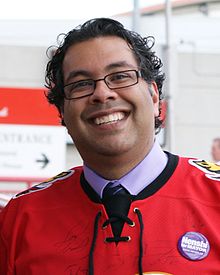
Naheed Nenshi
Naheed Nenshi

Mr. Kenney is not well-known for his conciliatory approach to Alberta politics. In 2015, he argued that “people like” Calgary Mayor Naheed Nenshi were to blame for the politicization of the niqab ban instituted by the federal Conservative government. In 2014, he engaged in a  public spat with Ron Liepert when the former finance minister defeated long-time MP Rob Anders for the Conservative nomination in Calgary-Signal Hill. And in 2012, Mr. Kenney’s true feelings about then-deputy premier Thomas Lukaszuk were made known in a leaked reply-all email.

There is also the inconvenient fact that Alberta’s elections laws make it impossible to actually merge the financial assets of the two political parties. Those laws also make it unlikely that the Wildrose Party could change its name to the Conservative Party of Alberta. This does not mean that there could not be one dominant conservative party to face the NDP in the next election, it just means that any sort of actual merger of parties is unlikely to happen.

It should be noted that the last time an attempt was made to unite-the-right in Alberta, former Reform Party leader Preston Manning (pictured above with Mr. Kenney) was forced to apologize for his role in nudging 9 Wildrose MLAs across the floor to the PCs. That was in December 2014.

There is also the question of how his former federal colleague Brian Jean, now leader of the official opposition Wildrose Party, will feel about Mr. Kenney stealing the spotlight, and potentially his leadership. Despite being constantly undermined by internal party disputes and self-inflicted embarrassment, Mr. Jean deserves credit for leading his party from the brink of extinction to 22 MLAs in 2015. The inconvenient truth that his party still only sits at 35 percent in the latest public opinion poll could add momentum to those pushing to replace the Wildrose leader.

The decision by Mr. Prentice, Mr. Jean and now maybe Mr. Kenney, gives the impression that Conservative party politics in Alberta is becoming a grazing plot for Conservative politicians whose careers in Ottawa have stalled. It was widely believed that Mr. Prentice was using his job as premier to springboard into a future bid for the federal Conservative leadership. I expect the same would be suspected about Mr. Kenney, if he does actually jump into provincial politics in Alberta.

Categories
Alberta Politics

Party Business: Leadership Races and Palace Coups

– The Wildrose Party constituency association in Lac La Biche-St. Paul-Two Hills passed a motion calling for Brian Jean to face a leadership review at the party’s annual meeting in Red Deer on October 28 and 29, 2016. That constituency is represented by MLA Dave Hanson, who was one of the 9 Wildrose MLAs who signed an article comparing carbon pricing to genocide. Postmedia reports that Mr. Hanson was present at the constituency meeting where the motion was debated but did not speak in Mr. Jean’s defence or vote on the resolution. Similar motions are expected to be proposed by a number of other Wildrose constituency associations.

Late last month, pressure from party activists and MLAs inside his caucus forced Mr. Jean to back down from his attempt to suspend Finance Critic Derek Fildebrandt from the Wildrose Caucus.

Mr. Jean received 78 percent support in a leadership review following last year’s provincial election, which appears to mean little now as elements within his party are openly challenging his leadership.

– The Progressive Conservatives will be choosing a new leader before April 30, 2017. Party President Katherine O’Neill will chair the leadership race and former premier Dave Hancock will act as a senior advisor to the Leadership Election Committee. Cynthia Williams and Krista Balsom will co-chair the Delegate Convention & Debates Subcommittee. A motion introduced by Ms. Williams at the PC Party’s recent convention led to the adoption of a delegate system to choose the new leader.

– The Alberta Liberal Party executive board appointed Calgarian Nirmala Naidoo and Edmontonian Kevin Feehan as the co-chairs to oversee their leadership campaign scheduled for 2017 (Mr. Feehan is the brother of Edmonton-Rutherford NDP MLA and Minister of Indigenous Relations Richard Feehan). The next Liberal Party leader will be selected by a system that counts votes through a constituency-based point system. Calgarian Russell Scantlebury appears to be the only candidate openly campaigning for the position.

– The Alberta Party is holding its annual general meeting on June 11 to elect a new board of directors and debate constitutional amendments. One proposed amendment would limit future leadership candidates to those who have been a “member in good standing of the Party for at least one (1) year prior” to the candidate nomination deadline. The amendment would allow the board of directors to waive this requirement by a super-majority vote.

– It is not a leadership change or challenge but this motion might set off some fireworks at this weekend’s New Democratic Party convention in Calgary. Members of the Edmonton-Calder NDP association in the constituency represented by Education Minister David Eggen‘s are expected to introduce the following motion for debate: Be it resolved that the Alberta NDP urges the Provincial Government to discontinue advocacy or promotion of specific pipeline projects while stakeholders such as First Nations communities,Metis settlements, farm owners, and municipalities have expressed objections to a pipeline project being built through or terminating on their land.

Since entering office last year, Premier Rachel Notley has become a strong advocate for oil pipelines and has taken a more diplomatic approach to pipeline advocacy than her predecessors.

Categories
Alberta Politics

A look at some of the new laws passed in Alberta in Spring 2016

The Spring session of the Alberta Legislature ended yesterday after forty-days of debate.

The evacuation of more than 88,000 Albertans sparked by the wildfires in Fort McMurray dominated the attention of our political leaders during this session. In response to the wildfire crisis, Premier Rachel Notley and Wildrose leader Brian Jean briefly put aside politics and demonstrated their strengths as political leaders. It was a refreshing break from the negative rhetoric and hyperbole that has come to dominate Alberta politics.

The legislative session produced ejections, MLA suspensions and other intrigue but amidst the budget debates and political drama the New Democratic Party government pursued a fairly ambitious legislative agenda.

Twenty-one government bill and one two private members’ bills were passed during this session.

Bill 205: Pharmacy and Drug (Pharmaceutical Equipment Control) Amendment Act, a private members’ bill introduced by Calgary-West Progressive Conservative MLA Mike Ellis received unanimous support from MLAs when it was passed in the Legislature. The bill restricts ownership of pill presses in response to the Fentanyl crisis.

Bill 1: Promoting Job Creation and Diversification Act introduced by Economic Development and Trade Minister Deron Bilous gave the minister new powers to create programs focused on broadening the province’s industries and businesses. “Jobs” and “diversification” were key buzzwords used by NDP cabinet ministers this spring as they face an increase in unemployment and decrease in industry investment caused by the decline of the international price of oil.

Bill 4: An Act to Implement a Supreme Court Ruling Governing Essential Services introduced by Labour Minister Christina Gray lifted the ban on strikes by all public sector employees in response to a Supreme Court of Canada ruling in 2015.

Bill 7: Electoral Boundaries Commission Amendment Act introduced by Justice Minister Kathleen Ganley pushed forward the timelines to redraw the electoral boundaries before the provincial election in 2019, which could have an impact on the results of that election. The timelines as they were previously legislated were askew after the Progressive Conservatives called an election one year earlier than Alberta’s fixed-election date law in 2015.

The NDP missed an opportunity to improve the composition of the commissions, which will include five appointees (two appointed by the Government Caucus, two by the Official Opposition and one “neutral” chairperson chosen by the government). The NDP should have amended the legislation to create a non-partisan judicial commission similar to the ones appointed to redraw federal electoral boundaries.

Introduced by Finance Minister Joe Ceci, Bill 10: Fiscal Statutes Amendment Act removed the 15 per cent debt-to-nominal-GDP cap implemented by the NDP in the fall session of 2015. This was a classic example of a government walking back on a law which they probably should not have passed in the first place. The Alberta government’s net-debt levels remain low enough that Albertans should not immediately be worried. But as our provincial credit ratings have been downgraded, it will be important for the current and future governments to implement policies that will actually address the government’s significant revenue shortfall and growing budget deficit.

Bill 11: Alberta Research and Innovation Amendment Act reorganized Alberta’s four “Innovates” branded research and development agencies into one agency governed by a single board and CEO. Bill 18: An Act to Ensure Independent Environmental Monitoring dissolved the Alberta Environmental Monitoring Evaluation and Reporting Agency and brought its responsibilities into the Department of Environment and Parks. Bill 11 also established the position of Chief Scientist.

Bill 15: An Act to End Predatory Lending introduced by Service Alberta Minister Stephanie McLean targeted the payday loan industry, bringing down the amounts paid on payday loans from $23 per $100 borrowed down to $15 per $100. Ms. McLean announced that the government is working with credit unions to offer short-term loans as an alternative to predatory loans.

Bill 19: Reform of Agencies, Boards and Commissions Compensation Act injected transparency into Alberta’s byzantine system of appointed agencies, boards and commissions that had become a safe-haven for PC Party loyalists, patrons and retired MLAs during the previous government’s 44 years in power.

A long-time coming, Bill 21: Modernized Municipal Government Act, was in the works for years, but even so it was surprising that the NDP has been able to introduce it so early in their mandate. Bill 21 overhauls and updates sections of the province’s second largest piece of legislation. Municipal Affairs Minister Danielle Larivee, a rising-star in the NDP, will travel across the province this summer to consult with municipal leaders about the changes proposed in this bill, which only passed first reading during this session.

Bill 21 sets the ground for the creation of Big City Charters in the Act’s regulations, as advocated for by Edmonton Mayor Don Iveson and Calgary Mayor Naheed Nenshi. The Charters are expected to be drafted by Spring 2017 and enacted by Summer 2017.

The NDP government’s flag ship piece of legislation of spring 2016 was Bill 20: Climate Leadership Implementation Act. Part of the much-lauded Climate Leadership Plan, Bill 20 implements the Carbon levy and rebate program. In what is becoming a signature move of the NDP government, Environment and Parks Minister Shannon Phillips assembled an impressive coalition of municipal, industry and environmental leaders in support of the new law.

While there are legitimate criticism of the bill, including whether the carbon levy is actually “revenue neutral,” the Wildrose Opposition failed to offer any alternative plan. The Official Opposition was knee-capped by a serious self-inflicted wound when an article signed by nine Wildrose MLAs compared carbon pricing to Holodomor, the genocide that killed an estimated 2.5–7.5 million Ukrainians in the Soviet Union from 1932 to 1933. Lac La Biche-St. Paul-Two Hills MLA Dave Hanson apologized for the comment but the nine MLAs avoided answering questions about the genocide comparison when asked by the media.

Alberta’s Legislative Assembly is expected to reconvene on October 31, 2016 and sit until December 1, 2016.

[Note: This was just a brief description of some of the bills debated and passed during the spring session. A full list of bills debated in this session can be found here]

Categories
Alberta Politics

Partying like it’s 2016! A look ahead at next weekend’s Alberta NDP convention in Calgary

In the past, the media and political watchers would pay little attention to a provincial convention held by Alberta’s New Democratic Party. It is expected that all media and political watchers will be paying close attention to the debate at the NDP’s convention in Calgary next weekend.

Back in 2009, during a stint as a freelance writer, I covered the NDP convention for the now-defunct alt-weekly known as SEE Magazine. I may have been the only media representative actually in attendance at the convention.

That weekend in 2009, in a dim-lit windowless ballroom in a downtown Edmonton hotel the most contentious topic of debate was a proposal from a small group of New Democrat founders of the Democratic Renewal Project. The DRP advocated the creation of an electoral arrangement or cooperation agreement between the NDP and the Liberal Party to prevent vote splitting by progressive voters. Both opposition parties had major loses in the previous year’s election, with the NDP dropping from four to two MLAs.

The ideas put forward by the DRP sounded sensible to me at the time but were soundly rejected by conference delegates. Seven years later, the NDP are no longer debating vote splitting or electoral agreements. They are holding their first convention as Alberta’s governing party after their win in the 2015 provincial election.

Instead of a dingy hotel in downtown Edmonton, this year’s convention will be held on June 10, 11 and 12, 2016 at the swanky Hyatt Regency in downtown Calgary. Along with 54 NDP MLAs in attendance, the convention will feature keynote speeches from the Edmonton Oilers‘ Andrew Ference on Jobs and Diversification, Pembina Institute executive director Ed Whittingham on Climate Leadership, Ontario NDP MPP Jagmeet Singh on Diversity and Reducing Inequality, and Alberta Federation of Labour president Gil McGowan on Labour issues.

This will be the first NDP convention in recent memory that the mainstream media will pay much attention to and with that in mind, the party’s leadership will do their best to turn the weekend into a celebration of the NDP’s 2015 election win and accomplishments in its first year of government. The weekend includes a $200 a plate banquet and a party at the Glenbow Museum featuring Scenic Route to Alaska, The Northwest Passage and Los Moreno’s.

It feels far from the dim-lit windowless hotel ballroom in downtown Edmonton but that does not mean it will be without its acrimonious moments.

A group of party activists unhappy with NDP MLA’s support of a Wildrose Party motion calling on the federal government to scrap a planned moratorium on tankers on Canada’s Pacific coastal waters are expected to spearhead a debate on whether the motion goes against against a party policy opposing the Enbridge Corporation’s proposed Northern Gateway Pipeline passed at a previous convention.

There may also be debate about changing the role of organizational affiliates in the NDP. Unlike other provincial political parties, the NDP allows organizations to affiliate with their party in order to have a greater say in their leadership votes and at conventions.

These affiliates are almost always labour unions but as unions are no longer allowed to donate to political parties or pay for delegates to attend conventions, the previous existing advantages for the party and affiliate no longer exists. I am told that before the NDP banned corporate and union donations in the first law they passed in 2015, affiliated unions donated 15-cents per member per-month to the party.

Delegates will also be voting in elections for the party’s provincial executive. For some reason that is unknown and puzzling, the NDP is the only provincial political party in Alberta that does not list the names of its executive or board of directors on its website. Perhaps this will change now that the NDP is the province’s governing party.

Here is a list of who is running for the party’s four table officer positions:

President: Teacher and president of the party’s Edmonton-Beverly-Clareview constituency association Peggy Wright is the only candidate to have entered the presidential election. The position was made vacant when former president Chris O’Halloran, who had served as president since 2013, stepped down to start a job in the Premier’s Southern Alberta office at the McDougall Centre in Calgary.

First Vice-President: Two candidates are running for this position: labour activist and United Nurses of Alberta Labour Relations Officer Jason Rockwell and lawyer and past candidate Anne Wilson. Mr. Rockwell ran as an NDP candidate in the 2006 federal election in the Edmonton-Spruce Grove riding. Ms. Wilson ran as a provincial NDP candidate in 2008 in Banff-Cochrane and 2015 in Calgary-Foothills (against Progressive Conservative leader Jim Prentice). In July 2015 she ran for the NDP nomination for the Calgary-Foothills by-election but was defeated by former alderman Bob Hawkesworth.

[Note: I work with Jason Rockwell in my day job as Communications Advisor with United Nurses of Alberta. I am not an NDP member, but if I were he would certainly get my vote at this convention.]

Second Vice-President: It appears that Lou Arab may be acclaimed in his bid for re-election. Mr. Arab is a near-legendary campaign manager in NDP circles for his role in the election campaigns of Marlin Schmidt in 2012 and 2015 and Sarah Hoffman in 2010. He is a Communications Representative with the Canadian Union of Public Employees – Alberta and also happens to be the husband of Premier Rachel Notley.

Treasurer: Siobhan Vipond, the Secretary-Treasurer of the AFL, is running for re-election and does not appear to be facing any challengers at this time.

I am told that more than 500 delegates have registered to attend the Calgary convention.