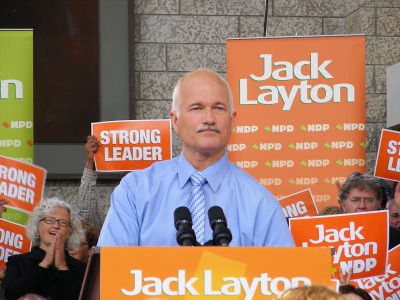
NDP Leader Jack Layton at a rally at the Winspear Centre in Edmonton (September 20, 2008).
Very sad news this morning. NDP leader Jack Layton has passed away at the age of 61. Mr. Layton took a break as NDP leader earlier this summer to battle a new cancer he had been diagnosed with.
NDP Leader Jack Layton has died, his family said in a statement today.
Mr. Layton’s wife, Olivia Chow and his children Michael and Sarah, said Mr. Layton passed away at 4:45 am today.
“He passed away peacefully at his home surrounded by family and loved ones,” the statement read.
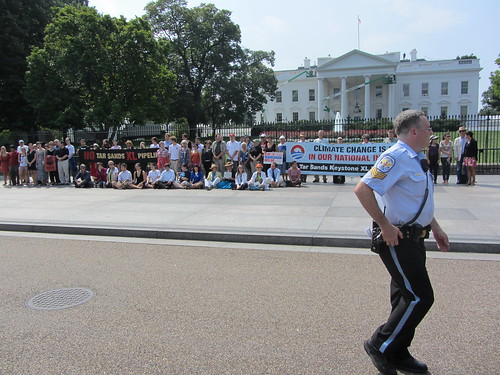
Nearly seventy Americans were arrested after a peaceful protest in front of the Whitehouse against the construction of TransCanada‘s Keystone XL pipeline, a 1,700 pipeline that would carry unprocessed bitumen from Alberta to refineries in Texas. The peaceful protesters reportedly received longer sentences than were expected.
As noted in a New York Times editorial this weekend, opposition to the pipeline is concerned about the risk of oil spills along the pipeline and the levels of greenhouse emissions emitted by oilsands production in Alberta (the New York Times editorial also refers to Alberta’s Energy Minister Ron Liepert as “Ronald“, a hilarious editorial change that may soon also be reflected on this blog).
The pipeline has the support of many congressional Republicans and the tacit support of United States Secretary of State Hillary Clinton, who has said that she is “inclined” to support it. The U.S. State Department will decide whether to approve or reject the pipeline by the end of the year.
National Geographic Magazine is suggesting that Chinese interests in the construction of Keystone XL could help alleviate the pressure to build a pipeline from Alberta to British Columbia’s Pacific coast. In Lincoln, Nebraska, the Journal Star is suggesting that rail may be a better alternative to the Keystone XL pipeline.
It seems to me that instead of pumping our unrefined bitumen from northern Alberta to Texas factories to do the job, maybe we should be refining our own resources in Alberta.
Here are some photos from this weekend’s peaceful protest in Washington DC, care of tarsandsaction:
Protesters against the Keystone XL pipeline from Alberta's oilsands to Texas gathered in front of the Whitehouse in Washington DC on August 20, 2011.
Participant Arrested in Front of the White House on August 20, 2011.
Author and environmentalist Bill McKibben arrested in Keystone XL pipeline protest in Washington DC.
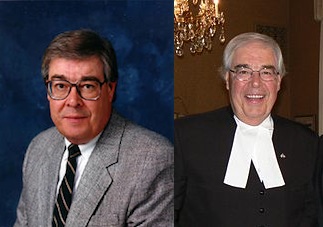
Many Albertans now know Ken Kowalski from his higher duty as the long-sitting Speaker of Alberta’s Legislative Assembly, a position he has held since 1997. The MLA for Barrhead-Morinville-Westlock announced this week that he will seek election for the tenth time since 1979. His long political career has demonstrated a kind of political longevity and stamina that not many Alberta politicians can claim to have.
Mr. Kowalski is the only Tory MLA to have served under all four of Alberta’s Progressive Conservative Premiers. He has also filled a wide range of cabinet posts since he was first elected 32 years ago (Environment, Career Development, Public Works, Economic Development and Tourism, and as Deputy Premier). Immediately before entering elected politics, he served as executive assistant to cabinet minister Hugh Horner (father of current PC leadership candidate Doug Horner), who he later replaced as MLA for Barrhead in a closely fought 1979 by-election.
Mr. Kowalski was one of the key players in making Ralph Klein Premier in 1992. Mr. Kowalski and a cadre of rural MLAs mobilized rural Alberta Tories to vote for Mr. Klein on the second ballot of the 1992 PC leadership contest after Nancy Betkowski placed first by one vote on the first ballot.
“People tell me there’s an arrogant look about me. That’s something I was born with; I cannot change that.” – Kowalski in 1993 (Edmonton Journal).
In the first few years of Premier Klein’s administration, Mr. Kowalski served in a powerhouse role as Deputy Premier and unofficially as the “Minister of Everything.” The power doled out by Mr. Kowalski, and the rewards he lavished on his constituency, led some Opposition politicians to claim that he was actually running the government, with the Premier only as a figurehead. That changed in 1994 when Mr. Kowalski’s career took a very different direction.
On October 21, 1994, political watchers were stunned when Mr. Kowalski was shuffled out of Premier Klein’s cabinet and announced that he would resign as an MLA to become chairman of (now defunct) Alberta Utilities and Energy Board. The shuffle was seen as a stunning demotion for Premier Klein’s most powerful cabinet minister.
On October 23, 1994 Ethics Commissioner Bob Clark told reporters that he would investigate Mr. Kowalski’s appointment. Three days later, Mr. Kowalski told the media that he would not accept the new job unless the Ethics Commissioner agreed.
On October 28, 1994 Premier Klein told the media that he had axed the appointment as a result of public pressure from the oil industry and environmental groups who claimed the posting would politicize the regulatory board. Mr. Kowalski was infuriated, claiming that the government was being run by “three stooges” and demanded an opportunity to address the PC caucus with his complaints.
“The blood hasn’t dried yet from the first sabre wound and I’ve got a second one.” – Ken Kowalski, 1994 (Calgary Herald)
Emerging from his meeting with the PC caucus on October 31, 1994, Mr. Kowalski told the media that he was never angry and that he “loved Ralph Klein.”
It was later ruled that both Premier Klein and Mr. Kowalski could have received $20,000 in fines for violating a six-month cooling-off period under Alberta’s Conflicts of Interest Act.
For the next few years, Mr. Kowalski languished in the Tory backbenches, emerging to criticize Premier Klein and his cabinet ministers ever so often (even once accusing them of “`misleading the public pretty dramatically about cuts to his former Ministry of Economic Development and Trade). The Calgary Herald labelled him as the “loose cannon” of the Tory caucus in 1996 when he revealed that Premier Klein’s Chief of Staff Rod Love had offered him a job with Multi-Corp (a company that Mr. Love, Klein’s wife Colleen, and a number of other associates owned shares in).
Mr. Kowalski’s time on the backbenches ended in April 1997, when he won a surprise victory against Dunvegan MLA Glen Clegg to become Speaker of the Legislative Assembly (it was suspected that he also had the support of the 18 Liberal MLAs and two NDP MLAs in the Assembly).
Love him or hate him, call him old fashioned or blatantly partisan, but Speaker Kowalski stands today as Alberta’s longest current serving MLA. As a political survivor against political odds that should have seen him crushed, he remains standing as the Progressive Conservatives prepare to celebrate forty years as government in September.
Was it the beginnings of a complicated political strategy, the osmosis of sitting in the Edmonton Sun offices, or the anticipation of an endorsement from former Premier Ralph Klein that caused Progressive Conservative leadership candidate Gary Mar to come out swinging in favour of privatized health care this week?
Speaking to the Edmonton Sun editorial board, Mr. Mar is reported to have said that believes Albertans should be able to pay for private health care and jump public wait lists. A Liberal press release reports that that Mr. Mar even compared medical treatments to luxury items – like recreational properties.
While it is surprising that this may be one of the first definitive things that this perceived front-runner has said during the course of this less than exciting PC leadership contest, Mr. Mar’s support for privatized health care is not a shock.
As Health Minister in 2000, Mr. Mar was Premier Klein’s point-man for private health care after the Bill 11 protests. The unpopular piece of health care privatization legislation was eventually amended and watered down before the Tories made it law, but it was not the end of Mr. Mar’s support of private health care while Health Minister.
Health Minister Mar also oversaw the publication of the pro-privatization Mazankowski report and the creation of private health care schemes like the now defunct Health Resources Centre (which declared bankruptcy in 2010).
At the end of his tenure as Health Minister in 2006, Mr. Mar ended up joining the list of Health Ministers under Premier Klein who failed to convince Alberta’s public health care supporting population that the cure all their worldly ills was the privatization of health care (others on the list include Shirley McClellan, Halvar Jonson, and Iris Evans)
This past June, Mr. Mar’s campaign released their health care policy, which was peppered with support for public-private partnership schemes. The release of the platform unfortunately coincided with the decision by the private Chartwell Real Estate’s Colonel Belcher Centre to evict 29 seniors and veterans from a designated assisted living centre in Calgary. The company had deemed the seniors and veteran residents as no longer profitable for the company (the company later reversed its decision after the expected public outcry).
Should Albertans be surprised that Gary Mar supports privatized health care? No. Just look at his record.
Via Postmedia News, Alberta Progressive Conservative leadership candidates are calling for another round of Senator-in-Waiting elections to happen concurrent with the next provincial election:
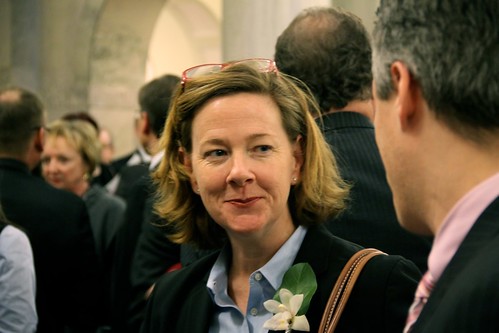
“We want them (Senate nominees) to be current. We don’t want to end up with a stale list,” said Alison Redford, Calgary-Elbow member of provincial legislature and the lone female candidate in the Tory race. “There must be another election and we may as well hold it in conjunction with the next provincial election.”
Redford believes Albertans should elect three Senate nominees who could fill the three vacancies over the next few years. Liberal Sen. Tommy Banks faces retirement in December 2011; Conservative Sen. Bert Brown must retire by March 2013; and Liberal Sen. Joyce Fairbairn by November 2014.
Alberta has held three Senate elections, in 1989, 1998, and 2004. One of Ms. Redford’s opponents, former Finance Minister Ted Morton was elected as a Senator-in-Waiting in 1998 and gave up the position-in-waiting when he ran in the 2004 provincial election in the Foothills-Rockyview constituency. PC candidates elected in the 2004 contest include Senator-no-longer-in-waiting Bert Brown, and Senators-still-waiting Betty Unger, Cliff Breitkreuz, and Senator-got-tired-of-waitingLink Byfield (who is now the Wildrose candidate in Barrhead-Morinville-Westlock).
The Wildrose announced yesterday that its former Executive Director, Vitor Marciano, would be one of its candidates in the next Senate election. Mr. Marciano is a well-known Conservative Party of Canada operative in Alberta. It is unknown whether the other opposition parties would support candidates in a Senate election.
The last Liberal to stand in a Senate election was Calgary lawyer Bill Code, who placed second in the 1989 contest. The New Democrats support the abolition of the Senate, but in 1998, future NDP candidate in Edmonton-Glenora Guy Desrosiers stood as an Independent Senate candidate (and placed third with 16.7% of the vote).
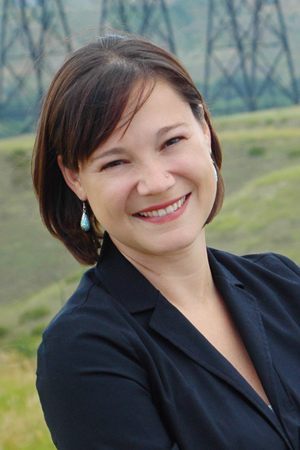
Lethbridge-West: Shannon Phillips is seeking the NDP nomination in this constituency. Ms. Phillips is a researcher and policy analyst for the Alberta Federation of Labour (AFL) and previously worked at the Alberta Legislative Assembly as the very talented Communications Director for the Alberta NDP Caucus. She has the endorsements of activists Naomi Klein, Melanee Thomas, AFL President Gil McGowan, and former Edmonton-Calder NDP MLA David Eggen.
While Lethbridge’s two constituencies have traditionally been a close fought battleground between the Progressive Conservatives and Liberals (voters in Lethbridge-East have elected Liberal MLAs since 1993, including former party leader Ken Nicol and current MLA Bridget Pastoor), the area has seen substantial growth for the NDP. In the May 2011 federal election, NDP candidate Mark Sandilands earned an unheard-of strong 27% of the vote, mostly concentrated within Lethbridge city limits. When the votes from the federal election are overlaid on the Lethbridge-West provincial boundaries, the NDP earned around 38% of the vote in the provincial constituency.
The constituency is currently represented by first-term MLA and Advanced Education & Technology Minister Greg Weadick.
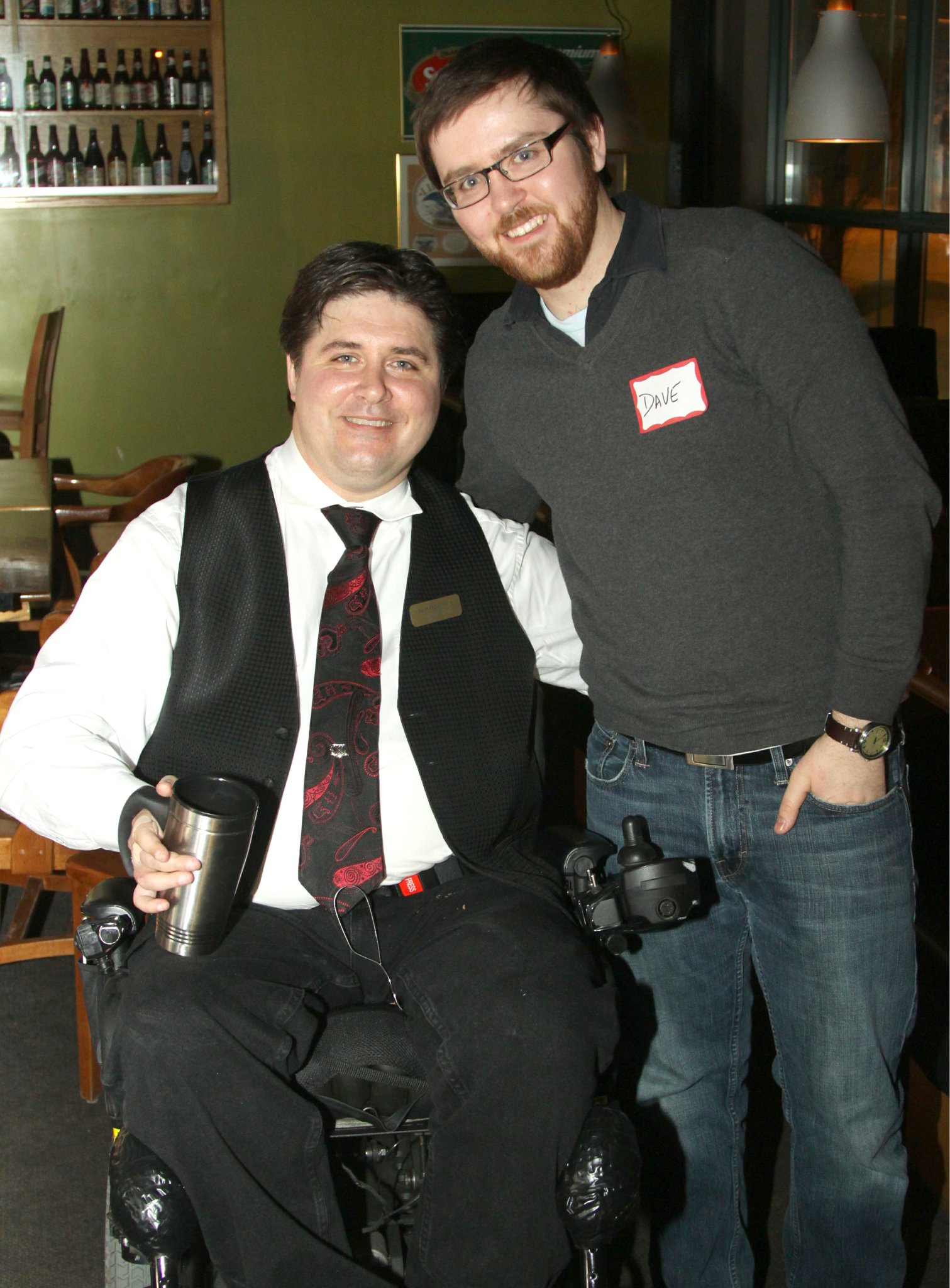
Kent Hehr and this blog's author.
Calgary-Buffalo: First-term MLA Kent Hehr has been acclaimed as the Liberal Party candidate. Mr. Hehr was elected in 2008 with 48% of the vote. The Wildrose have acclaimed former QR77 radio host Mike Blanchard as their candidate. Mr. Blanchard had originally sought his party’s nomination in the new constituency of Calgary-Nose Hill-Mackay, but was defeated by Roy Alexander.
Drayton Vally-Devon: Town of Drayton Valley Councillor Dean Shular has been acclaimed as the Wildrose candidate in his constituency. Mr. Shular was first elected to Town Council in 2007.
Drumheller-Stettler: A fifth candidate has joined the Wildrose nomination contest in this east central Alberta constituency. Drumheller Jeweler and FreemasonDoug Wade in Drumheller-Stettler. As reported on this blog in July, Dave France, Rick Strankman, Chris Warwick, and Patrick Turnbull are also seeking the Wildrose nomination.
Edmonton-Meadowlark: Local Wildrose activist Rick Newcombe was acclaimed as the Wildrose candidate in this west Edmonton constituency. Mr. Newcombe had originally sought his party’s nomination in Edmonton-Whitemud, but stepped aside in favour of Ian Crawford. The area is currently represented by former Tory MLA Raj Sherman, who is currently a candidate for the Liberal Party leadership.
Rocky Mountain House-Sundre: He denied it on June 9, but on July 10 landowners rights advocate and Rimbey Town Councillor Joe Anglin submitted his papers to become a candidate for the Wildrose nomination in this constituency. The former Alberta Green Party leader is facing Rocky Mountain House Town Councillor Sheila Mizera and past-president of the local Wildorse Association Ed Wicks.
Sherwood Park-Strathcona: Two candidates have put their names forward for the Wildrose nomination in this constituency. Strathcona County Councillor Jason Gariepy and Paul Nemetchek. Councillor Gariepy made headlines last years when he was sanctioned after sending an email critical of a press release quoting local MLAs Iris Evans and Dave Quest. Mr. Nemetchek was campaign manager for former Reform Party MP Ken Epp.
West Yellowhead: Alberta Party leader Glenn Taylor has been officially nominated as his party’s candidate in the sprawling west Alberta constituency of West Yellowhead.
Mr. Taylor was first elected as the Mayor of the Town of Hinton in 2004 and ran as a candidate for the NDP in this constituency in 1997. I am told that Mr. Taylor will be leaving his position as Mayor this fall to focus full-time on the party’s leadership.
Calgary: The NDP are expected to hold a round of joint-nomination meetings for candidates in Calgary later this month.
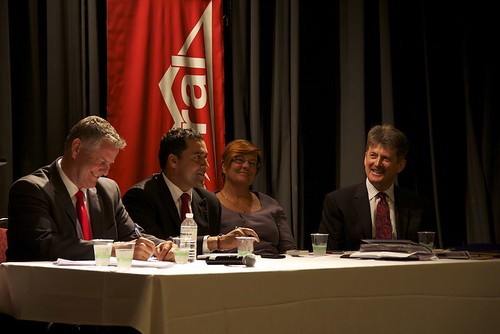
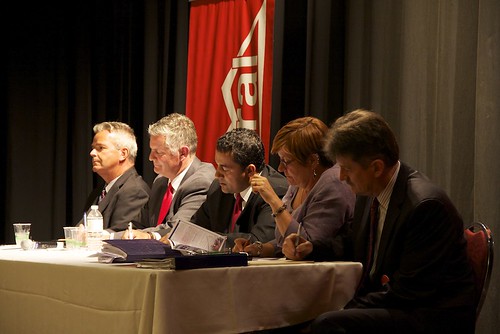
Alberta PC leadership candidates at the ATA conference in Banff.
Earlier this week I had the privilege of sharing some of my thoughts about the Progressive Conservative leadership contest with delegates at the Alberta Teachers’ Association (ATA) summer conference in Banff.
On Wednesday morning, all six candidates for the PC leadership (Doug Griffiths, Doug Horner, Gary Mar, Ted Morton, Rick Orman, and Alison Redford) attended a forum organized by the ATA which gave delegates at the conference an opportunity to submit questions to the candidates on a wide variety of education issues. It said a lot about the strength and importance of the teaching profession in Alberta that all six of the candidates traveled to Banff for the day to participate in this forum.
The six candidates answered a variety of questions focusing on transformation, funding, and the future of education in Alberta. Some candidates did better than others.
Mr. Griffiths was clearly the crowd favourite. A teacher himself, he was able to speak from experience and connected well with the audience of politically active educators. This was Mr. Griffiths coming out party in the leadership contest.
Ms. Redford and Mr. Horner did well, though the general focus around “outcomes” and other buzz words used by all the candidates left an uncomfortable amount of ambiguity in the discussion. The more conservative Professor Morton and Mr. Orman were clearly sailing in unfriendly waters.
In typical front-runner fashion, Mr. Mar said a lot without saying much. He also did not let the facts stand in the way of telling a folksy story. During the forum, Mr. Mar told the audience a story about his time as Education Minister in 1999 when his office wrote a memo to the Minister of Health. Only weeks later, he said, he was shuffled into the Health portfolio and then had to respond to his own memo (cue the laugh track). It was a folksy story, only Mr. Mar forgot to mention that he was actually shuffled from Education to become the Environment Minister in 1999. He was appointed as Health Minister over a year after he was appointed Environment Minister.
Being in the auditorium at the time, there was a few points during the forum when it felt like the candidates were on the verge of having a real discussion about the future of education. Unfortunately, most of the candidates fell back into safe and inoffensive “education is good” language.
Following the leadership candidates forum, I participated in a panel discussion with the ATA’s Dennis Theobald and Mount Royal University Professor Keith Brownsey where we engaged in a good discussion about the leadership candidates and what the political winds of change mean for the education system in Alberta. Although I had hoped that we could have had a broader conversation about the future of Alberta politics, time only allowed us to have a good discussion about what the leadership candidates had said that morning and what they might do as Premier.
Thank you to the ATA and to the teachers who participated in the discussion for a great day.
Only days after leadership candidates Gary Mar and Alison Redford got into a very public spat over the success of the Safe Communities Initiative (which Ms. Redford spearheaded during her time as Justice Minister), current Justice Minister and Wetaskiwin-Camrose MLA Verlyn Olsen sided with Mr. Mar. Not to be outdone, Ms. Redford received the endorsement of the Calgary Police Association.
Mr. Mar also secured the endorsement of Education Minister and Edmonton-Whitemud MLA Dave Hancock, who placed fifth in the 2006 PC leadership contest. As was expected, Edmonton-Rutherford MLA Fred Horne followed Minister Hancock into Mr. Mar’s leadership camp.
Former cabinet minister and Lesser Slave Lake MLA Pearl Calahasen has endorsed former Deputy Premier Doug Horner‘s candidacy. Ms. Calahasen has served as an MLA since 1989 and was Minister of Aboriginal Affairs and Children’s Services in the government led by Premier Ralph Klein.
Maybe it’s my down-home redneck roots, Or these dusty ‘ol Alberta boots, But like a Chinook wind keeps coming back again
I will be away from this blog for the next few days enjoying a summer sojourn in Alberta’s Rocky Mountains.
Later this week I will be attending the Alberta Teachers’ Association Summer conference in the beautiful mountain town of Banff, where I will have the privilege of sharing some of my thoughts on the state of Alberta politics and the ongoing Progressive Conservative leadership contest. I am told that all the PC leadership candidates, Doug Griffiths, Doug Horner, Gary Mar, Ted Morton, Rick Orman, and Alison Redford will also be in Banff this week to participate in a forum for the teachers at the conference.
In their effort to secure more than $225 million in public funding for their proposed Katz Downtown Edmonton Arena, local billionaire Daryl Katz‘s company, the Katz Group, has proven that even billionaires can buy bad political advice.
The CBC revealed last week that the Katz Group has been contacting Edmonton’s Progressive Conservative MLAs asking them to redirect phone calls from constituents about the Edmonton Oilers arena deal between the city and the group. Imagine the public response if MLAs constituency offices began forwarding calls about environmental issues to a Syncrude or Canadian Association of Petroleum Producers 1-800 hotline?
The Edmonton Sun reported that the Katz Group has had discussions with the Enoch First Nation to build the area on their land west of Edmonton if the downtown proposal is not successful. The threat to move the Edmonton Oilers to another city, or to a geographical location outside of Edmonton, is a pressure tactic as old as professional sports teams have existed. It is the worst kind of bluff and it shows that the Katz Group takes Edmontonians and Oilers fans for fools.
During the 2004 provincial election, then-Premier Ralph Klein was criticized for claiming that there was rampant abuse in the program. He then told the media that “severely normal” people do not want to talk about AISH.
2. Gary Mar attempted to grab headlines about Edmonton’s recent streak of murders by criticizing the Safe Communities Initiative, initiated by Premier Ed Stelmach and former Justice Minister Redford. Ms. Redford rebutted Mr. Mar’s criticism of the Safe Communities Initiative by listing statistics showing Youth Crime in Calgary down by 25% and that crime in Canada is at its lowest since 1973.
3. While Ms. Redford and Mr. Mar are two candidates most likely to be branded as Calgarians, southerner Ted Morton is has picked up support from six MLAs in the Edmonton area, including some who have deep connections to their cultural communities (which can produce significant amounts of sold memberships).
5. Outgoing Liberal leader David Swannraised concerns about Mr. Mar’s Public-Private Partnership (P3) friendly health care policy and one of Mr. Mar’s leadership campaign’s largest donors Dr. Kabir Jivraj. Dr. Jivraj is the former Chief Medical Officer of the Calgary Health Region and is the founder of AgeCare, a for-profit corporation that provides long-term care for senior citizens.
Toasting the success of their open membership program, the Alberta Liberals have announced that over the course of the past few months, their party has signed up 15,500 “supporters” to participate in their upcoming leadership contest. These supporters do not have to purchase memberships (of which the Liberals claim to have 3,500 paid members) and can vote in the party’s leadership by providing their name and contact information.
Liberal leadership candidates Bruce Payne, Raj Sherman, Laurie Blakeman, and Hugh MacDonald.
Opening participation in leadership contests to a primary style vote is a positive move, and one that will remove the element of elitism from the party leader selection process.
The challenge that remains is actually engaging these “supporters” to participate in the actual vote and the party process beyond that. The Wildrose Party has around 25,000 paid members and the Progressive Conservatives are expected to grow their membership to over 150,000 paid membership by September.
Good intentions aside, it feels like the move by the Liberals to open their leadership selection process feels like it may have come an election too late. After being decimated in the 2008 election, the Liberal Party has shown negative momentum in Alberta with their federal cousins drawing only 9% of the province-wide vote in May 2011 and a recent Environics survey showing the Liberals with only 13% province-wide and 19% in their former strong-hold of Edmonton.
Map of MLA support in the 2011 Alberta PC leadership contest (August 3, 2011)"
Two more endorsements have been added to the map of MLA support in the 2011 Alberta Progressive Conservative leadership contest.
Three-term Calgary-Shaw MLA and Tourism Minister Cindy Ady has endorsed leadership candidate Gary Mar. Minister Ady is Mr. Mar’s third Calgary MLA endorsements, following support from Calgary-Foothills MLA Len Webber, Calgary-Nose Hill MLA Neil Brown, and Calgary-West MLA Ron Liepert.
Word on the street is that first-term St. Albert MLA Ken Allred has thrown his support behind former Finance Minister Ted Morton. This is Dr. Morton’s tenth MLA endorsement and sixth endorsement from an MLA in the Edmonton region.
Who would have thought that the choice of Edmonton’s PC MLAs would be Dr. Morton?
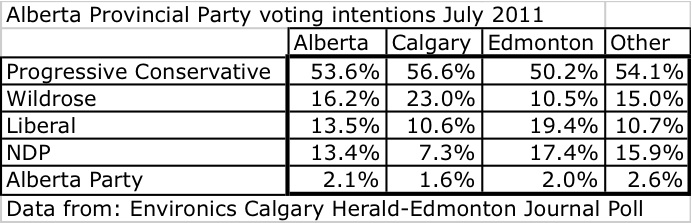
The poll of 900 Albertans showed that the Progressive Conservatives have once again risen to a dominant position over the opposition parties, including the ambitious Wildrose Party. This is just one poll, and as we learned from the May 2011 Federal Election, campaigns do matter. Keeping this in mind, here are my interpretations of what the poll could mean for Alberta’s political parties:
The results of a recent Calgary Herald-Edmonton Journal poll conducted by Environics.
Progressive Conservatives: The death of the near-forty-year governing PC Party has been greatly exaggerated. The poll shows PC support is above 50% across the province and above 60% with voters over the age of 65 (who show up to vote).
It is difficult to say if support for the Tories will change when they choose their new leader in September or October, but it is clear that the departure of Premier Ed Stelmach is boosting their electoral fortunes. Unless the next PC Party leader (and Premier-Designate) manages to become more unpopular than Premier Stelmach in the next year, it would be easy to see this party return to its dominant status.
Liberal leadership candidates Bill Harvey, Bruce Payne, Raj Sherman, Laurie Blakeman, and Hugh MacDonald
Liberals: These numbers should be very concerning for the Liberal Party, which could possibly be polling at its lowest level of support since before the party returned to the Assembly in the 1986 election. The party is in the midst of a leadership contest and despite opening voting to non-members, it has struggled to get media attention.
The one morsel of comfort that the Liberals can take from this poll is that none of the other opposition parties have been able to capture the imagination of Albertans. If they choose the right leader in their September 10 vote, they may be able to survive the coming electoral storm.
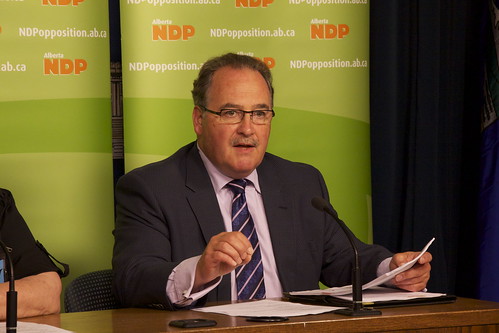
The poll shows the NDP are the second choice among voters between the ages of 18 and 24 (30.9%), and of voters outside of Calgary and Edmonton. In Edmonton, the NDP’s traditional seat of strength in Alberta, the party is polling near the same level of support it received in the last provincial election. The question is whether current NDP leader Brian Mason is the right person to capitalize on this bump.
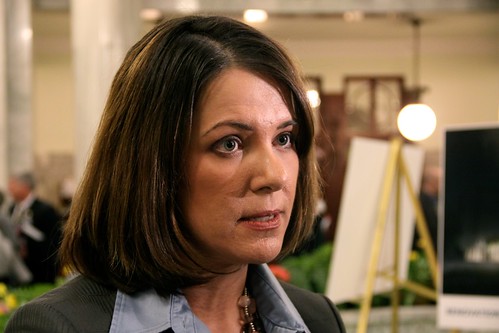
Wildrose leader Danielle Smith
Wildrose: This poll will put a sour face on the most strident Wildrose supporter. I speculated earlier this month that the Wildrose may have reached the peak of their support in 2010 and this poll certainly suggests that this may be the case.
The departure of Premier Stelmach this fall appears to have removed the lightening rod that turned the Wildrose into a political force in 2010. Forming government looks further away now than it did a year ago, but the Wildrose is still in a better financial and organization position than the other opposition parties. They may have to get used to the sound of the words “Official Opposition Leader Danielle Smith.”
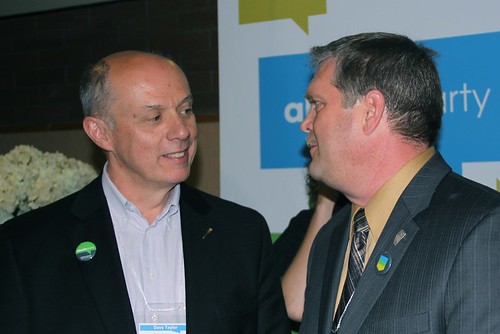
Alberta Party MLA Dave Taylor and leader Glenn Taylor
Alberta Party: This is poll has no good news for the Alberta Party (and almost no news at all). This poll should be a signal to this party that they should focus their electoral efforts on supporting candidates in two or three constituencies across Alberta, the most obvious being their leader Glenn Taylor in West Yellowhead, MLA Dave Taylor in Calgary-Currie, and former acting-leader Sue Huff in Edmonton-Glenora.